How Long Does Pigmentation Take to Fade After Laser Treatment?
December 30, 2025

Cellulite is one of the most common cosmetic concerns worldwide, affecting people of all ages, body types, and fitness levels. Despite its prevalence, the appearance of cellulite continues to raise questions, frustration, and confusion—especially with the overwhelming number of products and procedures claiming to eliminate it.
At BluePoint Medical Spa, patients often ask whether cellulite treatments that actually work truly exist and what current research shows about their effectiveness. The short answer is that cellulite is complex, and meaningful improvement typically requires professionally guided, evidence-informed approaches rather than quick fixes.
Modern medical spa treatments now focus on improving skin texture, supporting collagen production, and addressing the connective tissue and subcutaneous fat involved in cellulite formation. While no treatment can guarantee complete elimination, many options may help reduce cellulite, soften the dimpled skin appearance, and support smoother-looking skin over time.
This article explores what science currently understands about cellulite, how it forms, and which professional treatments show the most promise—so you can make informed, confident decisions about your care.
Cellulite forms beneath the skin’s surface, where fat cells, fibrous bands, and connective tissue components interact. When these structures push upward against the skin while connective bands pull downward, a dimpled or orange peel appearance can develop.
Unlike excess fat alone, cellulite is influenced by the architecture of the skin and subcutaneous tissue. This explains why even individuals with a healthy weight or active lifestyle may experience cellulite.
As skin loses elasticity with age, hormonal changes, and environmental factors, the surface texture may become more uneven. Understanding this deeper structure is essential when evaluating the treatment of cellulite, as surface creams alone rarely address these underlying mechanisms.

Cellulite affects a significant percentage of adults, particularly women, due to differences in skin structure and connective tissue beneath the skin. Hormonal influences such as estrogen may affect fat distribution and connective tissue flexibility, contributing to cellulite severity.
Genetics also play a role in determining skin thickness, fat cell distribution, and collagen quality. Lifestyle factors—including processed foods, hydration levels, physical activity, and circulation—may influence how cellulite develops over time.
Rather than viewing cellulite as a flaw, many medical professionals recognize it as a natural variation of skin anatomy. Modern aesthetic medicine focuses on supporting skin health and improving appearance rather than promising unrealistic outcomes.
Not all cellulite is the same. Providers often use a cellulite severity scale to assess whether a patient has mild cellulite, moderate cellulite, or severe cellulite. This evaluation considers factors such as skin laxity, depth of dimpling, and visibility at rest versus movement.
Understanding cellulite severity helps determine the most appropriate treatment options. Mild cases may respond well to noninvasive therapies that stimulate collagen, while moderate to severe cellulite may require minimally invasive treatments targeting fibrous bands or subcutaneous adipose tissue.
A personalized consultation ensures treatments are matched to the individual’s anatomy, goals, and skin quality.
Topical treatments and cellulite creams are widely marketed, often promising dramatic results. While some formulations may temporarily improve hydration or skin smoothness, research shows they generally do not penetrate deeply enough to affect connective tissue or fibrous bands.
Ingredients like caffeine or retinol may support short-term skin firmness or circulation, but these effects are usually subtle and temporary. For patients seeking significant improvement, topical products are best viewed as supportive—not primary—treatments.
Professional guidance helps patients avoid unrealistic expectations and focus on options supported by clinical experience.
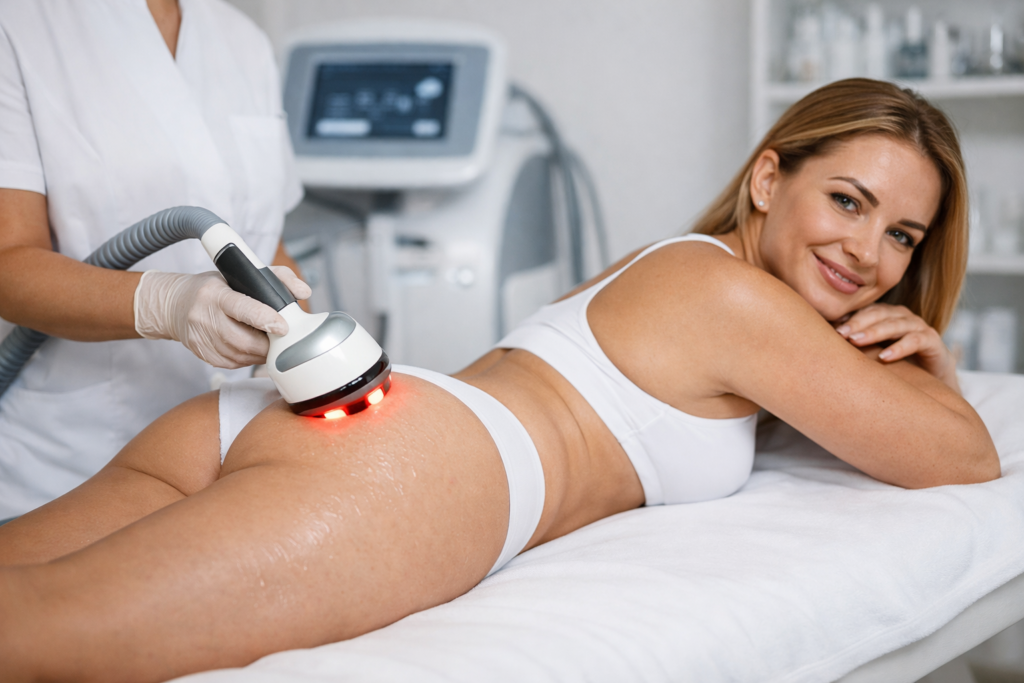
Professional cellulite reduction treatments address deeper layers of skin and tissue using technologies designed to stimulate biological responses. These approaches aim to improve skin elasticity, encourage collagen remodeling, and modify the interaction between fat cells and connective tissue.
Unlike over-the-counter products, medical spa treatments are typically overseen by licensed providers and selected based on individual assessment. This level of customization and oversight is key to achieving more reliable, longer-lasting results.
Acoustic wave therapy, also known as extracorporeal shock wave therapy, uses controlled sound waves applied to affected skin areas. These waves may stimulate circulation, support lymphatic drainage, and influence connective tissue flexibility.
Clinical trials suggest that multiple treatment sessions may help reduce the appearance of cellulite dimples and improve skin texture over time. Results tend to be gradual and depend on consistency and individual response.
This noninvasive approach is often chosen by patients seeking minimal downtime and a supportive option for moderate cellulite.
Research involving extracorporeal shock wave therapy indicates potential benefits for cellulite appearance when combined with healthy lifestyle habits. Studies report improvements in skin smoothness and elasticity after a series of treatments.
While outcomes vary, many patients experience visible softening of dimpled areas. Providers emphasize that results are not permanent and may require maintenance to support long-term skin quality.
Radiofrequency treatments deliver controlled energy to heat skin layers, which may encourage the body’s natural collagen production. As collagen supports skin firmness and elasticity, this process can help improve the appearance of cellulite.
Radiofrequency is commonly used for skin tightening and may be particularly helpful for patients with skin laxity contributing to cellulite visibility. Treatments are noninvasive and typically involve a series of sessions.
While not designed to eliminate cellulite, radiofrequency may support smoother-looking skin when included in a comprehensive care plan.
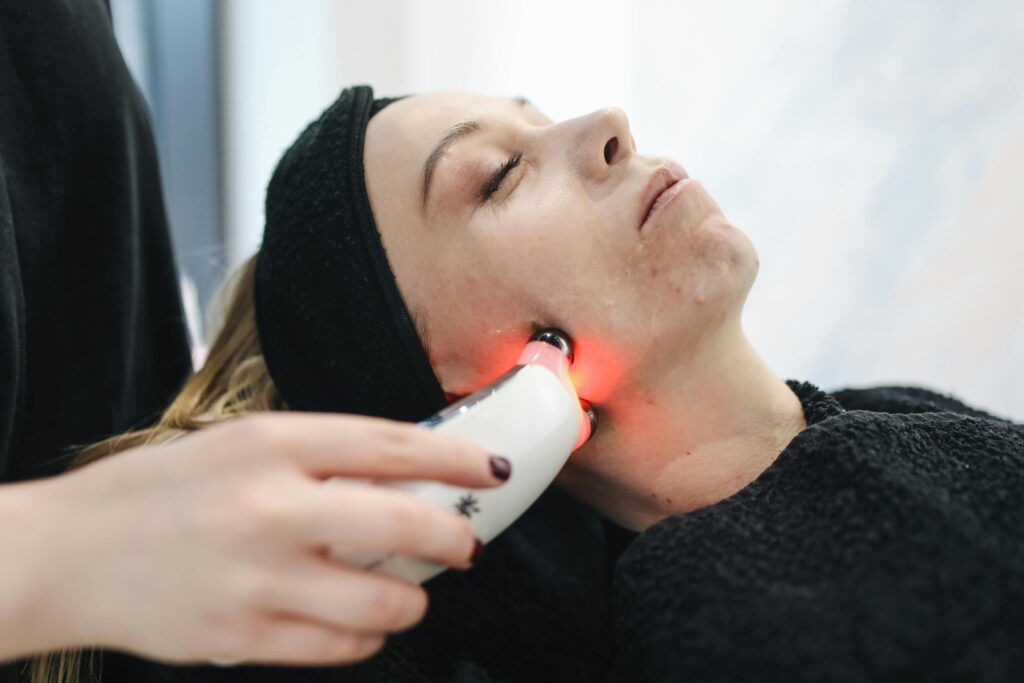
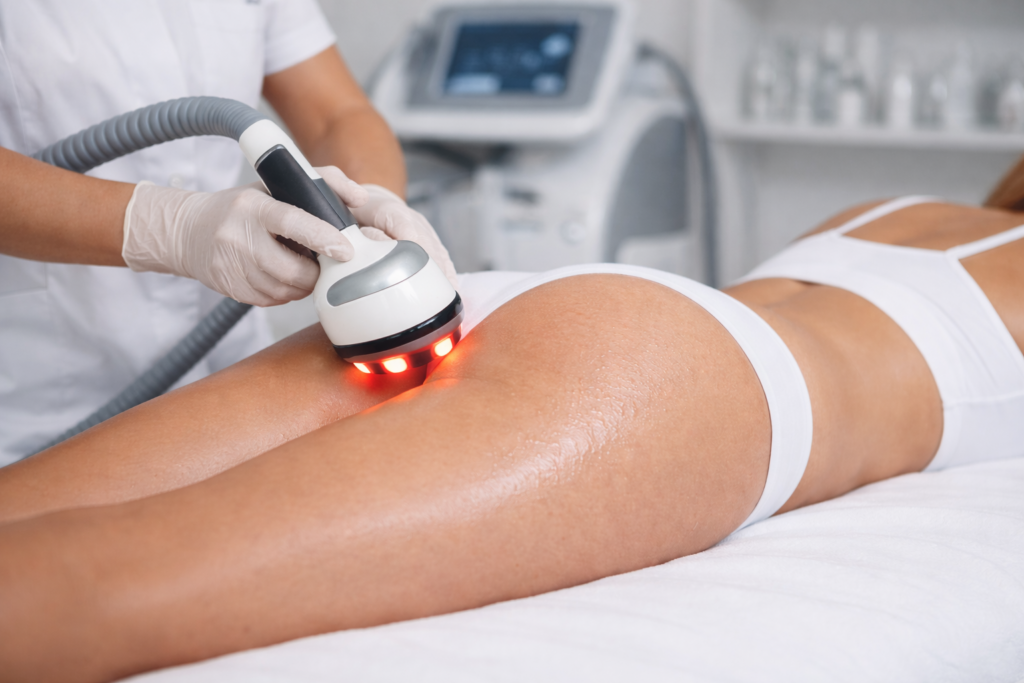
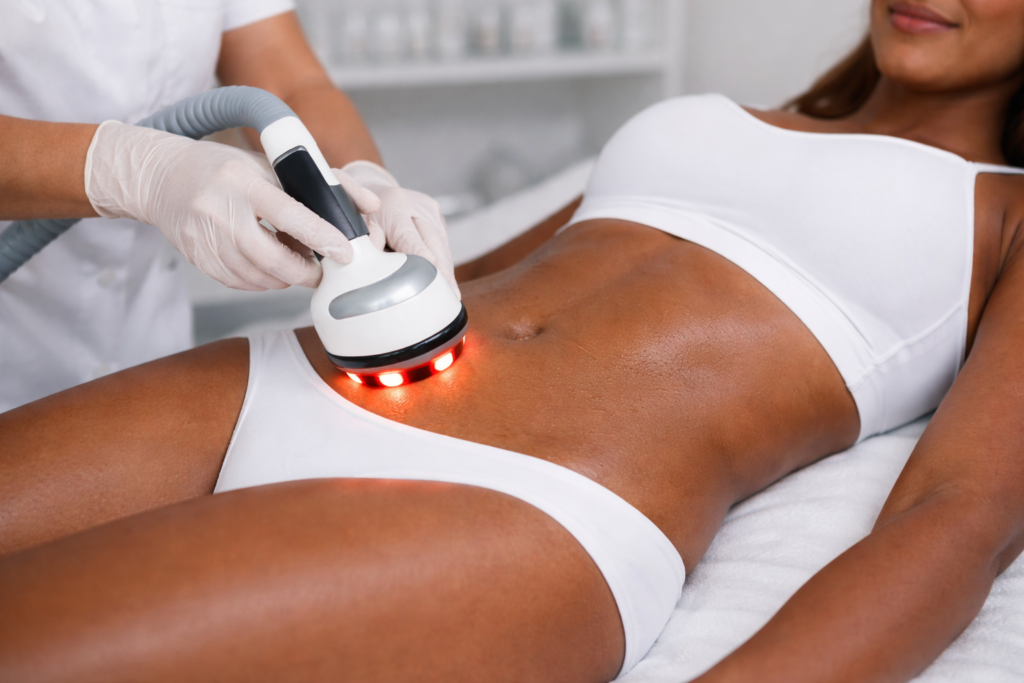
Infrared light therapies are used in medical spa treatments to gently warm the skin and subcutaneous tissue, which may help enhance circulation and support overall skin quality. Increased blood flow can improve oxygen and nutrient delivery to affected areas, potentially contributing to a healthier-looking skin appearance. While this approach does not remove fat cells or release fibrous bands, it may help soften the dimpled skin appearance associated with mild to moderate cellulite.
The thermal effect of infrared light may also support the body’s natural collagen production by stimulating fibroblast activity. Over time, this process can contribute to modest improvements in skin elasticity and surface smoothness, especially in patients whose cellulite is influenced by skin laxity. These changes tend to occur gradually and are most noticeable with consistent treatment sessions as part of a professionally guided care plan.
Infrared light therapies are often combined with massage, suction, or lymphatic drainage techniques to support fluid movement within the tissue and reduce temporary congestion that can make cellulite more visible. Many patients find these treatments comfortable and easy to incorporate into a wellness routine due to minimal downtime. Outcomes vary depending on cellulite severity, individual skin structure, and consistency of care, making personalized consultation an essential step before treatment.
Laser treatments represent a more advanced approach to cellulite care. Some minimally invasive procedures use laser energy to release fibrous bands beneath the skin, allowing the surface to appear smoother.
These treatments may also stimulate collagen remodeling, contributing to longer-lasting improvements. Research suggests that laser-based options can offer a noticeable reduction in moderate to severe cellulite when performed by trained professionals. Because lasers involve more complexity, a thorough consultation is essential to determine candidacy and discuss potential risks.
Minimally invasive cellulite treatments aim to address the structural causes of cellulite with smaller incisions or targeted tools. These procedures may focus on cutting fibrous bands or stimulating new connective tissue components.
Compared to noninvasive options, minimally invasive approaches may offer more pronounced results, particularly for severe cellulite. However, they may involve longer recovery times and require careful post-treatment care. Licensed provider oversight ensures safety and appropriate expectations.
Some injectable treatments are designed to target fibrous septae that contribute to cellulite dimpling. These approaches aim to weaken or release connective tissue beneath the skin.
While certain injectable options have received FDA approval for specific indications, they are not suitable for every patient or cellulite type. A professional evaluation helps determine whether injectable therapy aligns with individual anatomy and goals.
Cellulite exists along a spectrum, ranging from mild cellulite visible only with compression to severe cellulite apparent at rest. Patients with milder forms may respond well to noninvasive treatments that improve skin texture and elasticity. More advanced cellulite often requires targeted interventions that address fibrous bands or deeper tissue layers. Customized treatment planning ensures that care is aligned with each patient’s cellulite severity, skin structure, and personal goals.
There is no single treatment universally recognized as the longest-lasting cellulite treatment. Research and clinical experience suggest that combining multiple modalities—such as energy-based devices, skin-tightening treatments, and supportive care—often produces more durable improvements. Ongoing care allows providers to adapt treatment strategies as skin structure and lifestyle factors change over time. This layered approach supports skin health while helping manage the natural progression of cellulite.
Cellulite forms when fat cells push against the skin while fibrous connective tissue pulls downward, creating a dimpled appearance. Genetics, hormones, skin elasticity, and lifestyle factors all play a role.
Many professional treatments may help reduce the appearance of cellulite and improve skin texture. Results vary depending on cellulite severity, treatment type, and individual response.
There is no permanent cure for cellulite. Most treatments focus on improvement rather than elimination and may require maintenance over time.
A consultation with a licensed provider is essential. They can assess your cellulite severity, skin quality, and goals to recommend appropriate treatment options.
When performed or overseen by qualified professionals, many cellulite treatments are generally well-tolerated. Each option carries potential risks or contraindications, which should be discussed during consultation.
Cellulite is a complex, multifactorial condition influenced by skin structure, connective tissue, fat distribution, and lifestyle factors. While no treatment can eliminate cellulite, current research shows that professionally guided options—such as acoustic wave therapy, radiofrequency treatments, laser treatments, and minimally invasive procedures—may help improve cellulite appearance, skin texture, and overall confidence.
The most effective approach combines evidence-informed treatments, realistic expectations, and personalized care. At BluePoint Medical Spa, licensed providers focus on education, safety, and individualized treatment planning to support each patient’s goals.
If you are considering cellulite treatments that actually work, scheduling a consultation is the best next step. A professional evaluation allows you to explore options aligned with your skin, lifestyle, and aesthetic preferences—so you can move forward with clarity and confidence.
Schedule a consultation with BluePoint Medical Spa today to learn more about your personalized cellulite treatment options and begin a plan designed to support smoother-looking skin and long-term skin health.