How Long Does Pigmentation Take to Fade After Laser Treatment?
December 30, 2025

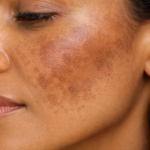
Melasma is one of the most complex and emotionally frustrating pigmentation concerns patients face. Characterized by patchy hyperpigmentation, most often on the face, melasma can feel unpredictable, persistent, and resistant to treatment. Many patients arrive at a medical spa feeling discouraged after trying multiple topical products, chemical peels, or lifestyle changes with limited success.
At BluePoint Medical Spa, melasma care is approached with medical insight, realistic expectations, and individualized planning. Laser and light-based technologies may support improvement for certain patients—but only when used thoughtfully, conservatively, and in combination with other therapies. This article explores melasma and lasers: what works, what requires caution, and how patients can make informed decisions about treatment options that prioritize skin health and safety.
Melasma is a chronic form of hyperpigmentation driven by melanin overproduction. Unlike sunspots or post-acne marks, melasma often involves deeper skin layers and multiple biological triggers, making it more challenging to treat.
Hormonal changes, particularly during pregnancy, use of certain medications, genetic predisposition, and chronic sun exposure all contribute to melasma development. In many patients, inflammation and vascular changes also play a role, adding another layer of complexity to treatment planning.
Because melasma does not behave the same way in every patient, no single treatment works for everyone. Effective management depends on understanding the type, depth, and triggers involved.
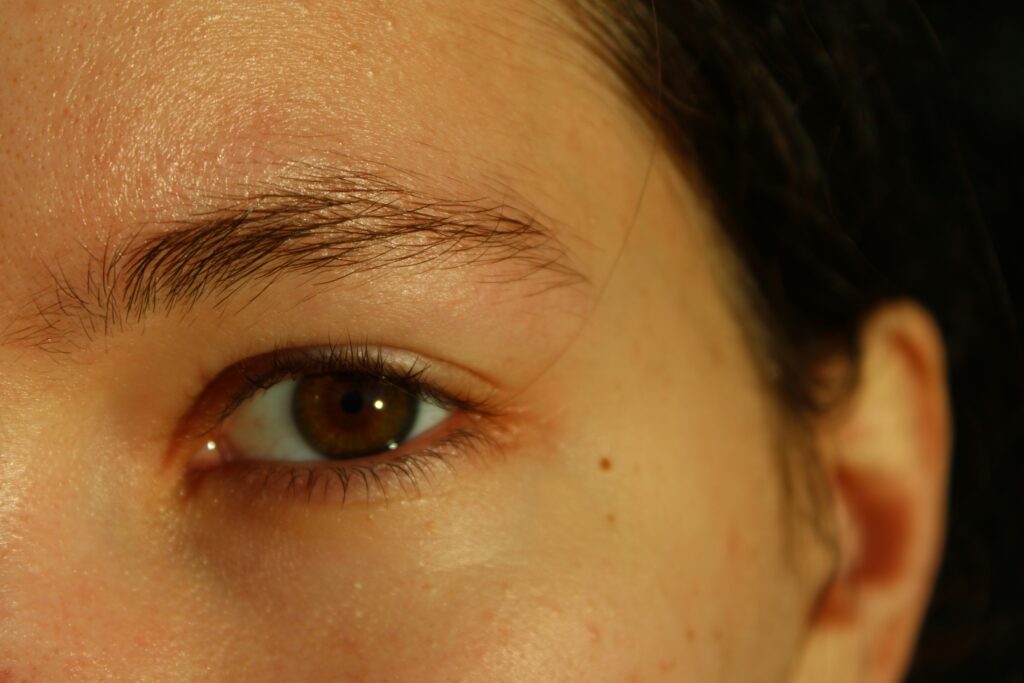
Melasma is typically categorized into epidermal, dermal, or mixed type melasma. Epidermal melasma affects the surface layers of skin and may respond more readily to topical therapy and light-based treatments.
Dermal melasma involves deeper pigment deposits and is generally more resistant. Mixed type melasma, which is very common, presents characteristics of both and often requires a multi-modality approach.
Determining melasma type helps guide decisions around laser therapy, topical medications, and long-term maintenance strategies. Tools such as the Melasma Area Severity Index (MASI) and melanin index measurements may assist providers in assessing severity and monitoring progress.
Melasma is not simply a cosmetic concern—it is a condition where overly aggressive treatment can worsen pigmentation. Improper laser settings, excessive heat, or poor post-procedure care may increase the risk of post-inflammatory hyperpigmentation or rebound darkening.
Medical supervision ensures that treatments are selected and adjusted based on skin type, melasma depth, and individual risk factors. At a medically supervised spa, providers evaluate darker skin tones, medication use, hormonal influences, and lifestyle factors before recommending laser or light therapy. This careful oversight helps prioritize safety while supporting gradual, sustainable improvement.
One of the most important aspects of melasma care is understanding what treatment can—and cannot—do. Lasers and light-based therapies do not cure melasma. Instead, they may help improve pigmentation appearance, reduce contrast, and support skin tone balance over time.
Improvement is often modest to moderate, requires multiple sessions, and depends heavily on ongoing sun protection and topical maintenance. Patients who expect instant or permanent results are more likely to feel disappointed. Clear communication and expectation-setting are essential for long-term satisfaction.
Laser and light therapies target pigment or blood vessels through a principle known as selective photothermolysis. Specific wavelengths are absorbed by melanin or vascular components, generating controlled energy that may break down pigment clusters.
However, melasma pigment is often diffuse and reactive. Excessive energy can stimulate inflammation, leading to rebound hyperpigmentation rather than improvement. For this reason, low-fluence, carefully timed treatments are typically favored when lasers are used for melasma.
Laser toning involves the use of low fluence Q-switched lasers, delivered over multiple sessions. Rather than aggressively targeting pigment, this approach aims to gradually reduce melanin activity while minimizing heat-related inflammation.
Patients may notice gradual brightening and improved skin clarity rather than dramatic pigment removal. This approach is often selected for patients with darker skin tones or a history of pigment sensitivity. While results vary, laser toning is generally considered a lower-risk option when performed by experienced providers.
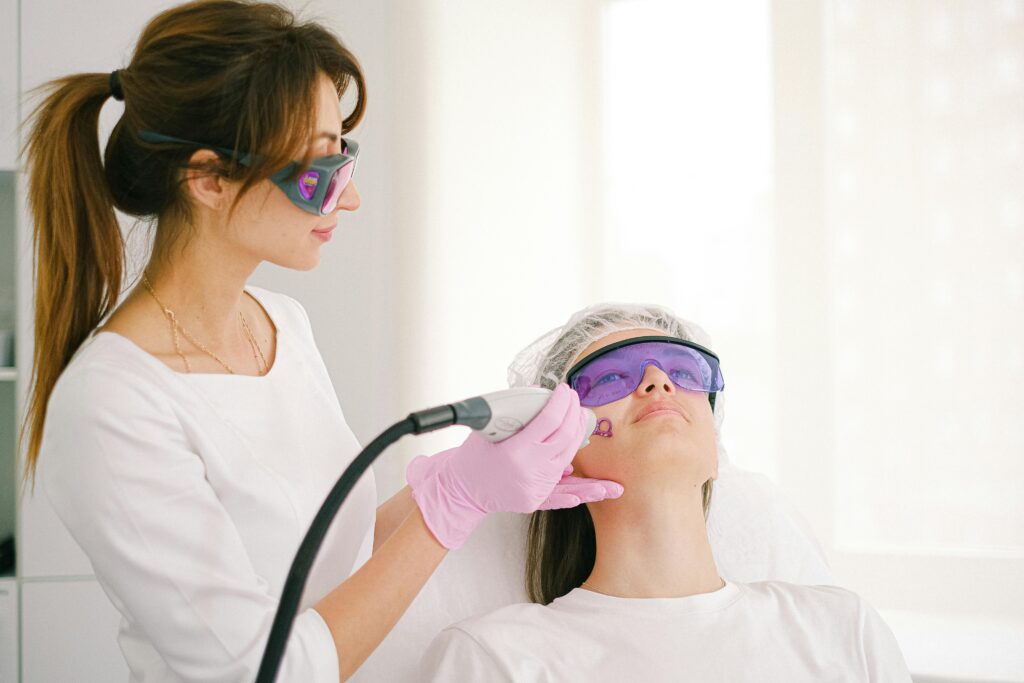
Q-switched lasers, including Q-switched Nd:YAG, Q-switched alexandrite laser, and Q-switched ruby laser, have been studied for melasma management. These lasers emit short pulses that target pigment particles.
Among these, Nd:YAG laser is commonly used due to its deeper penetration and relatively safer profile for darker skin when used at low fluence. However, even with careful technique, outcomes can vary. Some patients experience improvement, while others see limited response or recurrence over time.
The Nd:YAG laser is often chosen for patients with darker skin due to its longer wavelength, which penetrates deeper and may reduce epidermal damage when used conservatively.
When settings are properly adjusted, Nd:YAG laser therapy may support modest improvement while lowering the risk of postinflammatory hyperpigmentation. However, patient selection and provider expertise remain critical. Even with optimal care, results are not guaranteed, and maintenance therapy is typically required.
Fractional nonablative lasers create microscopic treatment zones that stimulate skin remodeling without removing surface layers. While these lasers are commonly used for texture and rejuvenation, their role in melasma remains selective.
Some patients may see improvement when fractional lasers are combined with topical therapy. However, heat-induced inflammation may increase pigment risk if treatments are too aggressive or poorly timed. These lasers are generally reserved for refractory melasma cases under strict medical guidance.
Ablative lasers remove layers of skin and generate significant heat and inflammation. While effective for certain resurfacing concerns, they carry a high risk of worsening melasma.
For this reason, ablative lasers are typically avoided in melasma treatment. The potential for adverse effects, prolonged downtime, and pigment rebound outweighs possible benefits in most patients.
Research suggests that melasma may have a vascular component, with increased blood vessel activity contributing to pigment persistence. Vascular lasers target hemoglobin rather than melanin.
In select patients with visible redness or vascular involvement, vascular lasers may complement pigment-focused therapies. This approach is highly individualized and not appropriate for all melasma cases.
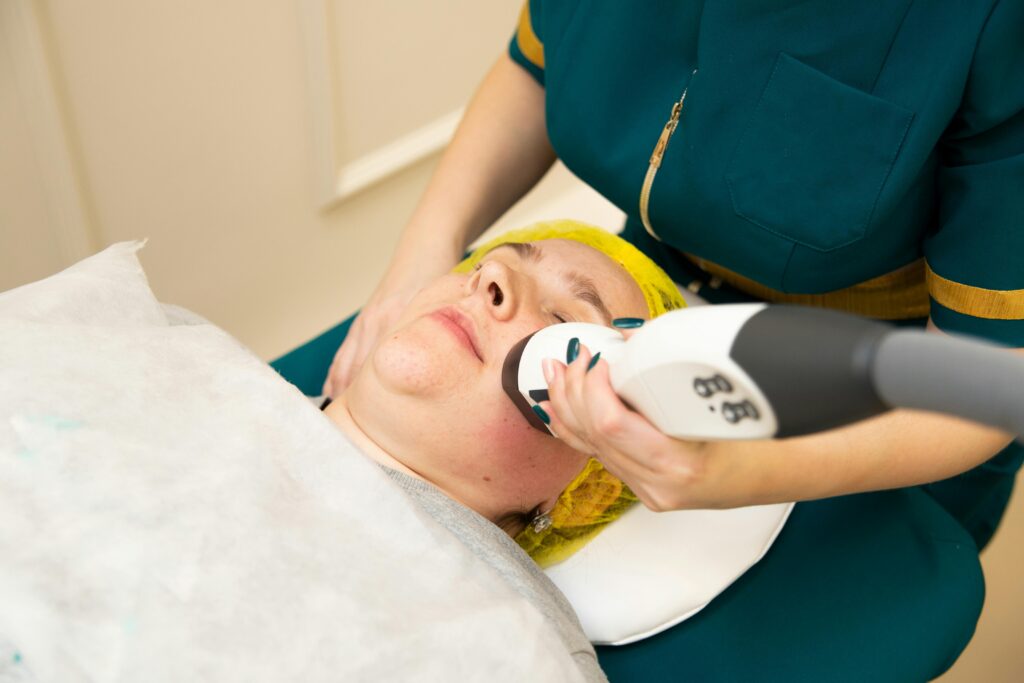
Intense pulsed light (IPL) differs from traditional laser treatment because it emits broad-spectrum light rather than a single, targeted wavelength. This broad energy range can interact with multiple skin chromophores at once, including melanin and hemoglobin. While this makes IPL useful for sun damage, redness, and overall skin tone correction, it also increases unpredictability when treating melasma.
Melasma pigment is often diffuse, reactive, and deeply influenced by inflammation. Because IPL energy is not selectively confined, it may unintentionally stimulate surrounding melanocytes rather than calming pigment activity. This reaction can increase the risk of post-inflammatory hyperpigmentation, especially in patients with darker skin tones or mixed-type melasma.
Another concern with IPL is heat dispersion. Excessive thermal energy can trigger inflammatory pathways that worsen melasma rather than improve it. Patients may initially notice lightening, followed by rebound hyperpigmentation weeks later, which can be frustrating and difficult to reverse.
For these reasons, IPL is typically avoided for melasma or used only under strict medical supervision in carefully selected cases. Conservative settings, test spots, and comprehensive pre- and post-treatment care are essential when IPL is considered at all.
Laser therapy is rarely used as a standalone solution for melasma. While lasers may help reduce visible pigmentation, they do not address the full biological drivers of melasma, such as hormonal influence, chronic inflammation, or environmental triggers like sun exposure.
The most effective melasma protocols often rely on combination treatment, where laser therapy supports improvement while other modalities stabilize pigment activity. Topical medications help regulate melanin production, while sun protection minimizes reactivation between treatments.
This layered approach allows providers to use lower laser energy settings, reducing inflammation and lowering the risk of adverse effects. By supporting the skin before and after laser sessions, combination therapy may lead to more consistent and controlled outcomes over time.
Importantly, combination treatment emphasizes long-term management rather than short-term correction. Patients are guided to view laser therapy as one supportive tool within a broader strategy focused on skin health, maintenance, and prevention.
Topical therapy remains the foundation of melasma management, regardless of whether laser treatment is used. These medications work gradually to regulate melanin production, reduce inflammation, and improve overall skin tolerance.
One of the most commonly prescribed options is triple combination cream, which typically includes a depigmenting agent, a retinoid to support skin turnover, and a mild anti-inflammatory component. When used appropriately, this formulation may help soften pigment contrast and improve treatment response.
Additional topical medications such as azelaic acid, tranexamic acid, and antioxidant-based formulations may also be incorporated depending on skin sensitivity and melasma type. These agents aim to calm inflammatory pathways and reduce pigment stimulation rather than aggressively removing color.
Consistency is critical with topical therapy. Results develop gradually, and irritation from overuse can worsen pigmentation. For this reason, medical supervision is essential to adjust strength, frequency, and duration while protecting the skin barrier and supporting long-term improvement.
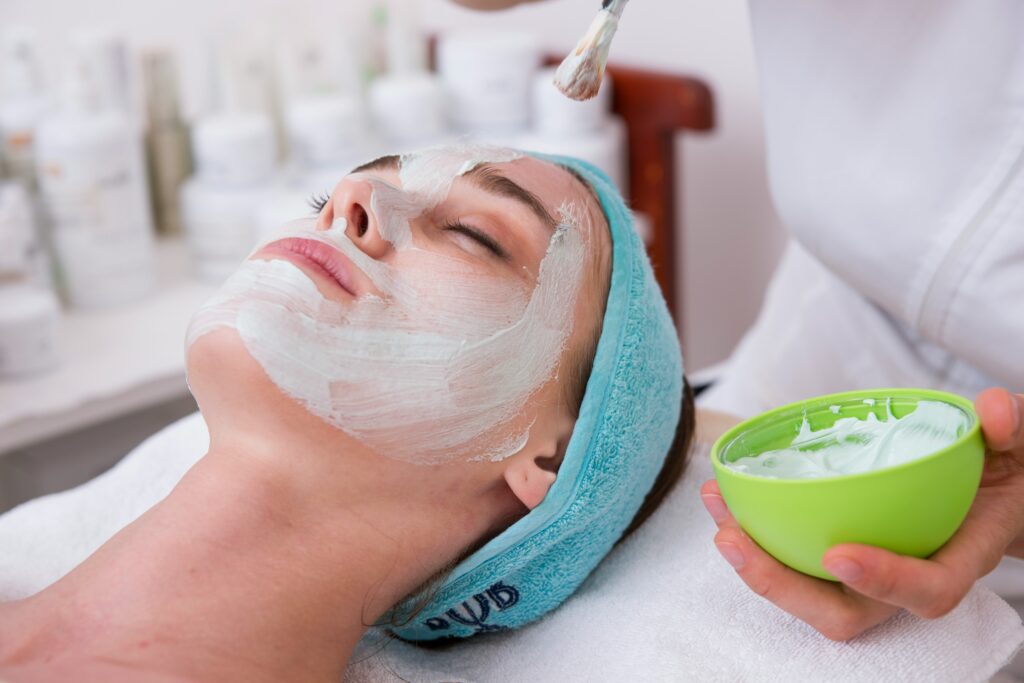
Lasers do not cure melasma. They may help improve pigmentation appearance, but recurrence is common without ongoing maintenance and sun protection.
Some laser options, such as low-fluence Nd:YAG, may be used cautiously in darker skin tones under medical supervision. Risk varies by individual.
Most patients require multiple sessions spaced weeks apart. The number varies depending on melasma type, severity, and skin response.
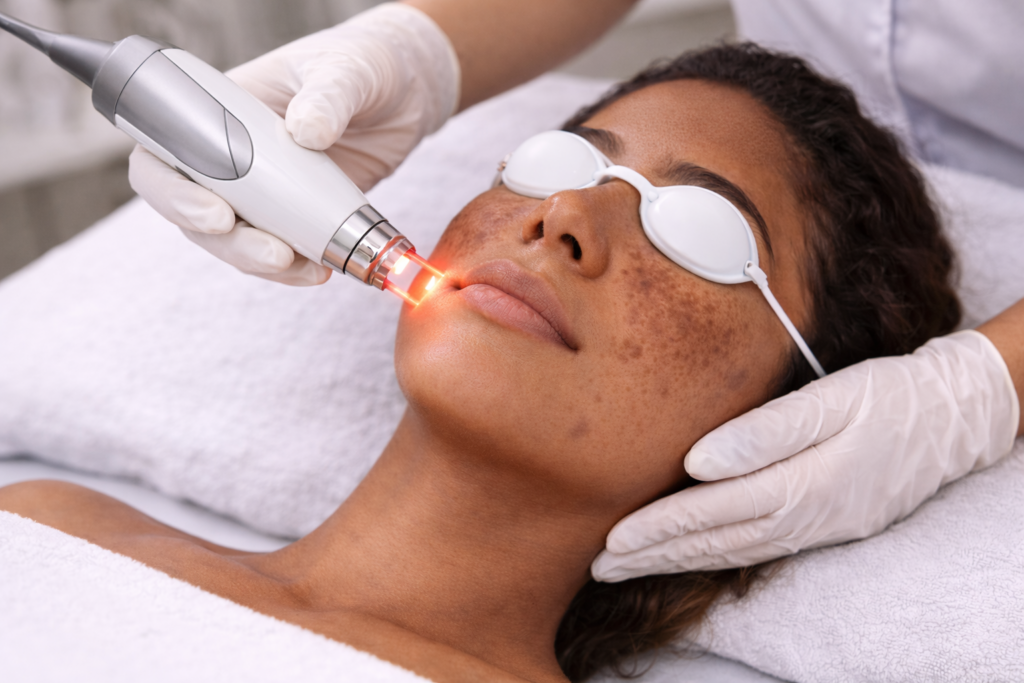
Melasma requires patience, expertise, and a long-term mindset. While laser and light therapy may support improvement, they are not universal solutions and must be used thoughtfully within a comprehensive treatment plan.
At BluePoint Medical Spa, melasma care emphasizes medical oversight, individualized planning, and realistic expectations. By combining conservative laser options, topical therapy, sun protection, and lifestyle guidance, patients may achieve meaningful, sustainable improvement over time.
Schedule a consultation with BluePoint Medical Spa to explore personalized melasma treatment options and receive expert guidance tailored to your skin’s unique needs.