How Long Does Pigmentation Take to Fade After Laser Treatment?
December 30, 2025

Aging skin tells a story. Over time, sun exposure, environmental stressors, hormonal changes, and gradual collagen loss can contribute to fine lines, deep wrinkles, uneven skin tone, acne scars, and skin laxity. This comprehensive guide breaks down the science, experience, and practical considerations behind CO2 vs Erbium laser resurfacing, helping you understand how each treatment works, who may benefit most, and how a medically supervised consultation supports safer, more personalized outcomes.
At BluePoint Medical Spa, patients frequently ask how to choose between CO2 laser resurfacing and Erbium laser resurfacing when exploring advanced anti-aging solutions. Both treatments are widely used in cosmetic dermatology, yet they differ significantly in depth, recovery, and suitability for specific skin concerns.
This guide is for adults considering advanced anti-aging skin treatments who want to clearly understand the differences between CO2 and Erbium laser resurfacing. Choosing the right laser treatment matters because it can influence not only visible results but also recovery time, comfort, and long-term skin health.
Laser skin resurfacing is a category of dermatological treatments designed to improve skin texture, tone, and firmness by targeting damaged skin layers. These treatments use laser energy to remove or heat precise areas of the skin, stimulating the body’s natural healing process and encouraging collagen production.
Unlike topical skincare, laser resurfacing addresses concerns at deeper levels of the skin. This makes it commonly chosen for wrinkle reduction, acne scars, sun damage, uneven texture, and skin laxity when surface treatments alone are not enough.
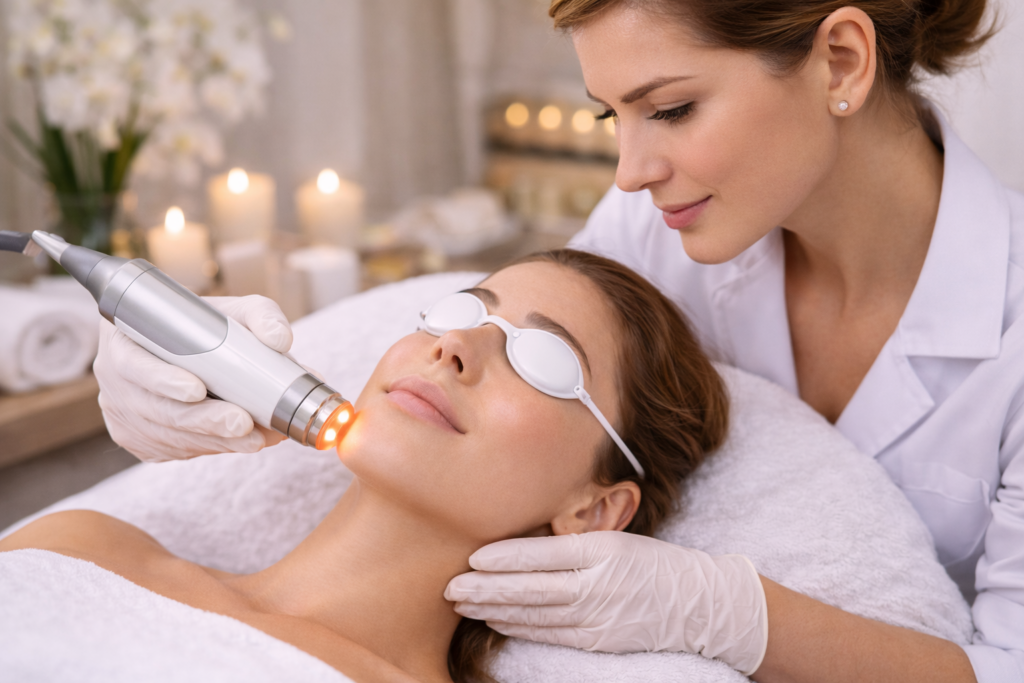
Laser treatments work by delivering light energy to the skin. This energy is absorbed by water in skin cells, creating controlled thermal damage that triggers regeneration. The depth of penetration, amount of heat, and precision of ablation vary depending on the laser technology used.
Some lasers penetrate deeper layers and cause more extensive thermal effects. Others focus on precise ablation with minimal heat damage, leaving surrounding tissue intact. These differences play a significant role in downtime, healing, and suitability for different skin tones.
CO2 laser resurfacing is a form of ablative laser skin resurfacing that uses a carbon dioxide laser operating at a wavelength of 10,600 nanometers (nm). This wavelength is strongly absorbed by water in skin cells, allowing the laser energy to penetrate deeper into the dermis and interact with both surface and structural layers of the skin.
Because CO2 lasers deliver heat deeper into the skin, they are commonly used to remove damaged outer skin layers while also producing controlled thermal effects in deeper tissue. This process is often used to support collagen stimulation as part of the skin’s natural healing response.
CO2 laser resurfacing is typically considered for more advanced skin concerns, such as deep wrinkles, significant sun damage, pitted acne scars, and pronounced skin laxity. Treatment selection depends on skin type, skin tone, and recovery tolerance, which is why medical evaluation is essential.
During CO2 laser resurfacing, the laser removes damaged surface skin cells while delivering heat to the deeper layers of the skin. This process initiates the body’s natural healing response, encouraging gradual replacement of damaged tissue with new skin cells over time. The resurfacing effect is not immediate; improvement typically unfolds as the skin heals and remodels.
The thermal energy delivered to deeper layers may help stimulate collagen production, a protein essential for skin strength and elasticity. As collagen remodeling occurs, some patients experience improvements in wrinkle depth, uneven texture, and overall skin firmness, though outcomes vary and develop progressively rather than instantly.
Because CO2 laser resurfacing reaches deeper skin layers, it also involves more intensive recovery considerations. Redness, swelling, and peeling are common parts of the healing process, and recovery timelines differ between individuals. Understanding this balance between potential benefits and recovery demands is an important part of setting realistic expectations before treatment.
Modern CO2 laser systems frequently use fractional technology, which treats the skin in thousands of microscopic columns rather than resurfacing the entire area at once. These targeted zones of treatment are surrounded by untreated skin, often referred to as leaving the surrounding tissue intact, which plays a key role in the healing process.
By preserving areas of healthy skin between treatment zones, fractional CO2 laser resurfacing may allow for faster healing and reduced overall downtime compared to older, fully ablative CO2 techniques. The untreated skin helps support cellular regeneration and may lower the likelihood of prolonged recovery when protocols are properly followed.
Fractional CO2 treatments are widely used in medical spa settings under licensed provider supervision because they balance collagen stimulation with a more controlled approach to resurfacing. Even so, treatment intensity, recovery experience, and results vary based on individual skin characteristics, reinforcing the importance of personalized treatment planning and professional oversight.
Because CO2 laser resurfacing creates extensive thermal damage compared to more superficial treatments, recovery may involve prolonged redness, swelling, and peeling. Some patients experience weeks of visible healing and gradual improvement over several months.
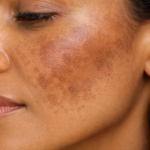
There is also a higher risk of post-inflammatory hyperpigmentation, particularly for darker skin tones, if treatment settings are not carefully adjusted. This highlights the importance of medical oversight and skin type assessment before proceeding.
Erbium laser resurfacing uses an erbium: YAG laser operating at a wavelength of 2,940 nanometers (nm). This wavelength is absorbed by water even more efficiently than CO2 lasers, allowing for very precise surface ablation with significantly less heat diffusion into surrounding tissue.
Because erbium lasers concentrate their effect in the outermost skin layers, they are often chosen for patients seeking refinement of fine lines, uneven texture, and superficial sun damage while minimizing thermal injury to deeper skin structures.
This precision makes erbium laser resurfacing a common option for patients who prefer shorter recovery periods, have sensitive skin, or are addressing early signs of aging rather than deeper structural concerns.
Erbium laser resurfacing focuses primarily on the outermost layers of the skin. By minimizing heat spread, it supports faster re-epithelialization, meaning the skin heals more quickly after treatment.
This approach may be particularly appealing for individuals with sensitive skin, those concerned about extended downtime, or patients with lighter skin types who want refinement rather than aggressive correction.
Fractional erbium laser resurfacing treats the skin in micro-columns, similar to fractional CO2 technology, but with minimal thermal damage. This technique allows for collagen stimulation while preserving surrounding skin.
Fractional erbium treatments are commonly used for uneven texture, fine wrinkles, and early signs of aging, especially when patients prefer a shorter recovery period.
Recovery from erbium laser resurfacing is generally shorter. Redness and peeling may last days rather than weeks, and many patients return to daily activities sooner with proper aftercare.
That said, sun protection and adherence to post-treatment guidance remain essential to reduce the risk of pigmentation changes and delayed healing.
CO2 laser resurfacing and erbium laser resurfacing address different skin concerns. CO2 lasers may support deeper wrinkle reduction and skin tightening, while erbium lasers focus on surface refinement with shorter recovery. A consultation helps determine the best option for your skin.
Erbium laser resurfacing generally involves minimal downtime compared to CO2 laser resurfacing. Recovery time varies based on treatment intensity and individual healing response.
Laser resurfacing can be performed on darker skin tones with caution and proper medical oversight. Certain lasers and settings may reduce the risk of pigmentation changes, making professional assessment essential.
When comparing CO2 vs erbium laser resurfacing, the question is not which treatment delivers better anti-aging results universally—but which aligns best with your skin, goals, and lifestyle. CO2 lasers may support deeper correction, while erbium lasers offer precision with reduced downtime.
A personalized consultation ensures that safety, skin type, and long-term skin health guide every decision. With expert evaluation and medically supervised care, laser resurfacing can become a valuable part of a thoughtful anti-aging strategy.
Ready to explore your options? Schedule a personalized consultation at BluePoint Medical Spa to discuss laser resurfacing, skin rejuvenation, and a treatment plan tailored to your unique needs.