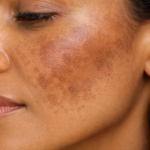
If you’re searching for the best facial for hyperpigmentation and want to know what professionals recommend for dark spots, this guide is for you. This guide is for anyone struggling with dark spots, uneven skin tone, or persistent hyperpigmentation who wants to understand professional recommendations for effective facial treatments.
Hyperpigmentation is one of the most common—and frustrating—skin concerns treated in a medical spa setting. Dark spots, uneven tone, and lingering discoloration can develop slowly and often persist despite diligent at-home care. For many patients, the challenge is not just finding a facial, but identifying the best facial for hyperpigmentation based on skin tone, skin type, and the underlying cause of pigment changes.
At BluePoint Medical Spa, facial treatments for hyperpigmentation are approached as part of a broader skin health strategy, not a one-size-fits-all service. Professional guidance matters because pigment behaves differently across darker skin tones, sensitive skin, acne-prone skin, and mature skin. Understanding what professionals actually recommend—and why—can help patients make safer, more effective decisions.
This guide explores how hyperpigmentation forms, why professional treatments often outperform over-the-counter products, and which facials are commonly recommended for treating dark spots, post-inflammatory hyperpigmentation, and sun damage. Throughout, the focus remains realistic, medically grounded, and centered on individualized care.
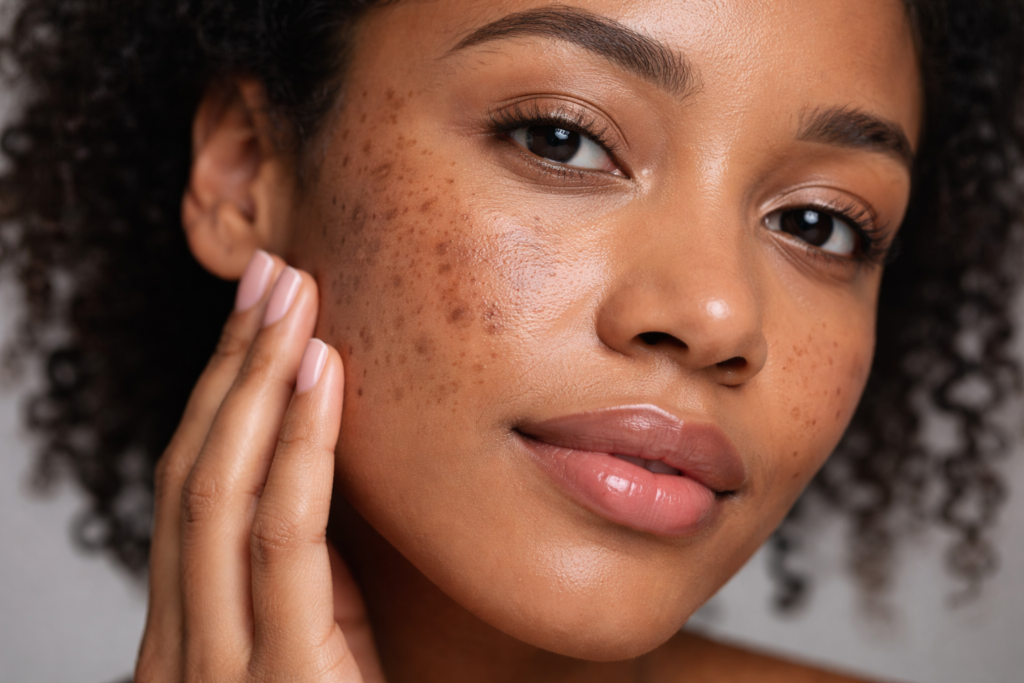
Understanding Hyperpigmentation and Why It Develops
Hyperpigmentation is caused by excess melanin production in the skin. Hyperpigmentation occurs when the skin produces excess melanin in response to internal or external triggers. Melanin is essential for protecting the skin from UV exposure, but when production becomes uneven, dark spots and patches can appear.
Sun exposure remains one of the most common contributors. UV light and visible light, including blue light from screens, stimulate melanocytes and can worsen existing pigment. Hormonal changes, certain medications, inflammation, and acne lesions can also trigger melanin overproduction.
In darker skin tones, melanin cells are naturally more active. While this offers some protection against UV damage, it also increases the likelihood of post-inflammatory hyperpigmentation (PIH) following acne, irritation, or aggressive treatments.
Identifying the specific type of hyperpigmentation is important for selecting the appropriate treatment. Understanding the root cause of pigmentation is essential before choosing any facial treatment. What works well for sun damage may not be appropriate for hormonal pigmentation or acne-related discoloration.
Why Professional Facials Matter for Treating Dark Spots
Professional facials differ from spa facials or at-home routines in both depth and customization. Medical-grade treatments are selected based on skin tone, skin tolerance, and pigment depth, not just surface appearance.
Licensed providers can evaluate whether pigmentation sits in the epidermis, dermis, or both layers. This distinction influences whether chemical exfoliation, laser therapy, or combination treatment is most appropriate.
Professional oversight also reduces the risk of rebound pigmentation, which can occur when treatments are too aggressive or poorly matched to the patient’s skin type. This is especially important for sensitive skin and dark skin, where improper care may worsen discoloration.
Rather than promising instant results, medical professionals focus on gradual improvement, barrier support, and long-term pigment control.
Chemical Peels for Hyperpigmentation
Chemical peels remain one of the most commonly recommended professional treatments for hyperpigmentation. When properly selected, peels can help fade dark spots, improve texture, and support more even melanin distribution.
Glycolic Acid Peels and Uneven Tone (glycolic acid peel + brightening)
Glycolic acid is an alpha-hydroxy acid derived from sugar cane. Its small molecular size allows it to penetrate efficiently, making it useful for surface-level hyperpigmentation, sun damage, and dull skin.
Professionals often use glycolic acid peels in controlled concentrations, allowing exfoliation without excessive irritation. Over a series of treatments, patients may notice brighter skin and more even tone, particularly when sun exposure is well managed.
Lactic Acid Peels for Sensitive Skin (lactic acid + skin tolerance)
Lactic acid is gentler than glycolic acid and often preferred for patients with sensitive skin or darker skin tones. It exfoliates while supporting hydration, making it a common choice for those prone to irritation.
This type of peel may be recommended for early hyperpigmentation or as part of a maintenance plan following more intensive treatments.
Salicylic Acid and Acne-Related Pigmentation (salicylic acid + acne scars)
Salicylic acid is oil-soluble and penetrates pores effectively. It is frequently used for both acne and post-inflammatory hyperpigmentation, particularly in oily skin types.
When professionally applied, salicylic acid peels may help reduce active breakouts while gradually fading acne-related dark spots.
Advanced Peels for Stubborn Pigment
For deeper or more stubborn discoloration, professionals may consider trichloroacetic acid (TCA) peels in low to moderate strengths. These peels penetrate more deeply and require careful patient selection.
TCA peels are not appropriate for everyone. Skin tone, healing response, and previous pigmentation history must be carefully evaluated to reduce the risk of post-treatment hyperpigmentation.
When used thoughtfully, these peels may support significant improvement in tone and texture over time.
Laser Treatments for Hyperpigmentation: When Technology Is Considered
Laser therapy can be an effective option for certain types of hyperpigmentation, but it is not universally appropriate. Professional evaluation is essential, particularly for darker skin tones where the risk of PIH is higher.
Laser Therapy and Melanin Targeting
Lasers work by delivering energy that targets pigment clusters. The goal is to break up excess melanin so the body can gradually clear it.
Settings must be carefully adjusted to avoid overheating surrounding tissue. For this reason, multiple sessions are often recommended rather than aggressive single treatments.
Intense Pulsed Light and Why Caution Is Needed
Intense pulsed light (IPL) uses broad-spectrum light rather than a single wavelength. While commonly used for sun damage and age spots, IPL carries a higher risk of triggering pigment changes in darker skin.
IPL is typically avoided or used with extreme caution under medical supervision when treating hyperpigmentation, particularly PIH.
Hydrafacial and Brightening Facials: Supportive, Not Curative
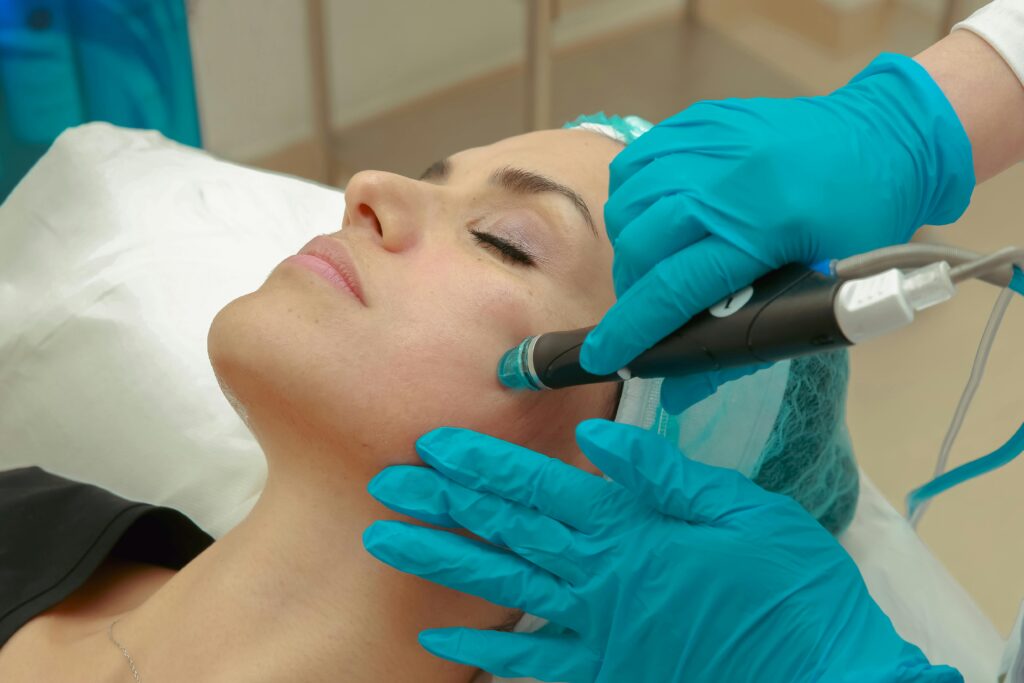
Hydrafacial treatments are often chosen for their ability to cleanse, exfoliate, and hydrate without aggressive irritation. While not designed to remove deep pigment, they can support overall skin clarity.
Brightening serums containing ingredients like vitamin C, lactic acid, and antioxidants may help improve surface tone and enhance the appearance of radiance when used consistently.
These facials are often incorporated into a maintenance plan, particularly for patients prone to irritation or undergoing other pigment-focused treatments.
Topical Treatments Used Alongside Professional Facials
Professional facials are rarely used alone. Most treatment plans include topical therapy to support results and reduce recurrence.
Ingredients commonly recommended include:
- Azelaic acid
- Kojic acid
- Tranexamic acid
- Vitamin C (L-ascorbic acid)
- Hydroquinone cream (under medical supervision)
These products work by interrupting melanin production pathways and supporting more even pigment distribution over time.
Why Skin Tone and Skin Type Shape Treatment Decisions
Skin tone and skin type significantly influence how pigmentation responds to treatment. Darker skin tones require more conservative energy settings, slower progression, and strong barrier protection.
Oily skin, sensitive skin, and acne-prone skin each respond differently to exfoliation and laser energy. Professional assessment ensures treatments are chosen with safety and long-term skin health in mind.
What Do Professionals Recommend for Hyperpigmentation?
Professionals recommend a combination of in-office treatments and at-home care for the most effective management of dark spots and hyperpigmentation. The most effective facials and treatments include:
- Chemical Peels: Chemical peels are a mainstay for reducing hyperpigmentation by exfoliating the top layer of skin and encouraging cell turnover. Options like glycolic acid, lactic acid, and trichloroacetic acid (TCA) peels are selected based on skin type and pigment depth.
- Laser Therapy: Laser treatments, including fractional, Q-switched, and picosecond lasers (such as PicoSure and PicoWay), use focused light to break down melanin and stimulate collagen. These are especially effective for deeper or stubborn pigmentation, but require careful selection for darker skin tones.
- Microdermabrasion: This in-office procedure treats superficial hyperpigmentation by gently exfoliating the epidermis, making it suitable for mild discoloration.
- HydraFacials: HydraFacials use a multi-step process to cleanse, exfoliate, and infuse the skin with brightening agents. They can be customized with boosters for immediate radiance and are often used for maintenance and overall skin clarity.
- Microneedling: Microneedling uses fine needles to stimulate collagen production and break up pigment, improving both skin texture and tone.
- Combination with At-Home Care and Sun Protection: Professional treatments are most effective when paired with a consistent at-home skincare routine that includes brightening agents (such as Vitamin C and Niacinamide) and daily sun protection. Photoprotection is crucial to prevent further darkening and maintain results.
- Personalized Approach and Consultation: A personalized treatment plan, developed in consultation with a skincare professional, ensures that therapies are tailored to individual skin types, pigment depth, and goals. Regular follow-ups help adjust treatments as needed.
- Consistency and Series of Treatments: Achieving and maintaining results requires a structured series of treatments and consistent application of recommended products. Gradual improvement is expected, and patience is key for long-term success.
FAQ
What is the best facial for hyperpigmentation?
The best facial depends on skin tone, pigment depth, and skin sensitivity. Chemical peels, brightening facials, and certain laser treatments may be used individually or in combination under professional guidance.
Are chemical peels safe for darker skin tones?
Some chemical peels are commonly used for darker skin tones when properly selected and applied. Professional evaluation helps reduce the risk of post-inflammatory hyperpigmentation.
How many treatments are usually needed to see improvement?
Most patients require multiple sessions spaced over time. Gradual improvement is common, and results vary based on skin type and adherence to aftercare.
Conclusion
Hyperpigmentation can be complex, but it is manageable with the right professional guidance. The best facial for hyperpigmentation is not defined by trend or intensity, but by personalization, safety, and consistency.
Professional facials, when combined with appropriate topical care and sun protection, may help reduce the appearance of dark spots and support a more even-toned complexion over time. Results vary, and patience is essential, but a thoughtful plan can make a meaningful difference.
If you are concerned about dark spots, uneven tone, or post-inflammatory hyperpigmentation, consider scheduling a consultation at BluePoint Medical Spa. A licensed provider can help you explore treatment options aligned with your skin type, goals, and long-term skin health.