When you invest in professional spa treatments, your results don’t depend on the procedure alone. What you do at home—before and after your appointments—plays a critical role in supporting skin health, maintaining results, and protecting your overall well-being. A thoughtfully designed skincare routine can help reinforce in-office care while respecting your skin’s natural balance.
At BluePoint Medical Spa, skincare guidance is approached as an extension of aesthetic care, not an afterthought. Whether you’re receiving facials, chemical peels, or other advanced services, understanding how to align daily skincare with professional treatments can help you move toward healthy skin in a more informed and sustainable way.
Why Your Skincare Routine Matters After Professional Spa Treatments
Supporting skin health beyond the treatment room
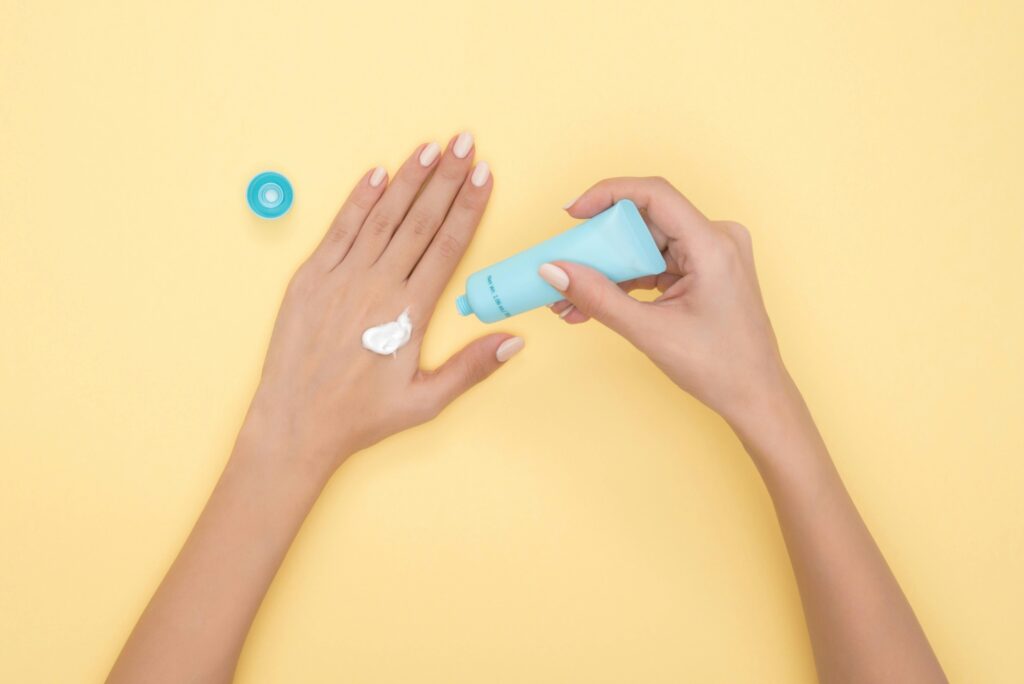
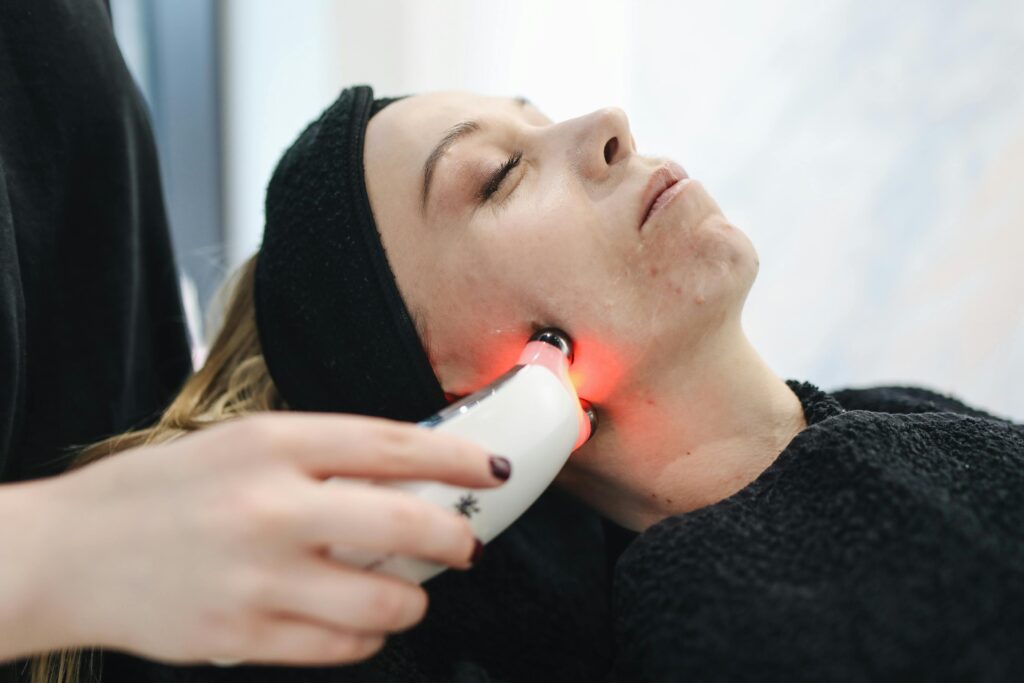
Professional treatments often stimulate processes such as cell turnover or collagen production, which means your skin may be more responsive—and sometimes more sensitive—afterward. A consistent, regular skincare routine helps protect these changes while minimizing unnecessary irritation.
Without appropriate care, certain products or habits may irritate freshly treated skin, especially after exfoliating or resurfacing procedures. This is why skincare routines should be adjusted based on the treatments you receive and how your skin responds.
When home care and spa services work together, patients often find it easier to maintain comfort, balance, and confidence in their skin between visits.
Understanding Your Skin Type Before Building a Routine
Why skin type influences every skincare decision
Before choosing products or steps, it’s important to understand your skin type. Whether you have dry skin, oily skin, combination skin, normal skin, or sensitive skin, your routine should be built around those characteristics.
For example, excess oil and clogged pores may require different cleansing approaches than dryness or tightness. Sensitive skin may benefit from products with soothing properties and fewer active ingredients.
Professional guidance can help clarify your skin type, especially if treatments or environmental factors have caused changes over time.
Cleansing Gently to Protect the Skin Barrier
The foundation of clean skin and comfort
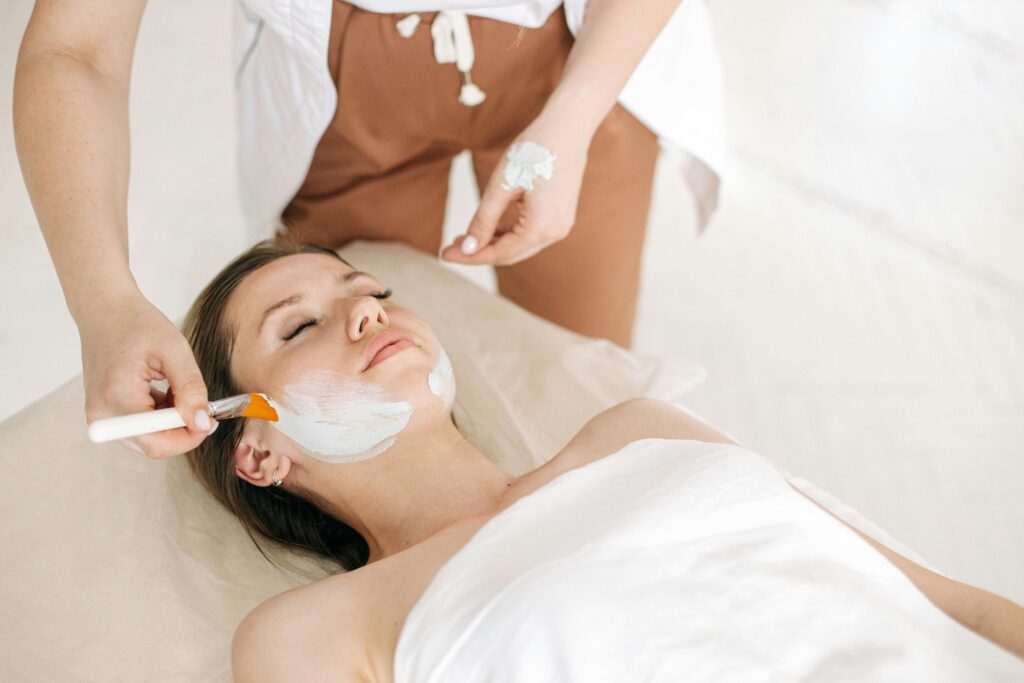
Cleansing is one of the most essential steps in any care routine, particularly after spa treatments. Using lukewarm water rather than hot water helps protect the skin barrier, which can be more vulnerable during recovery periods.
Some skin types respond well to a water-based cleanser, while others may prefer an oil-based cleanser to remove sunscreen, makeup, and impurities without over-drying. The goal is clean skin without stripping away natural oils.
Gentle cleansing supports comfort and prepares the skin for hydration and targeted products.
Hydration as a Daily Priority for Skin Renewal
Hydration is essential for maintaining radiant skin, especially after treatments that encourage skin renewal. Products like hydrating serums and moisturizers help support the skin’s natural repair processes.
Ingredients such as hyaluronic acid are commonly used to attract and retain moisture, which may improve the appearance of fine lines and dryness. Hydration also supports overall skin comfort during recovery time.
Internal hydration matters too. Drinking plenty of water supports the body’s natural functions, which can indirectly benefit skin appearance and overall well-being.
Using Active Ingredients Thoughtfully After Treatments
Active ingredients can be beneficial, but they should be introduced carefully after spa procedures. Ingredients such as vitamin C, vitamin C serums, alpha hydroxy acids, and beta hydroxy acids may support brightness or texture when used appropriately.
After treatments like light peels or facials, your provider may recommend pausing chemical exfoliants until the skin is fully healed. This helps reduce the risk of irritation or sensitivity.
Understanding when to use—or temporarily avoid—certain actives is a key part of safe post treatment care.
Morning Skincare Routine and Daily Sun Protection
A consistent morning routine helps shield the skin from environmental stressors such as pollution and UV rays. After spa treatments, sun protection becomes even more important.
Using a broad-spectrum sunscreen or broad-spectrum SPF helps reduce the effects of sun exposure, which can contribute to sun damage, dark spots, and premature aging. Daily sun protection also plays a role in reducing long-term risks such as skin cancer.
Applying sunscreen as the final step in the morning routine supports both aesthetic results and long-term skin health.
Nighttime Skincare and Skin Repair
Nighttime is when the skin naturally focuses on repair. A calming evening routine may include a gentle cleanser, hydrating products, and a night cream designed to support moisture and comfort.
Some patients use face masks or sheet masks occasionally to enhance hydration, especially after treatments. These steps can contribute to a spa-like experience at home without overwhelming the skin.
A consistent nighttime routine supports recovery and prepares the skin for future treatments.
Adjusting Your Routine After Specific Spa Treatments
Different spa treatments may require temporary changes to your skincare routine. For example, after chemical peels, providers often recommend minimizing exfoliation and focusing on hydration.
Injectable treatments such as dermal fillers may involve guidance on avoiding pressure, heat, or certain products for a short period. These recommendations are designed to support comfort and healing.
Following personalized instructions helps reduce unnecessary irritation and supports lasting results.
Managing Sensitive or Freshly Treated Skin
After treatments, the skin may be temporarily more reactive. Using fewer products and focusing on gentle hydration can help protect freshly treated skin.
Avoiding harsh exfoliants, strong fragrances, or overly complex routines during recovery supports comfort. Providers may suggest waiting until the skin has stabilized before reintroducing certain products.
Listening to your skin’s signals is just as important as following written instructions.

Long-Term Skincare Habits That Complement Spa Treatments
Consistency supports natural beauty
A regular skincare routine practiced consistently over time often provides more benefit than frequent product changes. Simple, well-chosen steps can support natural beauty and skin balance.
Habits such as avoiding excessive sun exposure, managing stress, and prioritizing hydration contribute to skin resilience. These lifestyle factors are often discussed alongside treatment plans at a medical spa.
Skincare is not only about appearance—it’s part of supporting confidence and well-being.
When to Reevaluate Your Skincare Routine
Skin can change due to age, treatments, climate, or hormonal shifts. Periodic check-ins with professionals help ensure your routine still aligns with your needs.
If you notice persistent dryness, breakouts, or irritation, it may be time to adjust products or steps. Professional input can help identify whether changes are treatment-related or environmental.
Reevaluation keeps your routine responsive and supportive rather than static.
FAQ
How soon can I resume my regular skincare routine after spa treatments?
Timing varies depending on the treatment. Some procedures require temporary adjustments. Your provider will give guidance based on your specific service and skin response.
Can skincare products interfere with professional treatments?
Yes, certain active ingredients may increase sensitivity if used too soon. Professional recommendations help reduce irritation and support recovery.
Is sunscreen necessary even if I don’t go outside much?
Yes, UV rays can reach the skin through windows and during brief exposure. Daily broad-spectrum sunscreen supports skin protection year-round.
Conclusion
Creating a skincare routine that supports your spa treatments is about balance, consistency, and informed choices. By understanding your skin type, using gentle cleansing and hydration, protecting against sun exposure, and adjusting care after procedures, you help reinforce the benefits of professional treatments.
Skincare routines are highly individual, and results can vary depending on skin type, treatments received, and lifestyle factors. Some products or treatments may not be suitable for everyone, which is why professional guidance matters.
If you’re ready to align your at-home skincare with your in-office treatments, schedule a consultation with BluePoint Medical Spa. Their licensed professionals can help you create a personalized plan that supports skin health, confidence, and long-term care.