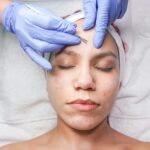
The Hidden Role of Dermaplaning in Achieving Smooth, Flawless Skin
December 12, 2025

As concerns about aging skin, fine lines, and uneven skin texture become more noticeable, many people turn to anti-aging facials hoping for visible improvement without invasive procedures. The appeal is understandable: facials are widely available, feel nurturing, and are often framed as essential for maintaining youthful-looking skin. Yet patients frequently feel unsure about which treatments truly support skin health versus those that offer only a temporary instant glow.
Much of this confusion stems from how broadly anti-aging facials are marketed. Some focus on relaxation and surface hydration, while others are designed to influence deeper biological processes like collagen production, cell turnover, and overall skin quality. Without understanding these differences, patients may struggle to align expectations with realistic outcomes.
This article explains anti-aging facials: what actually works and what doesn’t, offering clarity grounded in professional skincare principles. The goal is not to discourage facials, but to help patients choose options that genuinely support long-term skin health.
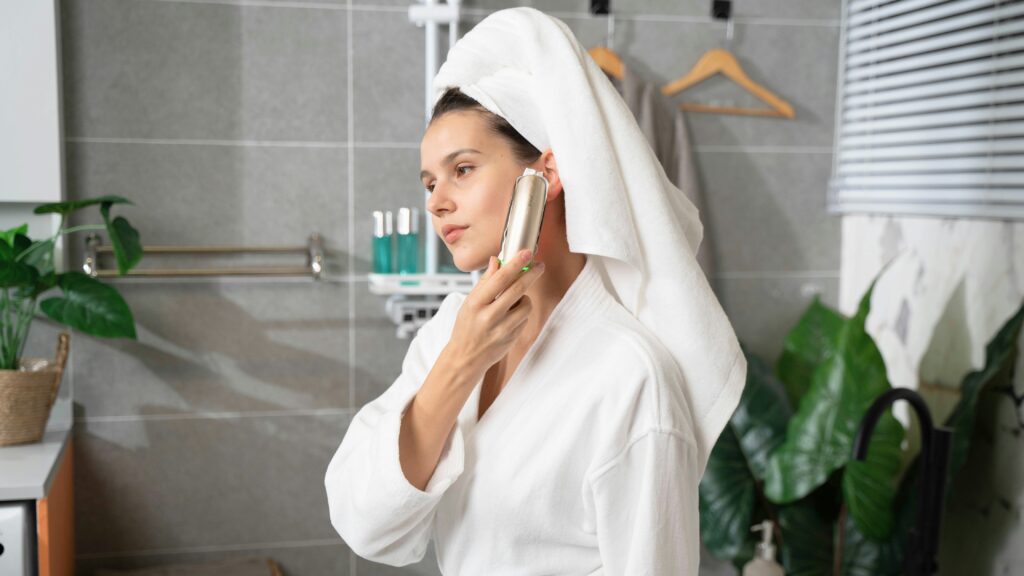
Skin aging is a gradual process influenced by genetics, lifestyle, and environmental factors such as sun exposure. Over time, the skin’s ability to renew itself slows, leading to a buildup of dead skin cells, reduced elasticity, and visible fine lines and wrinkles.
At a deeper level, declining collagen synthesis and weakened elastin fibers affect firmness and resilience. These changes influence how the skin responds to treatments, making some facials more effective than others depending on depth and mechanism.
Understanding how skin ages helps patients make informed decisions. Treatments that support internal processes tend to offer more meaningful improvements than those working only at the surface.
The term anti-aging is often used loosely across spa treatments, covering everything from basic cleansing to advanced energy-based therapies. This broad use can blur the line between maintenance care and treatments designed to influence structural aging.
Some facials aim to refresh the skin by improving hydration or circulation, while others focus on collagen stimulation or improving skin elasticity. Both have value, but they serve different purposes and timelines.
Recognizing these distinctions allows patients to choose treatments aligned with their goals, whether that is immediate comfort, improved tone, or gradual rejuvenation.
Facials that exfoliate dead skin cells can significantly improve brightness and smoother texture by clearing surface buildup. By encouraging cell turnover, these treatments help reveal healthier-looking skin underneath.
Exfoliation may also help reduce the appearance of clogged pores and uneven texture, particularly for patients dealing with dullness or congestion. This can support a more radiant glow when done correctly.
However, excessive exfoliation can weaken the skin’s barrier, especially in those with sensitive skin. Professional oversight ensures exfoliation supports healthy skin rather than irritating it.

Chemical peels are often used to address concerns like uneven skin tone, mild acne scars, and early signs of skin aging. By removing layers of damaged skin, peels can promote renewal and a smoother appearance.
When appropriately selected, chemical peels may support collagen production and help improve skin texture over time. This makes them a valuable option for patients seeking visible change rather than temporary refreshment.
However, chemical peels are not suitable for every skin type and require careful consideration of depth, recovery, and aftercare. They are most effective when part of a professionally guided plan.
Hydrating facials focus on restoring moisture to dry skin or dehydrated skin, often using ingredients like hyaluronic acid to attract water into the skin. This provides a noticeable hydration boost and short-term plumping effect.
These facials can improve comfort, reduce tightness, and enhance skin hydration, contributing to a healthy glow. For many patients, this immediate improvement feels rewarding and calming.
However, hydration alone does not significantly influence collagen production or reverse deeper signs of aging. Hydrating facials are best viewed as supportive care rather than comprehensive anti-aging solutions.
Facial massage and lymphatic drainage techniques are commonly included in professional facials to promote relaxation and circulation. These methods may temporarily reduce puffiness and enhance facial contours.
Improved lymphatic flow can help the skin appear refreshed, especially after stress or poor sleep. Many patients value the soothing experience and subtle aesthetic benefits.
While massage supports well-being, it does not meaningfully stimulate collagen synthesis or reverse skin aging. Its benefits are primarily short-term and experiential.
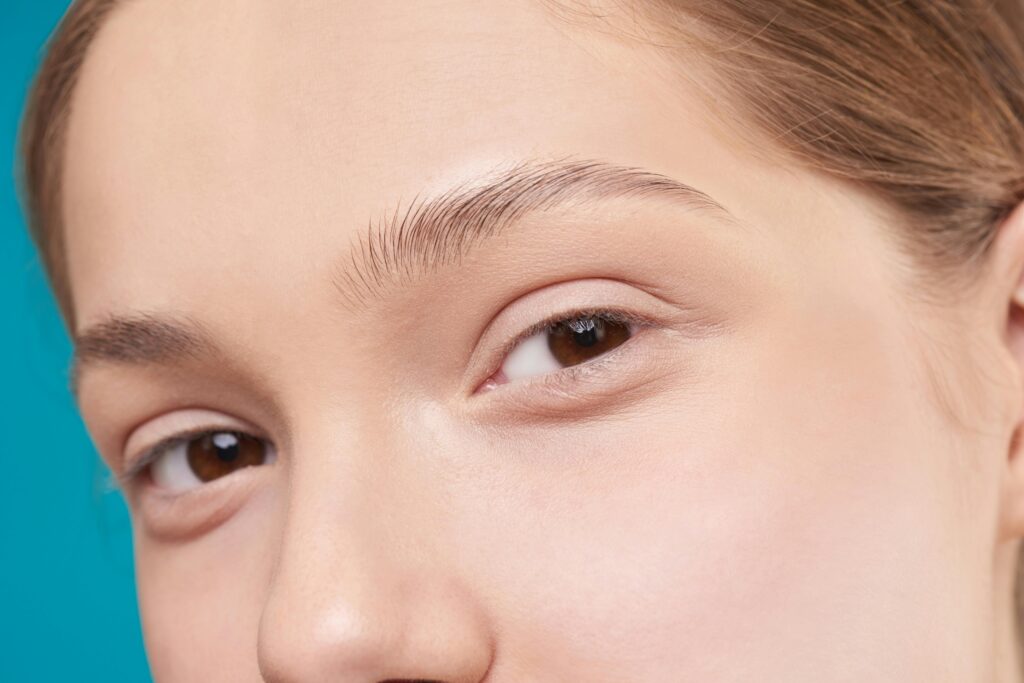
LED light therapy is increasingly incorporated into anti-aging treatments to support cellular function. Certain wavelengths of light are believed to influence skin cells, potentially supporting collagen stimulation and repair processes.
With consistent use, some patients notice gradual improvements in skin tone, redness, and overall skin health. This makes light therapy a useful complement to other treatments.
Results vary by individual and require multiple sessions. LED therapy works best as part of a broader anti-aging skincare strategy rather than as a standalone solution.
Radio frequency therapy uses controlled energy to gently heat deeper skin layers, which may encourage collagen synthesis and support skin tightening over time. This approach is often explored for mild to moderate sagging skin.
Patients typically experience gradual changes rather than immediate results, as collagen remodeling takes time. This makes patience and consistency important.
Radio frequency treatments emphasize long-term skin quality and firmness rather than quick fixes, aligning well with realistic anti-aging goals.
Some professional facials incorporate growth factors, vitamin C, or other advanced ingredients intended to support skin healing and renewal. When delivered effectively, these components may help boost collagen production.
These ingredients can support resilience, brightness, and overall skin health, especially when used in controlled professional settings. They may contribute to a more youthful glow over time.
Effectiveness depends on formulation, penetration, and individual response. Not all topical products reach the depth required to influence structural aging.
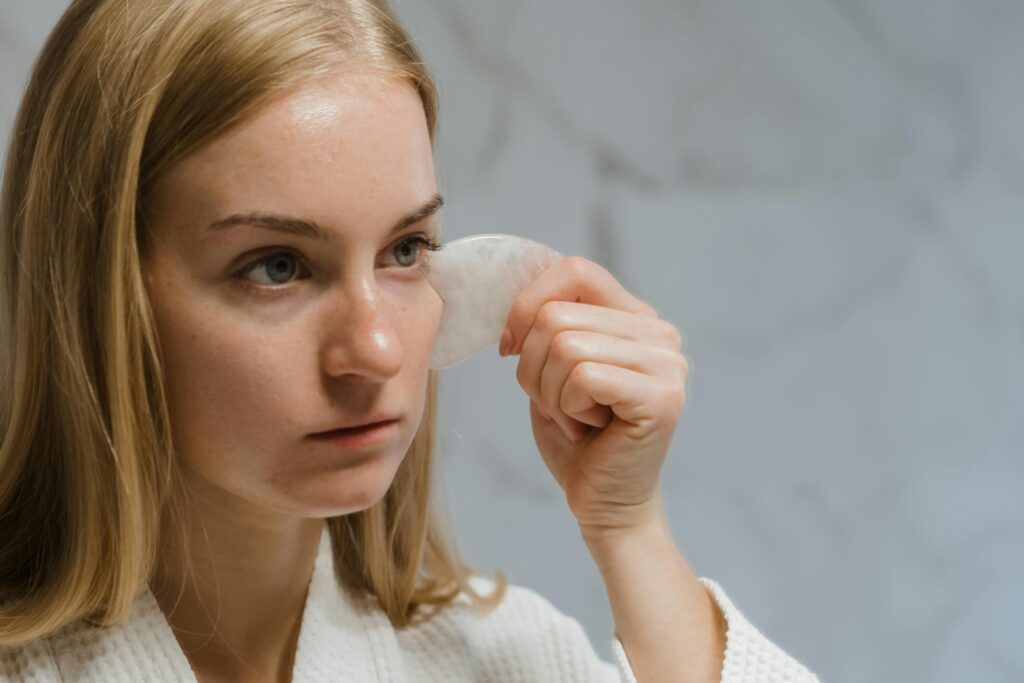
A professional facial offers more than relaxation—it provides expert assessment and tailored care. Licensed providers evaluate skin type, concerns, and goals to recommend appropriate treatments.
Professional treatments are often integrated into modern skincare plans that include at-home routines and lifestyle guidance. This continuity supports long-term skin health.
Patients benefit most when facials are consistent and professionally guided rather than occasional or trend-driven.
Some facials promise dramatic results without addressing underlying biology. Treatments that rely solely on surface effects often deliver an instant glow that fades quickly.
Without supporting collagen production, cell turnover, or barrier function, these facials do little to influence lasting change. Marketing language can sometimes overstate what is realistically achievable.
Understanding these limitations helps patients avoid disappointment and focus on treatments that align with evidence-based skincare.
No single facial is the best anti-aging facial for everyone. Factors such as sensitive skin, uneven tone, sun damage, or premature aging influence treatment selection.
Personalized care reduces the risk of irritation and improves outcomes. A tailored approach ensures treatments support the skin rather than overwhelm it.
Professional consultation is essential to match treatments with individual needs and expectations.
Even advanced professional treatments depend on healthy lifestyle choices for sustained results. Habits like consistent sun protection, balanced nutrition, and adequate sleep play a critical role.
Ongoing sun exposure can accelerate aging and undermine treatment benefits. Supporting the skin daily helps preserve improvements achieved through facials.
Recognizing this connection encourages a holistic approach to anti-aging care.
Anti-aging facials can support improved skin texture, hydration, and tone when selected thoughtfully. Many are non-invasive and fit easily into daily routines.
However, results vary based on consistency, skin biology, and treatment choice. Understanding these factors supports informed decision-making.
A balanced approach prioritizes safety, realism, and gradual improvement over exaggerated promises.
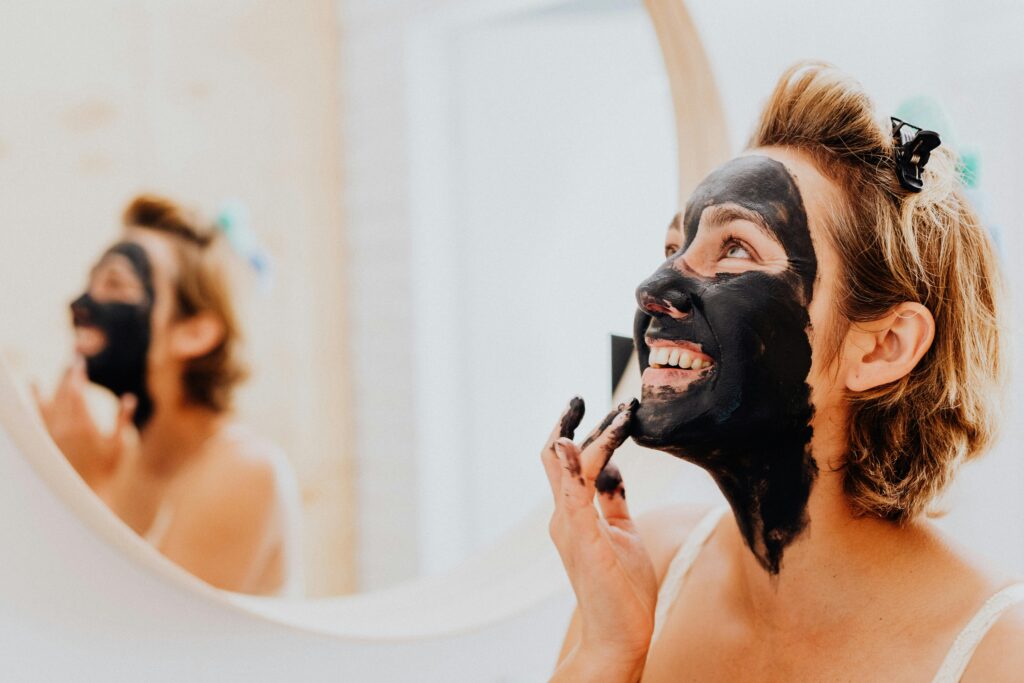
Some treatments may help reduce wrinkles gradually by supporting collagen, but results are subtle and vary by individual.
Certain facials can be adapted for sensitive skin, but professional evaluation is important to avoid irritation.
Frequency depends on skin type, treatment type, and goals. A provider can recommend an appropriate schedule.
Understanding anti-aging facials: what actually works and what doesn’t allows patients to move beyond trends and make confident skincare decisions. Treatments that support collagen production, cell turnover, and overall skin health tend to offer more meaningful benefits than surface-level solutions.
Results vary from person to person, and professional guidance remains essential. A personalized approach helps align expectations with realistic outcomes and supports sustained skin wellness.
If you are considering anti-aging facials, scheduling a consultation with BluePoint Medical Spa can help you explore professional options tailored to your skin, goals, and lifestyle.