How Long Does It Take to See Results from Laser Treatments?
January 13, 2026

Questions about whether laser skin treatments are safe for all skin types are among the most common concerns patients bring to medical spas. This uncertainty is understandable. Skin tones, textures, and sensitivities vary widely, and many people worry about risks such as irritation, pigmentation changes, or uneven results—especially those with darker skin tones or specific skin conditions.
At BluePoint Medical Spa, safety conversations are central to every laser treatment decision. Modern laser technology has evolved significantly, allowing providers to address a wide range of skin concerns with greater precision and control. Still, safety depends on thoughtful evaluation, proper settings, and professional oversight—not assumptions or trends.
This article offers essential insights into how laser skin treatments work across different skin types, what factors influence safety, and how patients can make informed decisions rooted in education rather than fear or hype.
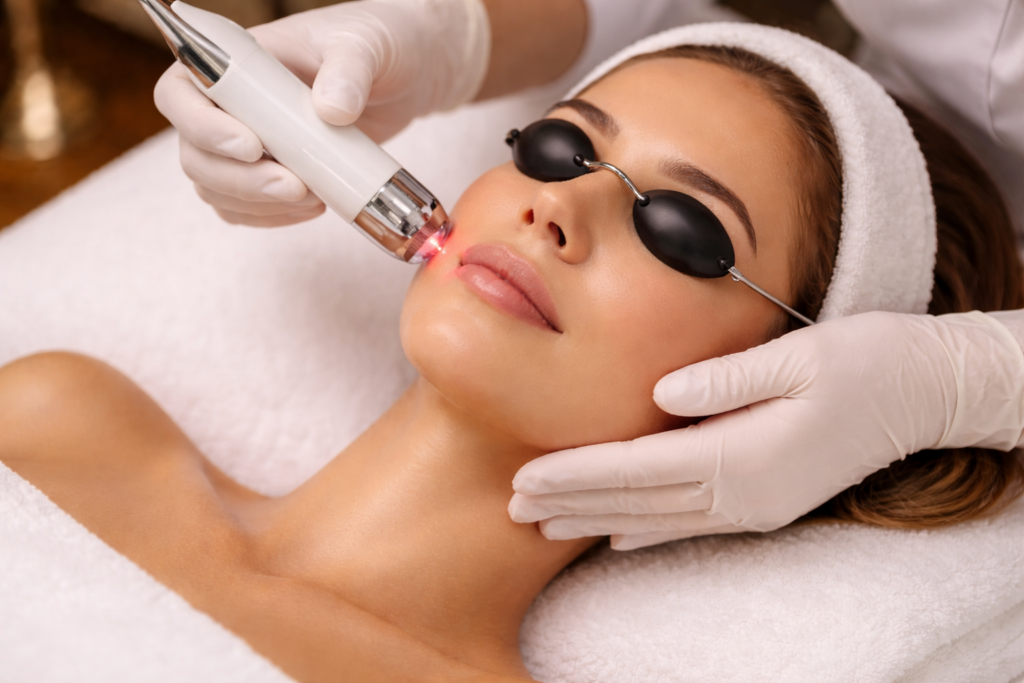
Skin type influences how laser energy interacts with the skin, affecting both safety and outcomes. Different skin tones contain varying levels of melanin, the pigment that absorbs light energy. Because lasers rely on targeted light or heat, understanding how each skin responds is critical for minimizing risk to the surrounding skin.
For patients, this means that laser skin treatments safe for one individual may require different settings or approaches for another. A treatment plan that ignores skin type can increase the likelihood of irritation, uneven skin tone, or delayed healing time. This is why professional assessment is a foundational step, not an optional one.
Recognizing the role of skin type helps patients understand why customization matters and why reputable providers avoid one-size-fits-all laser therapy approaches.
Laser skin treatments work by delivering controlled energy to specific targets such as hair follicles, blood vessels, pigmented lesions, or dead skin cells. The goal is to treat the concern while preserving healthy surrounding skin. Advanced devices allow practitioners to adjust wavelength, depth, and intensity based on individual skin concerns.
For patients, this precision supports safer treatment experiences and more predictable outcomes. Proper targeting helps reduce the risk of unintended effects such as burns or discoloration, particularly in patients with darker skin tones or sensitive skin.
Understanding this mechanism reassures patients that safety is built into the technology—when used correctly.
Many laser skin treatments aim to stimulate collagen production, supporting skin rejuvenation, improved skin texture, and a more youthful appearance. This process relies on tissue remodeling, which unfolds gradually as the skin heals after treatment.
Because collagen production occurs beneath the surface, results are not instant. Patients may notice progressive improvements in skin tightening, fine lines, or acne scars over multiple sessions. This gradual response is normal and helps maintain skin integrity across various skin types.
Recognizing this timeline helps patients align expectations with how their skin naturally responds to treatment.
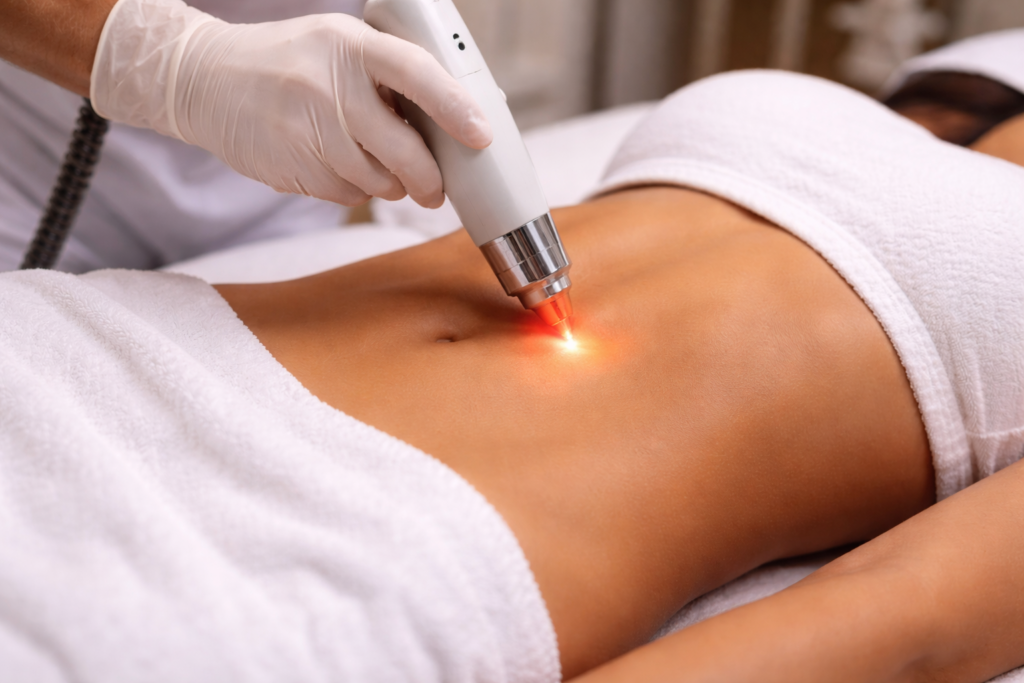
Patients with lighter skin tones have historically been considered ideal candidates for many laser skin treatments because lower melanin levels reduce the risk of pigment-related complications. Laser resurfacing, laser hair removal, and treatments for age spots or sun damage are commonly performed with favorable safety profiles when professionally guided.
That said, safety still depends on proper technique and post-treatment care. Even lighter skin tones can experience mild redness, sensitivity, or temporary changes in skin appearance if treatment depth or sun exposure is not managed appropriately.
For patients, this underscores that lighter skin does not eliminate the need for professional evaluation or adherence to skincare routines and sun protection.
Concerns about whether laser skin treatments are safe for dark skin are valid and historically rooted. Earlier laser systems posed higher risks for pigmentation changes because melanin absorbs more laser energy. However, advanced technology now allows for safer treatment of darker skin tones using longer wavelengths and controlled energy delivery.
These innovations help protect surrounding skin while effectively addressing concerns such as unwanted hair, acne scars, or vascular lesions. Still, experience and training are essential, as improper settings can increase risk.
Patients with dark skin benefit from choosing providers who understand how laser therapy interacts with higher melanin levels.
Not all skin concerns respond the same way across darker skin tones. Treating vascular lesions, spider veins, or pigmented lesions requires careful planning to avoid post-inflammatory hyperpigmentation. A personalized treatment plan considers skin conditions, treatment goals, and healing capacity.
This approach allows many patients with darker skin tones to safely pursue laser skin treatments while minimizing complications. Education and communication between patient and provider remain central to safety.
Understanding this individualized process helps patients feel more confident in exploring laser options responsibly.

Laser skin treatments are used to address a broad range of skin issues, including uneven skin tone, acne scars, fine lines, stretch marks, sagging skin, and unwanted hair. Each concern requires a different treatment depth and approach, influencing safety and effectiveness.
For example, laser skin resurfacing focuses on removing dead skin cells and encouraging new skin growth, while laser hair removal targets hair follicles beneath the surface. These differences highlight why treatment selection matters for patient safety.
Patients benefit from understanding how their specific skin concerns align with different laser treatments before committing to a plan.
Laser hair removal is one of the most popular treatments offered at medical spas. Safety depends on matching the laser technology to the patient’s skin tone and hair characteristics. Newer devices allow for effective treatment across various skin types, including darker skin tones, when used correctly.
Patients should expect a gradual reduction in future hair growth rather than immediate removal. Multiple sessions are typically required to achieve visible results while maintaining patient safety.
This realistic understanding helps patients approach laser hair removal as a process rather than a single-event solution.
Professional oversight is one of the most important factors in ensuring laser skin treatments have safe outcomes. Licensed providers evaluate skin conditions, review medical history, and determine appropriate settings before treatment begins. This reduces risks associated with improper use or unsuitable treatment selection.
For patients, this oversight provides reassurance that safety protocols are in place and that decisions are guided by clinical knowledge rather than convenience.
Choosing a reputable medical spa supports safer experiences and informed care.
After treatment, monitoring the healing time and skin response is essential. Mild redness or sensitivity may occur, but providers track these responses to determine whether adjustments are needed in future sessions.
This follow-up ensures that treatments remain aligned with patient safety and long-term skin health. Patients who feel supported throughout the process are better equipped to recognize normal healing versus concerns that require attention.
Ongoing communication strengthens trust and outcomes.
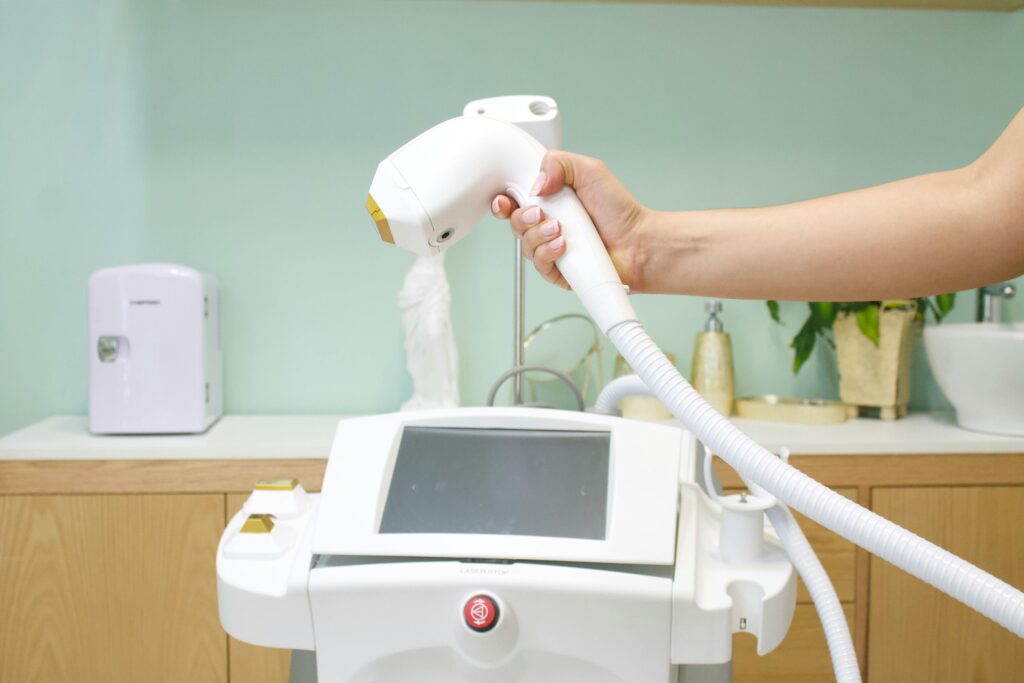
Sun exposure plays a significant role in laser treatment safety. UV exposure can increase the risk of pigmentation changes and interfere with tissue remodeling. Patients are often advised to limit sun exposure and follow specific skincare routines before and after treatment.
Using appropriate active ingredients and avoiding harsh products during the healing time supports skin recovery. This collaboration between professional care and at-home practices enhances safety across various skin types.
Patients who understand their role in post-treatment care are more likely to experience smoother recoveries.
Laser treatments are often compared to chemical peels, topical treatments, or minimally invasive options. While chemical peels may address surface-level skin problems, lasers can target deeper skin layers for concerns such as sagging skin or vascular lesions.
This depth requires greater precision and professional oversight, but also allows for more comprehensive skin rejuvenation. Patients weighing options benefit from understanding how each approach fits into their skincare routine and long-term goals.
Professional guidance helps align treatment choices with safety and expectations.
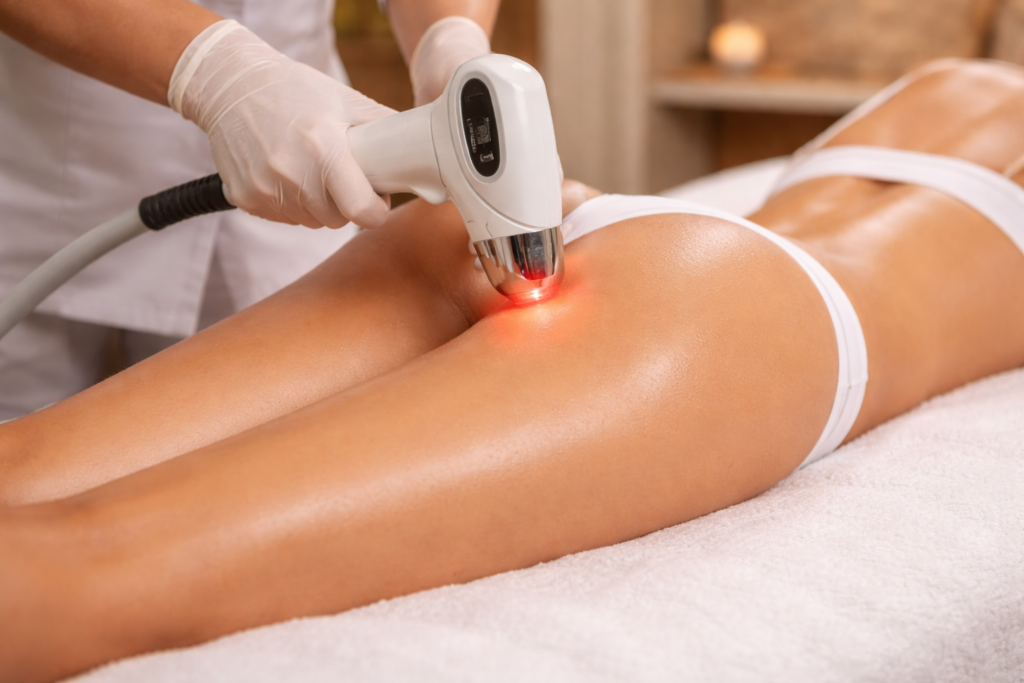
Many patients seek visible results from laser treatments, but outcomes vary based on skin type, condition severity, and adherence to care recommendations. Some improvements may be noticeable after initial sessions, while others develop gradually over multiple sessions.
Recognizing individual variability helps patients avoid unrealistic expectations and supports satisfaction with the process. Laser skin treatments are generally safe when approached thoughtfully, but patience remains an important part of the journey.
This understanding empowers patients to make informed, confident decisions.
Laser skin treatments are generally safe for many skin types when properly selected and performed under professional supervision, with settings tailored to individual skin characteristics.
Yes, advancements in laser technology allow many patients with darker skin tones to receive laser treatments safely when appropriate devices and techniques are used.
When performed correctly, laser treatments are designed to target specific concerns while protecting surrounding skin, minimizing unnecessary tissue impact.
Most patients require multiple sessions to achieve visible results, as laser treatments work gradually through collagen production and tissue remodeling.
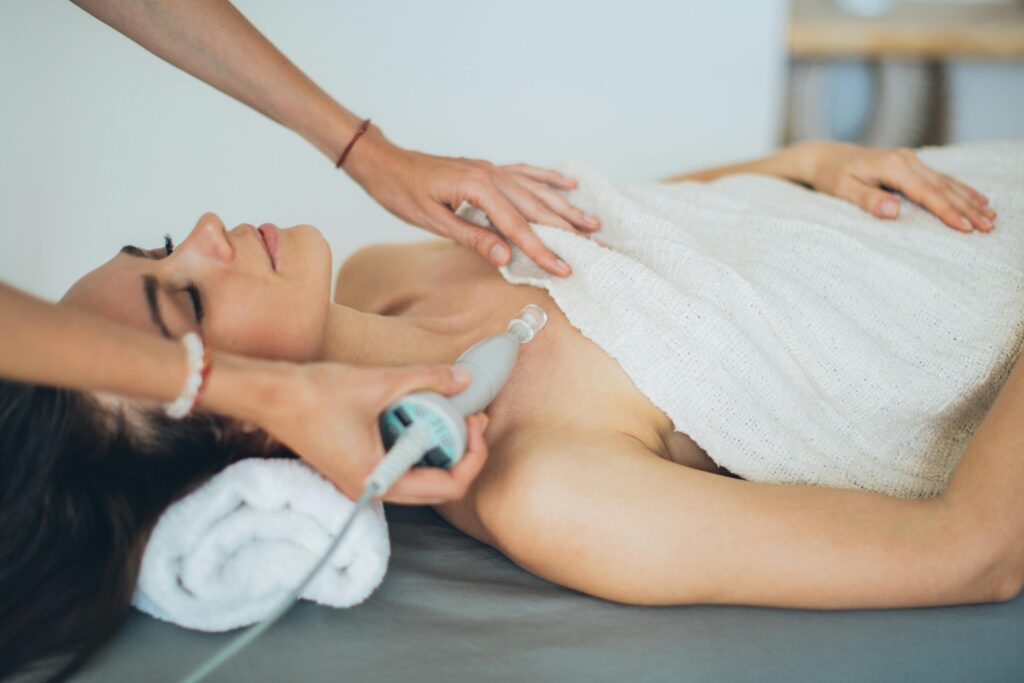
Laser skin treatments have become widely used options for addressing diverse skin concerns across many skin types. Advances in laser technology, combined with personalized treatment planning and professional oversight, allow many patients to pursue skin rejuvenation, hair removal, and resurfacing safely.
However, safety is never automatic. Individual skin tone, condition, sun exposure, and treatment depth all influence outcomes. A consultation with qualified professionals at BluePoint Medical Spa ensures that your treatment plan reflects your unique skin needs and long-term wellness goals.
If you are considering laser skin treatments, schedule a consultation to discuss your options, ask questions, and explore a personalized approach focused on patient safety and informed care.