Living with acne-prone skin can be frustrating, confusing, and emotionally draining. Many patients try multiple products or treatments, only to experience temporary improvements followed by new breakouts, redness, or irritation. This often leads to one critical question: what is the best facialfor acne-prone skin when safety, results, and skin health truly matter?
Facial treatments can play an important role in acne control, but not all facials are appropriate for every skin type. Acne-prone and sensitive skin types require careful selection to avoid disrupting the skin barrier or triggering inflammation. Professional guidance helps ensure treatments address clogged pores, acne-causing bacteria, and excess oil without overwhelming the skin.
This article explains which facial treatments are commonly recommended for acne-prone skin, how they work at a cellular level, and how patients can choose options that support clearer, healthier skin over time.
Understanding Acne-Prone Skin and Its Unique Needs
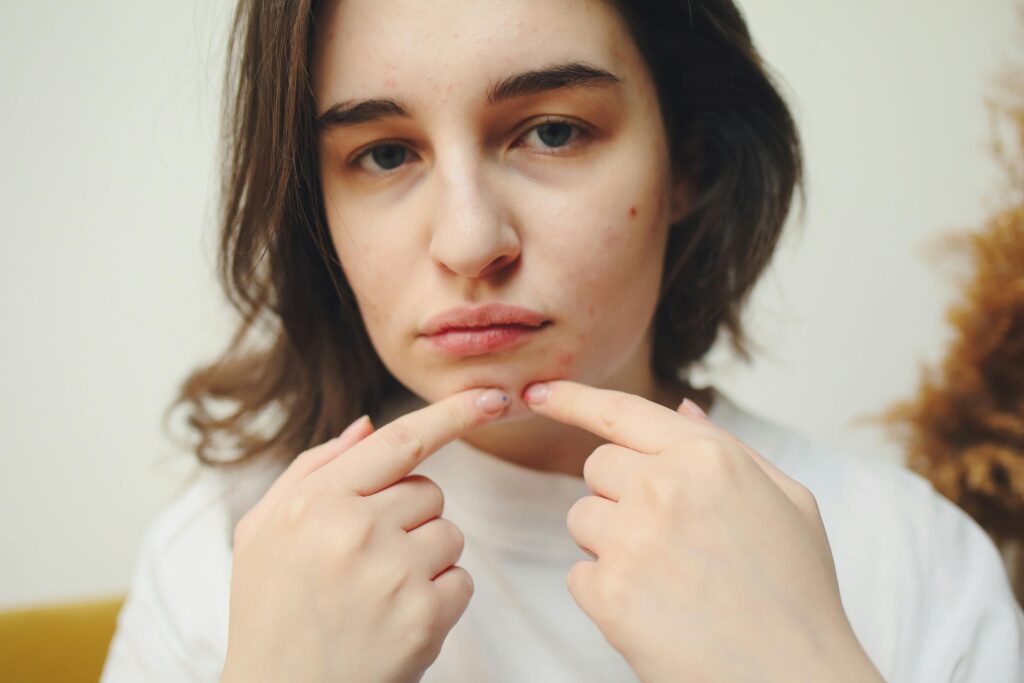
Acne-prone skin is often characterized by clogged pores, excess oil production, and sensitivity to irritation. These factors contribute to active acne, uneven texture, and lingering concerns such as dark spots or acne scars. Understanding these mechanisms is essential when selecting the best facial treatments.
Many patients assume aggressive treatments are necessary to “dry out” acne, but this approach can weaken the skin barrier. When the barrier is compromised, inflammation increases, and future breakouts may become more frequent. Maintaining balance is key to achieving optimal skin health.
Recognizing these unique skin needs allows patients to choose facials that support healing rather than intensifying the problem.
Why Not All Facials Are Ideal for Acne-Prone Skin
Some facial treatments focus heavily on exfoliation to remove dead skin cells and clear congestion. While exfoliation is important, excessive or harsh techniques can irritate acne-prone skin and increase redness or inflammation. This disruption can worsen breakouts instead of improving them.
Gentle exfoliation methods are often preferred, especially for sensitive skin types. These approaches help clear impurities while preserving the skin’s protective barrier. This balance supports better long-term acne control.
Patients benefit from understanding that more intensity does not always equal better results.
The Importance of Targeted, Acne-Safe Ingredients
Acne-prone skin responds best to facials that use carefully selected ingredients and techniques. Treatments that include calming agents, hydration support, and controlled exfoliation help manage inflammation while promoting healthy cell turnover.
Avoiding overly fragrant or aggressive products is particularly important for prone skin. Professional facials tailored to acne needs can reduce irritation and improve product absorption without overwhelming the skin.
This targeted approach supports clearer skin and more consistent visible results.
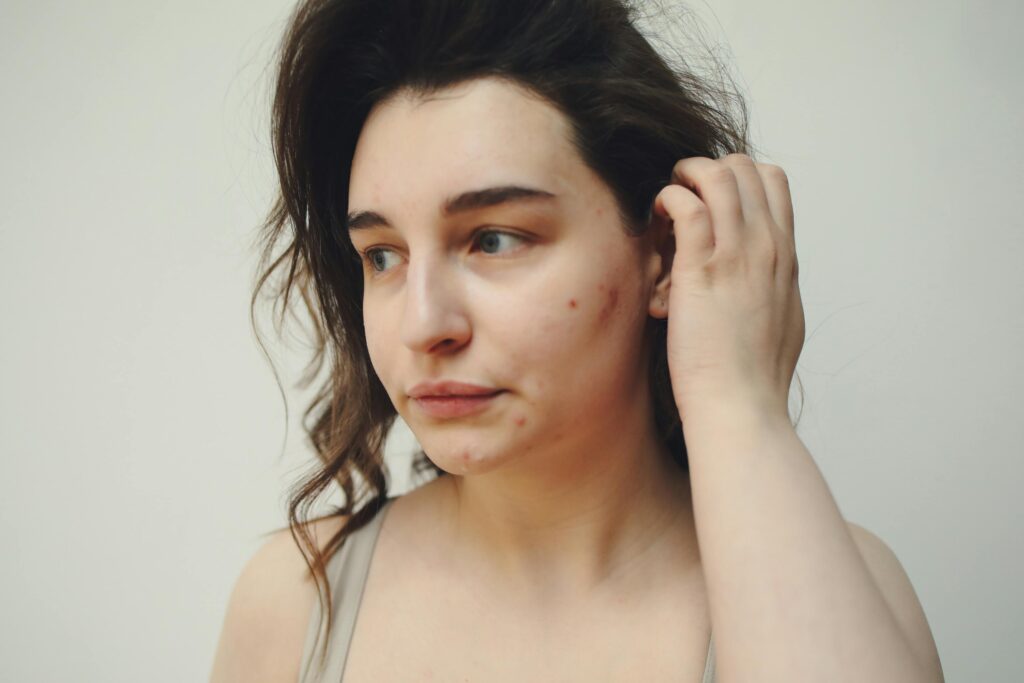
What Is the Best Facial for Acne-Prone Skin?
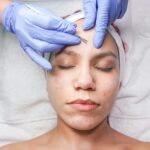
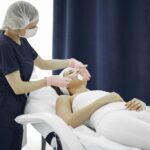
Deep cleansing facials are commonly recommended as a foundational facial for acne-prone skin. These treatments focus on clearing clogged pores, removing impurities, and reducing surface buildup that contributes to breakouts. Proper extraction techniques are performed carefully to avoid unnecessary trauma.
For patients, deep cleansing supports clearer pores and helps reduce congestion over time. When performed regularly and professionally, these facials can assist in acne control without compromising skin health.
This option is often considered the best facial for acne when breakouts are driven by congestion and oil imbalance.
Gentle Exfoliation and Enzyme-Based Treatments
Facials that use enzyme exfoliation or mild acids can help remove dead skin without the abrasion associated with harsh scrubs. These treatments encourage cell turnover and smoother skin texture while minimizing irritation.
Gentle exfoliation supports acne-prone skin by preventing pore blockage and improving tone. Patients often notice improvements in uneven texture and dullness with consistent treatments.
This method balances exfoliation and skin barrier protection effectively.
Chemical Peels and Acne-Prone Skin: When They Are Appropriate
Chemical peels are sometimes included in acne-focused facial treatments when appropriate for the skin type and condition. Mild to moderate peels can help reduce acne lesions, improve skin tone, and address post-acne pigmentation.
However, chemical peels are not suitable for every patient or every stage of acne. Active inflammation, sensitive skin, or compromised barriers may require alternative approaches. Professional assessment ensures peels are used safely and strategically.
Patients considering peels should view them as part of a broader skincare plan rather than a standalone solution.
Light Therapy and LED Light Therapy for Acne Control
How Light Therapy Targets Acne-Causing Bacteria
Light therapy, particularly blue and red wavelengths, is often incorporated into facials for acne-prone skin. Blue light targets acne-causing bacteria, while red light helps calm inflammation and support healing processes.
This non-invasive approach allows patients to address breakouts without additional irritation. Light therapy is generally well-tolerated and can complement other facial treatments effectively.
Understanding how light works helps patients appreciate its role in acne management rather than expecting instant clearance.
Supporting Healing and Reducing Inflammation
Red light and LED light therapy may also help reduce redness and support collagen production. This can be beneficial for patients with acne scars or uneven texture following breakouts.
When used consistently, light-based treatments support calmer skin and a more balanced appearance. They are often selected for patients who want gentle yet effective support.
This option fits well within holistic acne care strategies.

Hydration and Acne-Prone Skin: Why Moisture Still Matters
Many patients with acne-prone skin avoid hydration, fearing it will worsen breakouts. In reality, maintaining moisture balance is essential for skin health. Facials that include hyaluronic acid or lightweight hydration help replenish moisture without clogging pores.
Proper hydration supports the skin barrier, reducing irritation and helping prevent future breakouts. Dehydrated skin may actually produce more oil, increasing congestion.
Understanding hydration’s role helps patients embrace facials that nourish rather than strip the skin.
Addressing Hormonal Acne and Persistent Breakouts
Hormonal acne often requires a long-term, consistent approach rather than quick fixes. Facials alone may not resolve hormonal patterns, but they can support skin resilience and reduce inflammation.
Professional treatments tailored to hormonal fluctuations focus on calming techniques, gentle exfoliation, and maintaining balance. Over time, this approach supports clearer skin and improved texture.
Patients benefit from realistic expectations and a comprehensive care plan.
Laser Therapy and Advanced Options for Acne-Prone Skin
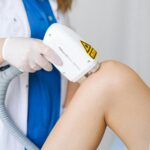
In some cases, laser therapy may be considered to address acne scars, pigmentation, or persistent inflammation. These treatments are typically performed under medical oversight and integrated carefully into acne management plans.
Laser options are not first-line facials for active acne but may support long-term improvements once breakouts are controlled. Professional evaluation determines suitability based on skin needs and goals.
This option highlights the importance of phased treatment planning.
The Role of Professional Guidance in Choosing the Best Facial
Selecting the best facial for acne-prone skin depends on skin type, sensitivity, and specific concerns. Licensed professionals assess skin conditions, active acne, and previous reactions before recommending treatments.
This personalized approach helps prevent irritation and supports sustainable results. Patients who work with experienced providers often experience better outcomes and fewer setbacks.
Professional oversight ensures facials align with both safety and long-term skin health.
Benefits and Considerations of Acne-Focused Facials
Acne-focused facial treatments may help reduce congestion, improve texture, and support radiant skin when performed consistently. However, results vary based on skin type, home care, and overall wellness factors such as stress.
Patients should view facials as part of an ongoing skincare routine rather than a one-time solution. Combining treatments with appropriate skincare supports clearer, healthier skin over time.
Understanding benefits and limitations empowers informed decision-making.
FAQ
What is the best facial for acne-prone skin?
The best facial typically includes deep cleansing, gentle exfoliation, and calming techniques tailored to your specific skin needs and sensitivity.
Can facials make acne worse?
Facials may worsen acne if they are too aggressive or not properly suited to your skin type. Professional assessment helps reduce this risk.
Are chemical peels safe for acne-prone skin?
Mild chemical peels may be appropriate for some patients, but suitability depends on active inflammation, sensitivity, and professional evaluation.
How often should acne-prone skin get a facial?
Frequency varies, but many patients benefit from facials every four to six weeks, adjusted based on skin response and treatment type.
Conclusion
The best facial for acne-prone skin is one that respects the skin barrier, targets congestion and inflammation, and aligns with individual skin needs. Deep cleansing, gentle exfoliation, light therapy, and hydration-focused facials are commonly chosen options when guided by professionals.
There is no universal solution for acne. Individual variability, hormonal factors, and sensitivity all influence outcomes. A consultation at BluePoint Medical Spa allows patients to explore facial treatments tailored to their skin, goals, and comfort level.
If you’re seeking clearer skin and professional guidance, schedule a consultation with BluePoint to discuss the most appropriate facial treatments for your acne-prone skin.