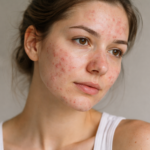
If you’re dealing with adult acne or recurring hormonal acne, it can feel especially frustrating because it’s often less predictable than teenage breakouts. One month, your skin is calm, and the next you’re managing tender bumps along the jawline, deeper acne lesions, or inflamed areas that linger longer than you expect. It’s common for patients to ask whether laser treatments can help—especially when they’ve already tried topical treatments, over-the-counter products, or multiple “standard” acne treatments without lasting relief.
At BluePoint Medical Spa, the goal is not to promise perfect skin. It’s to help you understand what lasers can realistically do for treating acne, how they interact with the biology behind breakouts—like sebaceous glands, oil glands, and inflammation—and how to build a plan that supports healthy skin over time. When the approach is personalized, laser and light therapy can be a meaningful option for some acne patterns, including stubborn adult and hormonal presentations.
Can Laser Treatments Help with Hormonal Acne or Adult Acne if I Still Have Active Acne?
Many people assume lasers are only for “after” acne—when you’re addressing acne scarring or uneven skin texture. In reality, some acne laser treatment options are designed to target factors that contribute to active acne, such as excess oil production, inflammatory signals, and the bacteria associated with acne. That’s why the question can laser treatments help with hormonal acne or adult acne is so common: patients want solutions that fit the present, not just the aftermath.
That said, lasers are not automatically the best next step for everyone with acne breakouts. The most important first question is what type of acne you have—mild acne, moderate acne, or severe acne—and whether you’re experiencing deeper, painful cystic acne. Those details help determine whether laser therapy is appropriate now, whether it should be combined with other care, or whether a medical route (like prescription therapies) needs to take priority for safety and control.
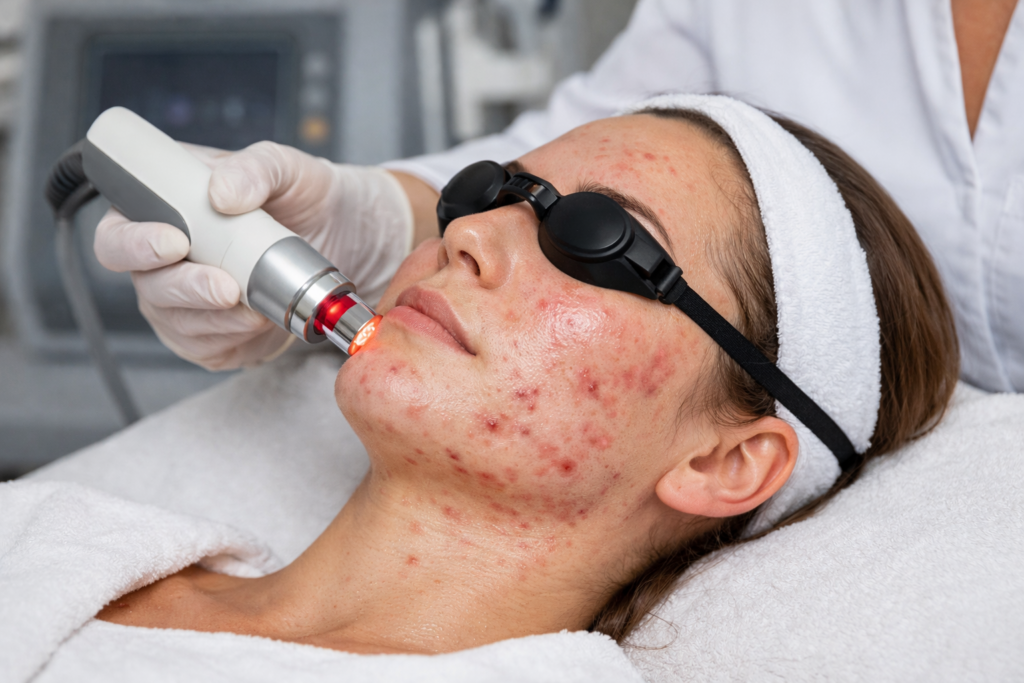
Why Does Hormonal Acne Keep Coming Back Even With Traditional Treatments?
With hormonal acne, the pattern is often tied to fluctuating hormones—sometimes including androgen activity (often described as male hormones, even in women) that can stimulate oil glands and lead to excess oil on the skin. When the skin produces more oil, it mixes with dead skin cells and can contribute to clogged pores, especially around the lower face. That environment can also support acne-related bacteria—often referred to as propionibacterium acnes (now commonly classified as Cutibacterium acnes), and sometimes discussed as acne-causing bacteria in patient-friendly terms.
Even the best traditional treatments can struggle if the underlying triggers remain active. Some patients cycle through benzoyl peroxide, salicylic acid, and different topical creams, only to find that the improvements are temporary. Understanding this is important because it explains why many patients consider combining approaches—using topical or medical therapy to stabilize breakouts while exploring laser-based options to reduce inflammation, improve texture, and support longer-term skin quality.
What If My Adult Acne Is Cystic or Severe Cases—Is Laser Therapy Still an Option?
When acne is deeper, more painful, or widespread—like persistent cystic acne or other severe cases—laser may still be part of care, but it usually isn’t the only tool. For some acne patients, the immediate goal is reducing inflammation and preventing ongoing tissue stress that can lead to damaged skin and more significant scarring. In these scenarios, clinicians may discuss combining procedures with medical management, such as oral medications, oral antibiotics, or other oral acne medications, depending on the person’s health history and acne type.
This is also where seeing the right clinician matters. A board-certified dermatologist or appropriately trained provider can help clarify whether laser is safe and useful for your acne stage, or whether it should be delayed until breakouts are better controlled. The goal is to protect the surrounding skin, avoid unnecessary irritation, and move toward calmer, more resilient skin—not to rush into a device-based solution that isn’t matched to the condition.
What Actually Causes Acne Vulgaris in Adults and Why Timing Matters
Most adult acne falls under the umbrella of acne vulgaris, but the “why” behind it can vary. Acne tends to form when the follicle opening becomes blocked by oil and dead skin cells, creating a plugged environment that can develop into comedones and inflamed lesions. Inflammation can deepen when bacteria multiply within the pore, and when the immune system reacts—leading to redness, swelling, tenderness, and lingering marks like post-inflammatory erythema.
Timing matters because treatments work differently depending on whether you’re addressing active acne (new lesions forming) or trying to repair the consequences (texture and scarring). A laser approach aimed at controlling oil and inflammation may be used differently than a resurfacing strategy meant for acne scarring or improving skin texture. Patients do best when the plan clearly matches their current acne stage.
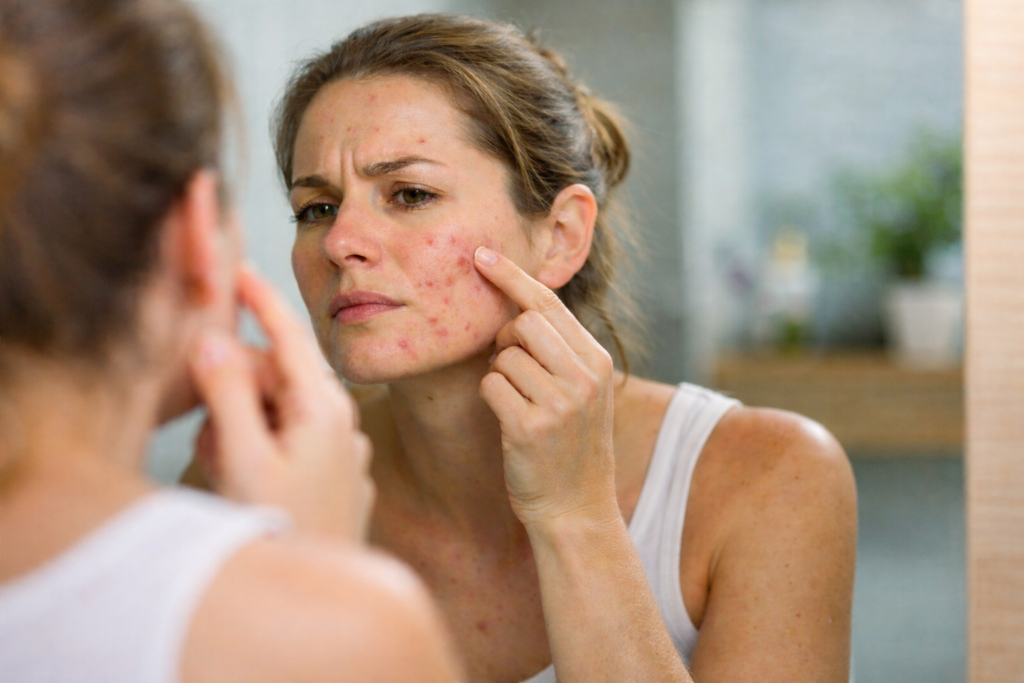
How Laser Technology and Light Therapy Interact With Oil Glands and Inflammation
Different laser technology and light therapy approaches target different acne drivers. Some devices focus on reducing inflammatory pathways, while others aim at the activity of sebaceous glands and oil glands that contribute to excess oil production. When oil production is reduced or inflammation calms down, it can become easier to maintain clearer pores with consistent skincare.
This is also why not every “laser” is the same. The term acne laser is often used online as a catch-all, but in practice, the choice of laser device and settings is highly individualized. Your provider considers acne severity, sensitivity, and how your skin responds to heat or light. That personalization is part of what keeps the approach patient-safe and realistic.
What Is Acne Laser Treatment vs Intense Pulsed Light or Blue Light Therapy?
Patients often hear about intense pulsed light (IPL) and assume it’s identical to a laser. IPL is not a single-wavelength laser, but it can still support acne care by addressing redness, inflammation, and certain bacteria-related pathways in the skin. For some patients, IPL can also improve uneven skin tone, especially if acne leaves persistent redness.
Blue light therapy and blue light treatments are often discussed for acne because blue wavelengths can target acne-associated bacteria at the skin’s surface. These approaches can be appealing because they’re generally less invasive than deeper procedures. However, they may be more helpful for certain acne patterns than others, and they don’t replace a full plan when acne is hormonal, cystic, or persistent.
When Laser Acne Treatments Make Sense for Adult Acne Patients
Laser-based options are typically most helpful when you’ve identified a pattern—like recurring jawline breakouts, inflammation that lingers, or acne that doesn’t fully respond to topical care alone. For many acne patients, laser is considered when breakouts are frequent enough to affect confidence and comfort, but not so uncontrolled that procedural irritation could worsen the situation. That balance matters because the goal is steady improvement, not cycles of flare-ups.
This is where a medically guided plan is essential. Your provider evaluates your skin history, whether you have current acne lesions, how reactive your skin is, and whether you’re at higher risk for pigment changes based on your skin type. LA lasercan be a supportive tool, but it should be chosen in a way that respects your biology and your real-life ability to recover between visits.
Does Skin Type Affect Laser Procedure Safety for Acne-Prone Skin?
Yes—skin types influence how energy-based devices behave and how your skin heals. People with more reactive or easily inflamed skin may need a gentler approach and longer spacing between treatment sessions and the next. Patients with higher melanin content may require careful settings to reduce the risk of unwanted pigment changes, especially if they experience lingering redness or hyperpigmentation after inflammation.
If you haveacne-pronee skin, you may also be using actives like acids or retinoids, which can affect sensitivity. A safe plan accounts for what you’re applying at home, how your barrier is functioning, and how your skin responds to heat, friction, or sun exposure. This is one reason a consultation matters more than a one-size-fits-all package.
How Photodynamic Therapy Fits Into Treating Acne
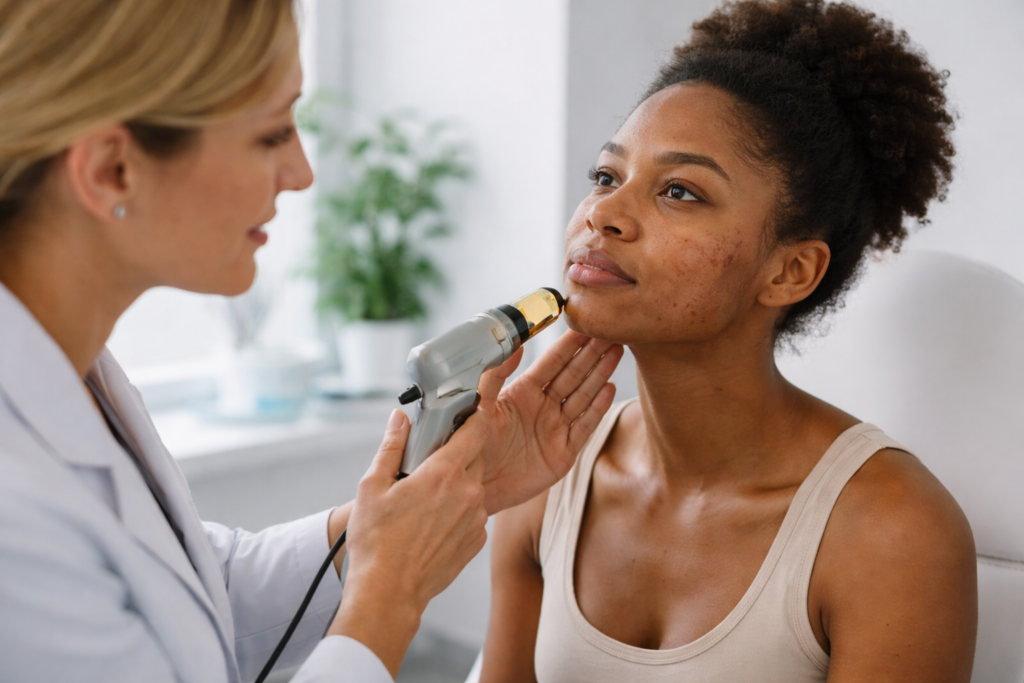
Photodynamic therapy is a specific approach that combines a photosensitizing agent with a light source to target oil activity and acne-related inflammation. For some patients with persistent adult acne, it may be considered when other approaches haven’t helped enough or when acne is driven by significant oil activity.
Because it can increase temporary sensitivity, it requires careful post-care and sun avoidance guidance. The right candidate selection matters, especially for those juggling work schedules and social commitments. The best outcomes occur when patients understand both the expected benefits and the real-life recovery considerations.
What Treatment Plan Could Include—Laser Therapy, Topicals, and Oral Medications
For many patients, the most effective strategy is not “laser versus everything else,” but laser integrated into a layered treatment plan. That plan may include consistent topical treatments, supportive skincare, and—when appropriate—prescriptions such as oral medications or oral antibiotics for short-term control. If you’ve used oral acne medications in the past, your provider may discuss whether procedural care can help reduce reliance over time or simply improve stability.
This approach matters because acne is multifactorial. Even if a procedure reduces oil activity, your pores can still clog if your routine doesn’t support exfoliation and barrier health. Likewise, strong medications without a maintenance plan can lead to a rebound cycle. A combined plan helps patients make progress while protecting comfort and long-term skin integrity.
What Is Aviclear Laser Treatment and Who Is Aviclear Treatments For?
Aviclear laser treatment is often discussed as a device-based option for acne that targets the sebaceous glands using specific laser wavelengths. The goal is to reduce oil activity in a controlled way, which may help decrease the frequency and intensity of breakouts for some patients dealing with adult or hormonal patterns.
Most protocols involve three treatments spaced over time, and patients may hear terms like third treatment and final treatment as milestones. It’s important to understand that response varies—some people notice changes earlier, while others need time after the series to see their skin settle. A provider will help you set realistic expectations and determine whether Aviclear treatments fit your acne type and skin sensitivity.
What Happens During an Acne Laser Treatment Session and How Long Does It Take?
A typical treatment session is designed to be manageable for real schedules. Many sessions can be completed within a few hours, including prep and post-care instructions, while the active device time may be shorter depending on the treatment area. Your provider will discuss comfort options and what to expect in the hours and days afterward.
Understanding the process matters because anxiety often comes from uncertainty. Patients want to know whether they can return to work, whether redness will be noticeable, and what skincare pauses are needed. Clear guidance—before the first session—helps you plan without stress and protects the skin barrier during a period of sensitivity.
Can Laser Acne Treatments Help With Acne Scarring and Improve Skin Texture Too?
Some laser approaches can support both active acne management and post-acne repair, but the strategy depends on what you’re treating first. If you still have frequent breakouts, the initial focus is often reducing inflammation and lesion formation, because new lesions can create new marks. Once breakouts stabilize, the plan may shift toward improving acne scarring, refining skin texture, and supporting smoother overall skin quality.
For some patients, improvements in texture are part of broader skin rejuvenation, especially if acne has led to uneven tone or visible roughness. In certain cases, the skin’s repair response can include increased collagen production, which may help soften shallow scar edges over time. The key is to time scar-focused work appropriately so you’re not constantly treating new inflammation.
What Results Are Realistic for Clearer Skin and Future Breakouts?
Patients often want two outcomes: clearer skin now and fewer future breakouts later. Laser and light-based approaches may help some people reduce the intensity of breakouts and calm the overall inflammatory cycle. For others, the benefit is more subtle—less redness, improved skin tone, and better tolerance to maintenance skincare.
It’s important to frame results as conditional. Acne is influenced by hormones, stress, skincare habits, and genetics, so no treatment can promise permanence. The most reliable path is a long-term plan: periodic assessment, maintenance skincare, and follow-up treatments when needed to keep the skin stable.
FAQ
Is Aviclear laser treatment better than topical treatments for hormonal acne?
Not necessarily—aviclear treatments may help some people by targeting oil gland activity, but topical care still matters for preventing clogged pores and managing inflammation. Many patients use both as part of a broader treatment plan. Your provider can explain what’s realistic for your acne pattern and skin sensitivity.
How many sessions do most patients need for laser acne treatments?
Protocols vary, but some options are structured as three treatments, with progress often evaluated after the third treatment or final treatment. Others require multiple treatments or follow-up treatments based on acne severity and maintenance needs. Your plan should be personalized to your skin’s response and your goals.
Can laser treatments also help with acne scarring and improve skin texture?
They may, especially once breakouts are controlled enough to prevent new scarring. Some laser approaches can support smoother skin texture, more even skin tone, and gradual improvements in shallow scars. Your provider will typically sequence treatments so active acne is addressed first, then texture and scar refinement.
Conclusion
If you’re asking, can laser treatments help with hormonal acne or adult acne? The most helpful next step is a personalized evaluation. Your acne pattern, skin sensitivity, and history with traditional treatments all influence which options are appropriate—whether that’s intense pulsed light, blue light therapy, photodynamic therapy, or a targeted option like Aviclear laser treatment.
Because individual results vary and every procedure has potential risks or contraindications, the safest path is a consultation that matches treatment intensity to your needs and your skin types. Schedule a consultation with BluePoint Medical Spa to review your acne history, discuss realistic outcomes, and build a step-by-step plan designed for long-term skin stability.