
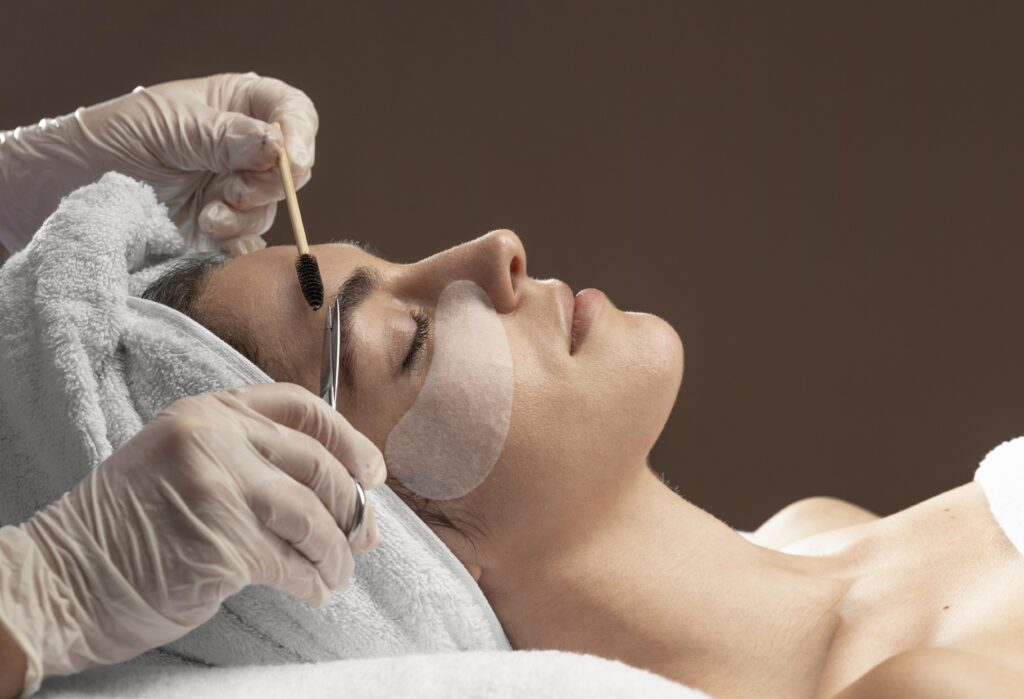
If you’re asking, “Can using the wrong skincare ruin my spa results?”, you’re not being dramatic—you’re being practical. Many people assume the treatment itself does all the work, but your at-home skin care in the days and weeks after can strongly influence comfort, glow, and how long your improvements in appearance seem to last. That’s especially true after procedures that deliberately change the outer layer of the skin or accelerate skin cell turnover, like chemical peels and other exfoliating treatment options.
At BluePoint Medical Spa, we see a common pattern: a patient feels great right after a visit, then introduces new skin care products or stacks multiple active ingredients, and suddenly the skin feels tight, overly dry, or reactive. It doesn’t mean your treatment “failed.” It often means your skin barrier needs different support, or the products are in the wrong order, too frequent, or too strong for your skin type right now.

Why Did My Skin Look Better, Then Worse a Few Days Later?
A frustrating shift after a spa visit can feel confusing—especially if you’re using “good” skincare products. But “good” isn’t universal. What supports skin hydration balance for one person may trigger irritation or dryness for another, particularly for sensitive skin or during recovery when the outer layer is temporarily more reactive.
It’s also common to blame different brands right away, but the bigger issue is often how formulas interact. Mixing products that push exfoliation, oil control, or acne treatment at the same time can overload the skin. The result can look like breakouts, rough texture, new redness, or an uneven skin tone—even when you intended to maintain optimal results.
What “Ruining Results” Usually Means in Real Life
When patients say results were “ruined,” they usually mean one of three things: visible inflammation, clogged texture, or uneven pigmentation changes like dark spots. Each of these can be influenced by product choice, frequency, and how well your routine supports the skin barrier while healing.
This is where language matters. Skincare doesn’t “undo” a professional procedure overnight, but it can create conditions that make improvements harder to see. For example, too many exfoliants can increase redness and increase sensitivity, making the skin look less calm and smooth. Or heavy, pore-clogging formulas can trap excess oil, contributing to clogged pores and adult acne, especially for oily skin.
Can Using the Wrong Skincare Ruin My Spa Results if My Skin Barrier Is Stressed?
Yes, using the wrong skincare can ruin my spa results becomes more likely when your skin barrier is compromised. The barrier is your skin’s protective “shield,” helping regulate moisture, defend against irritants, and keep inflammation lower. After exfoliating or resurfacing treatments, your barrier may be temporarily more vulnerable, even if your skin feels fine at first.
When the barrier is stressed, ingredients that usually feel normal—like vitamin C, salicylic acid, or glycolic acid—may sting or cause redness. That doesn’t automatically mean you’re “allergic.” It may mean your skin is temporarily less tolerant. Supporting a calmer baseline first often helps you return to targeted goals like smoothing wrinkles, improving skin tone, and supporting collagen production.
Why Active Ingredients Behave Differently Post-Treatment
After many facial or peel services, your skin’s skin cell turnover is already elevated. Adding multiple exfoliating acids or acne actives on top can be like “pressing the gas” on a system that’s already speeding up. This is why we often see irritation from stacking alpha hydroxy acids with a retinoid molecule, or pairing benzoyl peroxide with retinol too soon.
It’s also why timing matters. Even “healthy” goals—like brighter skin tone or fewer dark spots—can backfire if your approach triggers inflammation. Inflammation can make discoloration more noticeable and can be associated with premature aging over time. Protecting the barrier and being strategic with activities supports more consistent, sustainable improvement.
Is it really about one brand or different brands, or is that a myth?
Many clients ask whether they should use the same brand, one brand, or avoid different brands entirely. The truth is nuanced. Using one line—like a provider-recommended set of a gentle cleanser, targeted serum, barrier-supporting moisturizer, and daily sunscreen—can simplify decisions and reduce ingredient conflicts.
But it isn’t automatically “wrong” to use different brands. What matters is whether the formulas complement each other and match your specific skin type. Sometimes a dermatologist’s go-to cleanser from one line and a hydrating hyaluronic acid serum from another can work beautifully together. The risk increases when you combine multiple strong skin care ingredients that all push exfoliation, oil stripping, or acne treatment at the same time.
Irritation From Salicylic, Glycolic, or Alpha Hydroxy Acids
They can, especially right after chemical peels or other exfoliating services. Salicylic acid is oil-soluble and commonly used to help treat acne, manage oil production, and clear pores, but it can also feel drying when the barrier is already stressed. Glycolic acid and other alpha hydroxy acids (sometimes shortened to alpha hydroxy) can increase exfoliation and brighten tone, yet they may also trigger irritation if introduced too soon.
This doesn’t mean you can never use them again. It means you may need to pause, then reintroduce actives thoughtfully—often on alternate nights or alternate days, and only when your skin feels stable and hydrated. The goal is to support progress without triggering an adverse reaction that makes your skin feel inflamed or overly dry.
What about benzoyl peroxide—can it sabotage glow and hydration?
Benzoyl peroxide can be effective to treat inflammatory acne, but it’s also a common driver of dryness, flaking, and sensitivity when overused. After med spa treatments, those side effects can be more visible, and the skin may look less luminous even if breakouts improve.
If you’re managing adult acne, the best strategy is usually balance: control breakouts without stripping your barrier. When barrier support is strong, your skin can tolerate acne management while still looking smoother and more even in appearance. That’s one reason post-treatment guidance is individualized—what helps someone with very oily skin may be too drying for someone with mature skin.
Vitamin C and Retinol After Treatment
Yes, and it’s a common surprise because vitamin C and retinol are popular for brightening skin tone, supporting collagen synthesis, and improving fine lines and wrinkles. But timing is everything. After a procedure that already stimulates turnover, adding retinol immediately may cause redness, peeling, or increased sensitivity.
This is also where expectations matter. Retinol works best with consistent use, but “consistent” doesn’t always mean “daily,” especially at the start. Many people do better with alternate nights than adjusting slowly. The goal isn’t speed—it’s steady tolerance, a calmer barrier, and visible improvement that lasts.
Building a Safer Post-Treatment Skincare Routine
A protective post-treatment skincare routine usually starts with simplicity. A gentle cleanser can cleanse without stripping, while a barrier-friendly moisturizer supports comfort and helps keep the skin hydrated. Adding a hydrating serum—often one featuring hyaluronic acid—can support bounce and reduce the tight feeling that can follow exfoliation.
Once your skin is calm, you can phase back in targeted active ingredients based on your goals and skin type. If you’re prone to clogged pores and excess oil, you may eventually return to salicylic acid to prevent clogged pores and manage shine. If discoloration and dark spots are the priority, your plan may include vitamin C or carefully timed exfoliation, paired with consistent UV protection.
Is the Wrong Order or Mixing Products the Real Problem?
Often, yes. The wrong order can reduce effectiveness and increase irritation. For example, layering multiple strong actives back-to-back—especially when your skin is recovering—can create cumulative stress even if each product is “right” on paper. Mixing products with overlapping functions (like exfoliation plus acne treatment plus retinoids) is a frequent trigger for an adverse reaction.
It also matters what “mixing” means for you. Some patients combine a peel, then an at-home acid toner, then retinol, then a strong acne spot treatment, assuming more steps equal better outcomes. In reality, the skin can only tolerate so much stimulation at once. Fewer steps, better recovery, and thoughtful timing usually support more reliable optimal results.
Protecting Skin While Choosing Ingredients
When your routine matches your specific skin type, you’re not just protecting comfort—you’re supporting long-term goals. A calm, supported barrier can help maintain improvements in tone, smoother texture, and the look of fine lines. It can also support healthy collagen production and reduce visible stress signals that contribute to the look of premature aging.
There are also practical benefits: fewer setbacks, fewer “mystery breakouts,” and less trial-and-error spending on new skin care products. Most importantly, thoughtful product choices reduce the chance that UV rays will complicate your progress. Even a great in-office treatment can be undermined by sun exposure, especially when the skin is more sensitive after exfoliation.
Sun Exposure and Spa Results
UV rays are one of the most common reasons patients feel their results fade or their dark spots return. After resurfacing or peel treatments, your skin may be more reactive to sunlight for a period of time. That increased vulnerability can contribute to sun damage, uneven tone, and a slower return to baseline comfort.
Daily sunscreen is not just a “nice to have” after treatments—it’s a foundational part of outcome protection. If you prefer a formula that doesn’t feel greasy, a lightweight option can help you stick with it. The most protective routine is the one you can follow consistently, especially during high-UV seasons in areas like Las Vegas and Henderson.
FAQ
When can I reintroduce actives like retinol, vitamin C, or glycolic acid?
Many patients can reintroduce actives gradually once redness, stinging, and visible peeling settle, but timing varies by treatment and skin sensitivity. Starting on alternate nights or alternate days is often better tolerated than daily use, especially for sensitive skin.
Should I use the same brand after a peel, or can I use different brands?
You can use the same brand routines or thoughtfully selected different brands—either can work well. The key is choosing products that match your specific skin type and avoiding overlapping actives that increase irritation or dryness during recovery.
Why am I breaking out after a facial—did it clog my pores?
Breakouts can happen for different reasons, including temporary changes in oil production, congestion in pores, or using rich products that don’t suit oily skin. A consultation can help determine whether you’re seeing purging, irritation, or true clogged pores, and how to prevent clogged pores going forward.
Conclusion
If you’re worried that can using the wrong skincare ruin my spa results, you don’t need to guess your way back to calm skin. BluePoint Medical Spa can review your current skin care, assess your skin type, and help you choose the brand’s products or compatible different brands that support healing while you work toward your goals.
Because results vary and every treatment has potential risks or contraindications, it’s best to get guidance tailored to your skin history, sensitivity, and the procedure you received. Schedule a consultation with BluePoint Medical Spa to build a plan that supports comfort, protects your investment, and helps you move forward with confidence.