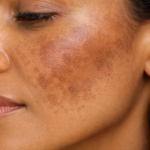
Pigmentation concerns are among the most common reasons patients seek laser pigmentation treatment at a medical spa. Dark spots, sun spots, age spots, uneven skin tone, and post-inflammatory hyperpigmentation can affect confidence and make skin appear uneven or dull. This guide is intended for individuals considering or undergoing laser pigmentation treatment who want to understand the expected timeline for results. Knowing what to expect helps patients make informed decisions and supports better outcomes. While laser technology is widely used to treat pigmentation, one of the most frequent questions patients ask is simple but important: how long does pigmentation take to fade after laser treatment?
The answer depends on multiple individual factors, including skin type, depth of pigmentation, laser device used, post-treatment care, and sun exposure habits. Understanding the healing process helps set realistic expectations and supports safer, more effective outcomes.
At BluePoint Medical Spa, laser treatments are overseen by licensed professionals and guided by personalized treatment plans designed to support healthy skin, overall skin tone, and long-term skin health—not quick fixes or guaranteed results.
Understanding Skin Pigmentation and Why It Develops Over Time
Skin pigmentation occurs when melanin-producing skin cells become overstimulated. This often happens due to sun damage, acne scars, hormonal changes, inflammation, or aging. The result may appear as brown spots, dark spots, sun spots, or uneven patches that sit in different layers of the skin.
Some pigmentation affects the outer layers, while other pigmentation is located deeper within the skin structure. This depth is a key factor in determining how long it takes pigmentation to fade after cosmetic treatments such as laser therapy or intense pulsed light (IPL).
How Laser Pigmentation Treatment Works Within the Skin
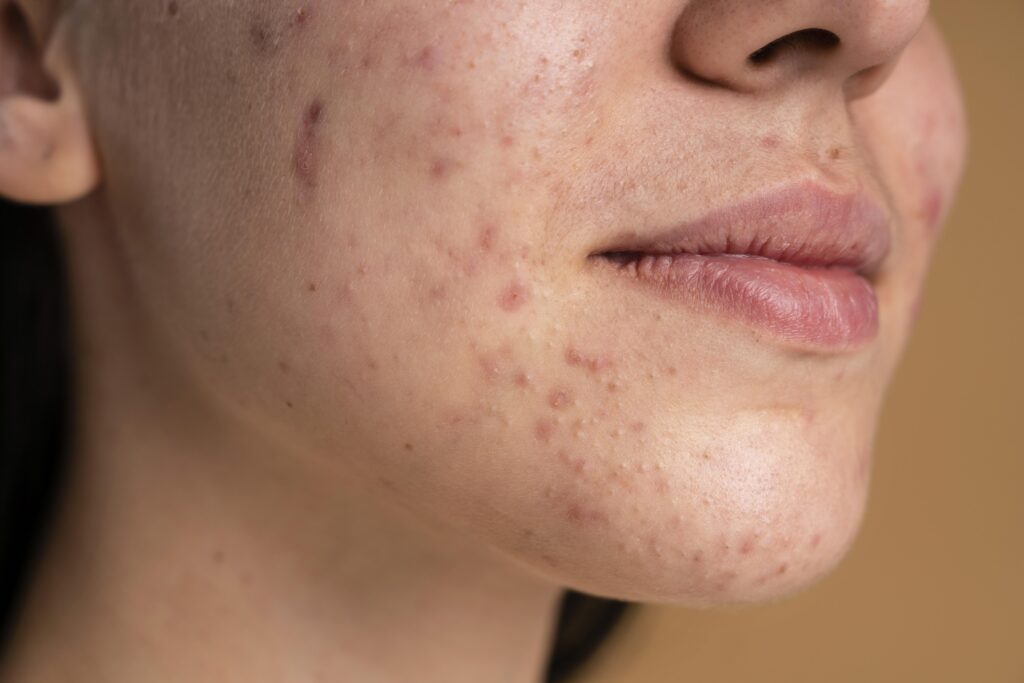
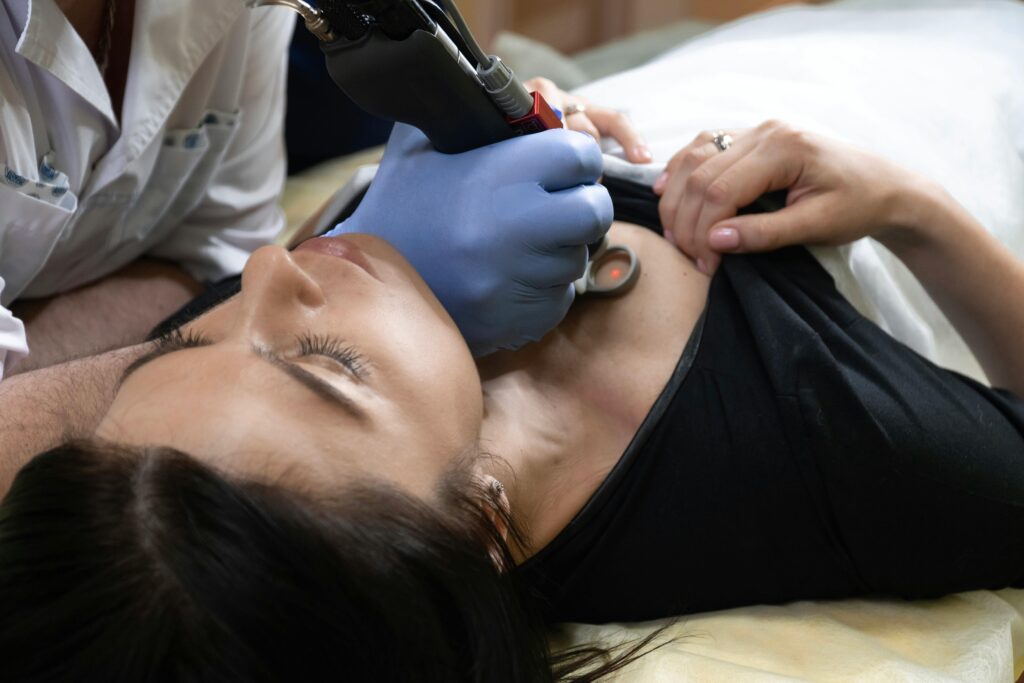
Laser pigmentation treatments use laser energy to target melanin in the treated area without intentionally damaging the surrounding skin. The laser breaks pigment into smaller particles that the body gradually clears through its natural healing process.
As the treated skin heals, pigmented cells rise to the surface as dead skin cells, which then shed naturally. This process explains why results appear gradually rather than instantly and why multiple treatments are sometimes recommended for optimal improvement.
In the days following a laser session, patients may notice the pigmented areas temporarily darken. This is a normal part of the post-treatment response, as pigment absorbs laser energy before it begins to lift.
Mild redness, warmth, or sensitivity may occur, particularly in patients with darker skin types or darker skin tone. These effects typically resolve as the skin heals and do not necessarily indicate complications when managed with appropriate aftercare.
How Long Does Pigmentation Take to Fade After Laser treatment?
For many patients, visible fading begins within 7 to 14 days as peeling skin sheds and healthier skin cells emerge. Pigmentation typically starts fading within 7 to 14 days, with significant improvement seen around 3-4 weeks. Full results for deeper pigmentation may take several months. Most patients need about 3 to 6 sessions spaced around a month apart for optimal fading. Lighter pigmentation may resolve sooner, while deeper or long-standing pigment can take several weeks to show noticeable improvement.
More stubborn concerns—such as post-inflammatory hyperpigmentation, treating melasma, or pigmented lesions linked to sun damage—often require a longer healing process and multiple laser sessions spaced weeks apart.
Why Skin Type Plays a Major Role in Healing Time
Skin type significantly influences how pigmentation responds to laser treatment. Lighter skin tones often show faster visible fading, while darker skin types require a more cautious approach to reduce the risk of developing hyperpigmentation after treatment.
This is why a board-certified provider or board-certified dermatologist carefully selects the laser device, energy settings, and treatment plan based on individual skin characteristics.
Post-Laser Hyperpigmentation
Some patients experience post-laser hyperpigmentation, also known as inflammatory hyperpigmentation. Post-inflammatory hyperpigmentation (PIH) refers to darkened patches of skin that develop after inflammation or injury, such as laser treatment. The duration for PIH to fade can vary based on skin type and may take a few weeks to a few months, particularly in individuals with darker skin tones. This occurs when the skin responds to treatment-related inflammation by producing additional melanin.
While concerning in appearance, this condition is often temporary and can improve with topical treatments, gentle skincare routines, and strict sun protection under professional guidance.
The Role of Sun Exposure in Pigmentation Healing
Sun exposure is one of the most influential factors in how quickly pigmentation fades. Direct sun exposure or direct sunlight during the healing process can slow progress and increase the risk of further pigmentation.
Consistent use of broad-spectrum sunscreen with adequate SPF is essential, even on cloudy days. This step helps protect treated skin and supports a more even skin tone over time.
Why Broad Spectrum Sunscreen Is Non-Negotiable After Laser
Laser-treated skin is more vulnerable to UV damage. A broad-spectrum sunscreen protects against both UVA and UVB rays, helping prevent sun damage, brown spots, and further pigmentation.
Patients are often advised to reapply sunscreen regularly and avoid prolonged outdoor exposure during the early healing phase to support overall skin health.
How Dead Skin Cells Affect the Appearance of Results
As pigmentation breaks down, dead skin cells accumulate on the surface before shedding. This phase can make the skin feel dry or appear flaky, but it is part of the normal healing process.
Supporting skin with hydration and a gentle skincare routine allows the skin to shed evenly, revealing radiant skin and a more even skin tone underneath.
Combining Laser Therapy With Other Pigmentation Treatments
In some cases, providers recommend combining laser therapy with other cosmetic treatments such as chemical peels, topical creams, or IPL treatment to address various skin concerns.
These combinations are carefully planned to avoid overstimulation and may help treat pigmentation that exists at multiple depths within the skin.
Chemical peels, including options with glycolic acid or kojic acid, can help exfoliate the outer layers of skin and support pigment reduction when used appropriately after laser treatments.
Stronger or stronger chemical peels are not always suitable for every patient and must be timed carefully to protect treated skin.
Laser Resurfacing vs Laser Pigmentation Treatment
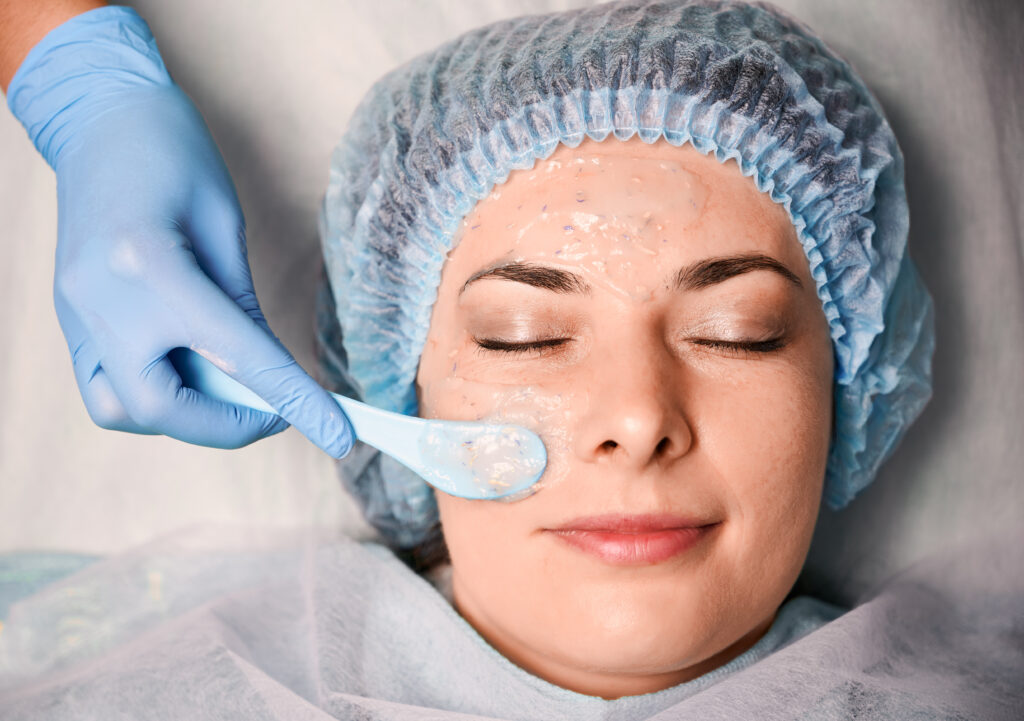
Laser resurfacing treatment targets skin texture, enlarged pores, and collagen production, while laser pigmentation treatment focuses on melanin-related discoloration.
Some patients benefit from a customized approach that addresses both uneven skin tone and overall skin condition, depending on their goals and skin health.
The number of sessions varies widely. Mild sun spots may improve after one laser session, while deeper pigmentation or acne scars may require multiple treatments spaced several weeks apart. Most patients need about 3 to 6 sessions spaced around a month apart for optimal fading.
Your provider will adjust the treatment plan based on how your skin responds over time.
No two patients have identical skin concerns. A personalized plan considers skin pigmentation issues, surrounding skin health, medical history, and lifestyle factors such as sun exposure habits.
This individualized approach helps reduce risks and supports more predictable improvement without overstating results.
Healing Process Expectations: What “Normal” Looks Like
During healing, it is normal for skin to appear uneven before it improves. Mild peeling, dryness, and gradual lightening are common as skin heals and skin cells renew.
Patients are encouraged to avoid harsh exfoliation and focus on keeping skin hydrated and protected.
Some patients are prescribed or recommended topical creams that include ingredients like kojic acid or glycolic acid to support pigmentation reduction. These products are introduced cautiously and only when the skin is ready, helping minimize irritation.
Well-hydrated skin heals more efficiently. Maintaining hydration supports the skin barrier, reduces irritation, and contributes to overall skin health and smoother texture during recovery.
Laser Treatments and Long-Term Skin Health
Laser therapy does more than address pigmentation. In many cases, it can stimulate collagen production, supporting firmness and improved skin tone over time.
However, lasers are cosmetic treatments and are not intended to diagnose or prevent medical conditions such as skin cancer.
Results vary based on skin condition, pigmentation depth, adherence to post-treatment care, and genetic factors. Laser treatments can improve pigmentation, but eliminating pigmentation is not a realistic or responsible promise. Clear communication helps patients feel informed and confident in their decisions.
If unexpected symptoms occur—such as prolonged redness, blistering, or worsening pigment—patients should contact their provider promptly for guidance. Early communication supports safer outcomes and appropriate adjustments.
FAQ
How long does pigmentation usually take to fade after laser treatment?
Pigmentation typically starts fading within 7 to 14 days, with significant improvement seen around 3-4 weeks. Full results for deeper pigmentation may take several months. Most patients need about 3 to 6 sessions spaced around a month apart for optimal fading. The exact timing can vary depending on skin type, pigment depth, and post-treatment care.
Can pigmentation come back after laser treatment?
Yes, pigmentation can return, especially with sun exposure or hormonal triggers. Ongoing sun protection and maintenance treatments may help reduce recurrence.
Is laser treatment safe for darker skin tones?
Laser treatment can be appropriate for darker skin tones when performed by experienced providers using suitable devices and settings. Treatment plans are adjusted to minimize risk.
Do I need multiple laser sessions to treat pigmentation?
Some pigmentation improves after one session, but deeper or more persistent pigment often requires multiple treatments for optimal results. Most patients need about 3 to 6 sessions spaced around a month apart for the best fading.
Conclusion
Fading pigmentation after laser treatment is a gradual process that unfolds as the skin renews itself. With proper care, sun protection, and professional guidance, many patients experience clearer, brighter skin and improved overall skin tone over time.
If you’re considering laser pigmentation treatment or want guidance on addressing dark spots, uneven skin tone, or sun damage, the team at BluePoint Medical Spa is here to help.
Schedule a consultation today to explore personalized options designed to support your skin goals safely and professionally.