
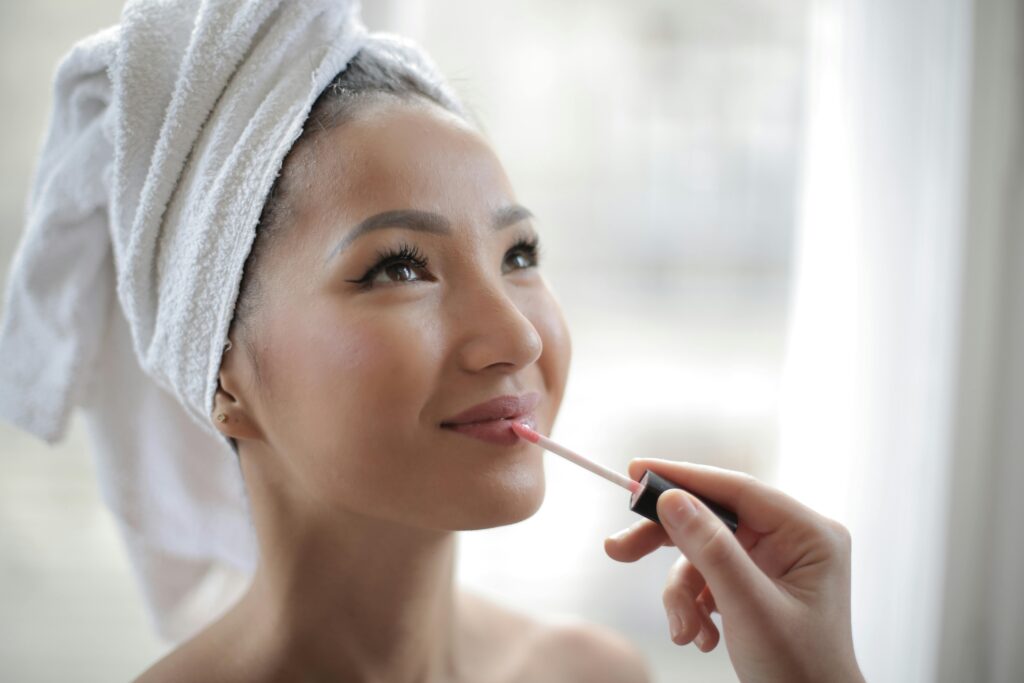
If you’ve ever left a facial appointment feeling refreshed—and then wondered when you should come back—you’re not alone. Timing matters because your skin needs space to recover, rebuild, and respond, especially when you’re targeting skin texture, clogged pores, discoloration, or reducing fine lines.
At BluePoint Medical Spa, we see many patients juggling sensitive skin, acne-prone skin, and busy schedules while trying to create a routine that supports skin health. The goal isn’t “more treatments,” but a thoughtful treatment plan that respects your skin type, your skin condition, and the process your body uses for renewal.
Because skin is living tissue, results vary, and irritation is possible—particularly with exfoliating services or energy-based laser care. A consultation with a licensed provider helps you determine the safest timing, the best treatment sequence, and how your skincare routine (including serums and makeup habits) should adapt between visits.

Why Patients Worry About Treatment Frequency
Many people worry that waiting too long means they’ll “lose progress,” while coming in too often could trigger redness, breakouts, or lingering irritation. That concern is valid: if your barrier is stressed, even a high-quality professional facial may feel less comfortable, especially for dry skin or higher sensitivity.
Others are trying to solve a specific problem—like acne scars, sun spots, or visible pigmentation—and want to know the fastest path to rejuvenation. But professional care works best when it’s paced, because your collagen production and cell turnover happen on a biological timetable, not a calendar reminder.
It also helps to remember that treatments aren’t “created equally.” A gentle signature facial and a deeper peel affect different layers of the treatment area, so the correct wait time changes depending on the service, your age, and whether your skin is currently oily, reactive, or healing from recent extractions.
What Happens After a Professional Skin Treatment
After many facial treatments, your skin begins a short recovery window where hydration balance, barrier lipids, and micro-inflammation settle. This is why you may notice a temporary glow, mild tightness, or brief redness, especially if you exfoliate or perform extractions.
If the service included stronger resurfacing—like chemical peels,microdermabrasion, or some laser treatments—your skin may shed dead skin cells over several days and then rebuild. That rebuilding is part of the inflammation-to-repair cycle, which can support collagen signaling and a smoother complexion over time.
This is also why post-care matters as much as the appointment itself. The wrong products (overactive acids, harsh scrubs, or too many new serums) can increase irritation, worsen discoloration, or contribute to breakouts, even if the in-office procedure was done well.
Facial Frequency for Sensitive Skin
For sensitive skin, a conservative rhythm is often the most comfortable. Many patients do well spacing a professional facial every 4–6 weeks, because that window gives the barrier time to normalize while still supporting consistent maintenance of skin health.
If your sensitivity includes persistent flushing, reactive redness, or frequent stinging, your provider may recommend fewer active steps per visit and a longer wait between treatments. That doesn’t mean you can’t improve your appearance—it means the plan is structured to protect your skin condition while still addressing specific skin concerns.
A key detail is what happens between visits: gentle cleansing, barrier support, and sun protection often matter more than squeezing in more frequent facials. When the routine is calm and consistent, regular facials tend to feel better, look better, and create fewer setbacks.
Facial Timing for Acne-Prone Skin and Clogged Pores
With acne-prone skin, timing is a balance between support and overstimulation. If your main concern is congestion and clogged pores, many patients schedule facial treatments every 3–5 weeks, adjusting based on oil production, inflammation, and how your skin reacts after extractions.
However, frequent manipulation can sometimes increase irritation, triggering more breakouts—especially if the barrier is compromised or if you’re using active topical products at home. In those cases, spacing appointments slightly farther apart can reduce rebound sensitivity and help maintain steadier results.
If you’re also managing scarring or texture irregularities, your provider may rotate services, alternating a clarifying facial with a gentler recovery-focused visit. This type of personalized plan often improves tolerance and helps you achieve a smoother texture without pushing the skin too hard.

Spacing Chemical Peels for Discoloration and Aging Skin
Chemical peels vary widely in strength, and the correct spacing depends on depth, ingredients, and your baseline skin type. Many superficial peels are commonly spaced about 3–4 weeks apart, while deeper peels may require longer—often 6–8 weeks or more—to allow the skin’s repair cycle to complete.
If you’re targeting discoloration, sun spots, or uneven pigmentation, it’s tempting to stack treatments quickly. But skin responds best when you allow the barrier to recover, because repeated inflammation too close together can sometimes worsen dark marks—especially in reactive or sensitive complexions.
For aged skin and early wrinkles, spaced peels may help refine skin texture and support a fresher appearance over time. The most reliable approach is a clinician-guided treatment plan that matches your goals, your tolerance for downtime, and your history of irritation.
Wait Time Between Microdermabrasion and Exfoliation Services
Microdermabrasion is an exfoliating procedure that removes surface buildup, including dead skin cells, which can brighten the complexion and improve the feel of rough texture. Because it’s a mechanical form of exfoliation, many patients do best allowing roughly 3–4 weeks between sessions, depending on sensitivity.
If you combine it with acids, retinoids, or frequent at-home exfoliating products, the skin can become over-stripped, leading to redness or stinging. This is a common reason people feel “worse” after a facial cycle: the barrier is being asked to do too much, too frequently.
A thoughtful schedule helps you get one benefit at a time without compounding irritation. When your provider sequences exfoliation carefully—and adjusts your home routine—you’re more likely to see optimal results with fewer surprises.
Spacing Laser Treatments for Texture, Scars, and Wrinkles
Laser treatments also differ by device and intensity, so the right spacing is highly individualized. Many energy-based treatments are spaced about 4–6 weeks apart to allow recovery and to support longer-term remodeling, including collagen production that may continue beyond the first visible changes.
If your goal is improving acne scars, visible scarring, or deeper wrinkles, the timeline can matter even more. Remodeling isn’t instant: your body needs time to build new structure in the treated treatment area, and stacking sessions too closely can increase irritation without adding meaningful benefit.
Because lasers can create short-term heat-related inflammation, post-care and sun avoidance become critical for skin health, especially if you’re prone to discoloration. A provider-guided personalized treatment plan helps determine safe intervals and reduces the risk of persistent sensitivity.
Combining Facials, Peels, and Laser Treatments
Sometimes, yes—but it depends on what “combined” means. A gentle signature facial focused on hydration, soothing, and light cleansing may pair well with a separate resurfacing service in the same month, as long as the schedule protects recovery time and your barrier stays stable.
In other cases, combining too much exfoliation—like a peel close to microdermabrasion or a strong active-heavy facial—can increase irritation, trigger breakouts, or cause patchy texture. This is especially relevant for sensitive skin, dry skin, or anyone who has recently increased activity in their skincare.
The safest plan usually involves spacing higher-intensity services and using supportive facials between them. That pacing keeps the focus on comfort, long-term benefits, and a consistent trajectory rather than a rushed process.

Where Lymphatic Drainage Fits in Your Treatment Plan
Lymphatic drainage refers to gentle techniques intended to support fluid movement and reduce puffiness in the treatment area, particularly around the face. For some patients, this can be a calming add-on during a facial appointment, especially when swelling or dullness makes the appearance feel “off.”
Because it’s typically non-aggressive, lymphatic-focused care may be done more frequently than resurfacing—sometimes even within shorter weeks—as long as the skin isn’t inflamed or actively irritated. It’s often chosen when someone wants comfort and a refreshed look without heavy exfoliation.
If you’re balancing anti-aging goals with sensitivity, this type of supportive care can be a useful part of a personalized plan. It won’t replace resurfacing when needed, but it can help maintain a calm, consistent routine between stronger treatments.
What Determines Your Ideal Treatment Frequency
Your ideal schedule depends on your skin type, your history of sensitivity, and whether your primary concern is acne, pigmentation, texture, or aged skin. Lifestyle factors matter too—sun exposure, stress, and product use can shift how your skin tolerates a given procedure.
It also depends on what you’re using at home. Retinoids, acids, benzoyl peroxide, or frequent exfoliants can amplify irritation after professional care, even if each step seems “normal” on its own. When you’re trying to rid yourself of breakouts or refine texture, “more” isn’t always better.
Finally, consider timing around events and makeup. If you have a big event, you may want a gentler professional service that supports glow without risking peeling, sensitivity, or unpredictable redness under makeup.
What to Avoid Between Appointments
Between visits, the biggest risk is accidentally over-treating the skin. Adding new acids, scrubs, or too many actives can disrupt the barrier and make the next visit less comfortable, even if you’ve been doing regular facials for months.
Heat and sun can also compound inflammation, especially after peels or laser care. If your skin is healing and you get significant UV exposure, the chance of discoloration can increase, which is frustrating when your goal is a clearer, more even complexion.
Protecting the barrier doesn’t mean doing nothing—it means doing the right things consistently. A stable skincare routine, a gentle cleanser, appropriate moisturizers, and provider-approved serums are often the foundation that helps professional care deliver steadier, optimal results.
What “Optimal Results” Really Means
Optimal results usually mean improvements that are noticeable, sustainable, and comfortable—not a dramatic overnight change. For anti-aging goals like softening fine lines, supporting elasticity, and refining skin texture, the best outcomes tend to come from an evenly paced plan that supports remodeling over time.
It’s also important to define success by your real priorities. Some patients want fewer breakouts and less congestion; others want reduced visible sun spots or a smoother texture around old acne scars. Clear goals help determine how often you should get a treatment and which treatments belong in your plan.
When expectations are realistic, and the schedule respects recovery, patients often report better consistency and fewer “setback weeks.” That consistency is usually what makes professional care feel worth it.
How Proper Spacing Supports Collagen and Comfort
Spacing treatments correctly can support comfort and may help the skin respond more predictably. When the barrier is stable, you’re less likely to experience lingering irritation and more likely to tolerate the next step in your treatment plan.
For services that stimulate remodeling, giving your skin time between sessions supports the biology behind collagen production. This matters for texture changes, subtle firmness, and gradual improvements in lines or uneven surface—effects that are typically progressive rather than instant.
At the same time, spacing is a safety issue. Overly frequent resurfacing can increase sensitivity, worsen redness, and raise the risk of unwanted discoloration, especially in reactive skin. A clinician-guided, personalized treatment plan helps balance progress with protection.
How to Schedule Your Next Facial Appointment
The simplest answer is: decide based on your response, not a generic calendar. How long did you stay red? Did you get dry or flaky? Did congestion improve, or did breakouts spike? Those details help determine whether you should wait longer or whether the same interval makes sense.
Your provider can also adjust what happens during the facial appointment itself. If your skin is reactive, they may reduce exfoliation, change the type of extractions, or focus on barrier support, which can make frequent facials more tolerable over time.
Most importantly, a plan should feel collaborative. When you understand the “why” behind the schedule, you’re more confident in the process, and it’s easier to stick to routines that protect skin health.
FAQ
How often should you get a chemical peel for discoloration or sun spots?
For superficial chemical peels, spacing is often around 3–4 weeks, while deeper peels may require 6–8 weeks or more. The right schedule depends on your skin condition, prior sensitivity, and how your skin heals. Your provider can help determine the safest pace to reduce discoloration risk.
How long should you wait between laser treatments for acne scars or wrinkles?
Many laser treatments are spaced about 4–6 weeks apart to allow recovery and ongoing remodeling, including collagen production. Some devices or goals may require different timing, especially if your skin is reactive. A clinician-guided plan helps reduce irritation and supports steadier results.
Can more frequent facials cause breakouts or irritation?
Yes—more frequent facials can sometimes trigger breakouts or irritation, especially if there’s too much exfoliation or aggressive extractions. If you have acne-prone skin or sensitive skin, spacing and technique matter. Adjusting frequency and your at-home routine often improves comfort and consistency.
Conclusion
If you’re trying to figure out how long you should wait between professional skin treatments, you don’t have to rely on guesswork. The right timing depends on your skin type, your tolerance, your goals (from acne and congestion to pigmentation and wrinkles), and how your home skincare supports recovery.
At BluePoint Medical Spa, our team can help you map out a personalized treatment plan that balances visible improvement with comfort—especially if you’re navigating sensitive skin, acne-prone skin, or a history of irritation. We’ll also help you determine what to pause or adjust between visits so you can protect your barrier and pursue optimal results more safely.
Schedule a consultation with BluePoint Medical Spa to plan your next steps, clarify safe spacing for facial treatments, chemical peels, microdermabrasion, or laser treatments, and build a routine that supports long-term skin health.