What is Micro-Needling?
February 21, 2018

As skin naturally changes with age, many people begin to notice sagging skin, loss of firmness, and subtle shifts in overall skin tone. These changes can affect the face, neck, and body, often appearing gradually and unevenly. While surgical procedures are one option, not everyone is ready—or willing—to pursue invasive treatment.
At BluePoint Medical Spa, patients often ask whether there is a way to support firmer, smoother skin without surgery or prolonged downtime. Laser skin tightening has become a commonly chosen non-surgical skin tightening treatment for individuals experiencing moderate skin laxity who want gradual, natural-looking improvement under professional medical oversight.
This article explains how laser skin tightening works, what it can realistically support, and what patients should know before scheduling a consultation. The goal is clarity, education, and informed decision-making—never exaggerated promises.
Skin firmness depends largely on collagen and elastin production, two structural proteins that provide strength and elasticity. Over time, the body produces less collagen, and existing collagen fibers begin to weaken. Environmental factors such as sun exposure, lifestyle habits, and genetics can further influence this process.
As collagen levels decline, the skin’s surface may appear looser, thinner, or crepey. These changes often develop first around the jawline, neck, eyes, and areas where skin is naturally more delicate. Laser skin tightening treatments are designed to address these early to moderate changes rather than severe laxity.
Understanding that these changes are gradual helps set appropriate expectations. Skin tightening is not about stopping aging—it is about supporting the skin’s natural structure as it evolves.
Laser skin tightening is a non-surgical cosmetic treatment designed to support firmer skin by applying precisely controlled heat to targeted areas. Rather than altering the skin’s surface, this technology focuses on encouraging the skin to respond from within.
During treatment, thermal energy is delivered to the deeper layers of the skin, where collagen and elastin are formed. This controlled heating process is intended to prompt the body’s natural repair mechanisms, which may help improve skin firmness and texture over time.
Unlike surgical options, laser skin tightening does not involve incisions, tissue removal, or extended recovery. The procedure is typically performed in a medical spa environment under licensed medical supervision, ensuring appropriate settings and patient safety.
Because the treatment works by supporting the skin’s own regenerative activity, changes do not occur instantly. Results tend to appear gradually as the skin produces new collagen in the weeks and months following treatment, contributing to subtle, natural-looking improvement rather than abrupt change.
During treatment, laser energy is delivered in a controlled manner to the deeper skin layers. This heat affects collagen fibers without damaging the skin’s surface. The thermal effect signals the body to begin collagen stimulation as part of its natural repair process.
As collagen forms and reorganizes, the skin may gradually feel firmer and appear smoother. This process also supports skin elasticity, which can influence how the skin responds to movement and facial expression.
Because energy delivery is carefully calibrated, treatments are designed to prioritize safety while supporting visible improvement over time.
Collagen provides structure, while elastin allows the skin to stretch and return to its original position. Together, collagen and elastin play a critical role in maintaining a youthful appearance.
Laser treatments aim to trigger collagen production and support elastin activity indirectly. This does not create instant tightening. Instead, new collagen develops gradually, contributing to subtle lifting and improved texture.
This slow, progressive change is one reason laser skin tightening is often chosen by patients seeking natural-looking results rather than dramatic transformation.
Laser skin tightening may be appropriate for individuals with mild to moderate skin laxity who are experiencing early signs of aging, such as soft sagging or crepey skin. Skin laxity refers to the loss of firmness and elasticity in the skin, often resulting in mild to moderate looseness or sagging. It is often used on the face, neck, abdomen, arms, and other body areas.
Different skin types and tones respond differently to laser energy. A thorough consultation allows providers to assess skin condition, medical history, and treatment goals. Patients with active skin infections, certain medical conditions, or recent sun exposure may need to postpone treatment. Because results vary, candidacy is always determined on an individual basis through professional evaluation.
Laser skin tightening should always be performed or overseen by licensed medical professionals. Proper assessment ensures that energy settings are appropriate for the patient’s skin type and treatment area.
Medical oversight also helps reduce the risk of complications such as temporary redness, sensitivity, or pigment changes—particularly for patients with darker skin tones. At BluePoint Medical Spa, safety protocols, clinical training, and experience guide every treatment plan.
Before treatment begins, the skin is cleansed, and a topical numbing cream may be applied for comfort. Sessions typically last less than an hour, depending on the area treated.
Patients often describe the sensation as warmth or mild tingling as the device delivers controlled heat to the targeted skin layers. Providers monitor skin response throughout the session.
After treatment, patients may notice mild redness, which usually resolves within a short period.
One reason laser tightening is popular is its minimal downtime. Most patients return to normal activities the same day.
Post-treatment care often includes gentle skincare, sun protection, and avoiding excessive heat exposure for a short time. These steps help protect the skin while collagen production continues beneath the surface. While daily life is rarely disrupted, following professional aftercare guidance supports optimal results.
Laser skin tightening is rarely a one-time procedure. Many patients require multiple sessions spaced several weeks apart.
A customized treatment plan considers skin laxity, treatment area, age, and overall skin health. Gradual improvement allows providers to adjust protocols as the skin responds. Patients should understand that results develop gradually, and maintenance treatments may be recommended.
Several technologies support non-surgical skin tightening, including ultrasound treatments, intense pulsed light, and radiofrequency devices. Each modality works differently and may be better suited to certain skin concerns.
Laser tightening focuses on delivering controlled heat to support collagen stimulation, while ultrasound targets deeper tissue layers. In some cases, combination therapy may be considered under medical guidance. Choosing the right approach depends on individual goals and professional assessment.
Laser skin tightening does not replace surgical lifting procedures and does not eliminate deep wrinkles or excess skin. It is designed to support firmer skin and improved texture—not drastic reshaping.
Understanding limitations helps patients avoid disappointment and appreciate gradual progress. Improvement varies depending on age, genetics, and lifestyle factors. Clear expectations are an essential part of ethical, patient-centered care.
Healthy habits influence how the skin responds to treatment. Proper hydration, balanced nutrition, and sun protection support collagen formation and skin resilience.
Topical skincare products may complement laser therapy but do not replace professional treatments. Providers may recommend specific regimens to align with the treatment plan. Consistency over time often matters more than any single intervention.
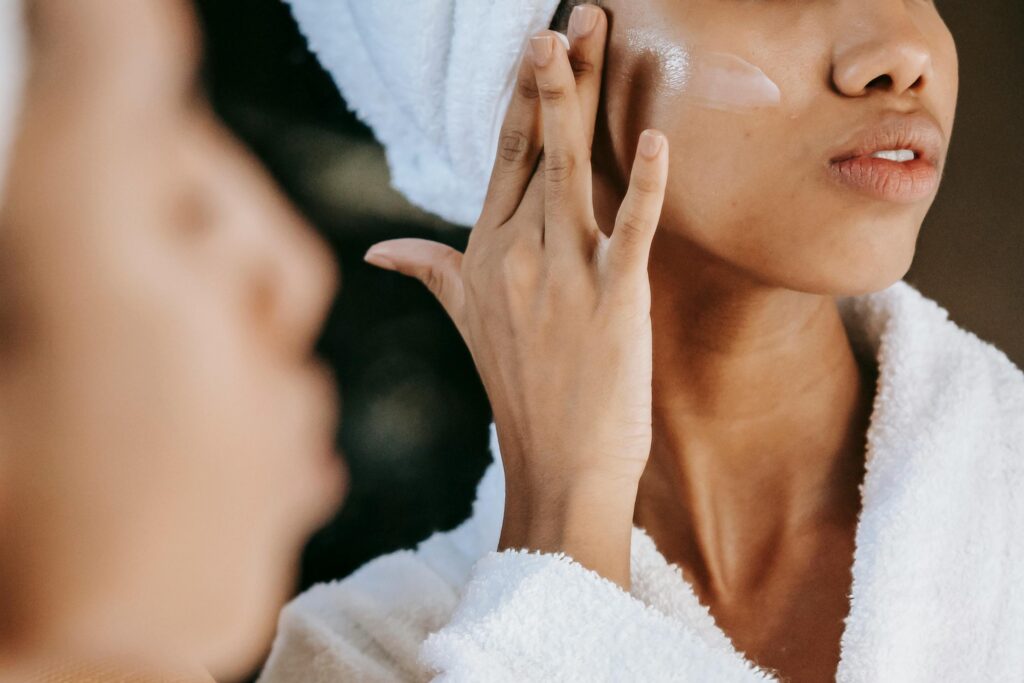
Laser skin tightening is commonly used on both the face and body because skin laxity can develop in different ways across various areas. On the face, treatment is often selected to support areas such as the jawline, cheeks, neck, and around the mouth, where early laxity and texture changes may soften facial contours over time. By targeting deeper skin layers, laser therapy may help improve firmness while maintaining natural facial movement and expression.
For body treatments, laser skin tightening is frequently chosen for areas such as the abdomen, arms, thighs, or knees. These regions may experience loose or crepey skin following weight changes, aging, or hormonal shifts. While laser treatment does not remove excess skin, it may help improve overall skin tone and texture by supporting collagen stimulation beneath the skin’s surface.
Because facial skin is thinner and more delicate than body skin, each treatment area requires different energy settings, techniques, and pacing. This variability highlights the importance of a customized treatment plan guided by medical expertise. Individual assessment helps ensure that energy delivery aligns with skin thickness, sensitivity, and treatment goals.
When performed appropriately, laser skin tightening is generally well-tolerated and designed to minimize disruption to daily activities. Most patients experience only temporary effects such as mild redness, warmth, or sensitivity in the treated area, which typically resolve within a short period.
Although serious complications are uncommon, they remain possible—particularly if treatments are performed without proper screening or professional oversight. Inappropriate energy settings, untreated skin conditions, or lack of experience may increase the risk of irritation or uneven results. This is why medical supervision plays a critical role in patient safety.
Patients are encouraged to share complete medical histories during consultation, including skin conditions, recent procedures, medications, and sun exposure. Transparent communication allows providers to adjust treatment protocols, identify contraindications, and prioritize both safety and realistic expectations.
One of the defining characteristics of laser skin tightening is that results develop gradually rather than immediately. Because the treatment works by encouraging the body’s natural healing response, improvements tend to emerge subtly as new collagen forms over time.
This progressive change often aligns well with patients seeking a youthful appearance that does not look sudden or artificial. Instead of dramatic overnight changes, the skin may slowly appear firmer, smoother, and more refreshed—mirroring the way healthy skin naturally responds to supportive care.
Many patients appreciate that improvements are noticeable without being obvious. Friends or family may comment that the skin looks healthier or more rested, without immediately associating the change with a cosmetic procedure.
Determining whether laser skin tightening aligns with your goals requires a professional evaluation. Factors such as skin condition, degree of laxity, treatment area, age, and personal expectations all influence whether this option is appropriate.
Laser skin tightening is generally considered for individuals with mild to moderate skin laxity who prefer non-surgical options and understand that results develop over time. It may not be suitable for everyone, particularly those with certain skin conditions or more advanced laxity requiring alternative approaches.
A consultation provides the opportunity to ask questions, review treatment options, and understand potential outcomes before moving forward. This step ensures that patients make informed decisions based on medical guidance—not assumptions or marketing claims.
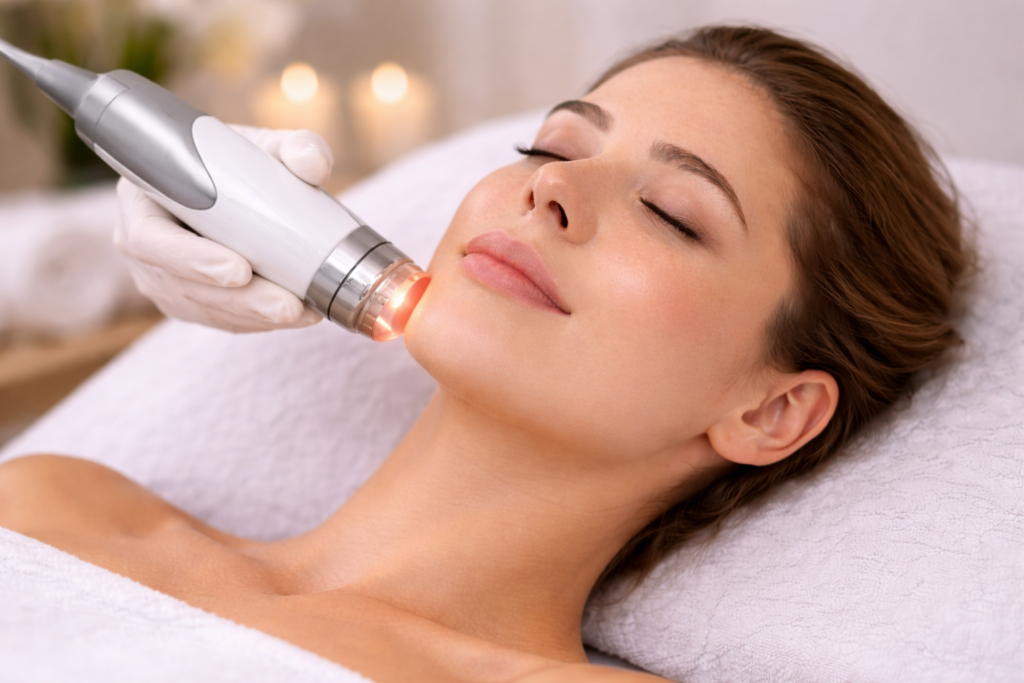
Laser skin tightening uses controlled heat to stimulate collagen production in deeper skin layers. Over time, this may support firmer skin and improved texture as new collagen forms.
Most patients report mild warmth or tingling during treatment. Topical numbing cream is often used to enhance comfort.
Results vary by individual. Many patients experience gradual improvement over several months, with maintenance sessions sometimes recommended.
Laser skin tightening offers a non-surgical option for individuals seeking to support firmer, smoother skin with minimal downtime. By stimulating collagen and elastin production, these treatments work gradually—respecting the skin’s natural processes rather than forcing dramatic change.
At BluePoint Medical Spa, every treatment is guided by medical expertise, individualized planning, and realistic expectations. Results vary, and no procedure is universal—but thoughtful care can support meaningful improvement.
If you’re considering laser skin tightening, schedule a consultation with BluePoint Medical Spa to explore whether this treatment aligns with your skin goals and overall wellness plan.