Many people pursue healthier lifestyles through diet and exercise, yet still notice stubborn fat pockets that remain resistant to change. These areas—often around the abdomen, outer thighs, upper arms, or flanks—can persist even when weight is stable, leading patients to explore Non-surgical body sculpting as a possible solution.
Non-surgical body sculpting, also called nonsurgical body contouring, has gained attention as an option for individuals seeking fat reduction without surgery. Unlike traditional approaches such as plastic surgery or liposuction, these treatments focus on targeted fat areas without incisions or extended recovery time.
This article explains how Non-surgical body sculpting works, what it realistically can and cannot do, and how patients can determine whether noninvasive body contouring procedures align with their goals. The focus is on clarity, safety, and informed decision-making—not exaggerated promises.
Why Stubborn Fat Persists Despite Diet and Exercise Efforts
Many patients are surprised to learn that fat cells behave differently depending on location. Certain areas of the body store subcutaneous fat that is more resistant to metabolic change, even with consistent physical activity and nutritional planning.
While weight loss reduces the size of fat cells throughout the body, it does not always eliminate them. This is why people who reach an ideal body weight may still notice localized fat bulges that affect body contours.
Understanding this distinction helps patients recognize why Non-surgical fat reduction is designed for body shaping, not as a primary weight loss solution or substitute for lifestyle change.
What Is Non-surgical Body Sculpting and How Does It Differ from Surgery?
Non-surgical body sculpting refers to a group of noninvasive or minimally invasive medical procedures designed to target and reduce localized fat deposits without incisions, anesthesia, or surgical scars.
Unlike traditional liposuction, which physically removes fat cells through a surgical procedure, Non-surgical options use controlled cooling, controlled heat, electromagnetic energy, ultrasound waves, or laser treatment to affect fat cells beneath the skin.
These approaches are often chosen by patients seeking fat reduction without surgery, shorter recovery time, and treatments that fit into a broader healthy lifestyle and wellness plan.
How Non-surgical Fat Reduction Targets Fat Cells Beneath the Skin
Most Non-surgical fat reduction treatments work by affecting fat cells beneath the skin while preserving surrounding connective tissue. Depending on the technology used, fat cells may be exposed to cold temperatures, extreme cold, controlled heat, or electromagnetic stimulation.
When fat cells are damaged, the body gradually processes and clears them through natural metabolic pathways. This process takes time, which is why fat reduction results appear gradually, not instantly.
Because these treatments rely on the body’s natural response, results vary, and not everyone responds the same way—making professional assessment essential.
Fat Freezing and Controlled Cooling: What Happens During Treatment?
Fat freezing, also known as cryolipolysis, uses controlled cooling to expose fat cells to cold temperatures that they are more sensitive to than surrounding tissues.
During treatment, freezing fat cells triggers a process where damaged fat cells begin to break down and are slowly eliminated by the body. The skin, nerves, and connective tissue are designed to tolerate this exposure under controlled conditions.
This method is commonly used for areas like the abdomen, outer thighs, flanks, and upper arms, where fat tends to be more resistant to lifestyle changes.
Laser Treatment, Radiofrequency, and Ultrasound Waves in Body Contouring
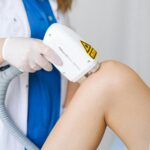
Other Non-surgical treatments rely on laser treatment, radiofrequency lipolysis, or ultrasound waves to affect fat cells through controlled heat or sound energy.
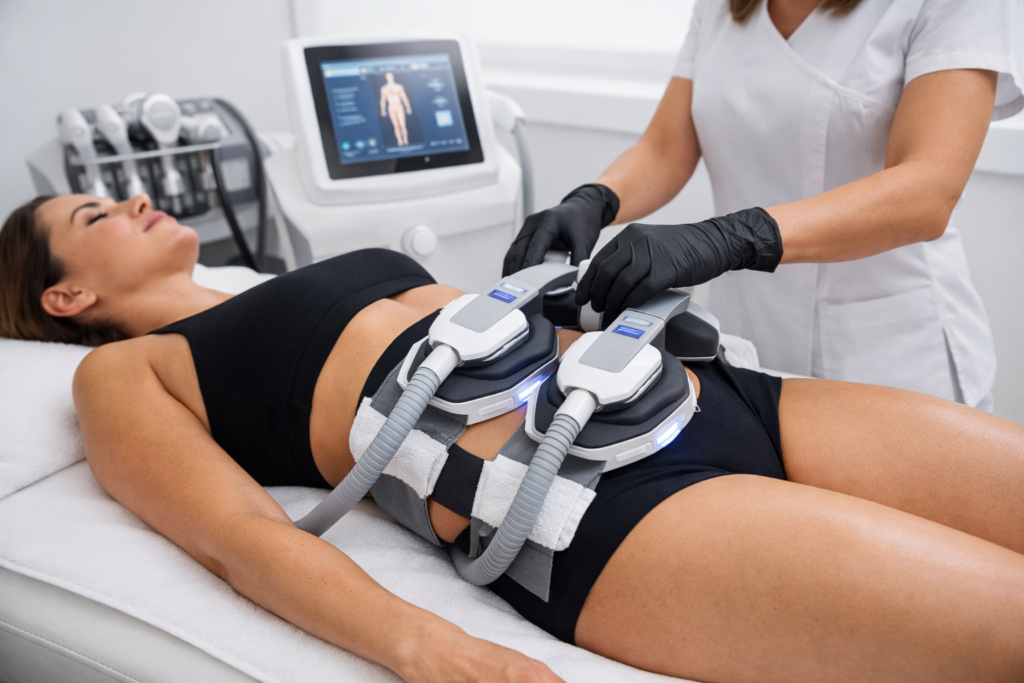
These technologies may also contribute to skin tightening and improved muscle tone appearance, depending on the treatment and individual factors. Some systems use electromagnetic energy to stimulate muscle contractions alongside fat reduction.
While often grouped as body contouring procedures, each technology works differently, reinforcing the importance of a personalized consultation rather than a one-size-fits-all approach.
Who Is a Good Candidate for Non-surgical Body Sculpting?
Non-surgical body sculpting is typically best suited for individuals who are near their ideal weight but struggle with localized excess fat. It is not designed for significant weight loss or as a replacement for diet and exercise.
Patients with stable weight, good overall health, and realistic expectations tend to experience the most noticeable contour improvements. Those seeking a dramatic change may need to explore other methods, including surgical options, under professional guidance.
A consultation helps determine whether Non-surgical body sculpting really helps reduce fat in a meaningful way for a specific body type and treatment area.
Understanding Treatment Areas and What Can Be Addressed
Common treatment areas include the abdomen, flanks, upper arms, outer thighs, and under-the-chin areas. These regions often contain subcutaneous fat that responds differentlyfromn visceral fat associated with medical risk.
Each treated area is evaluated separately, and multiple sessions may be recommended depending on the size of the fat bulge and the technology used.
It is important to understand that removing fat cells does not mean altering overall body composition or preventing future weight gain.
What Results Can Patients Realistically Expect from Nonsurgical Body Contouring?
Most patients experience a gradual reduction in fat thickness within the treated area over several weeks to months. Changes tend to be subtle but noticeable when viewed over time.
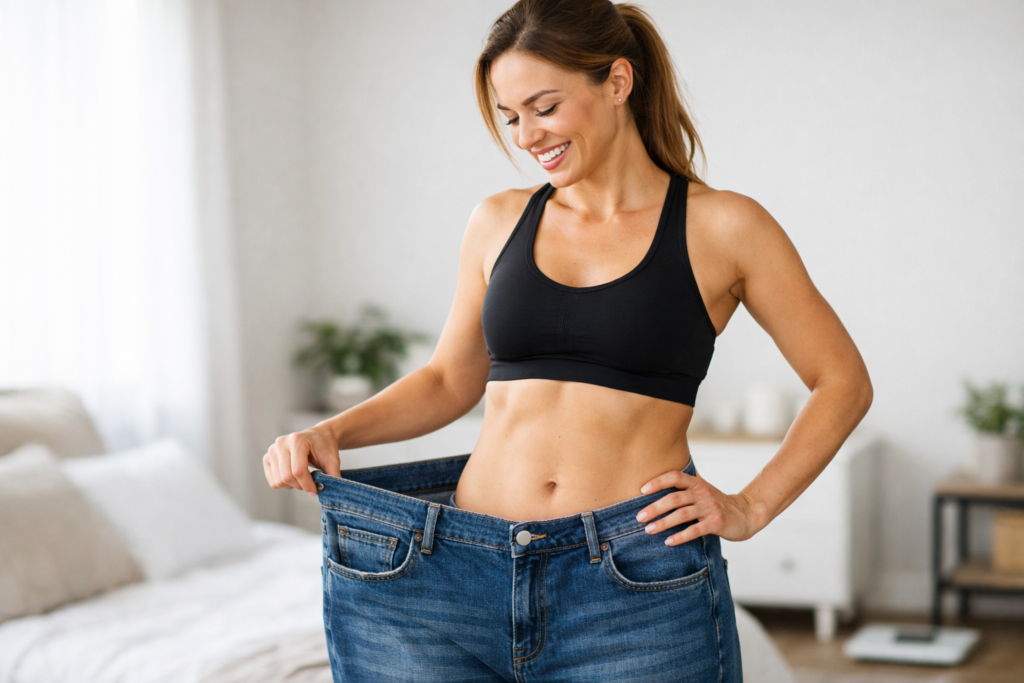
Many patients report improved clothing fit and smoother body contours rather than a dramatic transformation. Results depend on individual metabolism, treatment type, and adherence to a healthy lifestyle.
Maintaining realistic expectations is essential, as Non-surgical body sculpting enhances contours rather than reshaping the body entirely.
Safety Considerations and Professional Oversight in Non-surgical Treatments
Although considered non-invasive, these procedures are still medical procedures that require appropriate patient screening and professional oversight.
Potential risks—such as temporary numbness, swelling, or rare conditions like paradoxical adipose hyperplasia—should be discussed during consultation. Reviewing medical history, liver function considerations, and skin health helps reduce complications.
At reputable medical spas, treatments are overseen by trained professionals to ensure safety, proper device use, and patient education.
Comparing Non-surgical Body Sculpting to Traditional Liposuction
Unlike traditional liposuction, Non-surgical methods do not require incisions, anesthesia, or extended recovery time. There are no surgical scars, and patients typically return to daily activities quickly.
However, traditional liposuction removes fat cells immediately and may be better suited for patients seeking more dramatic fat reduction under surgical care.
Understanding the difference between Non-surgical body sculpting and surgical body contouring helps patients make informed choices aligned with their comfort level and goals.
The Role of Lifestyle in Maintaining Fat Reduction Results
Even after destroying fat cells through Non-surgical treatments, remaining fat cells can still enlarge with weight gain. This is why diet and exercise play a critical role in maintaining results.
A healthy lifestyle, including balanced nutrition and regular movement, supports long-term body composition and overall wellness.
Non-surgical body sculpting works best when viewed as a complement to—not a replacement for—sustainable health habits.
Benefits and Limitations Patients Should Understand Before Treatment
Benefits of Non-surgical body sculpting include minimal downtime, no surgical scars, and targeted contour refinement. These features appeal to patients seeking gradual, natural-looking changes.
Limitations include variable results, the possibility of multiple treatments, and outcomes that depend on individual biology.
Understanding both sides allows patients to proceed with clarity rather than expectation-driven disappointment.
FAQ
Is Non-surgical body sculpting a weight loss solution?
Non-surgical body sculpting is not intended for weight loss. It focuses on reducing localized fat areas and refining body contours for patients near a stable weight.
How long does it take to see fat reduction results?
Most patients notice gradual changes over several weeks to months as the body processes affected fat cells. Results vary by treatment and individual response.
Does Non-surgical body sculpting tighten skin?
Some treatments may support mild skin tightening, but results depend on skin quality, age, and treatment type. It should not be viewed as a skin-lifting procedure.
Are Non-surgical body sculpting treatments safe?
When performed under professional oversight, these treatments are generally well-tolerated. A consultation helps assess risks, medical history, and suitability.
Conclusion
Non-surgical body sculpting can help reduce fat in targeted areas for appropriately selected patients, particularly those close to their ideal weight who struggle with localized fat pockets. It offers a noninvasive option for contour refinement rather than dramatic transformation.
Results vary, and outcomes depend on treatment type, patient health, and lifestyle factors. A professional consultation ensures safety, realistic expectations, and personalized planning.
If you are considering Non-surgical body sculpting, scheduling a consultation at BluePoint Medical Spa allows you to explore options, understand potential benefits and limitations, and determine the most appropriate path for your body and goals.