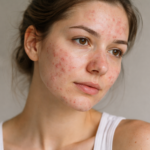
Can Laser Treatments Help with Hormonal Acne or Adult Acne?
February 4, 2026

Significant weight loss is a meaningful achievement—often the result of discipline, lifestyle change, or medical support. Yet many patients discover that after the scale changes, their skin does not always adjust at the same pace. Loose skin, reduced firmness, and changes in skin texture are common concerns following weight loss, especially when weight changes are substantial or rapid.
At BluePoint Medical Spa, we frequently work with patients who feel proud of their progress but frustrated by moderate skin laxity, sagging skin, or uneven skin tone. In 2025, advances in non-surgical skin tightening offer more options than ever for patients seeking improvement without surgery, extended downtime, or aggressive recovery.
This guide explores the best non-invasive and minimally invasive skin tightening treatments, how they work, who they may benefit, and how personalized treatment plans can support realistic, confidence-building outcomes.
The skin relies on collagen and elastin production to maintain firmness and resilience. When weight is gained, skin stretches gradually. With significant weight loss, especially over a short period, the skin may struggle to retract fully.
Age, genetics, sun exposure, and overall skin health all influence how well the skin adapts. Over time, the natural aging process slows the body’s ability to produce new collagen, making skin laxity more noticeable.
Patients often notice excess skin in areas such as the abdomen, arms, thighs, neck, and lower face. These regions are particularly vulnerable due to thinner skin tissue or repetitive stretching over time.
While surgical skin tightening treatments remain an option for some, many patients prefer to explore non-surgical skin tightening after weight loss as a first step.

Surgical skin tightening is sometimes considered when patients have large amounts of excess skin that cannot adequately respond to non-invasive treatments. Procedures such as body lifts or excisional surgeries physically remove excess skin and may create more dramatic contour changes. However, these options involve anesthesia, incisions, scarring, longer recovery periods, and higher overall costs. For patients with severe skin laxity, surgery may be appropriate, but it is not the right solution for everyone and is often approached after careful medical evaluation and discussion of risks, recovery time, and realistic outcomes.
For many individuals, especially those with mild to moderate skin laxity, surgical intervention may feel excessive or misaligned with their lifestyle and recovery preferences. Some patients prefer to avoid downtime that interferes with work, family responsibilities, or physical activity. Others are simply not comfortable with invasive procedures. In these cases, exploring non-surgical skin tightening can offer a more conservative path forward, allowing patients to pursue improvement while maintaining flexibility and control over their care decisions.
The growing popularity of non-surgical skin tightening in 2025 reflects major advancements in energy-based technologies such as radiofrequency, ultrasound, and laser therapy. These treatments are designed to heat deeper skin layers in a controlled manner, activating the body’s natural healing response. By stimulating collagen production, they may support firmer skin, improved overall skin texture, and gradual tightening over time. While results are more subtle than surgery and vary by individual, the appeal lies in minimal downtime, lower risk profiles, and personalized treatment plans that align with modern wellness-focused care.
Non-surgical skin tightening treatments are designed to work with the body rather than against it. Instead of cutting or removing tissue, these technologies use targeted energy—such as radiofrequency, focused ultrasound, or advanced laser therapy—to safely penetrate the deeper layers of the skin while leaving the skin’s surface intact. This controlled delivery of heat creates a precise thermal response that stimulates structural changes beneath the surface, where collagen and elastin fibers play a critical role in skin firmness.
When deeper skin layers are gently heated, existing collagen fibers temporarily contract, creating an initial tightening effect. More importantly, this process signals the body’s natural healing response, prompting it to begin producing new collagen over time. This gradual biological process is why results are not instant but instead improve progressively over weeks and months. The goal is not an abrupt change, but a steady enhancement of skin texture, tone, and overall quality.
By focusing on inducing collagen production and supporting elastin growth, non-invasive skin tightening treatments help reinforce the skin’s internal support system. As new collagen forms, the skin may appear firmer, smoother, and more resilient, especially in areas affected by mild to moderate laxity after weight loss. Because these treatments align with the skin’s natural renewal cycles, outcomes tend to look more subtle and natural, supporting realistic expectations and long-term skin health rather than dramatic, short-term alteration.
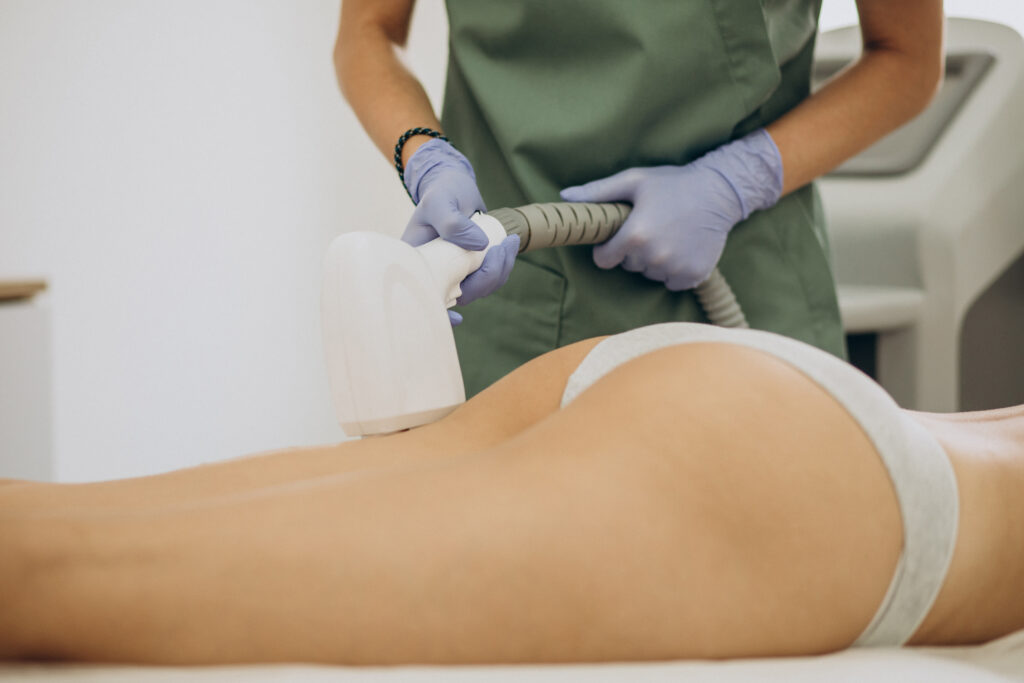
RF treatments use controlled radiofrequency energy to heat deeper layers of the skin without damaging the skin’s surface. This process may help tighten loose skin, improve skin quality, and enhance overall skin texture.
RF therapy is commonly chosen for mild sagging, early skin laxity, and patients seeking gradual improvement with minimal recovery time. It is often used on the face, neck, abdomen, and arms. Temporary redness or warmth can occur, but most patients resume normal activities the same day.
Ultrasound treatments deliver focused ultrasound energy to precise depths within the skin. This technology allows providers to target structural layers that influence skin firmness and lifting.
Patients with moderate skin laxity often choose ultrasound-based tightening for areas like the jawline, neck, and abdomen. Results develop over several months as new collagen forms. Ultrasound treatments are non-invasive and typically involve minimal downtime, though some temporary tenderness may occur.
Laser treatments use light energy to heat deeper skin layers, supporting collagen production while also improving skin tone, texture, and quality. Some laser therapies address multiple skin concerns, including pigmentation and surface irregularities.
Non-ablative laser therapy focuses on tightening and rejuvenation without removing layers of skin. Laser resurfacing may offer more dramatic texture improvement but involves more recovery and is not always necessary for post-weight-loss laxity.
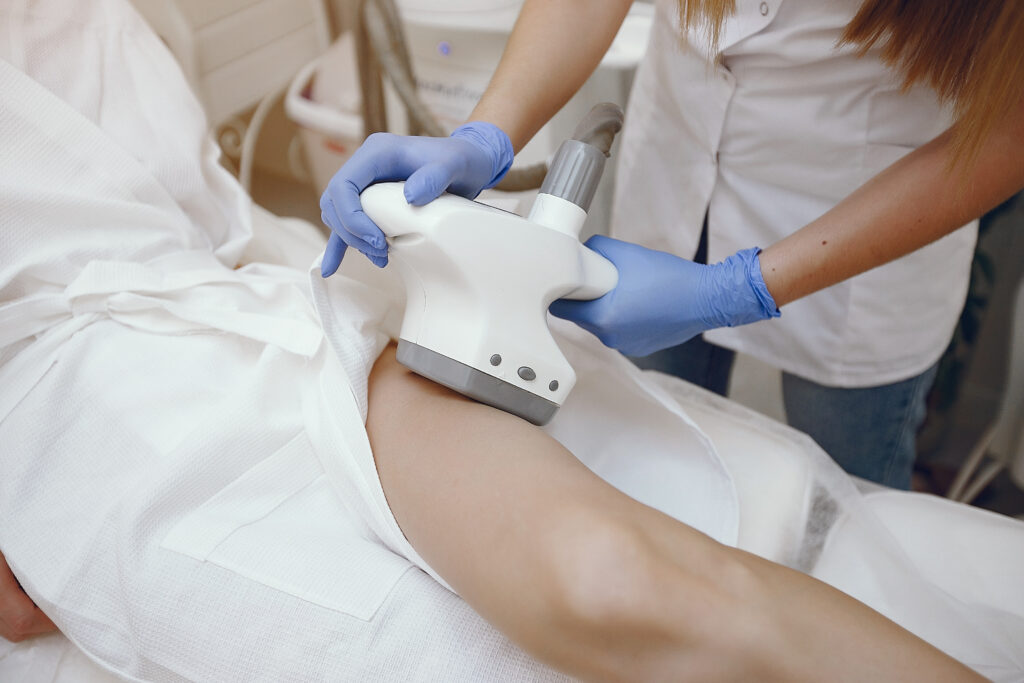
Minimally invasive treatments can play a supportive role in non-surgical skin tightening after weight loss, particularly when skin laxity is accompanied by volume loss. In select cases, dermal fillers formulated with hyaluronic acid may be used to restore structural support beneath the skin. While fillers do not tighten loose skin directly, they can help improve skin’s surface appearance, soften creases, and enhance contours in areas where volume depletion contributes to a sagging look.
Hyaluronic acid is naturally found in the body and helps attract moisture, which may support skin hydration and skin quality. When used thoughtfully by experienced providers, dermal fillers can complement energy-based skin tightening treatments by improving balance and symmetry. This combined approach is often chosen for areas such as the face or neck, where both laxity and volume changes influence overall appearance following weight loss or natural aging.
Some non-surgical treatments create immediate collagen contraction, offering subtle early improvement in skin firmness, while others focus on long-term collagen and elastin production that unfolds gradually over time. By combining therapies, providers can address both short-term aesthetic concerns and long-term skin health within a personalized treatment plan. This layered strategy allows for more natural-looking results while respecting individual anatomy, recovery preferences, and realistic expectations.
Minimally invasive options may complement non-surgical skin tightening treatments, particularly when post-weight-loss changes include both skin laxity and volume loss. In select cases, dermal fillers formulated with hyaluronic acid can be used to restore underlying support in areas where diminished volume contributes to a sagging appearance. While fillers do not tighten loose skin directly, they may enhance the skin’s surface appearance, improve contour balance, and support a smoother overall look when used conservatively.
Hyaluronic acid occurs naturally in the body and plays a role in skin hydration and structural support. When administered by licensed providers, fillers can work alongside energy-based treatments such as radiofrequency, ultrasound, or laser therapy. This approach allows providers to address multiple skin concerns simultaneously, particularly in facial or neck areas where both collagen loss and volume depletion affect skin quality after weight loss or aging.
Some non-surgical treatments produce immediate collagen contraction, creating subtle early firmness, while others focus on gradual collagen and elastin production that develops over time. Combining minimally invasive therapies within a personalized treatment plan may help address both short-term aesthetic goals and long-term skin health. This layered strategy supports natural-looking results, respects individual anatomy, and aligns with realistic expectations for non-surgical skin rejuvenation.
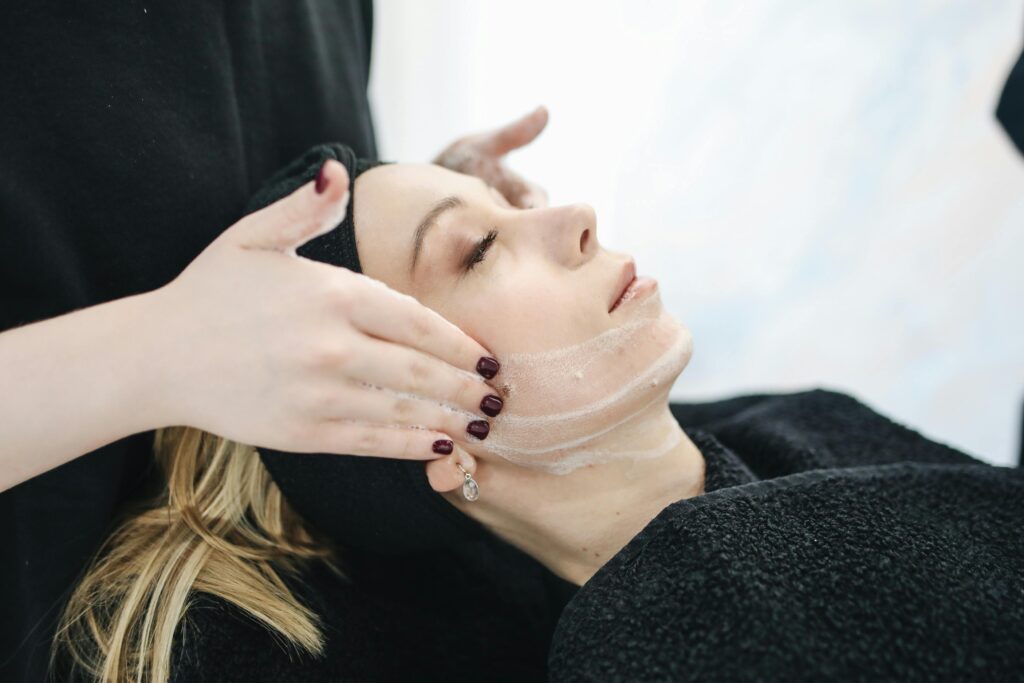
Patients with active skin infections, certain medical conditions, or implanted devices may not qualify for specific technologies. A professional consultation ensures safety and appropriate selection.
Most non-surgical treatments involve minimal downtime, though temporary redness, swelling, or sensitivity can occur. Providers explain expected recovery during consultation.
Non-surgical skin tightening may help improve mild to moderate skin laxity by stimulating collagen production. Results vary depending on skin quality, age, and individual factors.
Results develop gradually and may last months to years. Maintenance treatments are often recommended to support ongoing collagen production as part of long-term skin health.
These treatments do not remove excess skin. They are best suited for patients who prefer non-invasive treatments and have realistic expectations about gradual improvement.
Most non-surgical options involve minimal recovery time, though temporary redness or tenderness may occur. Your provider will review expectations during consultation.
Weight loss transforms more than the body—it reshapes how patients feel about themselves. Non-surgical skin tightening after weight loss offers a supportive option for improving skin firmness, texture, and overall skin quality without surgery.
At BluePoint Medical Spa, treatments are overseen by licensed professionals who prioritize safety, education, and individualized care. Results vary, and all treatments carry potential risks, which is why consultation is essential.
If you’re ready to explore non-surgical skin tightening options for 2025, schedule a consultation with BluePoint Medical Spa today. A personalized evaluation can help determine which treatments may support your goals and help you move forward with clarity and confidence.