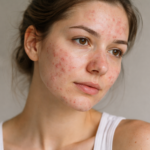
Sensitive skin is more than a temporary reaction — it’s an ongoing relationship between your skin, your environment, and how it’s cared for. This guide is for anyone with sensitive or reactive skin seeking safe, professional facial treatments that won’t cause irritation. Many people with skin sensitivity, persistent redness, or a compromised skin barrier struggle to find facial treatments that improve skin health without triggering irritation.
The safest professional facial treatments for sensitive skin include HydraFacial, Calm Skin Facials, LED Light Therapy, gentle chemical peels with lactic acid, and oxygen facials, all of which are designed to soothe, nourish, and protect the skin barrier without causing irritation.
At BluePoint Medical Spa, professional facial treatments for sensitive skin are approached with caution, customization, and medical oversight. Rather than aggressive techniques, the focus is on gentle cleansing, barrier support, and calming inflammation — all while respecting the skin’s natural defenses.
This guide explores the safest professional facial treatments that don’t irritate, explains why sensitive skin reacts the way it does, and outlines how medically guided care can support a calmer, healthier complexion over time.
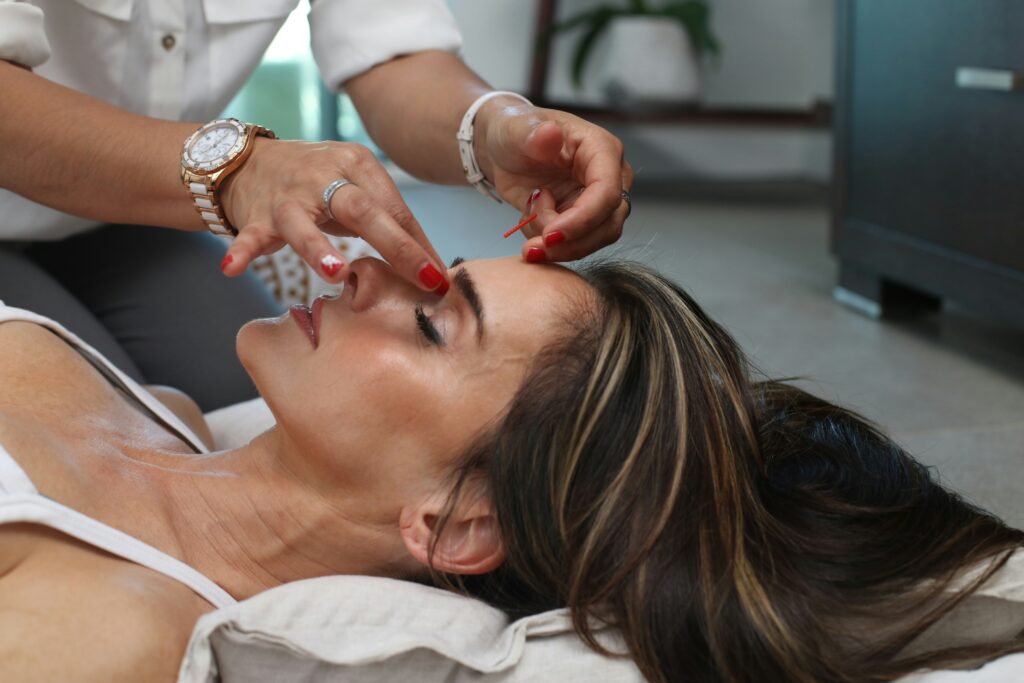
The Safest Professional Facial Treatments for Sensitive Skin
The following professional facial treatments are considered the safest options for individuals with sensitive or reactive skin. These treatments are non-irritating and focus on soothing, nourishing, and protecting the skin barrier:
- HydraFacial: A non-invasive treatment that cleanses, exfoliates, and deeply hydrates the skin without downtime or irritation.
- Calm Skin Facials: Designed specifically for individuals with sensitive skin, these facials focus on soothing and reducing inflammation.
- LED Light Therapy: This treatment utilizes controlled light wavelengths to support various skin care goals. It is commonly incorporated into professional skincare plans to help soothe visible redness and support overall skin comfort, particularly for individuals with sensitive or reactive skin.
- Gentle Chemical Peels with Lactic Acid: Provides safe exfoliation for sensitive skin without irritation.
- Oxygen Facials: Ideal for infusing hydration, calming redness, and rejuvenating sensitive skin.
Each of these treatments is tailored to minimize irritation and support the skin’s natural barrier function.
Understanding Sensitive Skin: Why Irritation Happens More Easily
Sensitive skin refers to a skin condition in which the surface reacts more readily to internal and external influences. Individuals may notice increased redness, tightness, dryness, or sensations of irritation when exposed to certain products, weather changes, or daily stressors.
These responses are often linked to a weakened skin barrier, which reduces the skin’s ability to retain moisture and defend against potential irritants. Because triggers and severity vary from person to person, professional evaluation can help guide appropriate care and product selection.
Sensitive skin often reacts faster and more intensely to both internal and external triggers. Environmental stressors, harsh ingredients, sun exposure, and even temperature changes can disrupt the skin’s natural barrier, making it more reactive.
When the skin barrier function is compromised, moisture escapes more easily, and irritants penetrate deeper. This can lead to redness, stinging, dryness, or flare-ups that feel unpredictable and frustrating.
Professional care begins with recognizing that sensitive skin is not a flaw — it’s a signal that the skin needs support, protection, and thoughtful treatment planning rather than aggressive correction.
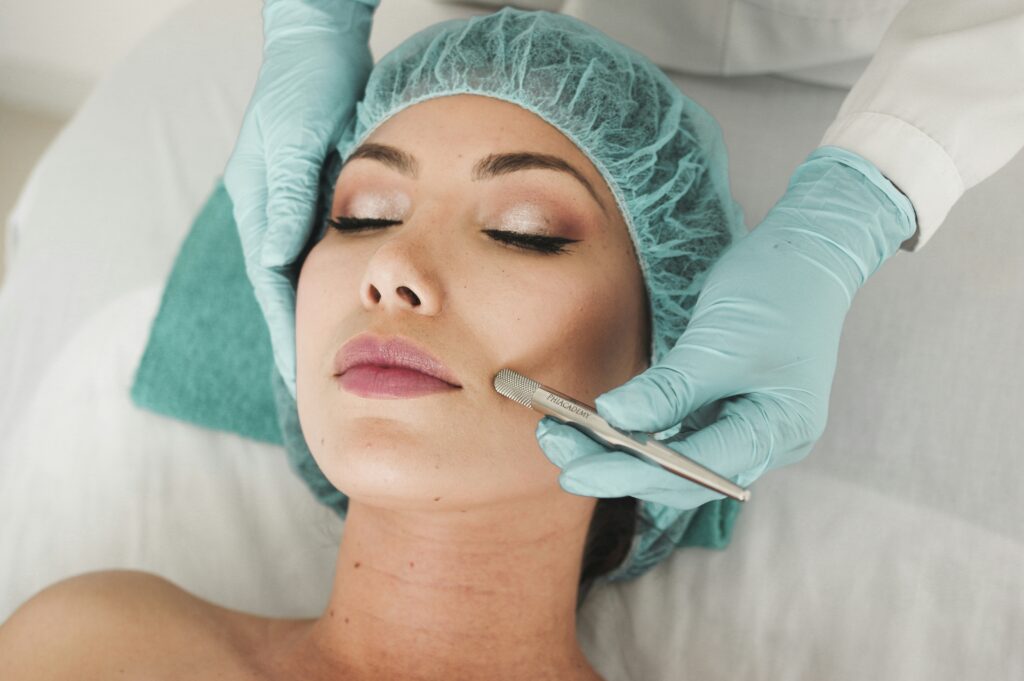
The Role of the Skin Barrier in Long-Term Skin Health
The skin’s moisture barrier acts as a protective shield. When intact, it helps regulate hydration, defend against allergens, and maintain overall skin health.
Many facial treatments aim to “fix” the surface of the skin without considering barrier health. For sensitive skin types, this can worsen irritation instead of improving results.
The safest professional facials prioritize barrier repair, hydration, and calming ingredients that help the skin restore balance gradually.
Why Not All Facials Are Safe for Sensitive Skin
Not all spa treatments are appropriate for reactive or delicate skin. Aggressive exfoliation, strong acids, excessive heat, or fragranced products may irritate sensitive skin, even when marketed as “gentle.”
Sensitive skin reacts differently depending on individual factors such as skin tone, dryness, acne-prone tendencies, and environmental exposure. This is why professional guidance matters.
A customized skin analysis allows skincare professionals to determine which treatments may support healing and which should be avoided.
Customized Skin Analysis: The Foundation of Safe Treatment
Before any professional facial, sensitive skin requires a thorough evaluation. Every sensitive skin facial treatment should begin with a customized skin analysis conducted by a skincare professional to ensure the right approach is taken. This includes assessing redness patterns, hydration levels, prior reactions, and existing skincare routines.
Customization helps reduce the risk of allergic reactions, excessive inflammation, or delayed irritation after treatment. It also ensures that products and techniques align with specific skin concerns rather than generic protocols. This personalized approach supports safer outcomes and more predictable improvements over time.
Gentle Cleansing Facials for Sensitive Skin
Gentle cleansing facials focus on removing surface impurities without disrupting the skin’s protective layer. Instead of harsh surfactants, gentle cleansers are used to lift debris while preserving hydration.
These treatments help remove environmental buildup and excess oil without stripping natural oils. For many patients, this supports calmer skin tone and improved comfort.
Gentle cleansing is often recommended as a starting point for those new to professional care or experiencing very sensitive skin.
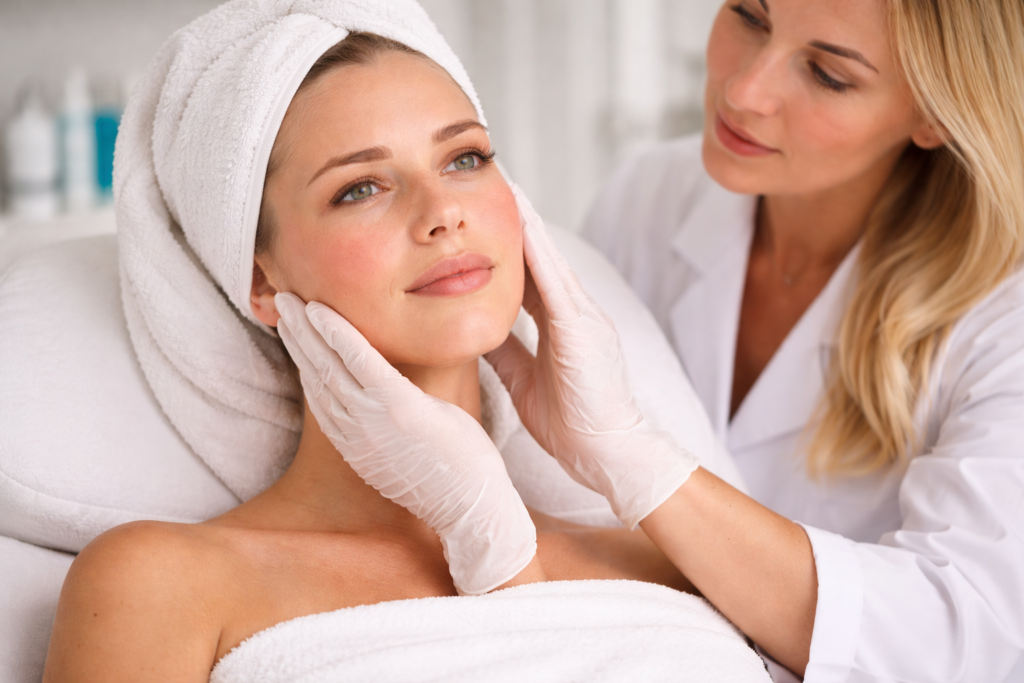
Gentle Exfoliation Without Compromising the Skin Barrier
Exfoliation doesn’t have to be aggressive to be effective. For sensitive skin, controlled exfoliation helps remove dead skin cells while minimizing irritation.
Mild exfoliating agents such as lactic acid or enzyme-based formulas may be used in low concentrations. These options work on the surface without penetrating deeply or triggering inflammation. Professional oversight ensures exfoliation supports renewal rather than damaging the skin’s natural barrier.
Hydration-Focused Facials for Dry and Sensitive Skin
Hydration plays a central role in calming reactive skin. Dehydrated skin often appears redder, tighter, and more uncomfortable.
Facials that emphasize deep hydration use ingredients like hyaluronic acid, soothing serums, and occlusive moisturizers to help replenish moisture levels. By restoring hydration, the skin becomes more resilient and less prone to irritation from daily stressors.
Soothing Ingredients That Support Sensitive Skin
Certain ingredients are commonly used in treatments for sensitive skin because of their calming and supportive properties. Aloe vera, green tea extract, and carefully selected natural ingredients are frequently incorporated.
These ingredients may help reduce visible redness and support the skin’s natural healing processes without overwhelming reactive skin types. Ingredient selection is especially important for patients with persistent redness or reactive skin patterns.
LED Light Therapy for Sensitive and Reactive Skin
LED light therapy is a non-invasive treatment often used to support sensitive skin without physical contact or exfoliation. Specific wavelengths of light may help calm inflammation and support overall skin tone.
Because there is no heat or abrasion involved, LED therapy is often chosen for patients who cannot tolerate traditional treatments.
Results vary depending on individual skin response, and multiple sessions may be recommended as part of a broader skincare plan.
When Chemical Peels Are Used With Caution
Chemical peels are not automatically excluded for sensitive skin, but they require careful selection and medical oversight. Very mild peels using low-strength acids may be appropriate for some patients.
The goal is never aggressive resurfacing. Instead, controlled treatments may support brightness and texture while minimizing irritation. Not all sensitive skin types are candidates, which is why consultation is essential.
Managing Acne-Prone and Sensitive Skin Together
Sensitive skin can still experience breakouts. In these cases, treatments must balance calming inflammation while addressing congestion.
Non-irritating approaches focus on gentle cleansing, hydration, and barrier support rather than aggressive acne treatments. This balanced strategy helps reduce the risk of over-drying or triggering additional sensitivity.
The Importance of Medical Supervision in Sensitive Skin Treatments
Medical oversight ensures that treatments are selected based on skin health, not trends. Licensed providers help screen for contraindications and adjust protocols as needed.
This level of care is particularly important for individuals with reactive skin, autoimmune conditions, or a history of allergic reactions.
Professional supervision helps reduce risks while supporting thoughtful, gradual improvement.
How Professional Facials Support Long-Term Skin Health
Professional facials for sensitive skin are not about instant transformation. They are about maintaining healthy skin, supporting barrier repair, and reducing flare-ups over time.
Consistency, rather than intensity, plays a key role in visible improvement. Many patients find that regular gentle treatments help stabilize their skin’s response. Long-term skin health depends on combining in-spa care with an appropriate at-home routine.

FAQ
What is the safest facial treatment for very sensitive skin?
The safest options typically focus on gentle cleansing, hydration, and non-invasive techniques. A personalized consultation helps determine which treatment aligns best with individual skin sensitivity.
Can professional facials help reduce redness in sensitive skin?
Some treatments may help calm inflammation and support a more even skin tone. Results vary depending on skin type, triggers, and consistency of care.
Are chemical peels safe for sensitive skin?
Mild chemical peels may be appropriate for select patients when performed under medical supervision. Not all sensitive skin types are candidates, so evaluation is essential.
Conclusion: Calmer Skin Starts With Thoughtful, Professional Care
Sensitive skin deserves care that respects its limits while supporting its strengths. The safest professional facial treatments focus on gentle cleansing, hydration, calming inflammation, and barrier repair — not aggressive correction.
At BluePoint Medical Spa, treatments are customized, medically guided, and designed to support long-term skin health rather than short-term results. Because individual responses vary, a personalized consultation is always recommended.
Ready to explore sensitive skin solutions that prioritize comfort and care? Schedule a consultation with BluePoint Medical Spa today to learn which professional facial treatments may be right for you.