Facials and laser skin treatments are often chosen with the goal of achieving smoother texture, improved tone, and overall skin rejuvenation. While the treatment itself plays an important role, what happens afterward frequently makes all the difference in how the skin heals and responds. Many patients underestimate how sensitive the post-procedure skin phase can be, especially after a laser treatment that affects the outer layers of the skin.
After procedures such as laser skin resurfacing,laser resurfacing, or advanced facials, the skin barrier may be temporarily compromised. During this time, the skin’s natural barrier works actively to repair itself, regulate moisture, and protect against uv rays, bacteria, and irritation. Actions taken too soon—or habits continued without adjustment—can interfere with the healing process and potentially affect laser treatment results.
Understanding what not to do after a facial or laser session helps patients protect their investment, reduce the risk of prolonged redness, and support healthy collagen production. With proper guidance and professional oversight, post-treatment care can remain simple, realistic, and aligned with long-term skin health rather than quick fixes.
Understanding the Healing Process After Facial and Laser Treatments
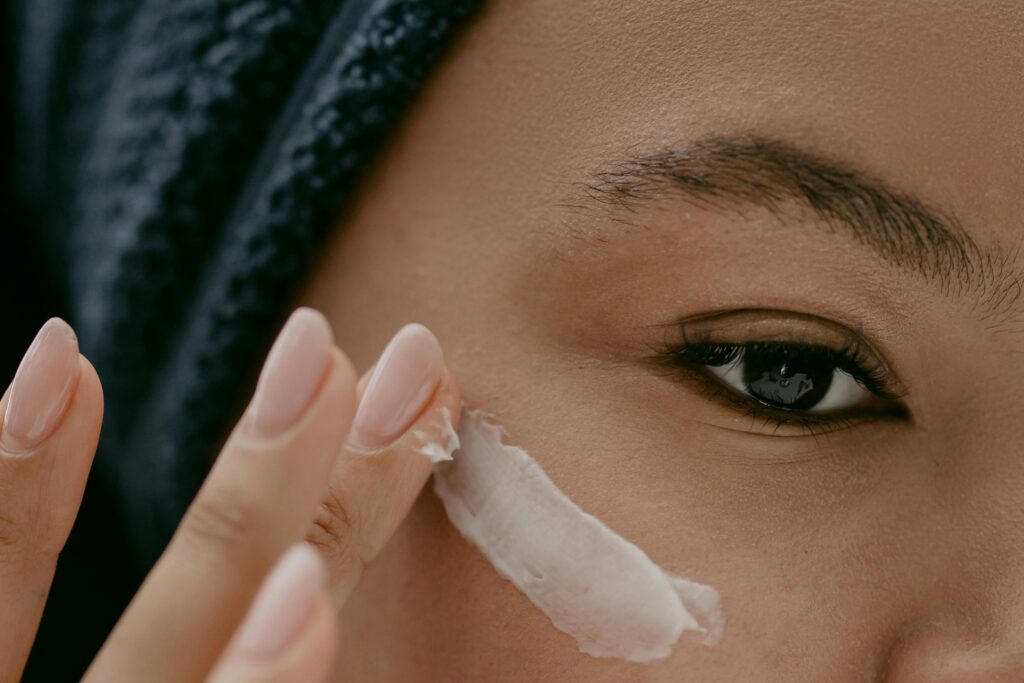
After a facial or laser therapy, the skin enters a structured healing process. This phase allows the skin to regenerate, restore hydration, and rebuild the skin’s natural barrier. Procedures designed to address acne scars, uneven tone, or reduce wrinkles often stimulate controlled injury to encourage collagen production, making post-treatment care especially important.
During this time, the skin may experience post-treatment redness, warmth, or increased sensitivity. These responses are generally expected and indicate that the skin is actively repairing itself. However, disrupting this process—by exposing the skin to irritants or uv exposure—can slow how the skin heals and increase the likelihood of unwanted outcomes.
Patients benefit most when they recognize that minimal downtime does not mean zero responsibility. Even when treatments are described as gentle or non-invasive, respecting the recovery window helps protect new skin, support recovery, and avoid unnecessary stress on already vulnerable tissue.
Why Avoiding Direct Sunlight Is Critical After Treatment
One of the most important guidelines after a facial or laser session is to avoid sun exposure. Freshly treated skin is more susceptible to sun damage, especially from direct sunlight and cumulative uv rays. This vulnerability applies whether the goal was unwanted hair reduction or skin resurfacing for texture and tone.
Exposure to uv exposure too soon can interfere with the healing process and potentially contribute to uneven tone or prolonged inflammation. In some cases, it may also affect blood vessels, leading to lingering redness or discoloration that takes longer to resolve. This is why providers often emphasize avoiding outdoor activities during peak sun hours.
Consistent use of broad-spectrum sunscreen with a mineral-based formula, such as products containing zinc oxide, helps protect the skin while allowing it to heal naturally. Covering the treated area and limiting time outdoors are simple yet meaningful steps that support optimal results.
Why Tanning Beds and UV Exposure Should Be Avoided
Artificial sources of UV light, including tanning beds, pose similar risks as natural sunlight—often at higher intensity. After laser skin procedures or facials that affect the outer layers, exposure to tanning beds can significantly disrupt the recovery phase.
Tanning beds increase the risk of sun exposure-related complications, including irritation and delayed healing. They may also increase sensitivity in patients with sensitive skin or specific skin type considerations. This risk applies even if the skin appears calm on the surface.
Avoiding tanning beds supports long-term skin health and reduces the likelihood of post-treatment concerns. Providers in aesthetic dermatology consistently recommend complete avoidance during recovery to protect the integrity of the treatment area.
Why You Should Delay Returning to Your Usual Makeup Routine
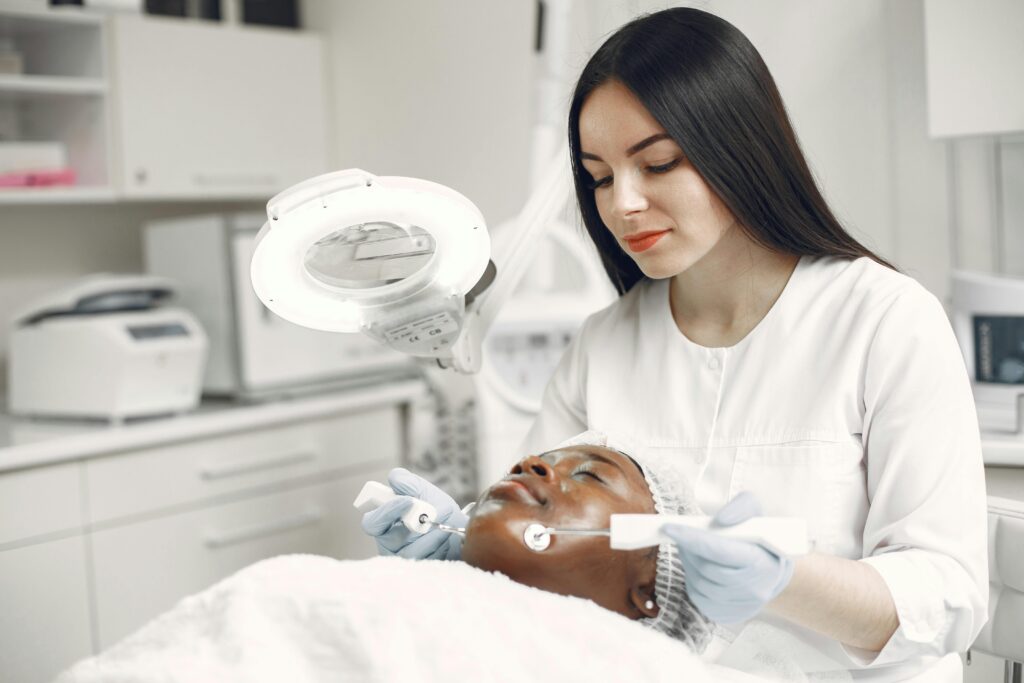
Many patients are eager to wear makeup shortly after a facial or laser procedure. However, returning too quickly to a usual makeup routine can prevent the skin from healing properly. Makeup products may clog pores, trap heat, or introduce substances that irritate vulnerable skin.
Post-treatment skin needs time to breathe and regulate its natural processes. Applying makeup too early may increase the risk of irritation or even introduce bacteria, potentially leading to breakouts or inflammation during recovery.
Waiting until a provider gives the green light helps protect the skin and supports smoother healing. When makeup is reintroduced, choosing gentle, non-comedogenic products aligned with post-treatment care recommendations can make a meaningful difference.
Why Active Ingredients Should Be Paused Temporarily
Skincare products containing active ingredients such as glycolic acid, salicylic acid, alpha hydroxy acids, or vitamin C are commonly used to target skin concerns. After facials or laser skin treatments, however, these ingredients may be too stimulating for compromised skin.
During the healing phase, the skin’s priority is barrier repair, not exfoliation or accelerated cell turnover. Using actives too soon may increase redness, sensitivity, or discomfort, potentially leading to post-laser irritation.
A simplified skincare routine that focuses on hydration and protection allows the skin to recover efficiently. Providers often recommend gentle cleansers and a fragrance-free moisturizer until the skin has stabilized.
Why Hot Showers, Steam Rooms, and Heat Exposure Should Be Avoided
Heat exposure can significantly affect post-treatment skin, especially following ablative laser or resurfacing laser procedures. Activities such as avoiding hot showers, visiting a steam room, or intense workouts can increase blood flow to the skin.
This increased circulation may contribute to post-treatment redness or swelling, potentially leading to prolonged discomfort. Heat can also interfere with the skin’s ability to regulate inflammation during recovery.
Choosing lukewarm water and avoiding environments with excessive heat support a calmer healing environment. These adjustments help maintain comfort and protect the treated area during a sensitive phase.
Why Alcohol-Based Toners and Harsh Products Can Disrupt Healing
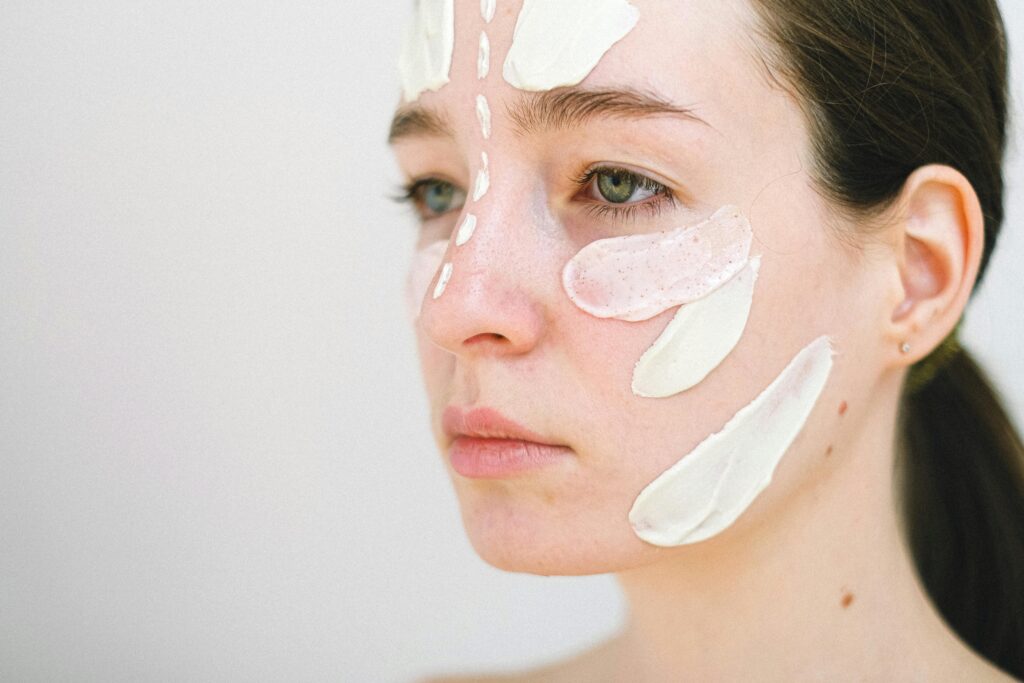
Products containing alcohol, including alcohol based toners, may feel refreshing but can strip moisture from already vulnerable skin. After laser resurfacing or facials, this can compromise the skin barrier further.
Dryness and irritation caused by harsh products may slow how the skin heals and increase sensitivity. This can make recovery less comfortable and affect the appearance of smooth skin over time.
Gentle formulations with hyaluronic acid can help maintain hydration while supporting recovery. Selecting products designed for post-procedure use is a practical step toward optimal results.
The Role of Professional Guidance in Post-Treatment Care
Every facial or laser treatment is unique, and recovery recommendations may vary based on the procedure and individual skin type. Working with a board-certified dermatologist or licensed medical professional ensures that post-treatment care aligns with the specific goals of the procedure.
Professional guidance helps patients understand realistic expectations, potential side effects, and appropriate timelines for reintroducing products or activities. This context supports informed decision-making and reduces uncertainty during recovery.
Ongoing communication with the care team allows adjustments when needed, helping patients feel supported throughout the healing process.
Supporting Recovery and Protecting Long-Term Results
Post-treatment care is not just about avoiding mistakes—it’s about actively supporting recovery. Using a broad spectrum spf, maintaining hydration, and following professional advice all contribute to optimal results.
Protecting the skin’s natural barrier during recovery helps preserve the benefits of treatments aimed at skin rejuvenation or addressing sun damage. These steps also reduce the risk of complications such as irritation or infection.
Thoughtful aftercare reinforces the value of the treatment itself, allowing patients to enjoy gradual, natural improvements over time.
FAQ
How long should I avoid sun exposure after a laser treatment?
Most patients are advised to avoid direct sunlight for at least one to two weeks, depending on the procedure. Your provider may recommend longer protection based on your skin type and treatment depth.
Can I use sunscreen immediately after a facial or laser session?
Yes, using a broad-spectrum sunscreen with a mineral-based formula is typically encouraged once approved by your provider. This helps protect healing skin from uv exposure.
When can I return to my usual skincare routine?
Active products are usually reintroduced gradually after the skin has healed. A professional consultation helps determine safe timing based on your specific treatment.
Is redness normal after laser skin resurfacing?
Mild to moderate post-treatment redness is common and often temporary. If redness persists or worsens, contacting your provider is recommended.
Conclusion
Understanding what not to do after a facial or laser treatment empowers patients to protect their skin during a critical recovery period. Avoiding direct sunlight, delaying makeup use, pausing active ingredients, and minimizing heat exposure all support the natural healing process and help the skin recover effectively.
Results can vary depending on individual factors, procedure type, and adherence to post-treatment guidance. Professional oversight remains essential to ensure safety and realistic expectations throughout recovery.
If you are planning or have recently undergone a facial or laser skin treatment, scheduling a consultation with BluePoint Medical Spa can provide personalized guidance tailored to your skin and goals. Professional support helps ensure your post-treatment care decisions are informed, safe, and aligned with long-term skin health.