When people start exploring beauty and wellness, the word “spa” can mean a lot of different things. Some patients want a calming, relaxing environment to decompress, while others are searching for results-oriented services like laser hair removal,chemical peels, or injectable treatments for lines and wrinkles. It’s completely reasonable to pause and ask: what makes a medical spa different from a regular day spa, and why does that difference matter for your comfort and safety?
At BluePoint Medical Spa, we see patients who want clarity, not sales language. Understanding the difference between a traditional spa and a medical spa helps you choose services that match your needs, your risk tolerance, and your long-term wellness journey. It also helps you set realistic expectations about what’s relaxing, what’s clinical, and what should always involve medical oversight.
What Makes a Medical Spa Different From a Regular Day Spa if Both Offer Facial Treatments?
On the surface, both a day spa and a med spa may advertise facial treatments, glow-boosting services, and personalized care. That’s why people can feel unsure—especially when they’re comparing menus and seeing similar language around “rejuvenation” or “anti-aging.” The key difference is that a medical spa is built to deliver services that involve medical procedures, medical treatments, or technology that can affect the skin more deeply and, therefore, requires clinical screening and safety protocols.
A traditional day spa typically centers on comfort-based services and basic beauty treatments like basic facials, body wraps, and relaxation experiences. Those services can be valuable for stress reduction and self-care, but they are not designed to address complex concerns like acne scars, uneven skin tone, or more advanced signs of aging with the same level of clinical precision.
Is It Safer to Choose a Med Spa for Laser Treatments and Advanced Procedures?
Safety is often the reason people start comparing spa vs med spa in the first place. Laser treatments, intense pulsed light, and procedures like laser skin resurfacing can be highly technique-dependent, meaning outcomes and side effects can vary based on the device, the settings, and the provider’s training. In a medical spa, these services are typically performed under medical supervision with protocols that account for skin type, sensitivity, and health history.
This doesn’t mean a day spa is “unsafe”—it means the scope is different. A day spa may be the right place for relaxation-focused spa treatments, but when the service is energy-based, injectable, or involves deeper exfoliation, the medically supervised environment can be a meaningful advantage for appropriate candidates.
Who Actually Performs Treatments in a Medical Spa—And Why Does It Matter?
Patients often want to know who will be in the room and what their training is, especially for advanced aesthetic treatments or injectable treatments. A medically aligned setting typically involves licensed healthcare professionals such as a licensed physician, a licensed medical doctor, and trained clinicians like nurse practitioners or physician assistants who have specialized training in aesthetics and patient assessment.
That structure matters because the provider isn’t just performing a service—they’re also evaluating risk, adjusting technique, and knowing when a treatment should be delayed. This level of medical expertise becomes particularly important for patients with skin conditions, a complex medical history, or prior reactions to strong products or procedures.
What “Medical Grade Treatments” Really Means in a Med Spa Setting
The phrase medical grade treatments can sound vague, so it helps to define it. In practice, it usually refers to services and products that can change the skin more significantly—often reaching beyond the surface to influence tone, texture, and visible aging patterns. These include services like chemical peels, certain laser treatments, and advanced approaches to resurfacing or pigment management.
What makes them “medical” is not just the intensity—it’s the expectation of assessment, contraindication screening, and structured aftercare. When a treatment can irritate, inflame, or create meaningful peeling, the environment should support safe recovery and informed decision-making, not just a pleasant experience.
Why Medical Supervision and Medical Oversight Change the Patient Experience
Medical supervision and medical oversight are not just administrative terms. They shape how treatment decisions are made, how devices are used, and how complications are prevented or managed. In a med spa, clinical oversight often includes protocols for evaluating skin sensitivity, discussing medication interactions, and determining whether a treatment is appropriate based on current health status.
This matters because aesthetics is still healthcare-adjacent. Even when a service is elective, it may involve a controlled injury response, barrier disruption, or heat-based changes in the skin. Having medical knowledge guiding the plan can reduce guesswork and help patients feel more confident in the process.
How a Personalized Treatment Plan Starts With Medical History
A meaningful personalized treatment plan isn’t just “pick a facial.” It begins by understanding your medical history, including past skin reactions, current skincare use, and conditions like acne or rosacea tendencies. For some services—especially lasers, peels, and injectables—what you’re using at home (retinoids, acids, or prescription products) can influence sensitivity and healing.
In a medical clinic environment, that screening is part of the standard workflow. It’s not meant to make the process feel overly clinical; it’s meant to protect your skin and support a smoother recovery. When patients understand why questions are being asked, they’re often better equipped to choose the right service for their lifestyle and comfort level.

How Medical Spas Focus on Beauty and Wellness Goals With Clinical Precision
When people say medical spas focus on results, they’re often referring to the ability to address concerns that go beyond surface glow. A med spa may help patients work on uneven skin tone, visible pores, texture irregularities, or early signs of aging with technologies designed for those issues. The emphasis is still patient-centered and wellness-aligned, but the tools can be more advanced.
This is where beauty and wellness goals become practical. Instead of chasing trends, a medical spa can help patients align services with what they actually want—whether that’s a clearer tone, smoother texture, or a refreshed look that supports confidence. The best care respects natural appearance and prioritizes long-term skin stability over quick fixes.
What Med Spas Offer That Traditional Day Spas Typically Don’t
In most cases, med spas offer services that are closer to medical aesthetics than traditional relaxation care. That may include energy-based procedures like laser skin resurfacing, skin renewal through chemical peels, and injectable services like Botox injections or dermal fillers for patients who are appropriate candidates. These treatments can be elective, but they still require clinical judgment and individualized dosing or settings.
By contrast, traditional day spas are often built around comfort and sensory experience. They may have excellent massage therapists, calming rooms, and high-quality relaxation services. The difference isn’t “better vs worse”—it’s the scope of what’s being treated and the level of clinical oversight required.
Why Trained Medical Professionals Matter for Skin Conditions
If you have ongoing skin conditions—like acne-prone skin, sensitivity, or a history of pigment changes—provider training matters. A med spa’s emphasis on trained medical professionals and licensed medical professionals supports better customization and safer decision-making. It also helps ensure you’re not receiving a service that could aggravate an underlying condition or create avoidable irritation.
Even for patients without a complex diagnosis, experience matters. Clinicians with specialized training can better recognize when a treatment should be modified, when a gentler option is more appropriate, and how to sequence treatments over time to reduce stress on the skin barrier.
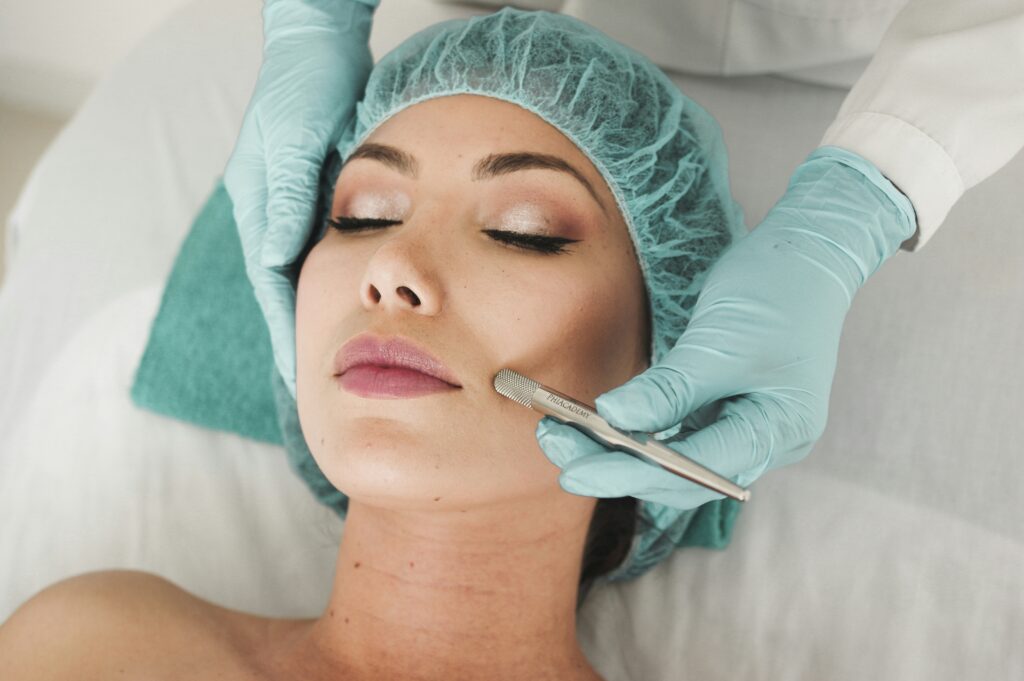
What Treatments Are Offered at a Medical Spa? Usually Include—From Injectables to Laser Hair Removal
A medical spa’s menu often reflects a blend of cosmetic and clinically guided options. Many patients come in for laser hair removal or other hair removal solutions because they want a longer-term strategy that is still elective and lifestyle-friendly. Others are curious about laser treatments for tone and texture, including options that support pigment reduction or overall skin refinement.
Another common category is injectable treatments such asBotoxx injections and dermal fillers, which may help soften the appearance of expression lines or support facial balance for certain candidates. These are not “one-size-fits-all” services; they require appropriate assessment, conservative planning, and a clear discussion of goals and maintenance.
How Chemical Peels and Medical Grade Skincare Fit Into Skin Texture and Tone Goals
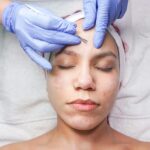
Chemical peels are often chosen to improve surface-level concerns like dullness, mild texture irregularities, and visible congestion related to dead skin cells. In a medical spa setting, the peel type and depth can be selected to match your skin sensitivity and goals—particularly when you’re targeting uneven skin tone or a rough feel on the skin’s surface.
Medical-grade skincare can complement this work by supporting the barrier, regulating oil and turnover, and helping maintain improvements between visits. It’s not about buying the “most expensive” products. It’s about selecting formulations that match your skin’s needs and help you stay consistent, which is often what determines whether results last.
What About Laser Skin Resurfacing, Intense Pulsed Light, and Advanced Treatments?
For patients who want more targeted change, options like laser skin resurfacing can address texture concerns, visible sun damage, or early aging changes—depending on device selection and settings. Intense pulsed light can be used for redness and pigment in appropriate candidates, and some patients consider it when they’re addressing tone changes that don’t respond to topical care alone.
These are examples of advanced treatments and procedures that benefit from screening and clinician guidance. Your provider evaluates skin sensitivity, lifestyle, and recovery tolerance before recommending a plan. That clinical process helps patients feel more secure and reduces the likelihood of choosing a treatment that doesn’t match their skin’s current state.
Can Med Spa Treatments Help With Acne Scars, Lines, and Wrinkles?
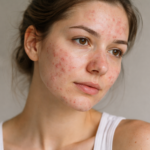
Many patients explore a med spa because they’re noticing acne scars or early lines and wrinkles,s and want options beyond basic facials. Depending on the concern, treatment may focus on surface renewal, collagen-supportive strategies, or targeted modalities designed to refine texture and smooth visible irregularities over time.
It’s important to keep expectations realistic: scars and lines respond gradually, and the right approach may involve combining procedures and spacing them thoughtfully. The goal is not to chase “perfect” skin. It’s to support healthier, more even-looking skin while preserving natural expression and comfort.

How Do Med Spas Combine Relaxation With Medically Supervised Treatments?
People sometimes worry that a med spa will feel cold or overly clinical. The best medical spas intentionally balance professionalism with comfort, offering a relaxing environment while still maintaining standards for documentation, cleanliness, and safety. That blend is often why patients choose a med spa: they want results-oriented care without losing the experience of self-care.
In this setting, wellness is not just a mood—it’s a plan. Your treatment choices can be aligned with stress, lifestyle, and personal goals, while still being guided by clinical judgment. That combination can feel especially supportive for patients who want structure and reassurance in their skincare decisions.
How Medical Spas Operate Differently for Safety and Consistency
When people ask what makes a medical spa different from a regular day spa, safety and consistency are usually at the center. A med spa typically has a defined clinical structure: a medical director, formal protocols, and clear lines of responsibility. This is part of how medical spas operate—not only delivering treatments, but doing so with repeatable standards and documented decision-making.
This matters for patients because it reduces uncertainty. When you return for follow-ups, your provider can track how you responded and refine the plan. It also matters because some treatments have contraindications, require careful timing, or should be avoided during certain skin flare-ups. Clinical standards help protect both outcomes and comfort.
FAQ
What makes a medical spa different from a regular day spa for facial treatments?
A medical spa offers more clinically guided services and may include procedures that require medical supervision, such as lasers or injectables. A day spa typically focuses on relaxation-based care and basic beauty treatments. The best choice depends on whether your goal is comfort, clinical improvement, or both.
Should I choose a med spa for laser hair removal or laser skin resurfacing?
If you’re considering laser hair removal or laser skin resurfacing, a med spa can be beneficial because these services are often performed with medical oversight and individualized settings. Provider training matters for safety and comfort, especially across different skin types. A consultation helps determine the right approach for you.
Who provides treatment at a med spa—are there medical professionals involved?
Many med spas use licensed healthcare professionals such as nurse practitioners or physician assistants, often working under a medical director or licensed physician. The exact structure varies, so it’s appropriate to ask who will perform your service and what their training includes. Transparent answers are a sign of a patient-centered clinic.
Conclusion
Choosing between a traditional spa and a medical spa becomes much easier when you know what you’re trying to address. If your priority is relaxation and sensory reset, a day spa may be the right fit. If you’re exploring medical-grade treatments, laser treatments, injectable treatments, or other med spa treatments that require medical oversight, it’s worth speaking with a team that can evaluate your skin and guide you safely.
Individual results vary, and every procedure has potential risks or contraindications—especially when you’re managing sensitivity, acne, or pigment concerns. If you want a plan built around your goals and comfort, schedule a consultation with BluePoint Medical Spa to discuss treatment options, credentials, and what a personalized approach could look like for your skin and self-care priorities.