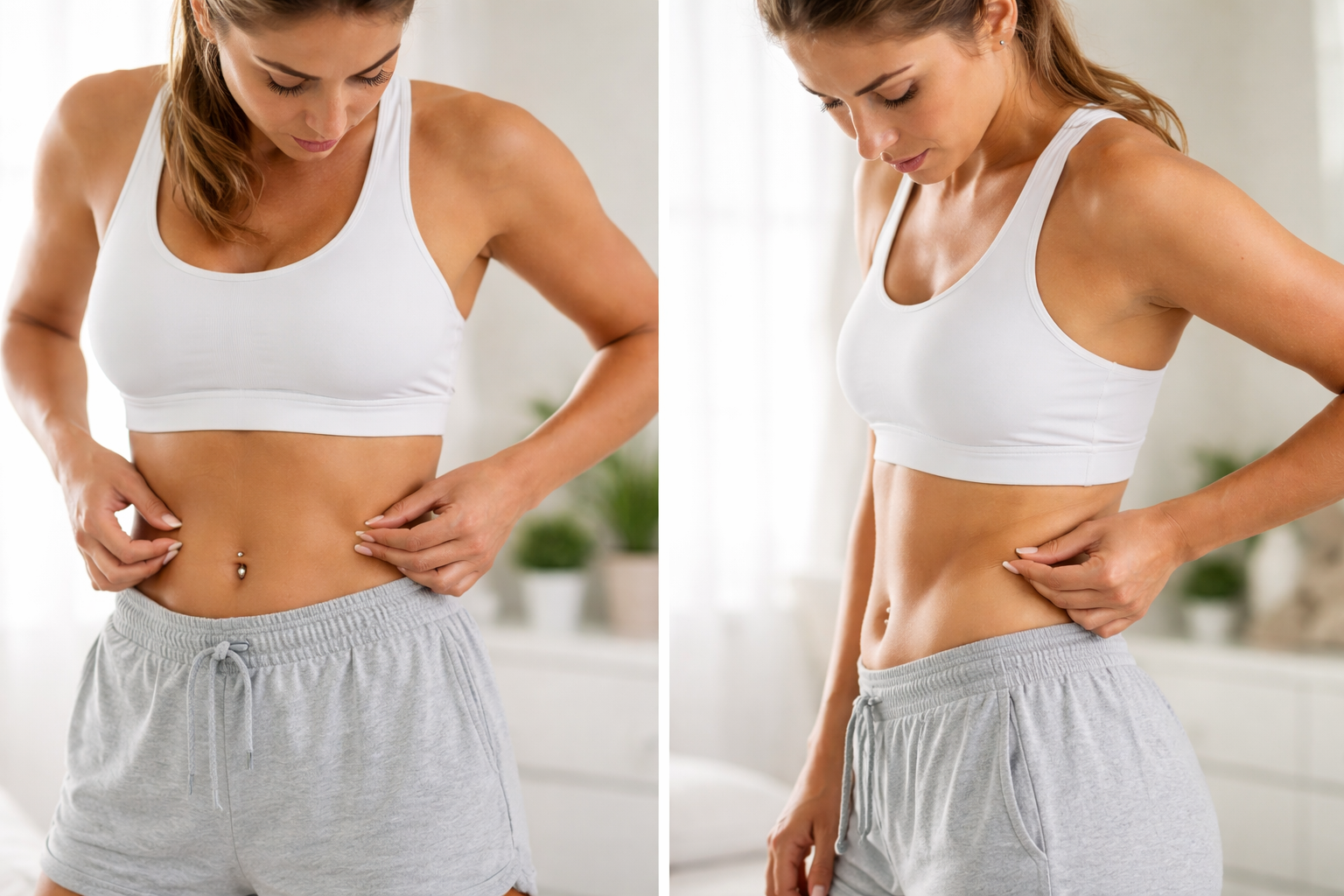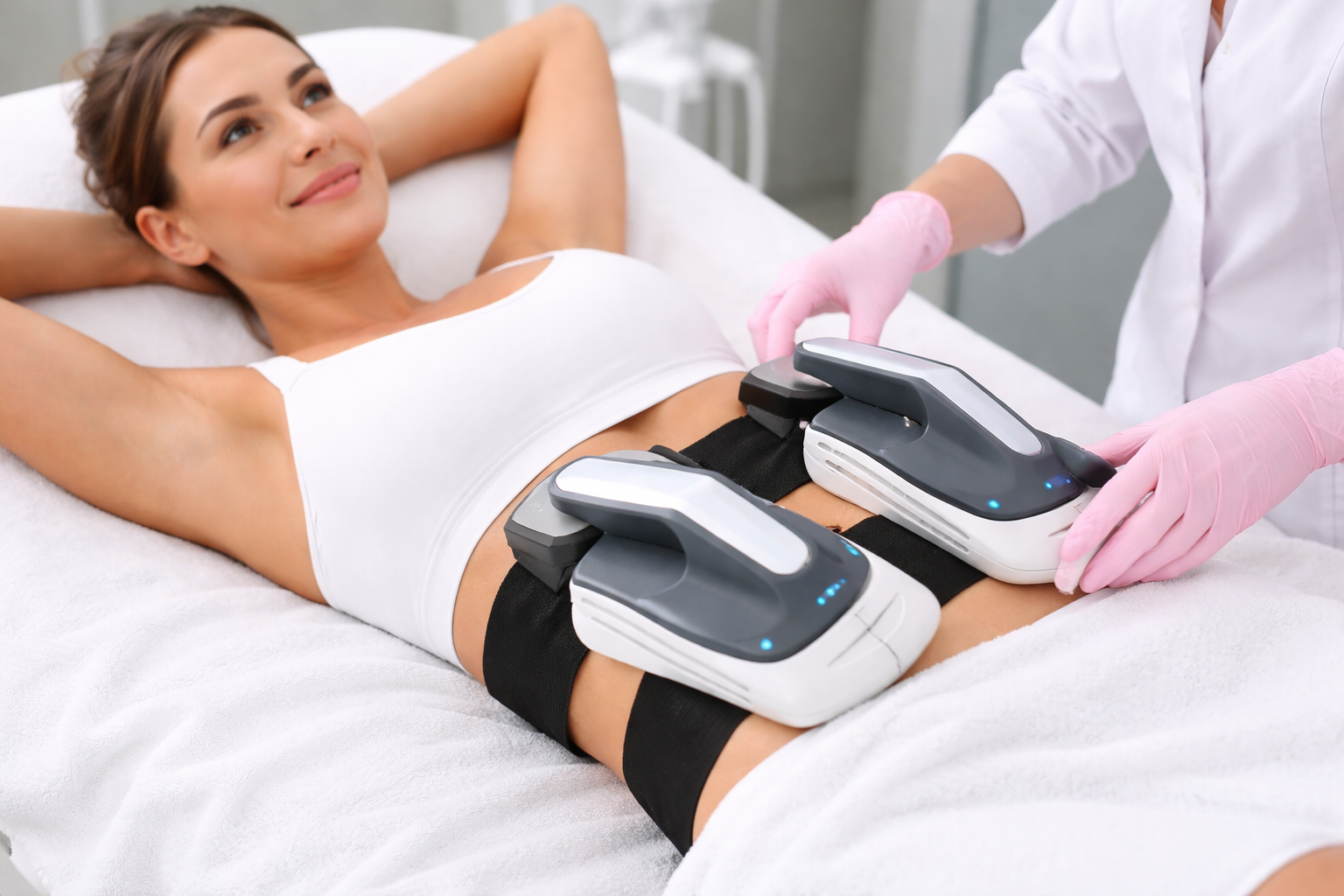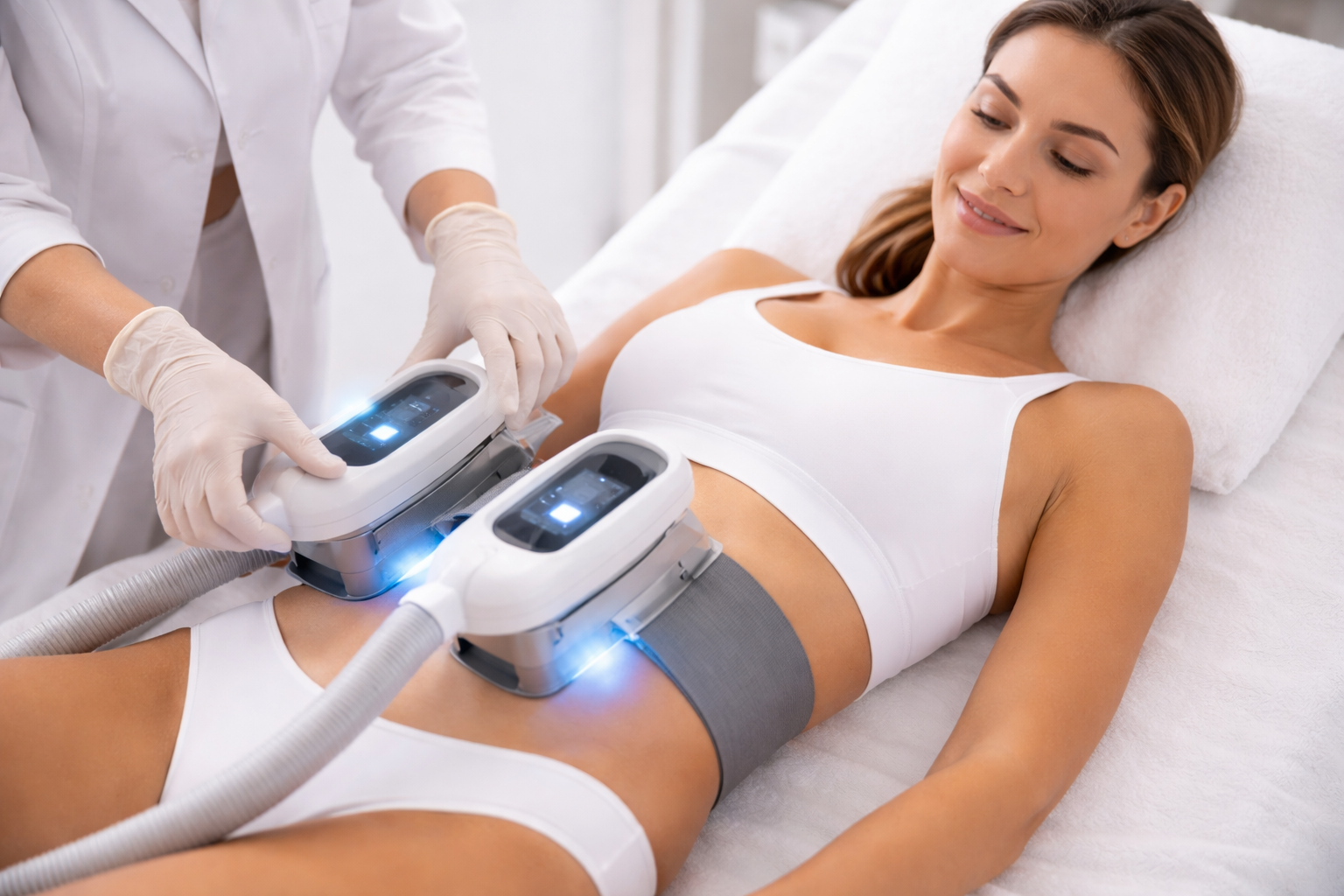
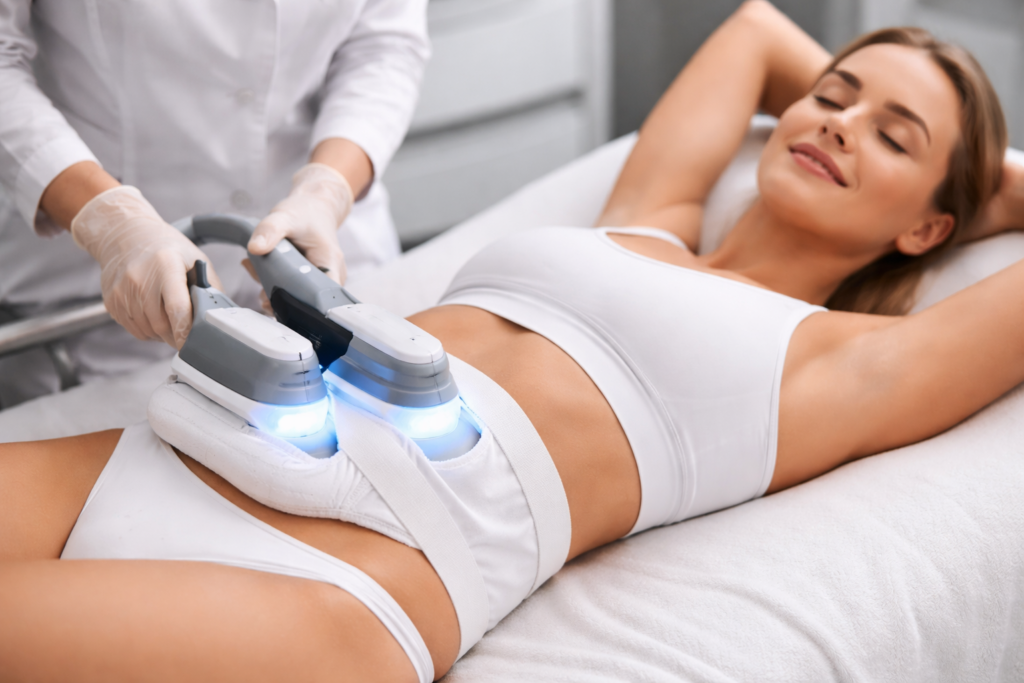
People often ask why body sculpting seems to work beautifully on one part of the body but more modestly on another. That question is valid, especially for patients who are already following diet and exercise routines and still feel frustrated by specific contours that do not reflect their effort.
At BluePoint Medical Spa, the brand message centers on individualized care, medical oversight, and treatment plans shaped around personal goals rather than one-size-fits-all promises. The spa also emphasizes that aesthetic care should feel tailored, thoughtful, and realistic for each patient experience.
That perspective matters because why body sculpting treatments work best on certain body areas is not just a marketing question. It is a clinical and anatomical question involving fat cells, skin quality, muscle structure, and how the body naturally processes treatment effects over time.
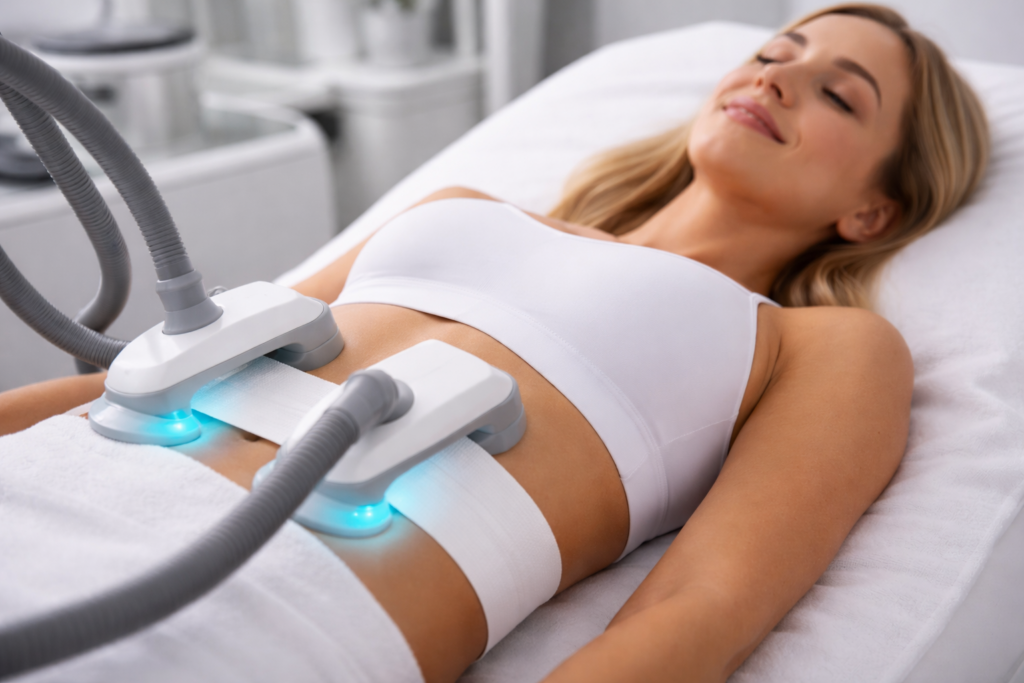
Why Some Areas Respond Faster
Some areas of the body hold stubborn fat deposits in ways that are more localized and easier to identify. When a treatment area is clearly defined, providers can often create a more precise treatment plan focused on contour rather than broad weight loss.
Other areas are more complex because they involve a mix of excess fat, loose skin, and limited underlying support. In those cases, even when fat reduction occurs, the visible change may appear softer or slower because skin quality also shapes the final look.
This is one reason patients may see better early change along the abdomen, flanks, or upper arms than in regions with more diffuse fullness. The issue is not that body contouring works only in a few places. It is that each zone has different limitations.
What Makes an Area Ideal for Contouring
A strong target for body contouring usually has a measurable pocket of stubborn fat that sits above reasonably healthy tissue. The area should also be stable enough that changes can be assessed clearly across a series of visits or over a few weeks of follow-up.
Skin behavior also matters. If the skin still has decent elasticity and skin firmness, the area may look smoother as volume changes occur. If there is significant sagging skin or extra skin, the contour may improve less dramatically, even if the treatment successfully helps reduce fat.
Good targeting is not about perfection. It is about choosing a zone where the anatomy, treatment method, and patient goals are aligned in a realistic way.
How Stubborn Fat Differs from General Weight Gain
General weight gain tends to affect the body shape more broadly, while stubborn fat often remains concentrated in specific regions even after a patient works hard to lose weight.
That is why many ideal candidates for a body sculpting treatment are already near a stable weight or ideal weight. They are not looking for a total-body transformation. They want to target fat in areas that have been resistant despite a healthy lifestyle and healthy habits.
This also explains why these treatments are not a substitute for major fat loss. They are better understood as contour-focused options for patients who are already committed to a consistent diet and routine movement.
How Fat Cells Affect Results
Most body sculpting procedures are designed around the behavior of fat cells in a chosen area. Some technologies use controlled cooling to destroy fat cells, while others use heat, energy, or other mechanisms to disrupt fat beneath the surface.
After that process, the body naturally processes the treated cells gradually. This is one reason results develop gradually rather than appearing overnight. Patients often need patience while the area changes in stages.
The starting amount of fat also matters. If a region has a modest, pinchable pocket, a body contouring treatment may produce a cleaner visual shift than an area with widespread fullness or mixed tissue concerns.
Why Skin Quality Matters
Skin is a major part of the final result. Even when a treatment is successful at helping eliminate fat or reduce fat, the overlying skin still has to adapt to the new contour.
If the skin has good elasticity, the area may look firmer and more refined as it settles. If a patient has loose skin, reduced skin texture, or changes related to natural aging, the contour may improve without looking especially tight.
That is why some patients also ask about skin tightening or treatments that support collagen production in the deeper layers of tissue. In selected cases, that combination may better address skin firmness and overall smoothness. BluePoint’s published aesthetic content similarly emphasizes customized plans based on skin condition, goals, and lifestyle rather than a uniform protocol.
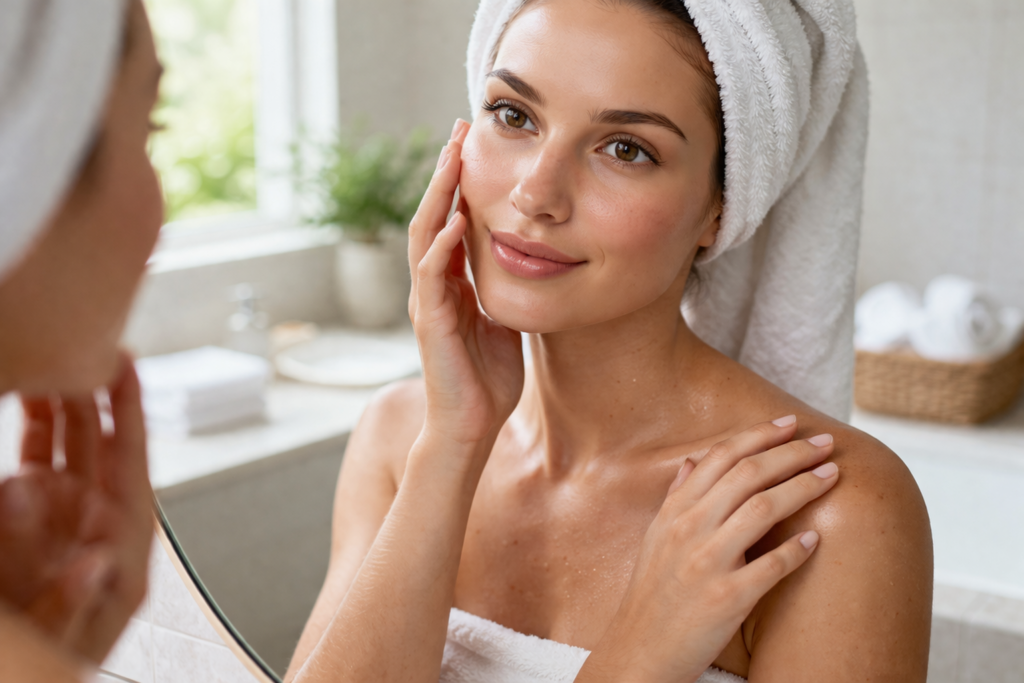
Can Body Sculpting Tighten Skin?
Some patients do notice a firmer appearance after treatment, especially when the device or plan includes an element intended to support collagen production or tighten skin. Still, that does not mean every non-surgical body contouring approach is truly designed to correct significant laxity.
When excess skin or sagging skin is the main concern, the discussion changes. A patient may need a different aesthetic strategy because reducing volume alone will not always adequately address sagging skin.
That is where consultation matters most. The provider has to determine whether the patient primarily needs fat reduction, skin tightening, or a more layered plan that addresses both.
Why Abdomen, Flanks, and Arms Are Common Targets
These areas are common because they often contain distinct pockets of stubborn fat deposits that patients can see and feel. They also tend to be regions where contour changes are easier to notice in clothing and daily movement.
The abdomen is especially common because patients frequently carry localized fullness there even when their overall habits are strong. The flanks and upper arms can also respond well when the goal is better proportion rather than dramatic size reduction.
That does not mean every patient will respond the same way in those zones. The quality of the tissue, the amount of fat, and the presence of loose skin still influence the outcome.
How Muscle Impacts Contouring
Some modern approaches are not focused only on fat. Certain treatments are designed to encourage muscle contractions strong enough to support muscle toning, tightening muscles, or improved muscle definition in selected areas.
This distinction matters because a flatter or firmer look may come from more than one mechanism. One patient may need a plan meant to destroy fat cells, while another may benefit more from adding a strategy intended to build muscle definition beneath the surface.
When providers explain the difference clearly, patients usually develop more realistic expectations. They begin to understand that contour is shaped by fat, skin, and muscle together.
Non-Surgical vs. Surgical Options
Non-surgical body contouring and other non-surgical treatments are generally best for modest to moderate concerns in carefully selected patients. These approaches are often attractive because they avoid many of the demands associated with invasive procedures.
By contrast, surgical body contouring, plastic surgery, and other surgical procedures may be more appropriate when there is substantial laxity, larger volume concerns, or tissue changes after significant weight loss or major weight loss. In those cases, surgical treatments such as a tummy tuck may better address contour and extra skin, though the healing process is longer and more involved.
That is why patients should not compare all body contouring procedures as though they do the same job. Surgical options and non-surgical options solve different problems.
When Surgery Is a Better Option
If a patient has pronounced excess skin, marked abdominal separation, or contour concerns after pregnancy or significant weight loss, traditional methods may no longer be enough. In that setting, consultation may include discussion of plastic surgeons, plastic surgery, or other surgical options.
A procedure such as a tummy tuck is not interchangeable with a spa-based fat treatment. It is intended for cases where tissue repositioning and skin removal are central to the goal, and that also means a more serious recovery, possible compression garments, and a longer healing process.
The key is honest matching. A non-surgical plan should not be framed as equivalent to surgery when the anatomy clearly points elsewhere.
Are Gradual Non-Surgical Treatments Worth It?
Many people prefer non-surgical body approaches because they want lower downtime, a more gradual transition, and a plan that fits around normal routines.
Patients should still understand that body contouring results usually unfold over time. Because the body naturally processes the treated tissue slowly, visible change may continue to evolve across a few weeks or longer, depending on the method and the treatment area.
That slower timeline is not a sign of failure. It is part of how many minimally invasive and non surgical treatments are designed to work.
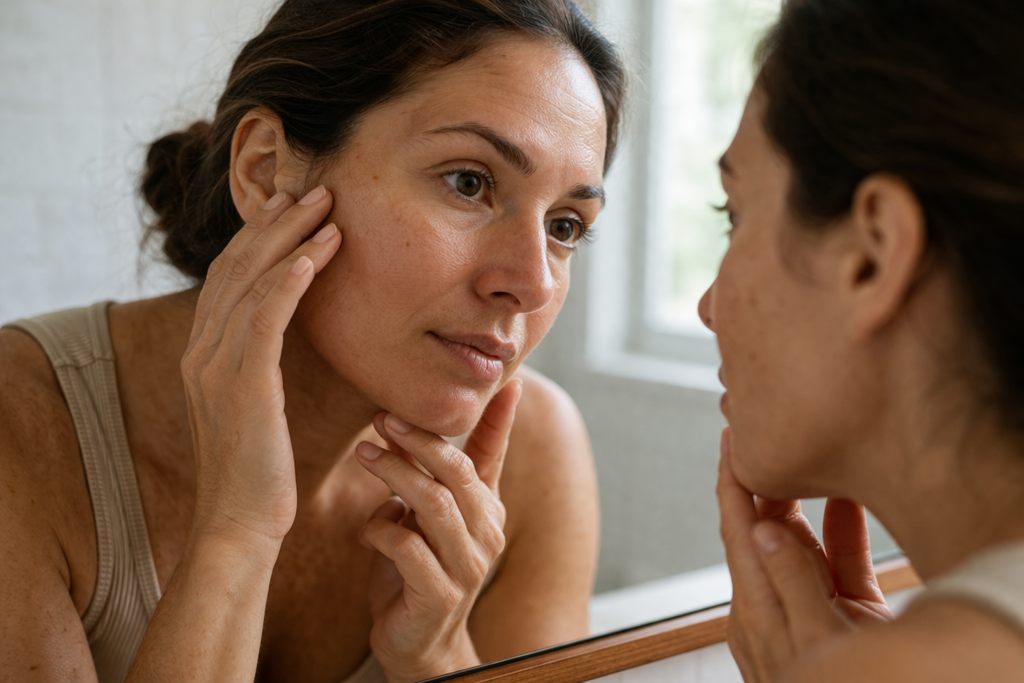
What Ideal Candidates Should Know
The best ideal candidates are usually close to their goal weight, maintaining a stable weight, and realistic about what a body sculpting treatment can and cannot do. These treatments are generally about refinement, not a replacement for comprehensive wellness.
A good consultation also includes a review of medical history, current medications, and relevant health conditions. Those details matter for safety, comfort, and treatment selection.
BluePoint Medical Spa’s public-facing materials repeatedly emphasize individualized evaluation and customized planning. The spa also highlights licensed medical leadership and certified aesthetic professionals, which supports a patient-first consultation process instead of a generic sales approach.
How Habits Affect Long-Term Results
Even when a treatment works well, long-term appearance still depends on healthy habits. A healthy lifestyle, regular movement, and a consistent diet all influence whether the contour remains stable over time.
This is one reason patients are often advised not to pursue treatment while actively trying to lose weight rapidly. It is usually better to begin from a more settled baseline so the outcome can be evaluated more clearly.
In practical terms, the strongest results often come when aesthetic treatment supports habits that are already in place. That combination may also enhance confidence because it feels sustainable rather than temporary.
FAQ
Can body contouring replace weight loss?
No, body contouring is generally best for shaping specific areas after a patient is already near a stable weight. It is not a substitute for broader weight loss or medical care.
What if I have loose skin after major weight loss?
If loose skin or extra skin is the main issue, non-surgical fat treatment may not be enough on its own. In some cases, consultation may include discussion of surgical options instead.
How long does it take to see body contouring results?
Many patients notice that results develop gradually rather than immediately. The timeline varies by treatment, but visible change often continues over several weeks as the body processes treated tissue.
Are body sculpting treatments only for the abdomen?
No, common areas of the body include the abdomen, flanks, and upper arms, among others. The best treatment area depends on your anatomy, goals, and the type of concern being treated.
Conclusion
The reason body sculpting works best on certain areas is that every region of the body presents a different combination of fat cells, skin elasticity, muscle support, and structural limitations. Some zones are ideal for localized fat reduction, while others require a different strategy because excess skin, sagging skin, or post-weight-loss changes are playing a larger role.
Patients usually feel more satisfied when they understand this before treatment begins. A thoughtful consultation can clarify whether the goal is to target fat, improve muscle definition, support skin tightening, or discuss whether surgical body contouring is more appropriate. That level of clarity is what supports better decisions and more realistic expectations.
For patients considering aesthetic contouring in Las Vegas, schedule a consultation with BluePoint Medical Spa to review your goals, anatomy, and the most appropriate next step.