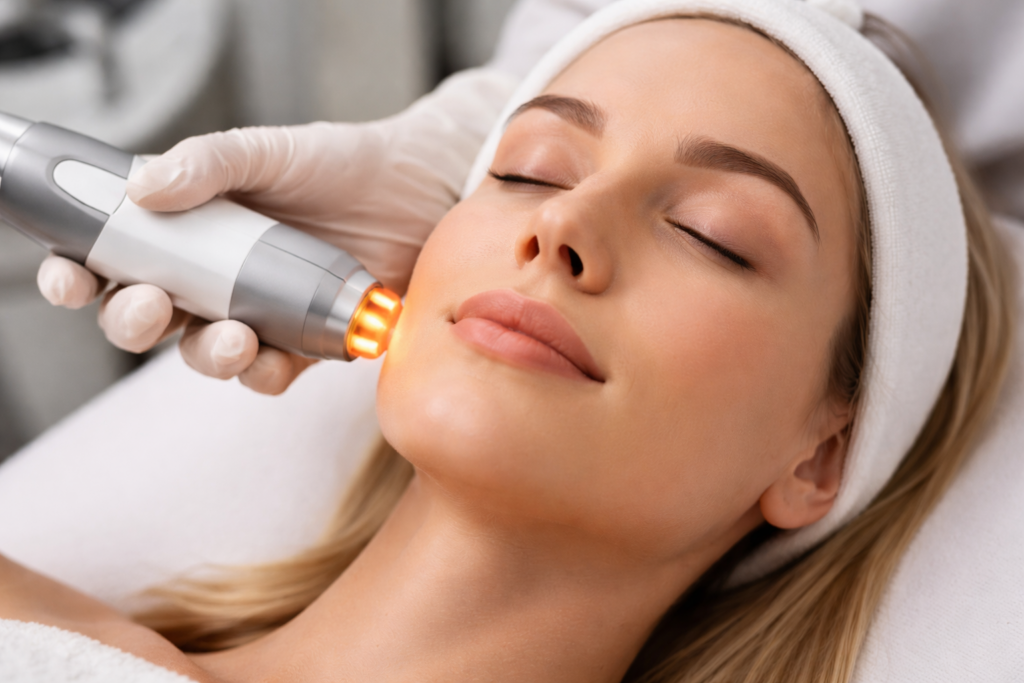
Patients searching for why laser therapy is used for both skin repair and recovery are usually trying to understand something very practical. They want to know why one category of treatment is used to improve visible skin issues such as discoloration, texture, and scarring, while also being discussed in terms of renewal, collagen support, and recovery after damage. That question matters because laser treatment is often described in broad terms, even though different devices are designed for very different goals.
In aesthetic medicine, the value of laser skin treatments is not based on hype or a promise of perfection. It is based on the ability of carefully selected laser procedures to direct light energy or laser energy into a specific target within the skin. Depending on the device, that target may be pigment, blood vessels, water in the tissue, or scar-related irregularity. This precision is one reason lasers are used for both visible cosmetic concerns and the controlled repair response that follows treatment.
For BluePoint Medical Spa patients, this topic is especially relevant when treatment goals include smoother texture, brighter tone, a more refined surface, or recovery from sun-damaged skin, acne scars, or redness. A well-designed treatment plan should explain not only what the device is intended to treat, but also why the healing process is part of the result. That patient-first explanation supports trust, realistic expectations, and better decision-making.
Why Lasers Support Both Skin Repair and Recovery
Many cosmetic concerns begin in different layers of the skin, which is why laser-based care can serve more than one purpose. Some treatments focus on damaged surface tissue in the outer layer, while others reach deeper layers where collagen decline, vascular changes, or scar remodeling are more relevant. The procedure may be directed at repair on the surface, recovery in the deeper tissue, or both at the same time.
Another reason is that lasers often work by creating a controlled, targeted injury that prompts the skin to renew itself. That response is part of the body’s natural recovery pattern. In aesthetic care, the goal is to guide that response so the skin replaces damaged tissue with new skin, encourages collagen production, and improves the appearance of selected concerns without unnecessarily affecting the surrounding skin.
What Happens in the Skin During Healing
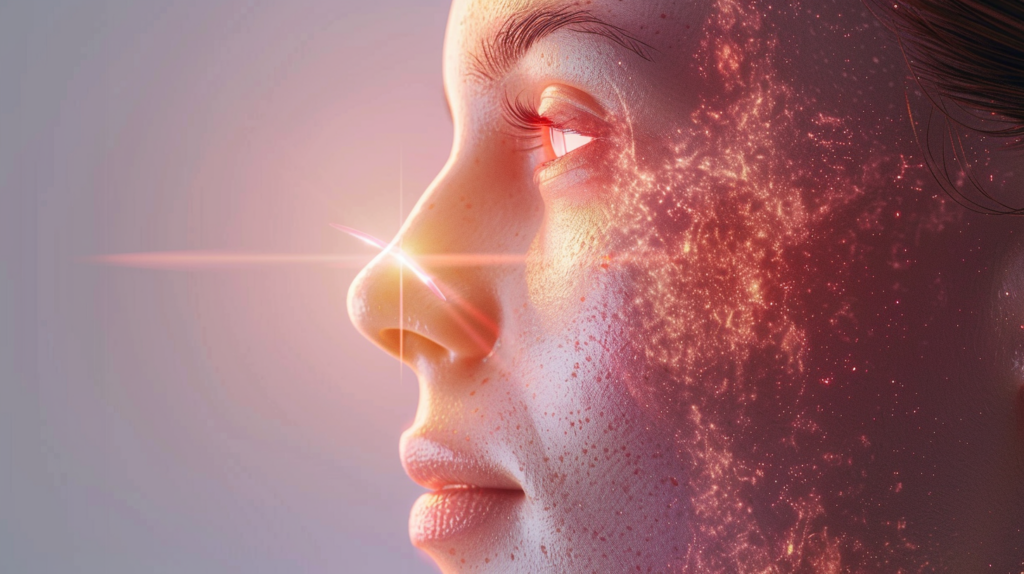
After an appropriate laser resurfacing session, the skin begins a sequence of repair events that includes inflammation, tissue turnover, and remodeling. This does not mean every treatment creates the same level of visible downtime. It means that even gentler devices rely on a biological response within the treated area to support change in texture, tone, or clarity over time.
In resurfacing treatments, the damaged surface may gradually shed while healthier skin cells replace older ones. In deeper remodeling treatments, the visible change may appear more slowly because the improvement depends on how the skin rebuilds support structures beneath the surface. That is why patients often see some early change, followed by continued improvement as collagen growth develops.
How Laser Technology Improves Skin Texture and Tone
Modern laser technology improves skin texture and skin tone by targeting what is irregular while preserving as much normal tissue as possible. In practical terms, that may mean smoothing rough areas, softening the appearance of scars, or reducing some forms of sun damage and visible discoloration. The value lies in precision, not intensity alone.
For patients, this matters because uneven texture and uneven tone rarely affect confidence in the same way. A person bothered by shallow roughness may need skin resurfacing, while someone focused on redness or brown spots may need a different energy-based approach. When the device matches the concern, the treatment path becomes clearer, and the expectations become more realistic.
Can Laser Skin Resurfacing Improve Acne Scars and Scar Tissue?
Yes, laser skin resurfacing is commonly used for selected acne scars and certain types of scar tissue, especially when texture change is a major concern. ASDS notes that ablative resurfacing removes upper layers of skin from acne scarring, while non-ablative options are used in other scar-focused settings with less disruption to the surface.
This is one reason patients with long-standing acne scars often research laser therapy after they have already tried creams or exfoliating products. Topical care may support overall skin care, but textural changes left behind by prior inflammation usually require a more targeted approach. When active breakouts are still present, treatment may need to be timed carefully because active acne can complicate recovery and blur the distinction between scar correction and acne control.
Why Laser Treatments Are Used for Sun-Damaged Skin
Repeated sun exposure affects both how skin looks and how it behaves. Over time, sun-damaged skin may develop a rough texture, dark spots, and changes in elasticity that make the surface appear uneven or tired. Laser-based procedures are often considered because they can address visible photodamage while also supporting renewal in damaged tissue.
At the same time, healing skin is more vulnerable to pigment change. That is why patients are commonly told to avoid sun exposure before and after some treatments, and why recent tanning or ongoing UV exposure may increase risk. Sun protection is not a side note in laser care. It is one of the central safety instructions tied to both outcomes and recovery.
Types of Lasers for Repair-Focused Treatments
The main types of lasers used in resurfacing include ablative lasers, fractional lasers, and devices selected for vascular or pigment concerns. Ablative options remove targeted tissue more aggressively, while fractional approaches treat the skin in narrow columns, leaving untreated zones between them. That preserved tissue pattern supports recovery while still promoting remodeling.
Patients do not need to memorize every device category, but they do benefit from understanding the treatment logic. A provider may choose ablative treatments for more advanced texture change, or use a more conservative option when the goal is improvement with less downtime. The safest and most useful recommendation depends on the concern, the area treated, and the patient’s recovery tolerance.
Why Erbium Lasers Are Discussed for Resurfacing
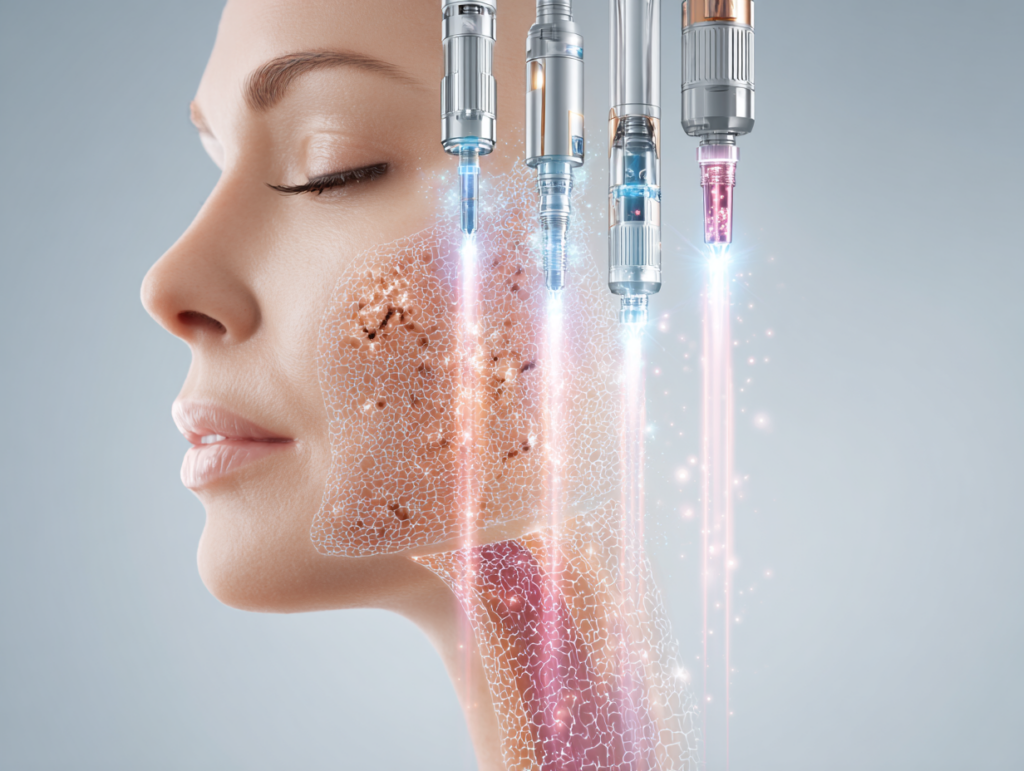
Erbium lasers are frequently mentioned in resurfacing because they are used for skin renewal with a level of precision that may be appropriate for certain patients with lines, texture changes, or moderate surface irregularity. They are often discussed alongside carbon dioxide resurfacing in educational resources about laser resurfacing.
For patients, the practical point is not that one laser is universally “better.” It is that the degree of tissue removal, expected redness, and recovery pattern differ across devices. That is why the conversation should stay centered on the actual concern, the treatment area, and the overall plan rather than the name of a device alone.
How Fractional Lasers Balance Treatment and Skin Protection
Fractional lasers are often chosen when the goal is to create meaningful change without treating the entire skin surface at once. By delivering energy in narrow columns, they leave portions of surrounding skin intact, which may support recovery and reduce the total visible burden of healing compared with full-field ablative resurfacing.
This approach appeals to many patients because it reflects a balance between correction and recovery. It does not mean there is no downtime, and it does not mean everyone will resume normal activities immediately. It means recovery is often structured around smaller zones of treatment, which can make the experience more manageable for some people.
Is Intense Pulsed Light Part of the Same Conversation?
Yes, intense pulsed light is often discussed alongside lasers, although it is not the same as a resurfacing laser. It uses broad-spectrum light rather than a single laser wavelength and is commonly referenced for discoloration, redness, and visible sun-related changes rather than deeper resurfacing of the skin surface.
That distinction matters because patients frequently group all energy-based devices together. Someone with pigment-related concerns may hear about intense pulsed light, while someone with rough texture or deep wrinkles may be guided toward a resurfacing option instead. The shared theme is targeted energy, but the clinical purpose and recovery profile are not identical.
Why Laser Therapy Is Used for Redness, Spider Veins, and Blood Vessels
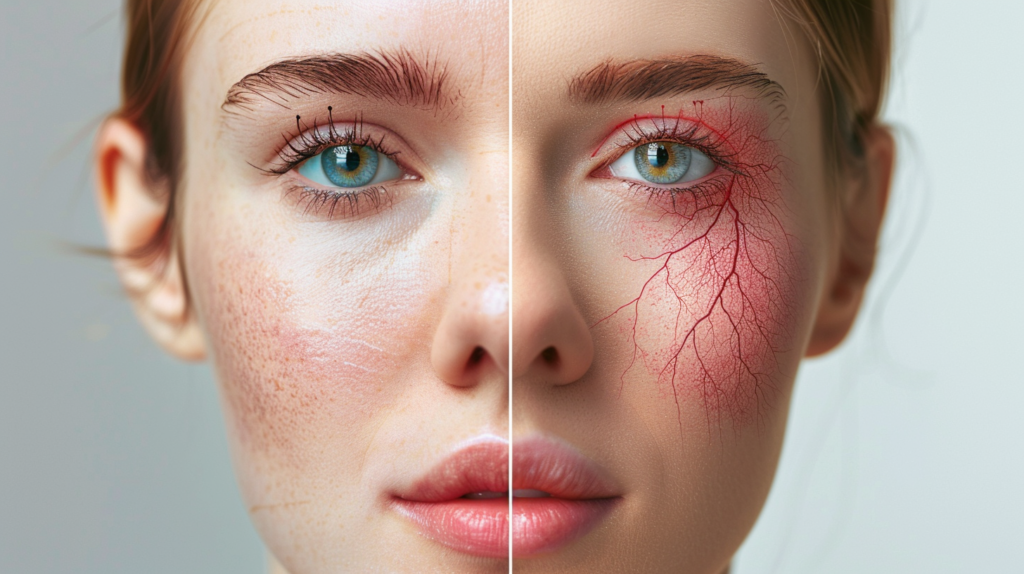
Laser and light-based treatments are also used for vascular concerns because certain devices target hemoglobin within blood vessels. That makes them relevant for visible redness, small vessels, and spider veins, where the cosmetic issue is vascular rather than textural. AAD and ASDS both describe this use in patient education materials.
For some patients, these treatments are part of the appeal of non-invasive aesthetic care. Rather than removing skin, the procedure focuses on reducing visible vessels or redness in a targeted way. This is a different goal from laser skin resurfacing, but it still fits the broader idea of repair and visible recovery in the skin.
Can Pulsed Dye Treatments Improve Vascular Concerns?
Pulsed dye laser approaches are commonly associated with vascular issues because they are designed to treat red discoloration and abnormal surface vessels. They are often part of the discussion for facial vascular changes and other superficial vessel-related specific concerns.
Patients usually experience these concerns as persistent redness, fine red lines, or flushing that does not respond well to standard skin care alone. In those situations, vascular laser therapy may be more relevant than resurfacing. That is another example of why a diagnosis-driven consultation matters more than choosing treatment based on trend language.
What Role Does Collagen Production Play in Skin Rejuvenation?
One of the most important reasons lasers are linked to skin rejuvenation is their relationship to collagen production. Controlled thermal injury may stimulate the skin to produce new collagen, and that remodeling can improve firmness, texture, and the look of fine lines as the tissue matures.
This matters for patients concerned about early laxity, surface creasing, or mild sagging skin. Although laser therapy is not a substitute for every form of structural correction, collagen-focused improvement is one reason many people choose it as part of a broader aesthetic strategy aimed at healthy skin and a more refreshed appearance.
Does Laser Therapy Work for Deeper Wrinkles?
Not exactly. Deep wrinkles and advanced laxity often require a more nuanced conversation because not every age-related concern responds the same way to energy-based care. Some resurfacing procedures may improve the appearance of etched lines and photodamage, but more advanced structural aging may require a different or broader treatment approach.
Patients benefit from hearing this clearly before treatment. A realistic discussion protects trust and reduces disappointment. The goal of aesthetic laser care is to improve appearance thoughtfully, not to suggest that one session corrects every visible sign of aging.
Why Skin Type Matters in Laser Procedures
Skin type matters because pigment response, healing response, and heat sensitivity are not the same for every patient. Those differences are especially important for darker skin and darker skin tones, where some devices or settings may carry an increased risk of unwanted pigment change after treatment.
This does not mean patients with deeper complexions should avoid laser care altogether. It means device selection, energy settings, and treatment pacing should be individualized by an experienced team. Thoughtful planning is part of safety, especially when the goal is cosmetic improvement without trading one visible concern for another.
What Patients Should Do Weeks Before Treatment
Preparation often begins weeks before a procedure. Patients may be told to limit tanning, adjust certain active products, disclose certain medications, and follow the provider’s plan for skincare and sun protection before treatment. These steps are not routine formalities. They are part of risk reduction and treatment readiness.
A consultation should also review medical history, previous cosmetic procedures, and whether the patient has conditions or medications that affect healing. In some cases, pre-treatment medication may be used to lower the chance of complications, including medication aimed at reducing viral reactivation risk when clinically appropriate.
Why Local and General Anesthesia Are Mentioned
For many office-based resurfacing treatments, providers discuss topical numbing or local anesthesia to improve comfort. Some resources also mention general anesthesia in selected settings, particularly when a more extensive procedure is being performed. The details vary based on the treatment depth and the size of the treatment area.
Patients should not assume that every laser session involves the same level of discomfort or recovery. Comfort planning is one more reason the consultation matters. The provider should explain what the treatment feels like, whether it may resemble a snapping or rubber band sensation, and what support measures are appropriate for that specific procedure.
How Aftercare Affects Recovery
Aftercare is one of the strongest predictors of how smoothly recovery goes. Following the provider’s doctor’s instructions about cleansing, moisturization, wound support, and sun avoidance protects the treated area while the skin heals. Good aftercare is also part of how clinicians work to prevent bacterial infections and reduce unnecessary irritation after resurfacing.
Patients also need honest guidance about normal recovery signs. Redness, swelling, flaking, or sensitivity may be expected depending on the procedure, and not everyone returns to normal activities on the same timeline. Healing is individualized, which is why the best counseling includes both cosmetic expectations and practical recovery planning.
How Laser Therapy Compares With Chemical Peels
Not every patient with uneven tone or roughness needs a laser first. Chemical peels, including peels that may involve glycolic acid, are also used in aesthetic care for selected surface-level concerns. The difference is usually depth, mechanism, precision, and recovery pattern rather than a simple good-versus-bad comparison.
Some patients do well with peels for mild pigment or texture concerns, while others are better candidates for laser resurfacing because their concern involves deeper damaged skin, more visible scarring, or mixed textural changes. The right recommendation depends on the concern itself, not just on the popularity of a treatment category.
FAQ
Is laser therapy only used for cosmetic skin issues?
No. In aesthetic settings, it is commonly used for cosmetic concerns, but different laser and light devices are also used across dermatology for vascular and other targeted skin-related treatments. The device and purpose depend on the condition being addressed.
Do all laser skin treatments require a long recovery?
No. Recovery varies widely by device and treatment depth. Some procedures involve relatively limited downtime, while deeper resurfacing may require more visible healing and stricter aftercare.
Are laser procedures safe for darker skin tones?
They may be appropriate, but they require thoughtful planning. Darker skin tones can carry a higher risk of pigment change with some devices, which is why experience, settings, and treatment selection matter.
Is intense pulsed light the same as laser resurfacing?
No. Intense pulsed light uses broad-spectrum light and is often used for redness or pigment-related concerns, while laser resurfacing is more directly focused on resurfacing or remodeling skin tissue.
Conclusion
The reason laser therapy is used for both skin repair and recovery is that modern devices do more than target a visible cosmetic flaw. They are designed to direct energy into specific structures in the skin so the tissue can renew itself in a controlled way. That is why laser treatment, laser skin resurfacing, vascular laser procedures, and related technologies are used for concerns such as acne scars, sun-damaged skin, visible vessels, texture changes, and age-related surface irregularities.
The most important takeaway is that recovery is part of the treatment logic, not separate from it. Whether the goal is scar reduction, more even skin tone, smoother skin, or a more refined surface, the skin’s response after treatment is what shapes the result. Safety, device selection, skin type, sun protection, and aftercare all influence that process.
For patients in Las Vegas who want a medically guided approach to resurfacing and recovery-focused aesthetic care, contact BluePoint Medical Spa for the next steps. A personalized consultation is the right place to review your goals, discuss appropriate options, and choose a plan that reflects your skin, your timeline, and your expectations.