
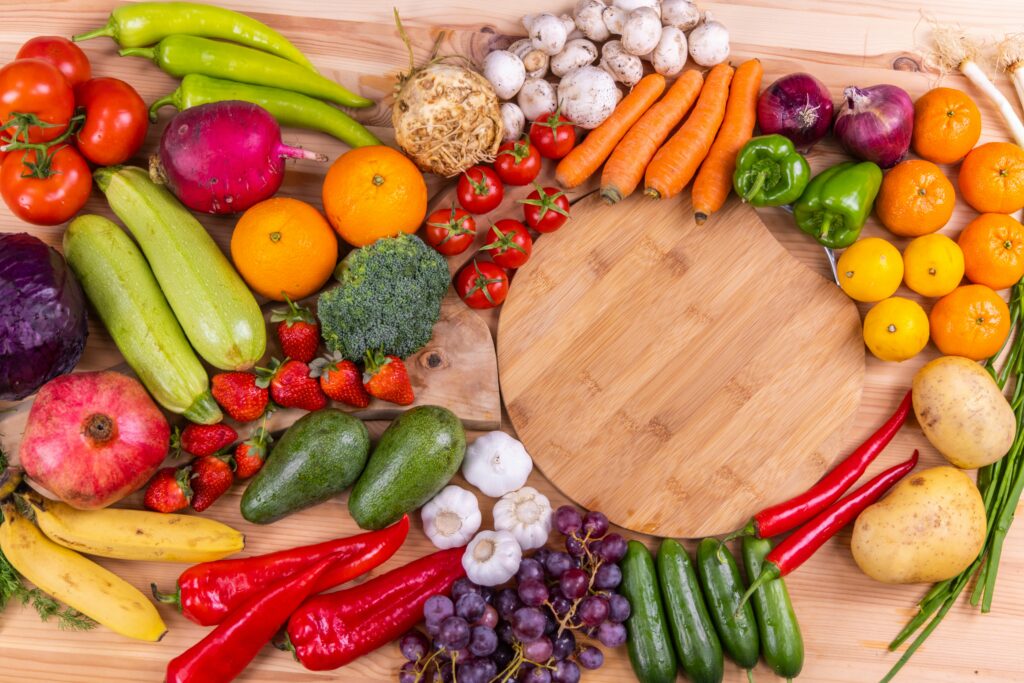
Maintaining results after body contouring proceduresis one of the most common goals among patients seeking long-term wellness, improved confidence, and a healthier lifestyle. Many individuals want to know how nutrition, hydration, and daily habits may support their aesthetic results without creating unrealistic expectations.
At BluePoint Medical Spa, licensed providers offer guidance rooted in a holistic approach to wellness—helping patients understand that treatments such as CoolSculpting®, laser-based contouring, or other non-invasive services work best when paired with sustainable lifestyle habits. While individual results vary, supportive choices such as a balanced diet, drinking plenty of water, and staying physically active may help you maintain a stable weight and enjoy an enhanced sense of well-being.
This guide explains how to maintain your body sculpting results diet in a realistic, medically responsible, and empowering way.
The Connection Between Body Contouring Results and a Balanced Diet: Wellness Insights for Long-Term Success
After any body contouring treatments, the body continues to metabolize and heal. Maintaining a stable weight may help protect the appearance of the treated areas, and nutrition plays a meaningful role in how you feel during this process.
A balanced diet rich in whole foods, moderate calories, and healthy fats may help stabilize energy and support overall health. While cosmetic procedures do not replace healthy habits, nutrition can influence how the body maintains its natural contours over time.
Nourishing Your Body With Lean Proteins: A Key Factor for Sustained Body Wellness
Lean proteins such as eggs, lean beef, chicken breast, tofu, or plain Greek yogurt provide amino acids that may support muscle repair after exercise. When your strength-training routine is consistent, balanced protein intake may help the body maintain tone and stability.
Providers often remind patients that protein needs vary based on age, activity level, and overall health goals, making personalized consultation important.
Healthy Fats and Skin Elasticity: How Diet May Enhance a Smoother Appearance
Foods containing healthy fats—including avocado, fatty fish, nuts, and olive oil—may help the skin retain moisture. Although no food can guarantee improved skin firmness, nutrients such as omega-3 fatty acids may help support the skin’s natural barrier and its ability to appear supple.
Maintaining skin elasticity supports overall comfort and appearance, especially as the body adjusts after treatment.
Essential Vitamins for Overall Health and Well-Being: A Holistic Nutrition Approach
Vitamins contribute to wellness far beyond aesthetic goals. For example, vitamin C supports collagen production, which may influence how smooth the skin feels. Fruits, vegetables, and whole grains provide essential vitamins and minerals your body needs for daily energy, immune balance, and internal function.
This is not about restricting calories—it’s about fueling your body so you feel healthier, supported, and aligned with your long-term health goals.

Hydration and Moisture Balance: Why Drinking Plenty of Water Matters
Adequate hydration supports the body in many ways. Water helps transport nutrients, influences digestion, and may assist the skin in staying moisturized from within. While hydration alone cannot maintain fat loss or change the skin’s texture, drinking plenty of water is often recommended by wellness professionals for overall health and daily comfort.
Hydration also plays a subtle yet meaningful role in maintaining overall balance after body contouring treatments. When the body is well-hydrated, circulation may function more efficiently, helping tissues feel supported as they recover from everyday activity or exercise. For many patients, consistent water intake also reduces the likelihood of mistaking thirst for hunger, which may support weight-maintenance efforts and minimize unnecessary calories from snacks or sugary beverages. Although water itself does not influence fat cells or guarantee aesthetic improvements, creating a daily hydration routine can contribute to steadier energy, healthier digestion, and improved comfort—foundations that support a long-term healthy lifestyle.
Limiting Added Sugars and Processed Foods: Protecting Your Healthy Lifestyle
Excessive added sugars, sugary beverages, and processed foods may contribute to weight fluctuation, which can affect how long your aesthetic results may appear stable. Reducing these items and focusing on whole, nutrient-dense ingredients helps the body maintain consistent energy and supports a healthier internal balance.
This approach does not require perfection—only awareness and mindful eating.
Whole Grains, Vegetables, and Fruits: Building a Diet That Helps Maintain Results
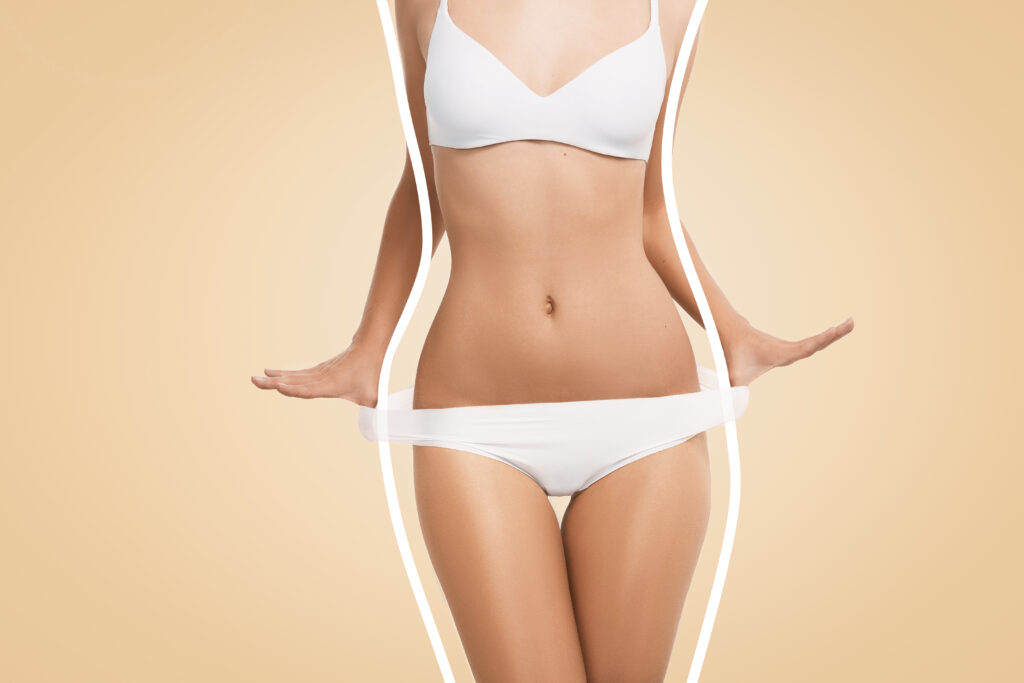
Foods like brown rice, oats, quinoa, leafy greens, berries, and colorful vegetables offer slow-digesting carbohydrates that may help maintain satiety and balance blood sugar. Many patients find that emphasizing whole foods helps reduce weight gain and promotes a more consistent lifestyle that supports their treatment outcomes.
These choices also deliver fiber, antioxidants, and vitamins—supporting both digestive comfort and long-term wellness.
Why Strength Training Supports a Healthy Body After Sculpting Treatments
While body contouring procedures may reduce stubborn fat cells in targeted areas, exercise remains essential for preserving tone and promoting overall health. Strength training helps maintain muscle mass, which may support metabolism and contribute to a sculpted appearance.
Patients often choose a combination of cardio, mobility exercises, and resistance training to stay active and energized.
Adopting an Active Lifestyle for Optimal Results: Movement as Daily Self-Care
An active lifestyle—whether through walking, swimming, pilates, cycling, or strength routines—may help support long-term fat loss maintenance and emotional well-being. Many individuals report that staying active also helps them feel more connected to their bodies after cosmetic treatments.
Small daily choices, like taking the stairs or stretching during breaks, contribute to long-term balance.
Protecting Your Progress With Mindful Eating: A Sustainable Strategy for Everyday Life
Mindful eating encourages patients to focus on hunger cues, food quality, and emotional triggers. This gentle awareness may help prevent overeating and reduce disruptive calories from snacks or convenience foods.
Mindful eating also invites patients to build a more positive relationship with food, turning meals into intentional moments rather than rushed decisions. By slowing down and paying attention to how different foods affect energy, mood, and overall well-being, individuals may find it easier to stay aligned with their long-term health goals. Over time, this approach can foster a sense of balance and sustainability that naturally supports the results of their wellness and aesthetic treatments.
Why a Holistic Approach Leads to More Sustainable Well-Being
Aesthetic results rarely depend on a single factor. Instead, holistic well-being brings together nutrition, hydration, exercise, sleep, stress management, and professional guidance. Patients in Southern California often lead active, vibrant lives, and a whole-person strategy may fit naturally into their routines.
This combined approach offers the most realistic opportunity to maintain results while feeling healthier and more confident.
Skincare Habits That May Enhance Your Post-Treatment Appearance
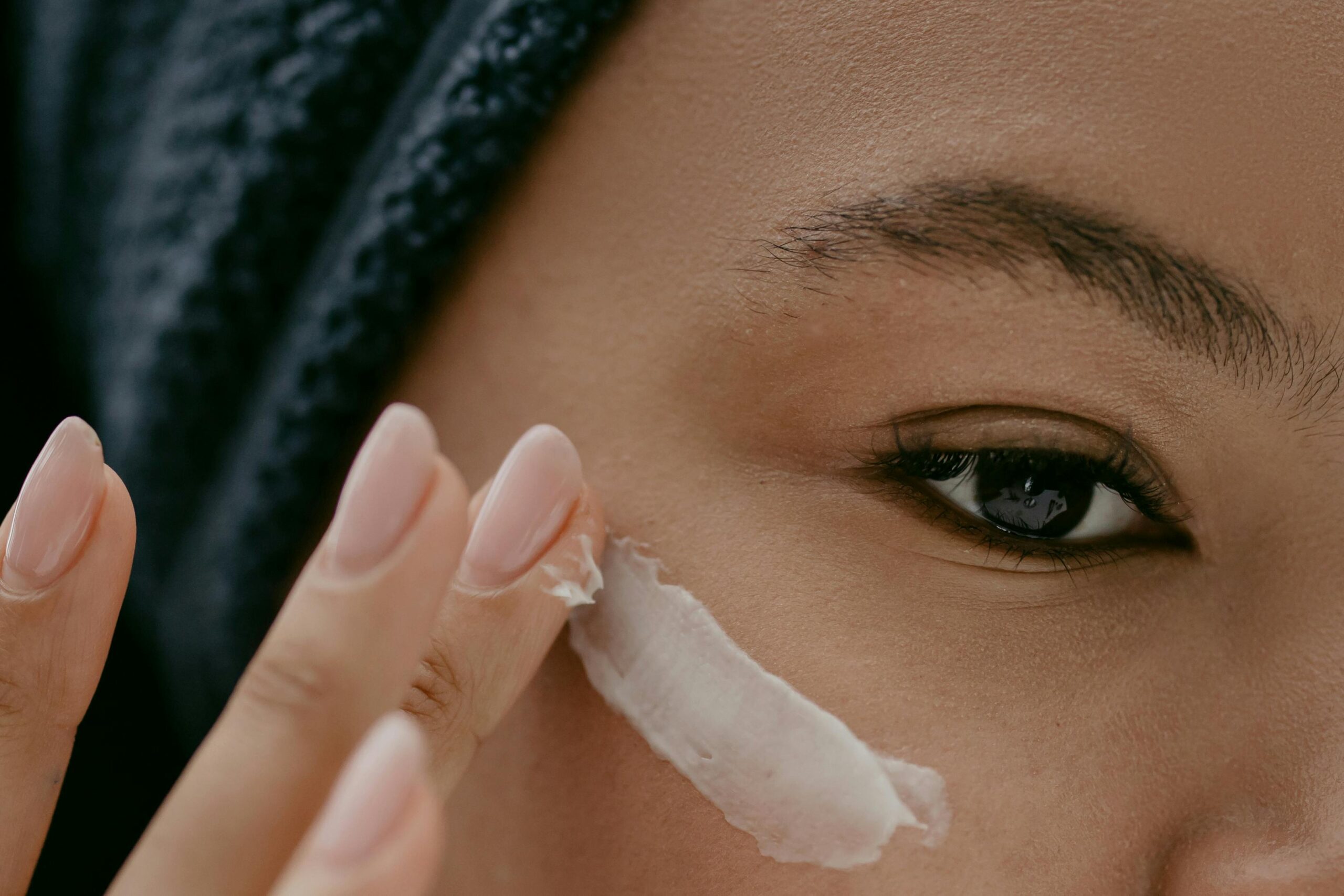
Daily skincare routines with gentle cleansers, nourishing moisturizers, and sunscreen may help protect the skin as the body adjusts. Hydrated, well-nourished skin can appear smoother, and consistent care may minimize clogged pores or visible acne in some patients.
Skincare does not change fat distribution, but it may support your comfort and the quality of your skin over time.
Long-Term Maintenance and Realistic Expectations: A Patient-Centered Perspective
Patients often ask how long their results will last. Because individual results vary, lifestyle choices, genetics, and weight changes influence outcomes. Cosmetic procedures are not solutions for weight loss; they are elective services designed to support appearance goals in specific treated areas.
A long-term commitment to nutrition and wellness is the most reliable strategy for feeling your best.
Patients also benefit from understanding that maintaining results is an ongoing partnership between their daily habits and the guidance of licensed providers. Regular check-ins, supportive skincare routines, and an active lifestyle can all play a role in helping the body stay balanced over time. While no single approach can ensure a specific outcome, choosing consistent wellness practices may help reinforce the sense of confidence and comfort many individuals seek after aesthetic treatments.
FAQ
How does diet influence my ability to maintain body sculpting results?
A balanced diet may help support a stable weight, which can influence how the body maintains its natural contours after treatment. While no diet can guarantee results, whole foods and hydration often play a helpful role.
Do I need to avoid specific foods after body contouring treatments?
There are no universal rules, but many patients choose to reduce processed foods and added sugars, as they may contribute to weight fluctuations.
Can exercise help maintain CoolSculpting® results?
Exercise does not alter fat cells removed during treatment, but regular activity—especially strength training—may help support muscle tone and overall health.

Conclusion
Maintaining your body contouring results is about more than any single food or habit—it’s a combination of nourishment, hydration, movement, and professional guidance. A supportive diet rich in whole foods, healthy fats, proteins, and essential nutrients may help you feel healthier while promoting a sense of stability in your body’s natural shape.
If you’re ready to explore supportive wellness services, skincare treatments, or guidance that aligns with your personal goals, schedule a consultation with BluePoint Medical Spa today. A licensed provider will help you explore options that may complement your lifestyle and enhance your self-care journey.