Acne Scar Laser Treatments: What Results You Can Expect in 90 Days
December 6, 2025

Living with ongoing pain and inflammation—whether from chronic pain, acute injuries, or musculoskeletal strain—can disrupt daily life in ways that are both physically limiting and emotionally draining. Many patients want relief that supports recovery without extended downtime, invasive procedures, or reliance on medications alone. This growing need has led to increased interest in laser therapy as a non-invasive option that fits into modern wellness and recovery plans.
Healing lasers are often discussed alongside physical therapy, pain management, and other supportive treatments, but their role is not always well understood. Patients may wonder how laser treatment works, whether it can truly help reduce inflammation, and what kind of recovery timeline to expect. These questions are especially common among individuals balancing work, family, and health responsibilities.
This article explores healing lasers explained: how they reduce inflammation and downtime, offering a clear, medically responsible overview to help patients understand how this technology may support the body’s natural healing processes.
Inflammation is a natural biological response designed to protect the body after injury or stress. In the short term, it helps initiate the healing process by increasing blood flow and activating immune responses. However, when inflammation becomes persistent, it can interfere with tissue healing and prolong discomfort.
Chronic inflammation is commonly associated with conditions such as joint pain, musculoskeletal pain, and chronic neck pain. In these cases, inflammatory markers may remain elevated, disrupting cellular repair and limiting mobility. Patients often experience stiffness, swelling, and ongoing pain signals that reduce the quality of life.
Understanding the role of inflammation helps patients recognize why reducing it safely matters. Treatments that support inflammation control may help shorten recovery time and improve function without suppressing the body’s healing mechanisms.
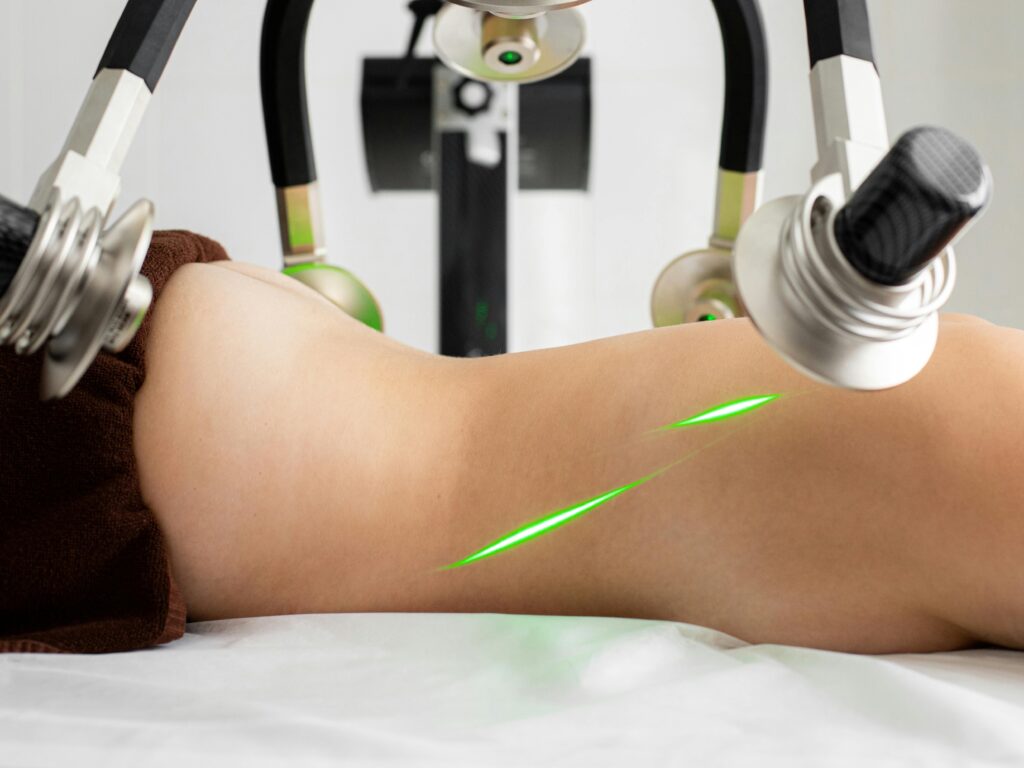
Healing lasers use focused light energy delivered at specific wavelengths to interact with tissues beneath the skin. Unlike high-powered surgical lasers, these therapies are considered non-invasive treatment options designed to support recovery rather than alter tissue structure.
In approaches such as low-level laser therapy (LLLT) or cold laser therapy, the laser light penetrates the skin without raising tissue temperature significantly. This allows the energy to reach deeper tissues while maintaining patient comfort and safety.
By delivering controlled laser energy to the affected area, healing lasers aim to influence biological processes that support repair. Understanding how laser therapy works helps patients make informed decisions about whether it aligns with their care goals.
Low-level laser therapy, sometimes referred to as level laser therapy LLLT, is one of the most commonly used healing laser approaches. It involves applying low-intensity laser light to targeted tissues to encourage cellular responses associated with recovery.
LLLT does not rely on heat to produce effects. Instead, it uses infrared light or visible wavelengths that interact with cellular metabolism. This interaction may help cells function more efficiently during the healing phase.
Because it is considered a non-invasive solution, LLLT is often explored by adult patients seeking supportive care without significant interruption to daily routines.
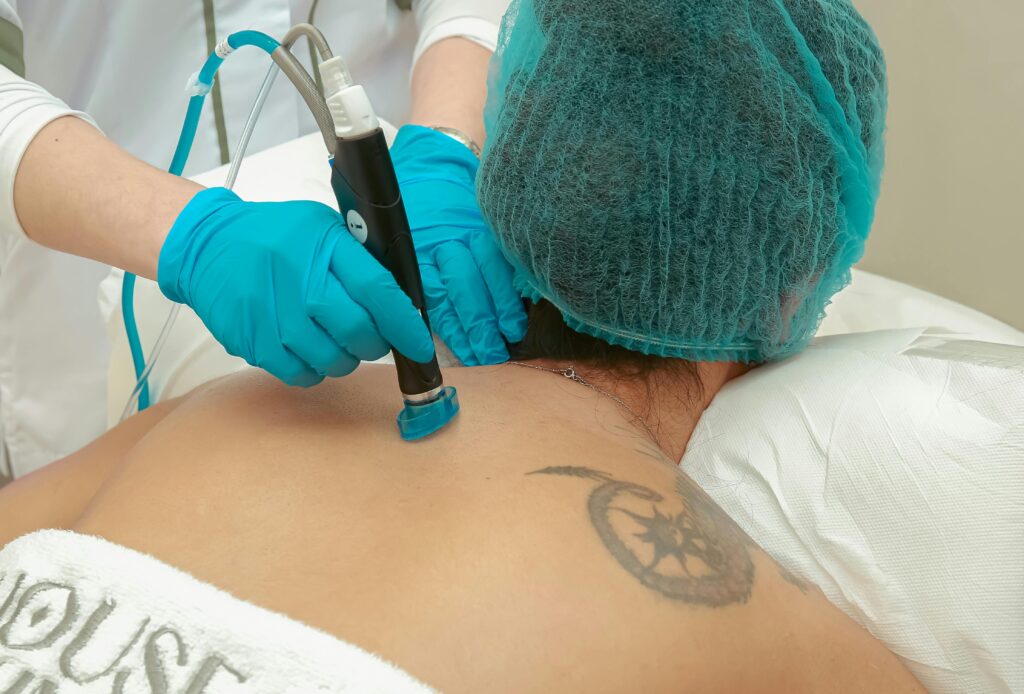
When laser light reaches the treatment area, it is absorbed by components within the cells that play a role in energy production. This absorption may influence how cells generate energy and respond to stress.
Enhanced cellular energy availability can support tissue repair, tissue growth, and overall tissue regeneration. These processes are central to recovery from both acute injuries and longer-standing conditions.
By supporting cellular function rather than forcing structural change, healing lasers align with the body’s natural healing mechanisms. This distinction helps explain why results tend to be gradual rather than immediate.
One of the primary reasons patients explore healing lasers is their potential anti-inflammatory effects. Laser therapy may influence inflammatory markers associated with pain and swelling in affected tissues.
By supporting local blood circulation and cellular activity, laser therapy may help the body clear inflammatory byproducts more efficiently. This process can contribute to reduced stiffness and improved comfort over time.
Rather than acting as a direct anti-inflammatory agent like medication, healing lasers work by encouraging the body’s own regulatory systems. This approach appeals to patients seeking supportive, non-pharmacological options.
Healthy blood flow is essential for delivering oxygen and nutrients needed for tissue healing. In areas affected by injury or chronic stress, circulation may be compromised, slowing recovery.
Healing lasers may help enhance local blood circulation by influencing small blood vessels in the affected area. Improved circulation supports the removal of waste products and delivers resources required for repair.
For patients with musculoskeletal disorders or joint pain, supporting circulation can play a meaningful role in reducing discomfort and promoting function.
Pain is not only a physical sensation but also a neurological process involving pain signals transmitted through the nervous system. Healing lasers may influence how these signals are perceived.
By interacting with nerve tissue and reducing inflammatory pressure, laser therapy may contribute to pain reduction over time. This effect is especially relevant for neuropathic pain and conditions involving nerve irritation.
Patients often seek laser therapy as part of broader pain management strategies rather than as a standalone solution. This integrated approach supports balanced care planning.
Individuals living with chronic pain often face cycles of flare-ups and temporary relief. Healing lasers are sometimes explored as part of supportive care for chronic conditions that affect mobility and comfort.
Conditions such as chronic neck pain, musculoskeletal pain, and joint pain may benefit from therapies that support ongoing tissue health. Laser therapy offers a non-invasive option that can be repeated as needed under professional guidance.
For many patients, the appeal lies in the ability to pursue care without disrupting daily responsibilities.
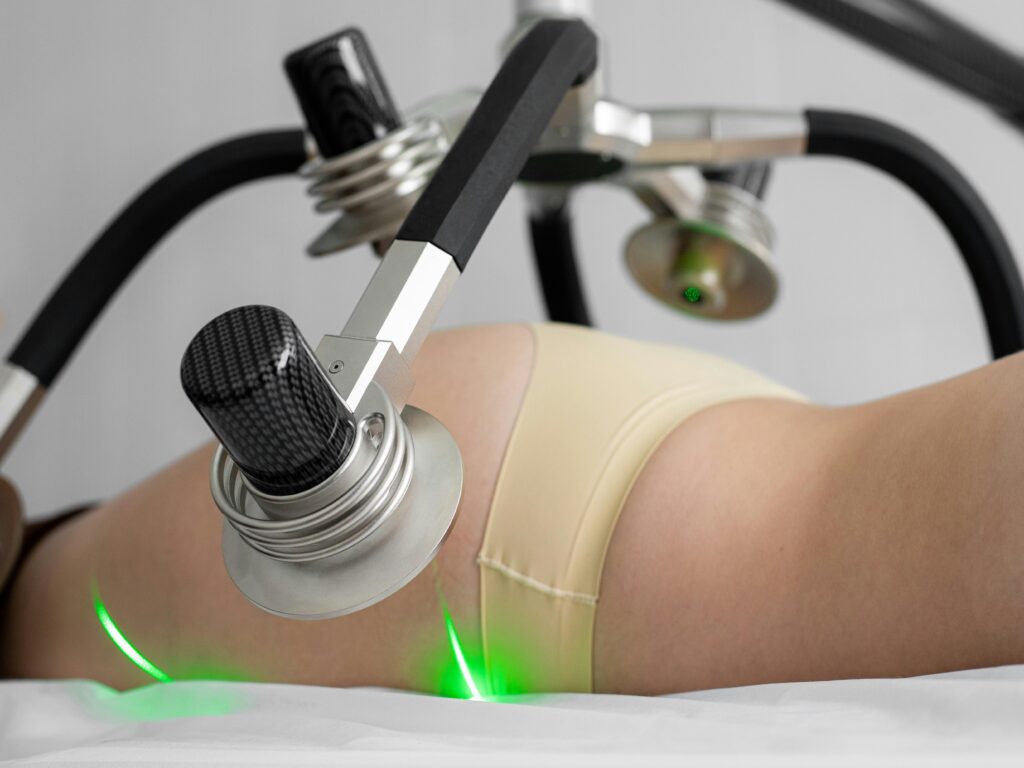
Healing lasers are commonly discussed in the context of musculoskeletal disorders involving muscles, tendons, and joints. These areas often experience repetitive strain and inflammation.
By supporting circulation and tissue response, laser therapy may complement physical therapy and other supportive treatments. This can be especially helpful for patients managing stiffness or a limited range of motion.
Understanding how lasers fit into musculoskeletal care helps patients consider them as part of a coordinated plan rather than an isolated treatment.
In cases of acute injuries, timely support for the healing process can influence recovery trajectory. Laser therapy may be used to support early-stage healing by addressing inflammation and cellular stress.
Reducing excessive inflammation during early recovery can help prevent prolonged discomfort. Patients appreciate approaches that allow them to return to normal activities safely and gradually. Laser therapy does not replace medical evaluation but may serve as a supportive option under professional supervision.
Neuropathic pain involves nerve dysfunction rather than tissue damage alone. Healing lasers may be explored as part of supportive care for nerve-related discomfort.
By influencing cellular activity in nerve tissue, laser therapy may help modulate pain perception over time. This can be relevant for conditions where traditional approaches offer temporary relief.
Patients with nerve-related symptoms often benefit from multidisciplinary care that includes education and realistic expectations.
Healing lasers are sometimes discussed in relation to specific conditions such as plantar fasciitis and carpal tunnel syndrome. These conditions involve localized inflammation and tissue stress.
Supporting tissue response and circulation in these areas may contribute to improved comfort. Laser therapy is typically considered alongside ergonomic adjustments and activity modification.
Understanding the role of lasers in these contexts helps patients view them as one component of comprehensive care.
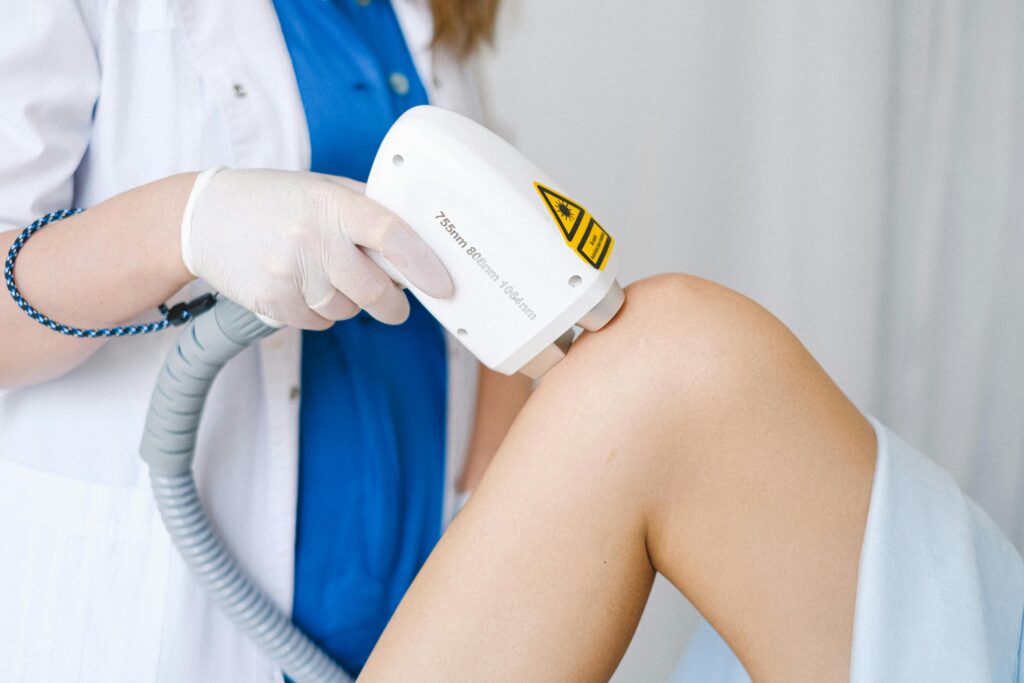
Patients often ask what to expect during a laser treatment session. Most describe a mild warmth or warm sensation at the treatment area, though some feel little to no sensation at all.
Because healing lasers are non-invasive, sessions are generally brief and do not require anesthesia or recovery time. Some patients experience temporary redness, which usually resolves quickly.
Knowing what treatment feels like helps reduce anxiety and supports informed consent.
One of the key reasons healing lasers are appealing is the minimal disruption to daily life. Most patients can return to normal activities immediately after a session.
Unlike invasive procedures, laser therapy does not involve incisions or significant tissue trauma. This supports a faster return to work and personal responsibilities. Understanding downtime expectations helps patients plan treatment schedules realistically.
The number of sessions varies based on the condition, severity, and individual response. Many patients ask how many sessions are required to notice changes.
Because laser therapy supports gradual biological responses, multiple sessions are often recommended. A personalized treatment plan helps align session frequency with patient goals. This individualized approach reinforces the importance of professional assessment.
While some providers follow standardized laser protocols, effective care often involves tailoring treatment to the individual. Factors such as tissue depth, condition type, and patient comfort influence decisions.
A personalized approach ensures that laser device settings and session schedules align with patient needs. This flexibility supports better engagement and satisfaction.
Patients benefit from understanding that personalization matters in outcomes.
Healing Lasers Compared to Other Treatments
Healing lasers are often considered alongside other treatments such as physical therapy, medication, or lifestyle adjustments. They are not typically a replacement but a complement.
Compared to invasive procedures, lasers offer a lower-risk, lower-downtime option. This makes them appealing to patients seeking conservative approaches first. Understanding comparative options supports informed decision-making.
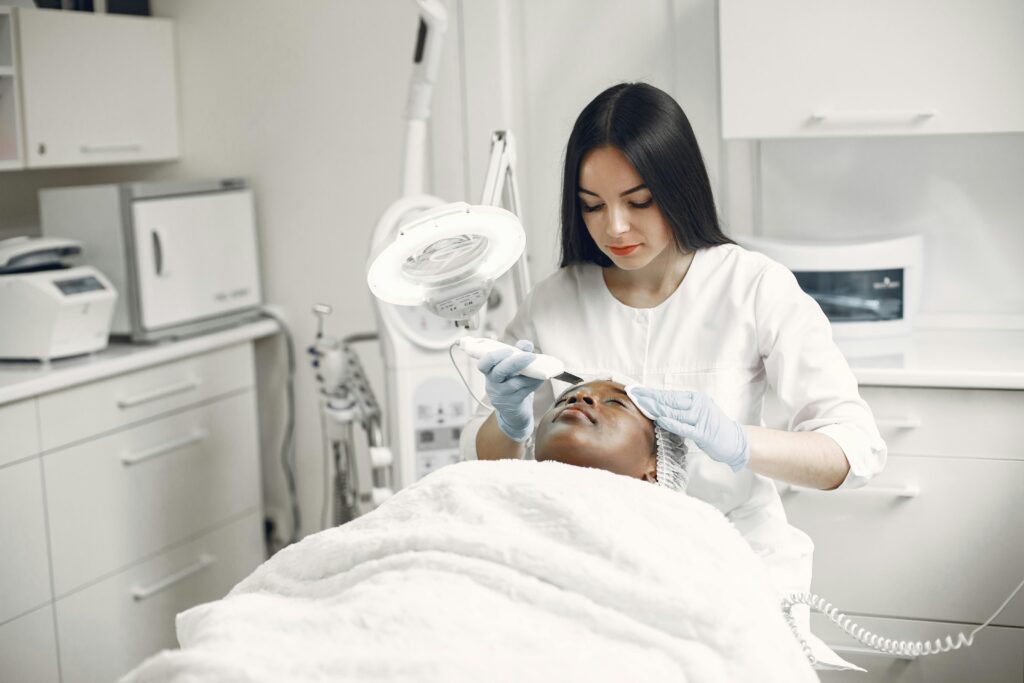
Most patients describe only mild warmth or no sensation during treatment. Discomfort is generally minimal and temporary.
Many patients resume normal activities immediately after treatment, as there is no required downtime.
Laser therapy typically complements other treatments such as physical therapy rather than replacing them.
Understanding healing lasers explained: how they reduce inflammation and downtime helps patients evaluate whether this therapy aligns with their needs and goals. By supporting cellular activity, circulation, and natural repair processes, healing lasers offer a non invasive solution for many individuals managing pain and recovery.
Results vary based on individual factors, and professional consultation remains essential. A personalized approach ensures treatments fit safely into a broader wellness plan.
If you are exploring laser therapy as part of your recovery or wellness journey, scheduling a consultation with BluePoint Medical Spa can help determine whether healing lasers are an appropriate option for your needs.