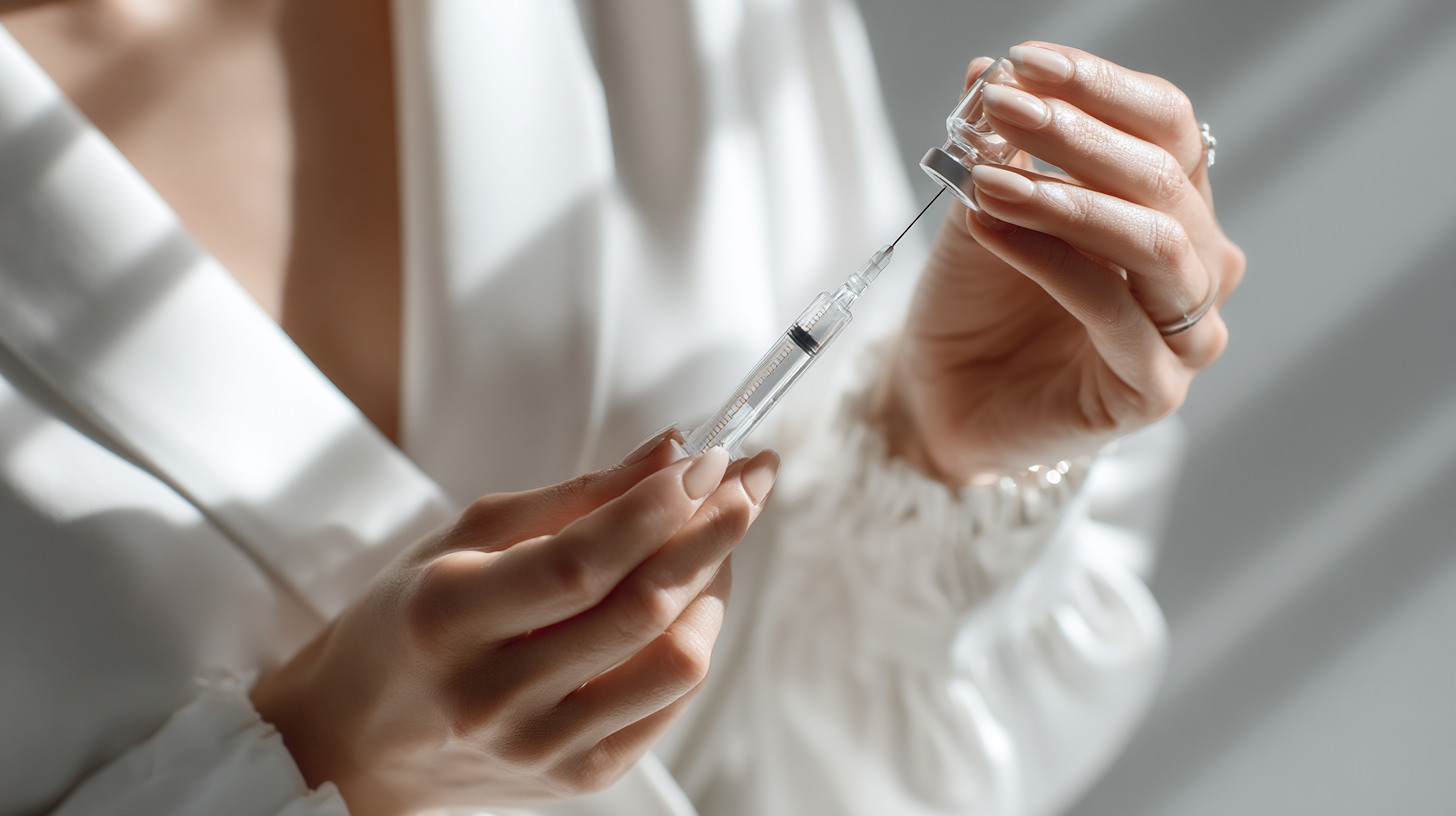
If you’re wondering if body sculpting is better than working out for stubborn fat, you’re usually not looking for shortcuts—you’re looking for clarity. Many people commit to diet and exercise, build routines with consistent effort, and still notice stubborn fat pockets in places like belly fat, hips, thighs, or a double chin. That mismatch between effort and visible change can feel discouraging, especially when your goal is a more confident body shape or a more toned appearance.
At BluePoint Medical Spa, we frame this question in a patient-first way: body sculpting and workouts aren’t enemies. They serve different purposes. Understanding the key differences helps you choose a plan that supports your overall health while still allowing you to fine-tune your appearance in ways that may be difficult with traditional weight loss methods alone.
Why Do Stubborn Areas Remain?
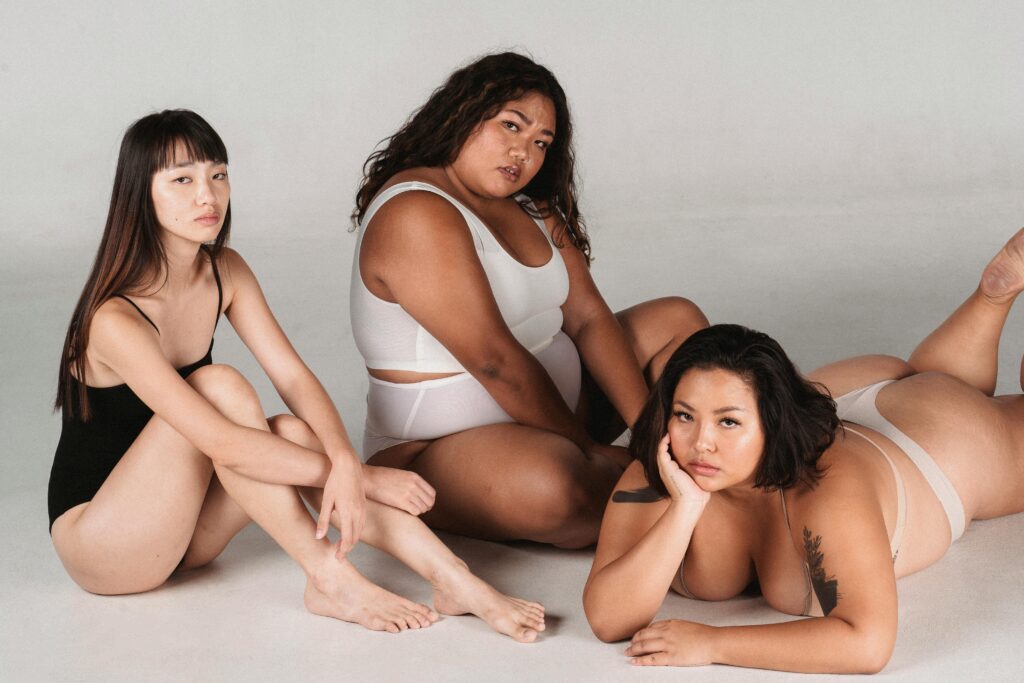
It’s common to assume that if you follow a weight loss program with a balanced diet, you should be able to “spot reduce” fat anywhere. But the body doesn’t work that way. While calorie deficit and regular exercise can reduce overall body fat and improve overall fitness, they don’t guarantee you’ll reduce localized fat deposits in the exact areas that bother you most.
Your body type, genetics, hormones, stress, sleep, and even the way your body prefers to hold stored fat can influence where changes show first and last. This is why someone can build muscle, improve muscle tone, and still see stubborn fat in stubborn areas that don’t match the rest of their progress.
Workouts vs. Body Sculpting: What Each Changes
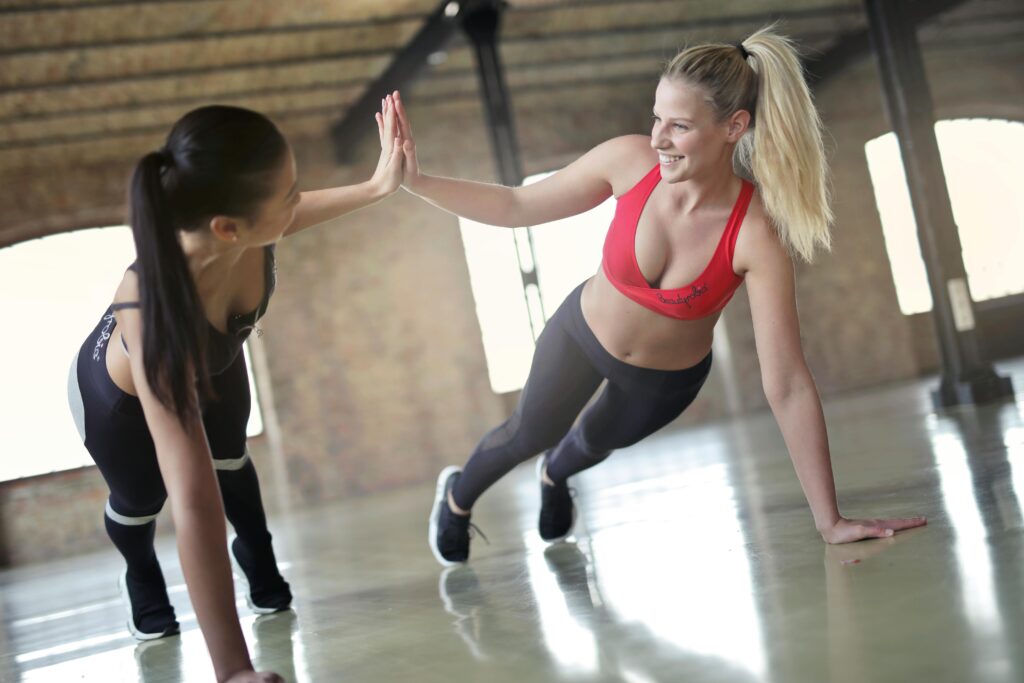
Exercise and nutrition mainly change your body by reducing overall body mass and improving composition—often lowering body fat, improving endurance, and supporting cardiovascular health. When combined with healthy eating habits, workouts can also protect your long-term health markers, energy levels, and mental well-being, which are benefits that extend far beyond appearance.
Body contouring and body sculpting treatments focus differently. Instead of aiming for significant weight loss, many non-surgical body sculpting options are designed for targeted fat reduction—meaning they can focus on targeted areas where stubborn fat pockets remain even after consistent lifestyle changes. This is a different goal than traditional weight loss, and it’s why the two approaches are often complementary rather than interchangeable.
Different Goals: Sculpting vs. Exercise
For many people, the answer depends on what “better” means. If your priority is overall health, stamina, and long-term resilience, diet and exercise deliver broad, measurable benefits that, unlike traditional cosmetic procedures, can’t be replaced. Exercise supports overall fitness, helps regulate body mass, and can improve mood and sleep—factors that often reinforce sustainable lifestyle changes.
If your priority is refining contour in stubborn fat zones, body sculpting may help address what workouts can’t specifically target. That’s where body sculpting procedures and fat reduction treatments can play a role—particularly when your weight is relatively stable, and you’re close to a target weight or ideal body weight, but still bothered by localized fat deposits.
Fat Cells and Uneven Fat Loss
When you lose weight, fat cells typically shrink; they don’t disappear automatically. That’s why weight regain can happen—those cells can enlarge again if weight loss reverses. The frustrating part is that fat loss is rarely uniform: the body decides where it pulls energy from, and it often protects certain regions longer, which is why stubborn fat is so common.
Some fat reduction technologies aim to eliminate fat cells in a selected region through controlled processes. While marketing sometimes implies you can simply “eliminate fat,” ethical education is more nuanced: effective fat reduction depends on candidacy, device type, and the body’s response. Results vary, and maintaining them still relies on long-term habits and weight stability.
How Non-Surgical Fat Reduction Works
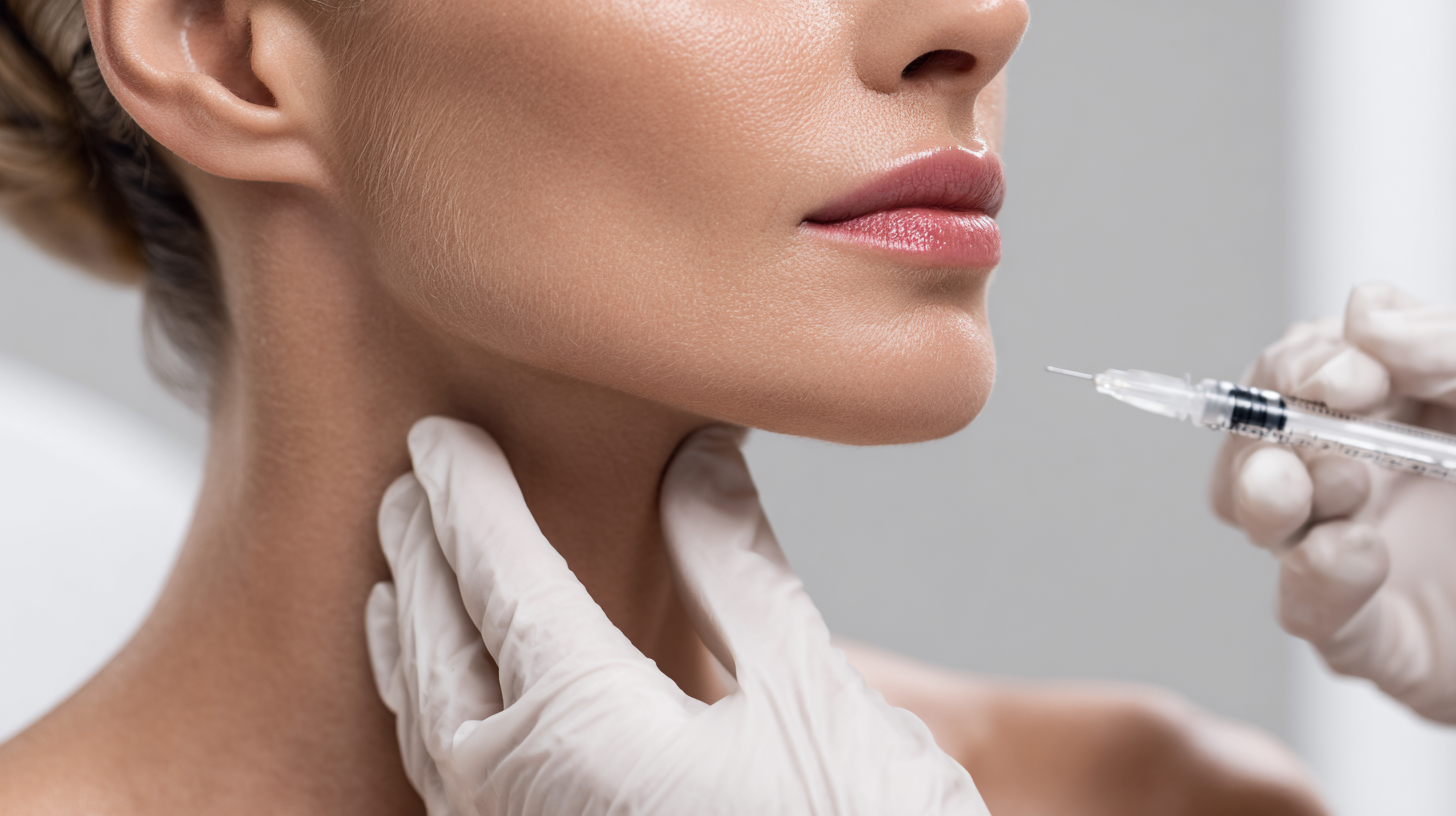
One widely known option is fat freezing, which uses controlled cooling to affect targeted fat under the skin. The intent is to create selective stress to fat in a localized region, and over time, the body processes the affected tissue. This is a form of non-invasive procedure and often falls under non-surgical body contouring.
While you’ll sometimes hear phrases like “eliminate fat cells,” the safer clinical framing is that some treated cells may be reduced and cleared over time, contributing to a change in contour. It’s also important to understand that the scale may not change much—because this is not designed for significant weight loss—but the shape of the area can look different as volume shifts.
Can Body Sculpting Enhance Muscle Definition?
Patients are often chasing visible muscle definition and a more athletic silhouette, and it’s important to be honest: exercise is still the foundation for building actual muscle. You can’t truly build muscle without training stimulus, protein support, recovery, and time. That said, body sculpting can sometimes enhance muscle definition by reducing a thin layer of fat that softens natural contours, creating a more sculpted appearance.
This is why many patients describe body sculpting as a “polish” step in their body sculpting journey. When combined with improved muscle tone through training, reducing the appearance of stubborn fat can lead to a more toned appearance and a more balanced overall body shape.
Can Skin Tightening Help After Weight Loss?
If you’ve experienced significant weight loss, you may notice loose skin that changes how your body looks, even if your fat loss was successful. This is a common reason people feel they can’t “see” the benefits of their hard work. In these cases, a plan focused only on fat reduction may not be enough, because the issue is also skin laxity.
Some technologies prioritize skin tightening, aiming to support firmer texture and tighten loose skin in select areas. Treatments that support tightening skin can be helpful for appearance goals, but they are not the same as surgery, and they have limits. Setting expectations about what a non-surgical approach can do is essential for informed decisions.
Choosing Sculpting vs. Diet and Exercise
A thoughtful plan starts with your priorities. If your goal is improved endurance, reduced health risks, and long-term vitality, traditional weight loss methods with healthy diet patterns and regular exercise are usually the cornerstone. A calorie deficit paired with strength training supports fat loss and helps preserve muscle, improving overall body mass and metabolic health.
If your goal is refining stubborn fat in targeted areas—like the lower abdomen, flanks, arms, or double chin—then body sculpting treatments may be an option to consider. Many patients explore non-surgical treatments when they are close to their target weight, maintain a relatively stable weight, and want to help you achieve a more balanced contour without surgery.
Recovery Time and Long-Term Commitment
One reason patients consider non-invasive options is the minimal recovery time compared with surgical approaches. Many non-invasive procedure choices allow a quick return to daily routines, which can fit busy schedules. Still, “no downtime” doesn’t mean “no planning”—you may need to time treatments around events, travel, and workouts, and you may experience temporary tenderness, swelling, or numbness.
It’s also crucial to consider long-term commitment. Body sculpting can reduce fat in specific zones, but maintaining the result usually depends on lifestyle patterns. Lifestyle changes, consistent movement, and a stable routine are what protect your investment. Without that foundation, weight changes can affect both treated and untreated areas.
Benefits and Realistic Expectations
For many patients, the most empowering view is that exercise delivers broad health benefits and supports overall health, while body sculpting can help refine contour where the body resists change. This is especially relevant when your goal is not significant weight loss but rather a more proportional silhouette and a more sculpted appearance.
It’s also important to avoid overpromising. Body sculpting doesn’t replace your gym routine, and it doesn’t guarantee permanent results for everyone. Outcomes vary based on anatomy, device type, and adherence to a healthy lifestyle. When expectations are realistic, patients often feel more satisfied and less pressured to chase extreme measures.
FAQ
Is body sculpting better than working out for stubborn fat if I want to lose weight?
Body sculpting is usually not a primary weight loss solution and may not lead to major scale changes. Diet and exercise are still the most reliable approaches for weight loss and improving overall health. Body sculpting may be more relevant when you’re near a target weight and want targeted fat reduction.
Can body sculpting eliminate fat cells permanently?
Some fat reduction treatments aim to reduce fat cells in a specific area, but results vary, and weight changes can still affect your shape. Even with fat cell reduction, remaining fat cells can enlarge if you gain weight. Maintaining a stable routine supports longer-lasting contour.
What if I have loose skin—will body sculpting tighten it?
Some approaches focus on skin tightening and may help tighten loose skin in mild to moderate cases. However, the degree of improvement depends on your skin quality, age, and the area treated. A consultation can clarify whether tightening-focused non-surgical treatments are a good match for your concerns.
Conclusion
If you’re still weighing whether body sculpting is better than working out for stubborn fat, the best next step is a personalized consultation. BluePoint Medical Spa can evaluate your body type, overall body fat distribution, and goals to determine whether non-surgical body sculpting could help you address stubborn fat pockets, belly fat, or a double chin while you continue diet and exercise.
Because results vary and treatments can have risks or contraindications, an individualized plan is the safest way to align expectations with realistic outcomes. Schedule a consultation with BluePoint Medical Spa to discuss body contouring options, timelines, and how to support results with sustainable habits.