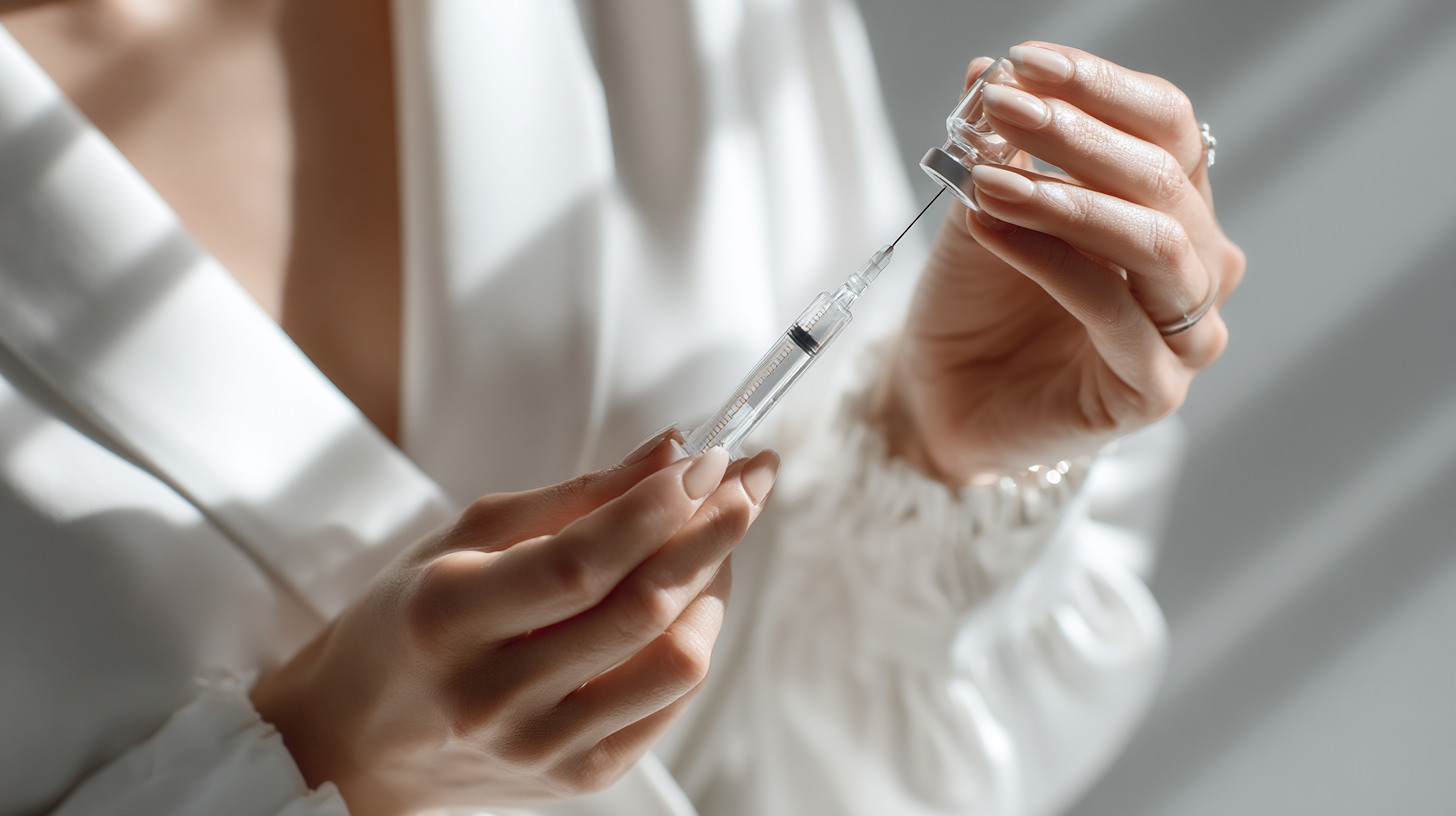
It’s completely normal to feel confused (or even discouraged) if you invested in body sculpting and don’t see the slimmer figure you expected. Many patients search “why am I not losing fat even after body sculpting treatments” because they’re doing “everything right,” yet the mirror and the scale don’t seem to agree.
At BluePoint Medical Spa, we see this concern often—especially after non-invasive treatments like fat freezing. The most helpful starting point is this: fat reduction and weight loss are not the same thing, and your body’s timing matters as much as the technology.
If you’re hoping for significant weight loss or a fast drop to your goal weight, the experience can feel like “nothing happened” even when real change is underway. A more accurate goal for body contouring is improving shape and body composition in targeted areas where stubborn fat tends to resist diet and exercise.
Nothing Changed—Am I a Bad Candidate?
Feeling that nothing changed doesn’t automatically mean you were a poor or suitable candidate. Sometimes the issue is that expectations were based on weight-loss messaging rather than how a fat removal technique works in real bodies.
A good candidate for many weight loss treatment-adjacent aesthetic options is typically near an ideal weight (or close to a stable “comfortable weight”) but bothered by stubborn fat pockets—like back fat, flanks, lower abdomen, or bra-line fullness. If you’re still actively trying to lose weight, the best plan may be a combination strategy rather than relying on one treatment session.
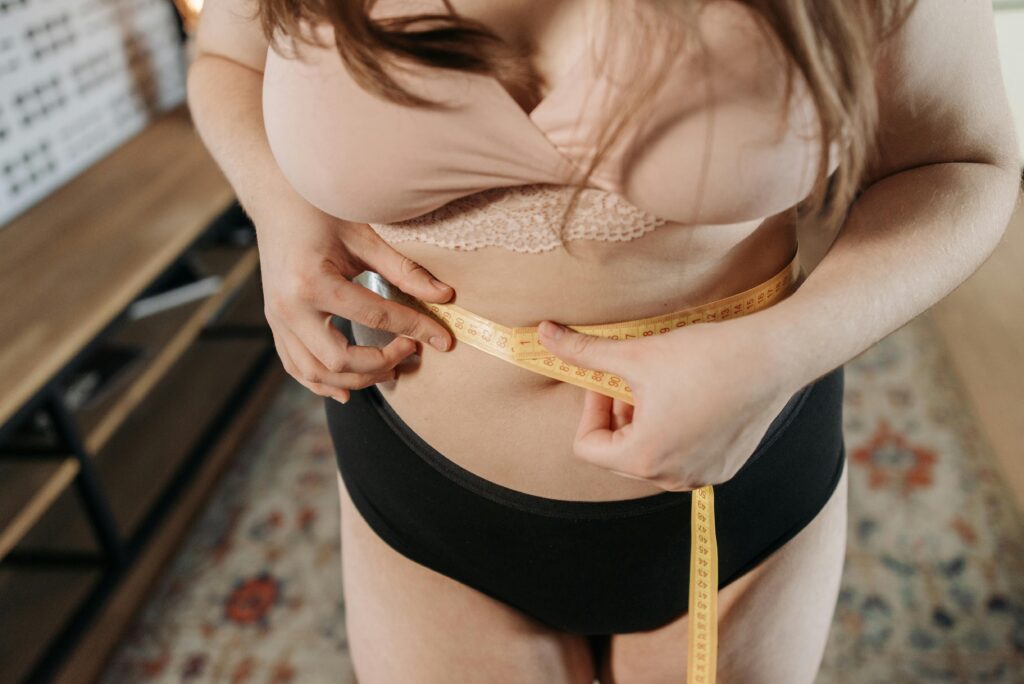
The other missing piece is measurement. If you’re only watching the scale, you can miss changes in the treated area or treatment area that show up in clothing fit, photos, and inches—especially if you’re also increasing physical activity or starting to exercise regularly.
Should You Lose Weight After CoolSculpting?
This is one of the biggest misconceptions in the CoolSculpting journey. A CoolSculpting treatment (a cryolipolysis treatment) is designed for fat loss in a localized treated area, not for overall weight loss on the scale.
Here’s why that matters: weight loss usually shrinks fat cells throughout the body, while fat reduction procedures aim to reduce the number of fat cells in selected areas. That can help you reduce fat in unwanted fat zones, but it may not move the scale much—especially if your baseline weight stays stable.
So if you’re asking, “Why am I not losing fat even after body sculpting treatments,” the more precise question may be: Are you looking for a change in total body weight, or a change in contour and body shape?
What Happens to Fat Cells During Fat Freezing?
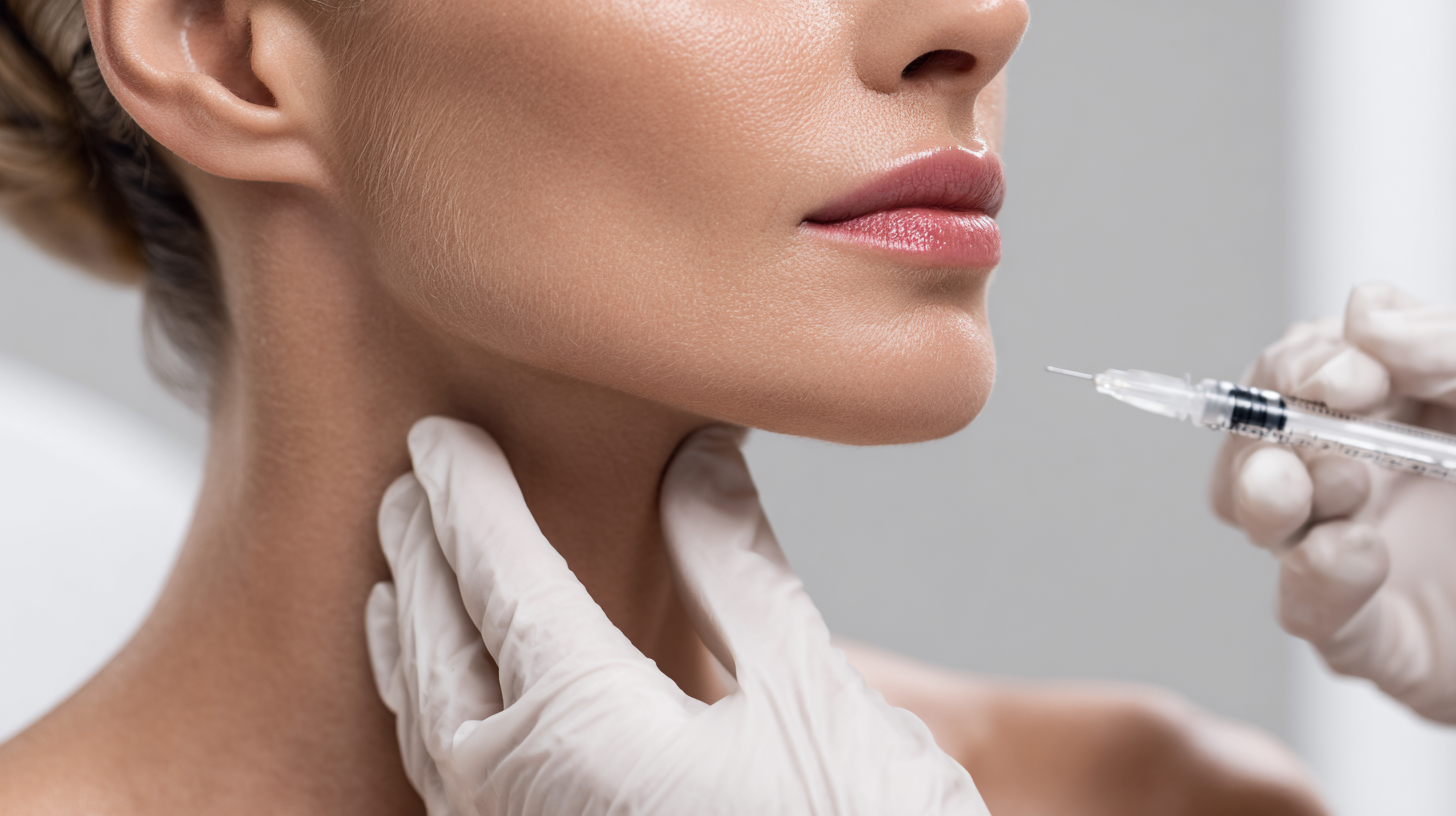
With fat freezing, controlled cold temperatures target subcutaneous fat—the fat located under the skin that contributes to pinchable fullness. During the CoolSculpting process, frozen fat cells become damaged, creating treated fat cells that your body recognizes as no longer healthy.
Over time, those dead fat cells are cleared through the body’s natural processes—often discussed as involvement of the lymphatic system and gradual immune cleanup. In other words, your body naturally eliminates the disrupted cells; it doesn’t “melt” fat overnight.
This timeline is a major reason early disappointment happens: patients may expect immediate change after the first treatment, but the most visible shift typically appears weeks later, as the body clears the treated cells.
How Long Does Fat Clearance Take?
Most people see initial results gradually, not instantly. Many clinics reference a general window of about 6–12 weeks for visible contour changes, because clearance is incremental and depends on circulation, inflammation, and individual fat metabolism.
This is where patience becomes a practical strategy. If you evaluate results too soon—especially within the first couple of weeks—you may be looking before your lymphatic circulation has had time to do its work.
It’s also why follow-up timing matters. A check-in at 8–12 weeks can be more meaningful than a glance at week two, because that’s when changes in the treatment area are more likely to reflect the body’s completed processing.
Why You May Look the Same During Fat Reduction
Even when destroyed, fat cells are being cleared, and you can appear unchanged if the surrounding tissue is still holding temporary swelling, firmness, or mild inflammation. Some patients interpret that as failure, when it can simply be part of the body’s response to cooling.
Another reason is that fat loss can be subtle if the starting fullness was mild or distributed. If a single area had a small pocket of excess fat, a modest reduction can be real but visually quiet—especially without consistent photos or measurements.
Finally, your baseline frame matters. If the treated area is only one part of your silhouette, the overall shape may not look different unless multiple targeted areas are treated in a coordinated plan.
Can Weight Gain Hide Sculpting Results?
Yes—and this is a common reason patients feel stuck. CoolSculpting results can be harder to notice if you gain weight during or after your treatment series, because remaining fat cells in the treated zone (and elsewhere) can enlarge with caloric surplus.
A key concept: even if a treatment reduces the number of fat cells in a specific area, the body still has remaining fat cells capable of expanding. If those cells enlarge, you can see weight gain or a return of fullness in the same general region.
And while the treatment focuses on eliminating fat cells in a targeted zone, new fat cells can develop over time with sustained weight gain, especially depending on genetics and lifestyle. That doesn’t mean treatment “didn’t work”—it means results are best supported by a stable weight and a healthy lifestyle.
Why Lifestyle Matters More Than You Think
It can feel unfair to hear “healthy habits” after paying for a procedure, but this isn’t about blame—it’s about biology. Your body’s ability to clear treated fat cells relies on normal recovery processes, circulation, sleep, hydration, and metabolic health.
When your routine includes a balanced diet and you exercise regularly, you’re not “activating” the device—you’re supporting your body’s cleanup and long-term contour stability. Over time, consistent diet and exercise also influence visceral fat, which fat freezing does not target.
If your goal is to lose weight broadly, lifestyle is still the primary driver. Body sculpting can refine shape, but it can’t replace the fundamentals that change total mass and overall metabolic health.
Did You Treat the Right Areas?
Sometimes the issue is targeting, not effort. If the main concern is lower belly projection driven by posture, bloating, or visceral fat, treating surface subcutaneous fat alone may not match your mental image of the outcome.
Other times, the treatment area selection was right, but the plan didn’t account for proportion. For example, reducing lower abdomen fullness without addressing flanks can leave the waistline looking similar from certain angles. Strategic mapping of targeted areas can make the difference between “subtle” and “noticeable.”
This is also why a personalized consult matters: a clinician can help you clarify whether the concern is stubborn fat, skin laxity, muscle tone, or overall body composition—and recommend the best path accordingly.
Do You Need Multiple Sessions?
Many patients need multiple sessions to approach a desired outcome—especially when the starting pocket is denser, the area is larger, or symmetry matters. A single treatment session may create improvement, but it may not be the full transformation you imagined.
In practice, some patients benefit from two sessions on the same area, while others require more treatments across several zones for balance. This is not a failure—it’s often part of matching the plan to anatomy and goals.
At BluePoint, treatment planning is typically guided by candidacy, tissue thickness, and the patient’s timeline—while keeping realistic expectations front and center.
Is Lymphatic Drainage Helpful After Fat Freezing?
Patients often ask about lymphatic drainage because they’ve heard it supports recovery. While massage and movement can support comfort and circulation, it’s important to keep the promise realistic: the body will still rely on the body’s natural processes to clear cells over time.
That said, focusing on gentle activity, hydration, and normal lymphatic circulation can be a supportive part of an overall recovery plan—especially if you tend to swell or feel puffy after procedures.
If you’re interested, your provider may discuss whether light massage, compression, or specific post-care routines fit your health profile—particularly if you have a history of swelling or a relevant medical condition.
How Nutrition Affects Post-Treatment Results
It’s easy to assume the treatment is the “main event,” but your nutrition influences how your body stores and mobilizes energy. A consistent, balanced diet supports stable weight, so your post-treatment contours have a chance to stand out.
If you’re oscillating between strict dieting and rebound eating, your body may be in a loop that makes fat metabolism unpredictable. That can mask the visible impact of localized fat reduction.
This is also why we encourage patients to frame these procedures as part of a long-term healthy lifestyle, not a one-time fix. The goal is a plan you can actually maintain—so you don’t unintentionally slide into weight gain right as results are emerging.

Exercise and Body Recomposition
If you increase strength training or activity while undergoing body sculpting, you may gain lean mass while losing some fat, keeping the scale stable. That’s a body composition win—even if it doesn’t read like one.
When patients exercise regularly, they often notice improved posture, muscle tone, and waist definition, which can make CoolSculpting results more visible. In this way, exercise doesn’t “boost” freezing; it improves the frame your fat sits on.
So if you’re asking why you didn’t achieve significant weight loss, it may be because the real progress is happening through recomposition rather than a simple numeric drop.
What “CoolSculpting Permanent” Really Means
You may hear the phrase coolsculpting permanent and assume that means you can never regain fullness. The more accurate framing is: the destroyed fat cells in the treated zone are not expected to come back in the same way, but your body still has remaining fat cells that can expand if you gain weight.
This matters because permanence is about cell reduction in a location, not a lifetime guarantee of a certain shape. If weight increases, your silhouette can change—sometimes even in the treated region.
A stable routine and realistic planning are what protect results best, not a promise that biology stops responding to calories.
PAH or Slow Progress?
One rare but important safety topic is paradoxical adipose hyperplasia (PAH), where, instead of reducing, the treated fat can enlarge or become firmer over time. It’s uncommon, but it’s a known complication patients deserve to understand.
PAH is often noticed weeks to months later, and it can be mistaken for “the treatment didn’t work.” The difference is that PAH tends to create a distinct, persistent fullness that can look like a shaped bulge in the treated zone.
If you suspect abnormal enlargement—especially if the area feels firmer or looks more pronounced—reach out for evaluation. A qualified provider can help distinguish expected healing from something that needs a different plan.
FAQ
Is it normal not to see results right after a CoolSculpting treatment?
Yes. Many people won’t see meaningful initial results for several weeks because the body naturally eliminates the treated cells gradually through the body’s natural processes.
Can I lose weight from body contouring, or is it only fat reduction?
Most body contouring procedures are designed for localized fat reduction, not general weight loss. You may look leaner in a treated area without seeing major scale changes, especially if your overall weight stays stable.
What should I do if the treated area looks bigger months later?
If the area becomes persistently fuller or firmer, contact a qualified provider for evaluation because rare complications like paradoxical adipose hyperplasia can occur.
If I gain weight, can fat come back after fat freezing?
You can still see fullness increase if you gain weight because remaining fat cells can expand, and new fat cells may develop over time. Maintaining a stable weight and healthy habits helps protect long-term contour.
Conclusion
If you’re still asking, “Why am I not losing fat even after body sculpting treatments?” you deserve a clear answer—not guesswork. BluePoint Medical Spa can review your CoolSculpting process, assess the treated area, and confirm whether your results are on track, whether you might benefit from multiple sessions, or whether another approach better fits your goals.
Schedule a consultation to build a personalized plan that aligns with your body, your lifestyle, and your desired changes—while keeping safety, candidacy, and realistic expectations at the center of every recommendation.