
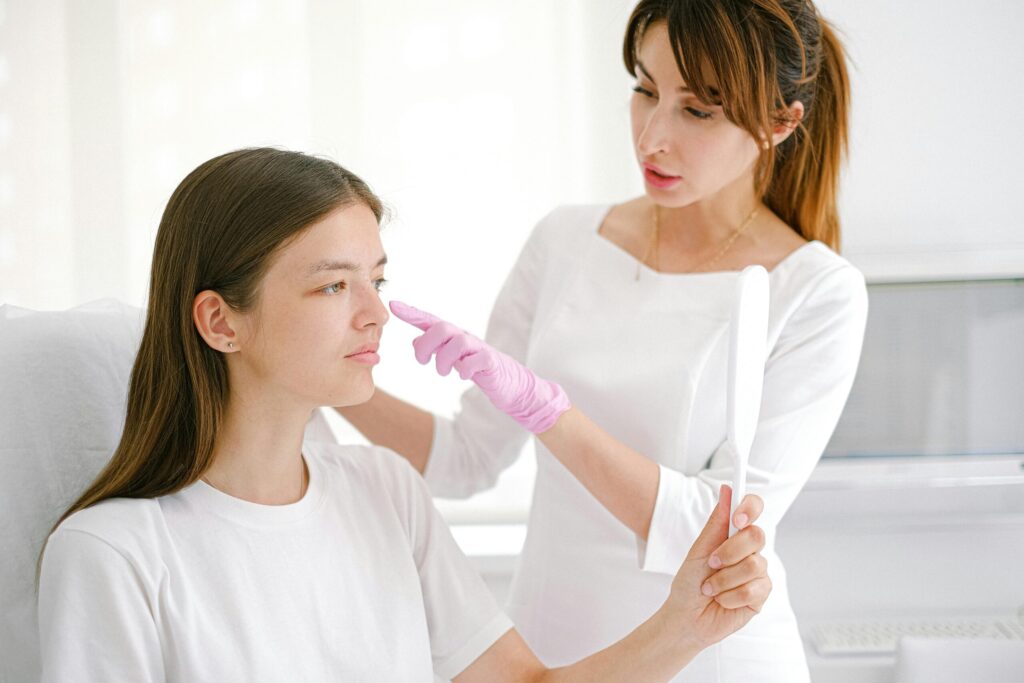
When it comes to skin rejuvenation, the options can feel overwhelming. Between chemical peels and facials, both promise smoother texture, fewer blemishes, and a more youthful glow — but which one truly delivers the results you’re looking for?
At Blue Point Medical Spa, we help clients make confident choices about their skincare treatments by understanding their unique skin type and specific concerns.
Whether you want to address acne scars, uneven skin tone, or simply refresh your complexion, choosing the proper treatment can transform your skin’s appearance and long-term health.
Understanding the Difference Between Chemical Peels and Facials
Both facials and chemical peels remove dead skin cells and stimulate new cell turnover, but they do so in very different ways.
A facial is a gentle, customizable treatment focused on deep cleansing, hydration, and relaxation. It’s ideal for maintaining overall skin health and addressing mild concerns such as clogged pores, dryness, or dullness.
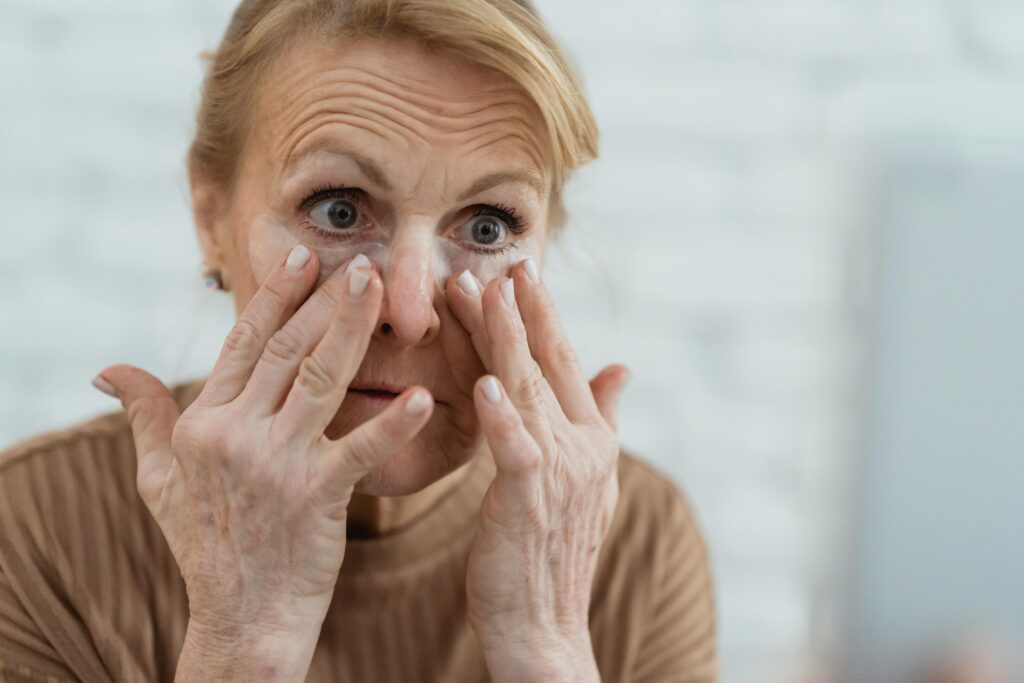
A chemical peel, on the other hand, uses a chemical solution — often containing lactic acid, salicylic acid, or glycolic acid — to exfoliate the skin’s outer layers. This controlled peeling process reveals smoother, healthier skin underneath, stimulates collagen production, and helps fade dark spots, fine lines, and acne scars over time.
In short, facials are about maintenance and nourishment, while chemical peels focus on correction and transformation.
What Is a Chemical Peel?
Exfoliation That Reveals Younger-Looking Skin Underneath
A chemical peel involves applying a carefully measured chemical solution to your skin, which gently causes the topmost damaged layers to peel away. Once this layer sheds, new, fresh skin emerges — smoother, more precise, and with a more even tone.
This process not only improves your skin’s appearance but also enhances cell turnover, boosts collagen production, and reduces the appearance of fine lines, hyperpigmentation, and acne scars.
Depending on your skin’s needs, Blue Point offers several types of chemical peels:
- Light peels for mild rejuvenation and minimal downtime.
- Medium-depth peels to treat sun damage, dark spots, and uneven texture.
- Deep peels for significant skin concerns such as deeper wrinkles or scarring.
Our licensed skincare professionals will recommend the best option to address your individual skin concerns safely and effectively.
What Is a Facial?
Deep Cleansing and Hydration for Every Skin Type
A facial treatment is a gentle, soothing way to keep your skin balanced and refreshed. It typically includes gentle cleansing, exfoliation, extraction, and a hydrating mask or moisturizing serums tailored to your skin type.
Facials are excellent for maintaining a healthy complexion and addressing minor concerns such as clogged pores, dryness, or sensitive skin. They also help remove dead skin cells that can dull your glow and prepare your skin for stronger treatments like peels or laser therapy.
At Blue Point, we offer both traditional facials and advanced options such as the Diamond Glow™ facial, which infuses active ingredients for instant brightness and long-lasting hydration.
Chemical Peel vs Facial: Which Is Right for Your Skin Concerns?
Choosing the Best Path to Healthier, Radiant Skin
Deciding between a facial and a chemical peel depends on your skin’s current condition, your desired outcomes, and how much downtime you can realistically expect.
| Concern | Best Treatment | Expected Results |
| Mild dryness, dullness, or clogged pores | Facial | Clean, hydrated, refreshed skin |
| Uneven skin tone or sun damage | Chemical peel | Brighter tone and smoother texture |
| Fine lines or wrinkles | Chemical peel | Stimulated collagen and youthful glow |
| Sensitive skin or first-time clients | Facial | Gentle cleansing and calm, balanced skin |
| Acne scars or pigmentation | Chemical peel | Reduced discoloration and refined texture |
If you’re new to professional skincare treatments, starting with a facial helps your skin adjust before moving on to stronger resurfacing options, such as chemical peels.
The Benefits of Chemical Peels: A Deeper Rejuvenation
Chemical peels are highly effective for various skin concerns, including:
- Uneven skin tone and hyperpigmentation reduction
- Acne scars and enlarged pores
- Fine lines and sun damage
- Dull or aging skin in need of a refresh
As the damaged skin cells shed, your skin heals itself with stronger collagen and elastin fibers, revealing a youthful-looking skin underneath. Many clients notice visible improvement in their overall skin texture after just one session, with continued progress over a series of treatments.
The Benefits of Facials: Consistent Care for Ongoing Skin Health
Regular facials play an essential role in maintaining healthy skin. While chemical peels target deeper concerns, facials help prevent new issues from developing by keeping the skin clean, hydrated, and balanced.
They also prepare your skin for stronger treatments, enhance the absorption of active ingredients, and support overall skin health between procedures. Many clients alternate between facials and peels to achieve the best long-term glow.
Combining Treatments for Optimal Results
For many clients, the best solution isn’t choosing one or the other — it’s combining both in a personalized treatment plan. At Blue Point Medical Spa, we often alternate facials and light chemical peels to maintain skin balance while achieving long-term skin rejuvenation.
Our specialists assess your unique skin and design a schedule that aligns with your specific skin concerns, lifestyle, and sensitivity level. This approach delivers radiant skin that looks refreshed and feels healthy from within.
FAQ
Is a chemical peel better than a facial for anti-aging?
Both treatments improve skin health, but chemical peels are more effective for fine lines, sun damage, and cell turnover, leading to smoother, younger-looking skin.
How often should I get a chemical peel or facial?
Most clients benefit from a facial every 4–6 weeks for maintenance and a chemical peel every 6–8 weeks for deeper rejuvenation. Your skincare professional will tailor a plan for your unique skin.
Can I combine chemical peels and facials in one routine?
Yes, many clients alternate between treatments for balanced results — facials to maintain hydration and chemical peels to improve texture and fade dark spots.
Conclusion
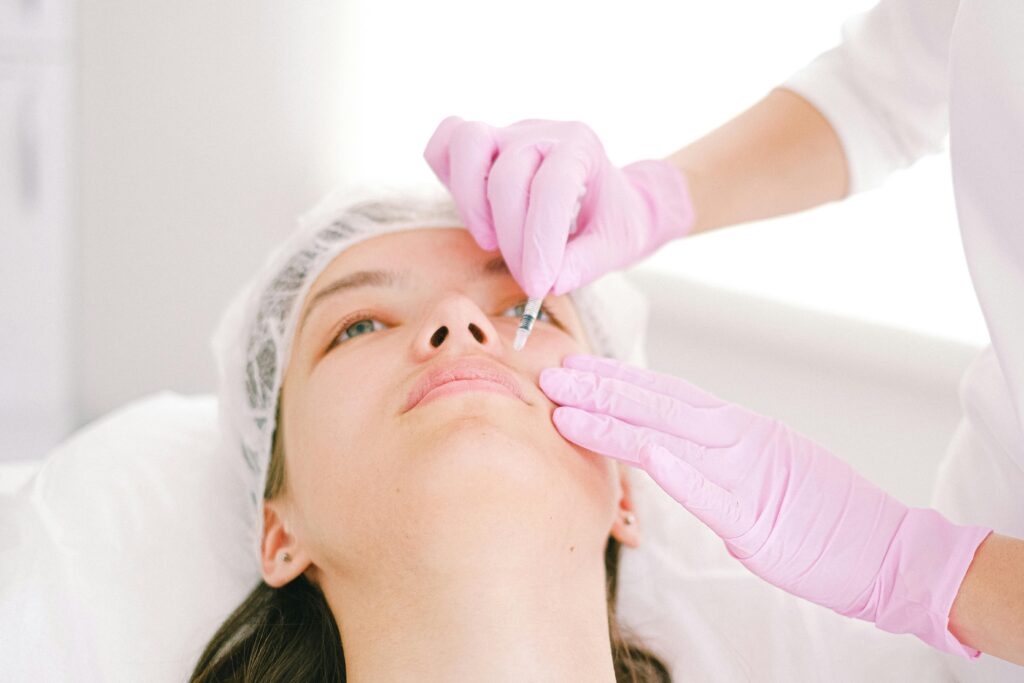
Both facials and chemical peels can dramatically improve your skin’s health and appearance — but the best choice depends on your individual goals.
Whether you need a gentle refresh or a powerful transformation, Blue Point Medical Spa offers safe, science-backed treatments to help you reveal your most radiant complexion yet.
Ready to reveal smoother, brighter skin?
Book your consultation at Blue Point Medical Spa today and discover the rejuvenation treatment that’s right for you.