Your skin’s appearance reflects decades of sun exposure, natural aging, and how well your skin’s structure has held up over time. Skin health depends largely on two proteins, collagen and elastin, that give skin its firmness, bounce, and youthful appearance. Over time, collagen breakdown accelerates, elastin production slows, and the visible result is fine lines, sagging skin, and uneven skin texture. Many patients ask whether professional treatments can reverse these changes, and the answer is more nuanced than yes or no. Advanced laser technology, particularly collagen-focused laser treatment, works differently from at-home skincare by triggering your skin’s own repair response.
The question is not whether these concerns matter, but whether you want to address them and how. If you have noticed gradual changes in skin firmness, texture, or tone over the past several years, you are not alone. These shifts are part of natural aging, accelerated by sun exposure and lifestyle. What makes the difference is whether you take a proactive approach through professional guidance or allow the process to continue untreated. This article explains how collagen-focused laser technology works, what to expect from a treatment plan, and whether this approach might align with your aesthetic goals.
How Collagen Shapes Your Skin’s Structure and Strength
Collagen is not just a buzzword in skincare; it is the fundamental structural protein that holds your skin together. Think of collagen as the scaffolding beneath your skin’s surface. When collagen fibers are dense, well-organized, and healthy, your skin appears smooth, firm, and radiant. When collagen begins to break down, a process accelerated by sun exposure, stress, and aging, your skin loses that structural support. The result is visible sagging skin, deeper wrinkles, and a loss of skin elasticity.
Here is what happens at the cellular level: your skin produces less new collagen after age thirty, and at the same time, existing collagen fibers begin to fragment. This dual process, less production plus ongoing breakdown, creates a compounding effect. Skin’s natural repair processes are still active, but they work slowly and often incompletely without professional support. This is where laser skin resurfacing and collagen stimulation enter the picture. Rather than replacing lost collagen artificially, advanced laser treatments and other approaches to collagen restoration for skin rejuvenation wake up your skin’s own ability to rebuild new collagen fibers and strengthen skin’s surface from within.
Understanding this biology is important because it shapes realistic expectations. You cannot reverse years of collagen breakdown in one treatment, but you can accelerate your skin’s natural rebuilding process over weeks and months. Each session of laser resurfacing causes controlled injury, intentionally, which prompts your body to respond by laying down fresh collagen. The result is a gradual but measurable improvement in skin texture, skin firmness, and overall skin quality.
The Science Behind Collagen-Focused Laser Technology
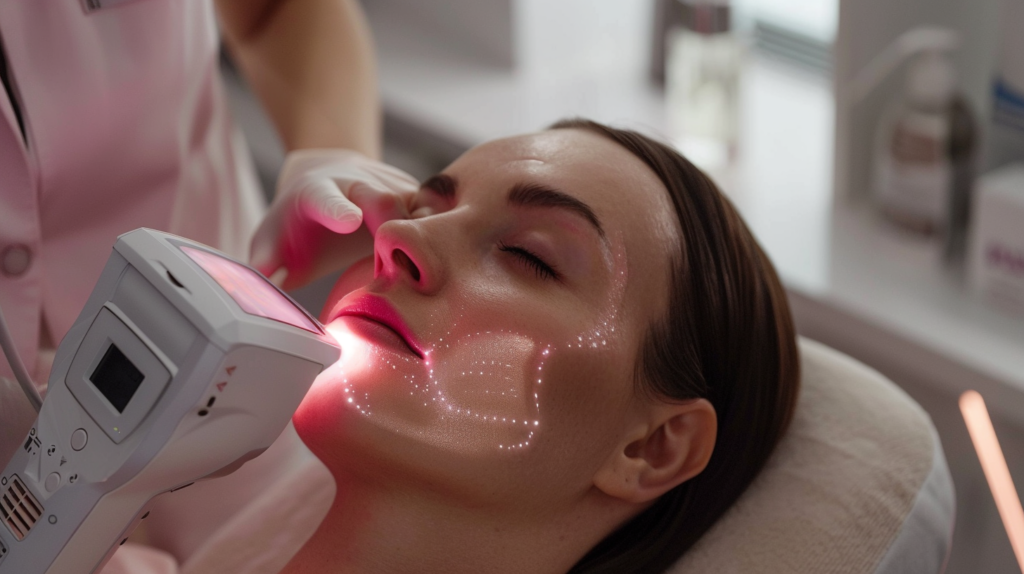
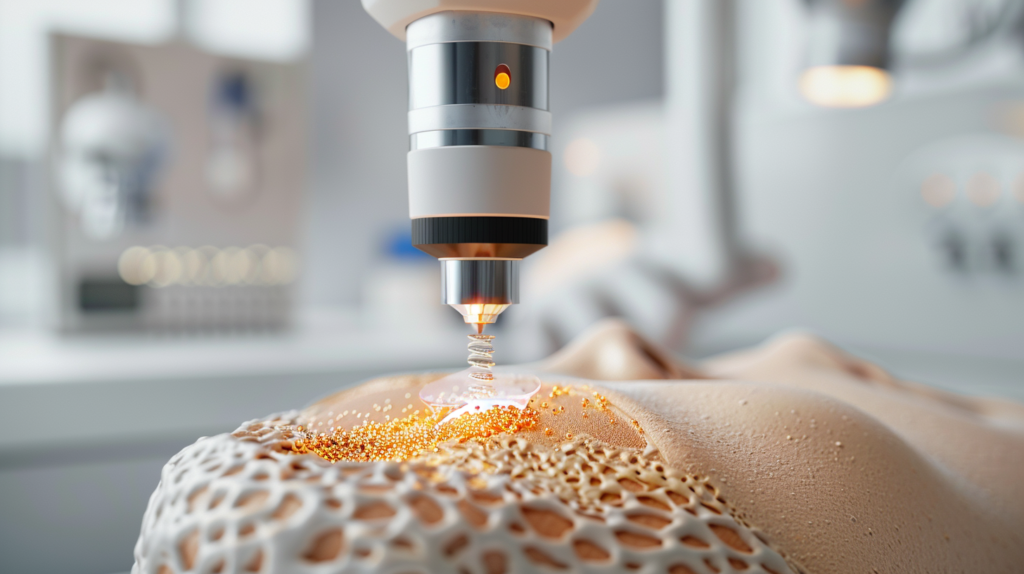
Collagen-focused laser technology operates on a straightforward principle: deliver controlled laser energy to the deeper layers of skin in a way that stimulates collagen production without destroying the outer layers. This is where fractional laser treatment and traditional laser approaches differ. Fractional laser technology targets only a fraction of the skin at a time, leaving surrounding tissue intact so that healing processes remain efficient and downtime stays minimal.
When a laser beam enters the skin, it heats the tissue in the treatment area. That heat causes collagen fibers to contract and triggers a biological cascade: inflammation, tissue remodeling, and synthesis of new collagen. Your body recognizes this as a signal to repair and strengthen the skin. Unlike traditional laser treatments that create one uniform injury across the entire treatment area, advanced laser treatments using fractional or targeted approaches create multiple small zones of controlled injury. Your skin heals each zone independently, which speeds recovery and reduces complications.
Erbium lasers and other laser procedures, including targeted options like KTP laser treatment for facial veins, work at different wavelengths and depths depending on the specific device and the patient’s goals. Some laser technology primarily addresses surface skin concerns like discoloration and texture, while deeper systems focus on deep collagen stimulation and structural tightening. Your provider will choose the right device and settings based on your skin type, skin condition, the treatment area, and your specific goals. The key principle remains the same: delivering controlled energy to stimulate collagen production and support skin regeneration over time.
What Skin Concerns Can Benefit from Collagen-Focused Treatment
Laser skin resurfacing and modern laser treatments for skin rejuvenation and collagen-stimulating treatments address a range of multiple skin concerns simultaneously, which is one reason they are popular. Fine lines and deeper wrinkles both respond to collagen regeneration because wrinkles form when skin loses structural support. By rebuilding collagen, you restore volume and smoothness. Acne scars, which represent permanent loss of skin structure, often improve dramatically because laser energy stimulates new collagen deposition in the scarred areas, gradually filling them in and improving contour.
Sagging skin and loss of skin firmness respond well to deep collagen stimulation because laser treatments trigger elastin production alongside collagen synthesis. This dual response strengthens the skin’s support system. Uneven skin texture, age spots, and hyperpigmentation also improve because the treatment encourages skin turnover and remodeling of the outer layers. Patients with sun-damaged skin, the result of years of excessive sun exposure, often see remarkable improvements because laser treatment addresses both the surface discoloration and the long-term skin texture changes and the underlying structural damage caused by UV exposure.
It is important to note that not every concern responds equally, and not every skin type is suitable for every laser. Darker skin tones require different laser wavelengths and settings to avoid side effects like post-inflammatory hyperpigmentation. Your consultation with a licensed provider will clarify which laser procedures are safest and most effective for your specific skin condition and treatment goals. Multiple skin concerns often require a staged approach: you may address the deepest structural issues first, then refine surface texture and tone in follow-up sessions.
The Timeline: From First Treatment to Visible Results
Skin regeneration is not instantaneous. Many patients expect to see dramatic changes immediately after a laser resurfacing session, but the real transformation happens gradually over weeks and months. Understanding this timeline helps you maintain realistic expectations and appreciate the biological process at work. In the immediate aftermath of treatment, your skin will be red, possibly swollen, and may feel tender. This is normal; it reflects the controlled injury that triggered your repair response.
Over the first two weeks, the healing process dominates. Your skin will peel and shed as outer layers slough off, and new cells emerge from below. During this time, avoid direct sun exposure and follow your provider’s aftercare instructions carefully while understanding that laser skin treatment can look worse before it gets better. By week three to four, most visible redness fades, and you will notice your skin feels smoother and looks fresher. However, the most important work is happening beneath the surface: collagen fibers are forming, and your skin’s architecture is being rebuilt. This deeper process continues for eight to twelve weeks after treatment.
By three months post-treatment, you will likely notice measurable improvements in skin texture, skin tone, and skin firmness. Fine lines appear softer, and your overall skin quality looks noticeably improved. If you are treating sagging skin or deeper wrinkles, results continue to refine over six months. Some patients pursue a series of facials and skin treatments, typically three to six sessions spaced four to six weeks apart, to achieve their target outcomes. Each session builds on the previous treatment, encouraging additional collagen stimulation and progressive improvement. The key is patience and consistency: collagen-focused laser technology works because it respects your skin’s biology, not because it bypasses it.
Combining Laser Treatment with Long-Term Skin Health Practices
Advanced laser technology is most effective when paired with a committed treatment plan and dedicated pre- and post-care for laser treatments that includes prevention and maintenance. A single laser session will improve your skin, but without ongoing sun protection, the benefits will fade faster than necessary. Avoid direct sun exposure for at least two weeks after treatment, and use broad-spectrum sunscreen with SPF 30 or higher every day thereafter. Think of sunscreen as the most important anti-aging tool you own: it prevents the damage that accelerates collagen breakdown and undoes the benefits of your professional treatment.
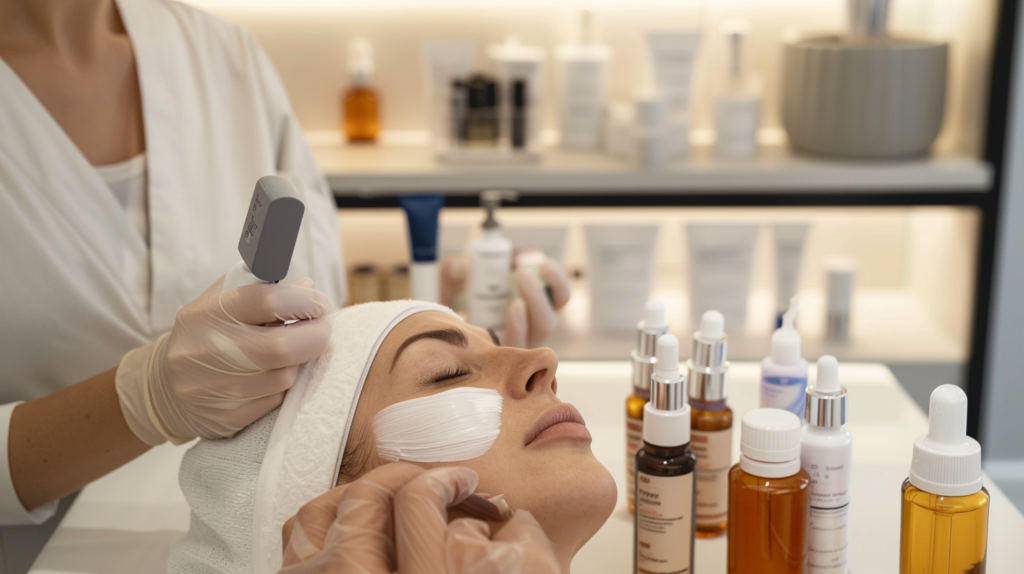
Beyond sun protection, your home skincare routine matters, and using the wrong skincare after spa treatments can undermine your results. Retinoids, vitamin C serums, and peptide-based moisturizers support skin health between professional sessions. Hydration, both internal and topical, helps your skin mount an effective healing response. If you smoke, drink alcohol in excess, or consistently skimp on sleep, your skin’s natural repair processes will work less efficiently. Your provider may recommend a complementary skincare regimen as part of your treatment plan. Some patients also benefit from additional aesthetic treatments like chemical peels or personalized medical-grade facials to maintain and refine results.
The goal is to view laser skin resurfacing not as a one-time fix but as part of an integrated approach to long-term skin health. Your provider will discuss maintenance treatments, sometimes called “touch-up” sessions, to sustain your results and help you understand how often to schedule facials and skin treatments safely. Some patients return annually; others prefer treatments every two to three years, depending on their aging patterns and aesthetic goals. The most successful outcomes come from patients who understand that skin begins to age naturally after treatment, and proactive maintenance preserves their investment.
Setting Realistic Expectations and Understanding Individual Variation
One of the most important conversations you will have with your provider is about realistic expectations. Advanced laser treatments are highly effective, but they are not magic. They cannot stop aging, and results vary based on your age, skin type, genetics, and how well you care for your skin afterward. A patient in her forties who has had minimal sun exposure will see different results than a patient in her sixties with significant photodamage. This does not mean the older patient will not benefit; she likely will, but the specific outcome will differ.
Natural-looking results are the goal, not an overdone transformation. Good laser resurfacing makes you look like a refreshed version of yourself, not like a completely different person. You should expect to look well-rested, with a smoother texture and brighter tone, not frozen or artificially polished. If you are treating acne scars or deeper wrinkles, understand that laser treatments improve rather than eliminate these concerns. Some scars may require multiple sessions or combination treatments. Some deep wrinkles will soften but may not disappear entirely, especially if they reflect decades of movement and sun exposure.
Individual skin biology also means that some patients experience faster healing and a more dramatic collagen response than others. Age, overall health, genetics, and even diet influence how robustly your skin heals and produces new collagen. Your provider will assess these factors during your consultation and discuss what your skin is likely to achieve. Honest communication about realistic outcomes builds trust and ensures you feel satisfied with your results rather than disappointed by unmet expectations.
Important Safety Considerations and Possible Side Effects
Laser treatments are generally safe when performed by licensed, experienced providers using appropriate devices for your skin type. However, like any medical procedure, they carry potential side effects and contraindications. Common temporary side effects include redness, swelling, mild discomfort, and temporary changes in skin tone. These typically resolve within days to weeks. More serious but rare complications include infection, permanent pigmentation changes, scarring, or erbium laser-specific effects like blistering if healing instructions are not followed.
Certain skin conditions and medications increase risk. If you have active acne, cold sores, or inflammatory skin diseases, your provider may recommend treating those first. Some blood pressure medications, isotretinoin, or other oral medications can affect healing. Pregnancy is typically a contraindication. Patients with darker skin tones are at higher risk for post-inflammatory hyperpigmentation, which is why laser technology selection and settings are critical. Your provider will discuss your complete medical history, current medications, and any skin conditions before proceeding.
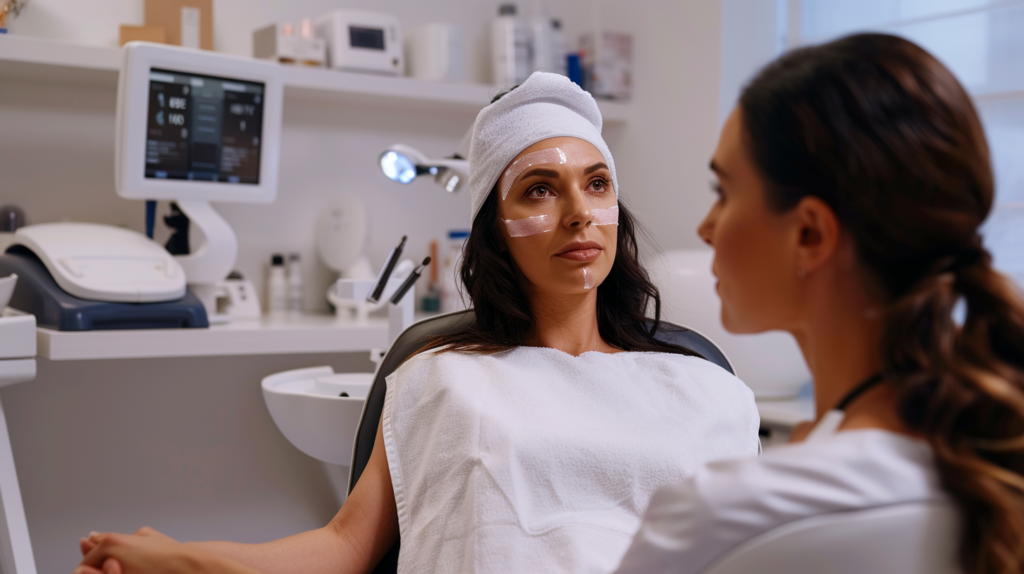
The best way to minimize risk is to choose a qualified, board-certified provider such as Blue Point Medical Spa in Las Vegas; follow pre-treatment instructions exactly; adhere strictly to aftercare guidelines; and report any unusual symptoms immediately. If you experience persistent redness, signs of infection, or unexpected pigmentation changes beyond the expected healing period, contact your provider right away. Transparency about risks is a sign of a trustworthy provider, not a reason to avoid treatment. Every aesthetic treatment carries some level of risk, and informed consent means understanding both benefits and possible drawbacks.
Frequently Asked Questions
What should I do to care for my skin after laser treatment?
Follow your provider’s aftercare instructions strictly, which typically include avoiding direct sun exposure for at least two weeks, using gentle skincare, keeping the area clean and moisturized, and applying broad-spectrum sunscreen daily. Avoid strenuous exercise, hot baths, and irritating skincare products during the healing process. Report any signs of infection or unusual reactions to your provider immediately.
Are laser treatments safe for all skin types?
Laser procedures are safe when the right laser technology and settings are used for your skin type. Darker skin tones require specific laser wavelengths to avoid complications like post-inflammatory hyperpigmentation. During your consultation, your provider will assess your skin type and discuss which devices and protocols are safest for you. Transparency about your medical history helps your provider minimize risk.
When will I see the most dramatic results?
While your skin looks fresher immediately after treatment, the most significant improvements appear over eight to twelve weeks as collagen regeneration progresses beneath the surface, similar to how the Phoenix Laser System promotes tissue repair over time. Some patients notice continued subtle improvements up to six months post-treatment, especially if they have completed a series of sessions. Natural-looking results emerge gradually as your skin’s natural repair processes unfold.
Conclusion
Collagen-focused laser technology represents a meaningful option for patients serious about addressing visible signs of aging and improving overall skin quality. By understanding how laser energy triggers your skin’s own natural repair processes, you appreciate why results take time and why consistency matters. Your skin is not broken; it is aging normally, and professional treatment simply accelerates the rebuilding that your body is already capable of doing. The decision to pursue laser treatments is personal and should be based on your own aesthetic goals, not external pressure or comparison to others. If you have noticed skin aging, feel bothered by specific concerns like sagging skin, uneven skin texture, or deeper wrinkles, and want to explore professional options, a consultation is a logical next step.
Avoid direct sun exposure after treatment, follow your provider’s aftercare instructions, and commit to long-term skin health practices, sunscreen, appropriate skincare, and maintenance treatments. When you combine professional laser skin resurfacing with a proactive home regimen, you are investing in not just how your skin looks today, but how it ages over the coming years. The results may be gradual, but they are often dramatic and enduring.
Contact BluePoint Medical Spa for luxury medical spa care and skin treatments to schedule a consultation with a licensed provider and discuss whether laser skin resurfacing and collagen-stimulating treatments align with your aesthetic goals, skin type, and medical history. A provider will answer your questions, assess your skin condition, and create a personalized treatment plan based on realistic expectations and your individual needs.