Skin treatments can be a meaningful step toward healthy skin, but what happens between appointments often shapes how your skin responds. If you’ve ever wondered what everyday habits can affect the results of skin treatments, you’re not alone—patients commonly ask why results vary even when the same professional treatments are used.
At BluePoint Medical Spa in the Las Vegas area, we focus on realistic, patient-centered education so you can make informed choices. Your day-to-day lifestyle habits may influence skin’s natural repair processes, skin hydration, and how your skin barrier tolerates and recovers from treatments—especially when consistency is the goal, not perfection.

Why Aren’t My Results Matching Expectations?
Many people expect a quick shift toward radiant skin or a natural glow, yet notice uneven changes in skin texture or skin tone. That disconnect can feel frustrating, particularly when you’ve invested time and effort into a new skincare routine and carefully chosen services.
It also helps to know that skin aging and recovery depend on multiple factors. Your skin cells renew on a schedule, and your skin’s ability to hold water, maintain natural oils, and support collagen production can be influenced by stress, sleep, diet, sun, and how you treat your skin throughout the day.
Can Stress and Busy Routines Change Skin Appearance?
Environmental stressors and emotional stress can affect blood flow, inflammation, and behaviors like touching your face or skipping cleansing. Over time, this can contribute to visible aging, dullness, or breakouts, especially in acne-prone skin.
Stress can also push people toward harsh “quick fixes,” including over-exfoliating or using strong actives too often. When the skin’s protective barrier is strained, skin may feel less soft, appear more reactive, and recover more slowly after treatments.
Why Two People Get Different Results From the Same Treatment
Even with the same device or protocol, your baseline skin health matters. Genetics, hormones, climate, and prior sun damage influence skin’s moisture levels, oil balance, and the thickness of the skin’s surface.
Your habits also change the “background conditions” your skin is working with. A consistent approach to sun protection, gentle cleansing, nutrition, and quality sleep often supports more predictable progress over time, while inconsistent routines can make results feel uneven.
Why Skin May Look Worse Before It Improves
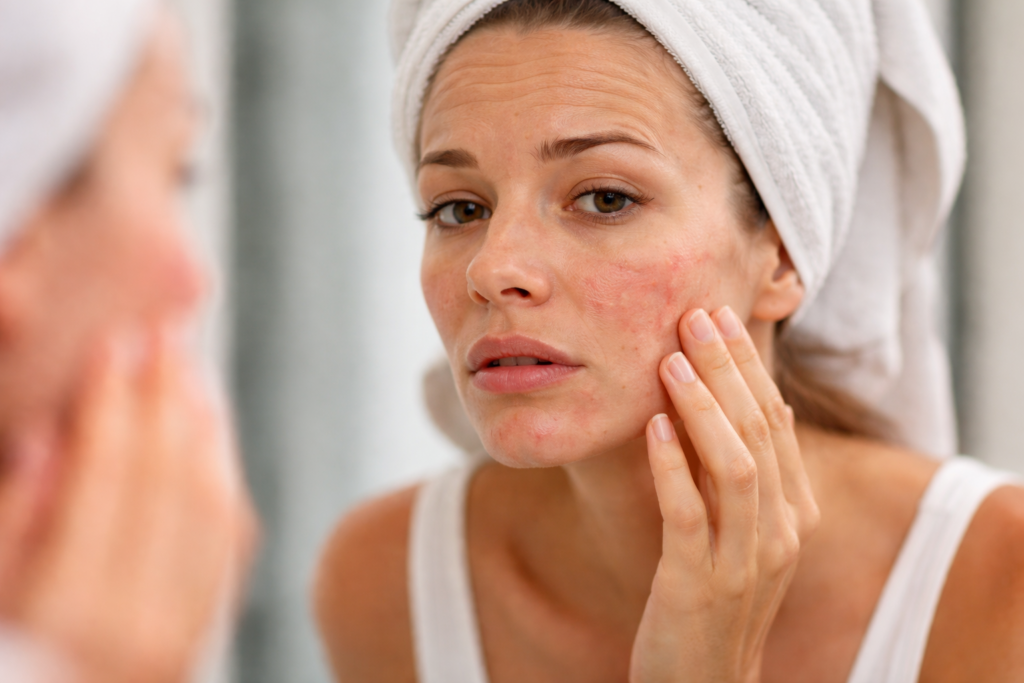
After resurfacing or chemical peels, redness, dryness, or flaking can appear temporarily as dead skin cells are shed and skin renewal advances. This doesn’t automatically mean something went wrong, but it does mean aftercare matters.
If skin becomes increasingly painful, swollen, or develops blistering, that’s not something to push through. Checking in with a licensed provider is important because reactions can be related to products, timing, or individual sensitivity.
How Habits Affect Treatment Response
Most treatments rely on your body’s recovery capacity. The goal is to support controlled change while protecting the skin barrier so your skin can rebuild smoothly. Your routines influence inflammation, hydration, and the balance between skin repair and irritation.
It’s also helpful to think in timelines. Changes to pigment, collagen, and texture build gradually, and your consistent daily habits may either support that process or repeatedly disrupt it—making it harder to maintain the path toward better skin.
The Skin Barrier: Your Daily Defense System
Your skin’s protective barrier helps regulate water loss, reduces irritation, and defends against pollutants and microbes. When it’s strong, the skin tends to tolerate treatments better and maintain comfort during recovery.
When the barrier is compromised, skin can become more dehydrated, sting with products, or show patchy redness. In that state, even well-chosen treatments may feel less comfortable, and the skin may need more time to stabilize.
Why Timing Affects Results
Treatments often depend on the pace of skin cell turnover and the orderly shedding of dead skin cells. If you’re dehydrated, inflamed, or over-exfoliating, that cycle may become less even—leading to roughness or temporary congestion that can clog pores.
Supportive routines can make that cycle feel smoother. When hydration, cleansing, and sun habits align, many people notice more even skin texture, fewer fluctuations, and a steadier move toward glowing skin.
Collagen Production and Gradual Skin Aging
Some services aim to stimulate collagen production, which is central to firmness and a more youthful skin look. Collagen remodeling takes time, and your daily habits can influence inflammation and recovery that surrounds this process.
Chronic sun exposure, smoking, and poor sleep can accelerate aging and contribute to premature aging. Meanwhile, balanced habits don’t “stop” aging, but they may support long-term skin health and help you protect your investment in treatment.
Medical Context: Habits That Support Skin Recovery
Aesthetic care is not only about what happens in the treatment room. It’s also about building a foundation for maintaining healthy skin so your skin can tolerate change and bounce back comfortably.
Think of this as supporting the environment your skin lives in. Hydration, nutrition, movement, and sleep influence circulation, inflammation, and the quality of your barrier—factors that can affect how your skin looks and feels after procedures.
Diet and Nutrients That Support Skin Repair
A balanced diet that includes essential nutrients supports normal tissue function. Many people benefit from a balanced diet rich in fruits and vegetables, including leafy greens, plus proteins that provide building blocks for repair.
Foods that include healthy fats and essential fatty acids can support barrier integrity and comfort. This doesn’t replace skincare, but it may help your skin feel more stable and less reactive during recovery windows.
Vitamin C and E: Supportive, Not Miraculous
Vitamin C plays a role in normal collagen processes and antioxidant support, and it’s commonly used topically in skincare. When introduced carefully, it may support brightness and help defend against daily oxidative stress that affects the skin’s appearance.
Vitamin E is also used for barrier support and comfort, especially in moisturizing formulations. Because skin sensitivity varies, the best approach is personalized—what helps one person may irritate another, particularly after resurfacing.
Hydration and Daily Skin Moisture
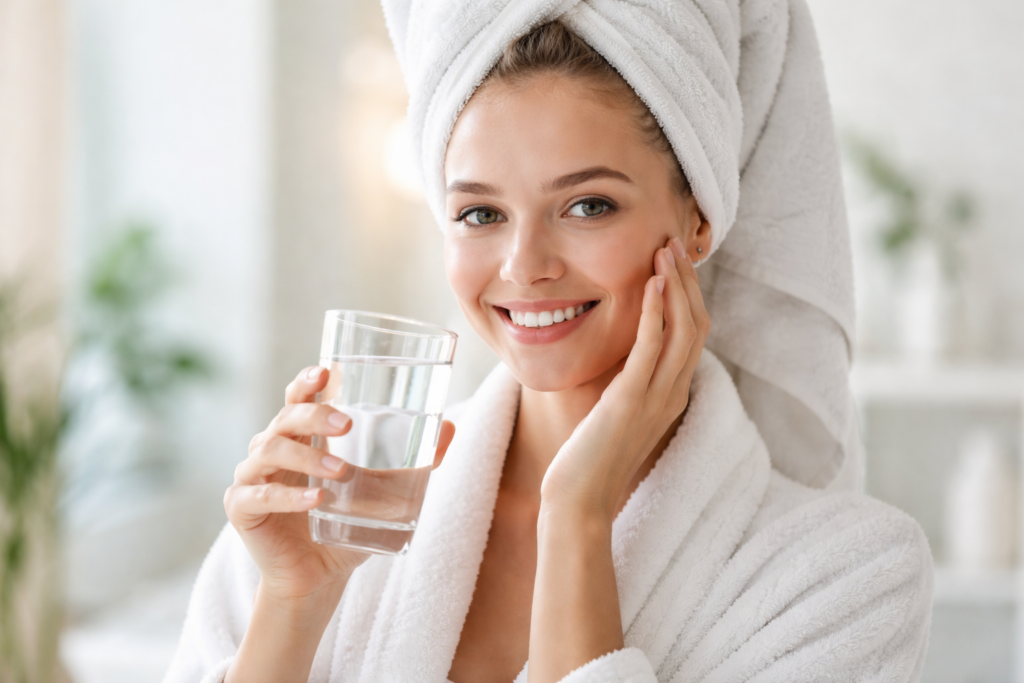
Proper hydration supports overall wellness, and many people notice that hydration habits affect how tight or dull skin feels. Hydrating foods like fruits, vegetables, and soups can also contribute to comfort and may support a hydrated skin appearance.
Dehydration can make lines look more visible and contribute to dehydrated skin sensations. If you’re pursuing treatments for texture or glow, supporting skin’s moisture levels can make your skin feel calmer and more resilient.
Sleep and the Skin’s Repair Process
Quality sleep is when many restorative processes occur, including immune regulation and tissue maintenance. Poor sleep may worsen inflammation and make the skin more reactive, which can influence redness, breakouts, and sensitivity.
If you notice that poor sleep correlates with flare-ups, it’s worth addressing as part of your plan. You don’t need perfect nights—just improving consistency can support a steadier baseline for skin repair.
Exercise and Blood Flow Effects on Skin
Movement supports circulation, and blood flow helps deliver oxygen and nutrients to tissues. When you exercise, the body increases blood flow, which can temporarily create a healthy flush and may support general tissue function.
However, timing matters after certain procedures. Intense heat, sweating, or friction immediately after a peel or resurfacing can irritate the skin barrier, so following individualized guidance helps protect comfort and outcomes.
Aligning Habits With Professional Treatments
The goal isn’t to “do everything,” but to choose a few healthy habits that match your skin’s needs and your treatment plan. When your daily routine supports recovery, many patients feel more confident about their progress and less confused by ups and downs.
At BluePoint Medical Spa, we often frame this as simple consistency: protect your barrier, reduce triggers, and allow treatments to work without daily setbacks. Your plan may differ depending on acne, sensitivity, pigment concerns, or signs of aging.
Why Harsh Scrubs Should Be Avoided After Treatments
Gentle cleansing supports the barrier while removing sweat, sunscreen, and debris that can clog pores. Over-cleansing or using harsh soaps can strip natural oils, increasing dryness and rebound oiliness in some skin types.
Cleansing is especially important after wearing makeup or being outdoors in dusty conditions. The goal is clean, calm skin—without the tight, squeaky feeling that often signals barrier disruption.
Why Harsh Scrubs Should Be Avoided After Treatments
It’s common to want instant smoothness, but you should avoid harsh scrubs after many services. Scrubs can create micro-irritation, worsen redness, and interfere with the orderly shedding of dead skin cells.
If you’re recovering from chemical peels or resurfacing, friction can increase sensitivity and prolong discomfort. A provider-guided routine often supports more even skin renewal and a smoother return to normal texture.
Sun Protection and Uneven Skin Tone Risk
Sun protection is one of the most important daily habits for protecting skin. UV rays can worsen discoloration, increase sensitivity, and contribute to visible aging, particularly after peels, lasers, or exfoliating regimens.
This is also a long-term health issue: excessive sun exposure increases the risk of skin cancer. Using sunscreen consistently and reapplying during outdoor exposure is a practical way to support both cosmetic goals and safety.
Protective Clothing and Smart Sun Habits
In Las Vegas, bright sun is part of life, so protective clothing can be a powerful complement to sunscreen. Hats, sunglasses, and tightly woven fabrics help reduce direct exposure and protect healing skin.
“Sun avoidance” doesn’t have to mean staying indoors. It can mean thoughtful timing, shade, and consistent protection so your skin can heal without repeated UV-triggered inflammation.
Environmental Stressors: Pollution, Heat, and Dryness
Environmental factors like wind, dry air, and pollution can stress the barrier and increase irritation. When the skin barrier is challenged, skin may look dull, feel tight, or show more redness after treatments.
Humidifiers, barrier-support moisturizers, and strategic cleansing can help. The goal is to reduce daily “wear and tear” so your skin can focus on recovery and stability.
Refined Sugar, Inflammation, and Acne-Prone Skin
High intake of refined sugars can affect inflammation and may trigger acne in some people, especially those with acne-prone skin. This doesn’t mean you can never enjoy sweets, but patterns matter more than one day.
A diet rich in whole foods and nutrient-rich foods may support steadier energy and potentially less inflammatory fluctuation. For many, this supports not only skin but also overall wellness and body weight management.

Healthy Fats and Essential Fatty Acids
Some people notice better comfort when they regularly eat foods rich in omega-3s and other healthy fats. These nutrients can support the barrier, helping skin feel less reactive and more balanced.
Think of this as internal support for skin’s natural resilience. It won’t replace targeted treatments, but it may help the skin feel more stable during treatment cycles.
Hydrating Foods for Healthier Skin Texture
Adding hydrating foods can support comfort, especially in dry climates. When hydration is low, the skin’s surface can look rougher, making texture concerns feel more noticeable.
Supporting hydration can help your skin look more skin soft and reduce that “tight” feeling. This can matter when you’re pursuing smoother skin texture and a more even glow.
Sleep Hygiene and Silk or Satin Pillowcases
If you’re working on acne or irritation, a clean pillowcase matters, and a silk or satin pillowcase may reduce friction for some people. Less friction can mean fewer morning creases and potentially less irritation in sensitive skin.
The bigger factor is regular washing and consistent sleep timing. When sleep becomes more stable, many patients feel their skin thrives because inflammation and recovery rhythms are less disrupted.
Keeping Skincare Tools Clean
Makeup brushes, razors, and phone screens can all carry oils and bacteria that affect acne and irritation. Some people keep cotton pads and tools in a spinner white decorative organizer to make cleanliness easy and visible.
The style doesn’t matter as much as the habit. If your setup makes it simpler to clean tools regularly, it can reduce pore congestion and help maintain calmer skin between visits.
FAQ
How soon will my daily habits affect my skin after a treatment?
Some changes, like hydration and irritation patterns, can show up within days, while texture and tone shifts often take weeks. Your skin needs time for skin cell turnover and collagen production changes. Consistency matters more than quick fixes.
Can sun exposure really undo my results, even if I use sunscreen sometimes?
Intermittent sunscreen use leaves gaps, and sun exposure plus UV rays can increase pigment issues and accelerate aging. After resurfacing or peels, consistent sun protection is especially important. Protective clothing can help reduce missed coverage.
Do refined sugars always trigger acne or inflammation?
Not for everyone, but refined sugars can trigger acne in some people, especially those with acne-prone skin. It may help to notice patterns rather than focusing on one meal. A balanced diet supports overall skin health and steadier recovery.
Conclusion
If you’ve been asking what everyday habits can affect the results of skin treatments, the most helpful answer is that your habits shape your baseline: your skin barrier, hydration, inflammation, and the pace of skin renewal. When those fundamentals are supported, your skin often tolerates treatments better and shows steadier changes in skin tone, skin texture, and overall skin’s appearance.
The habits that matter most are usually the simplest: consistent sun protection against UV rays, gentle routines that protect skin’s protective barrier, supportive nutrition from nutrient-rich foods and foods rich in healthy fats, and enough quality sleep to support skin’s natural repair processes. Results vary, but a calmer baseline can make it easier to maintain progress over time.
If you want a plan that fits your skin type, climate, and goals, schedule a consultation with BluePoint Medical Spa in the Las Vegas area. A licensed provider can help align professional treatments with practical daily steps—so you feel informed, supported, and confident in your next phase.