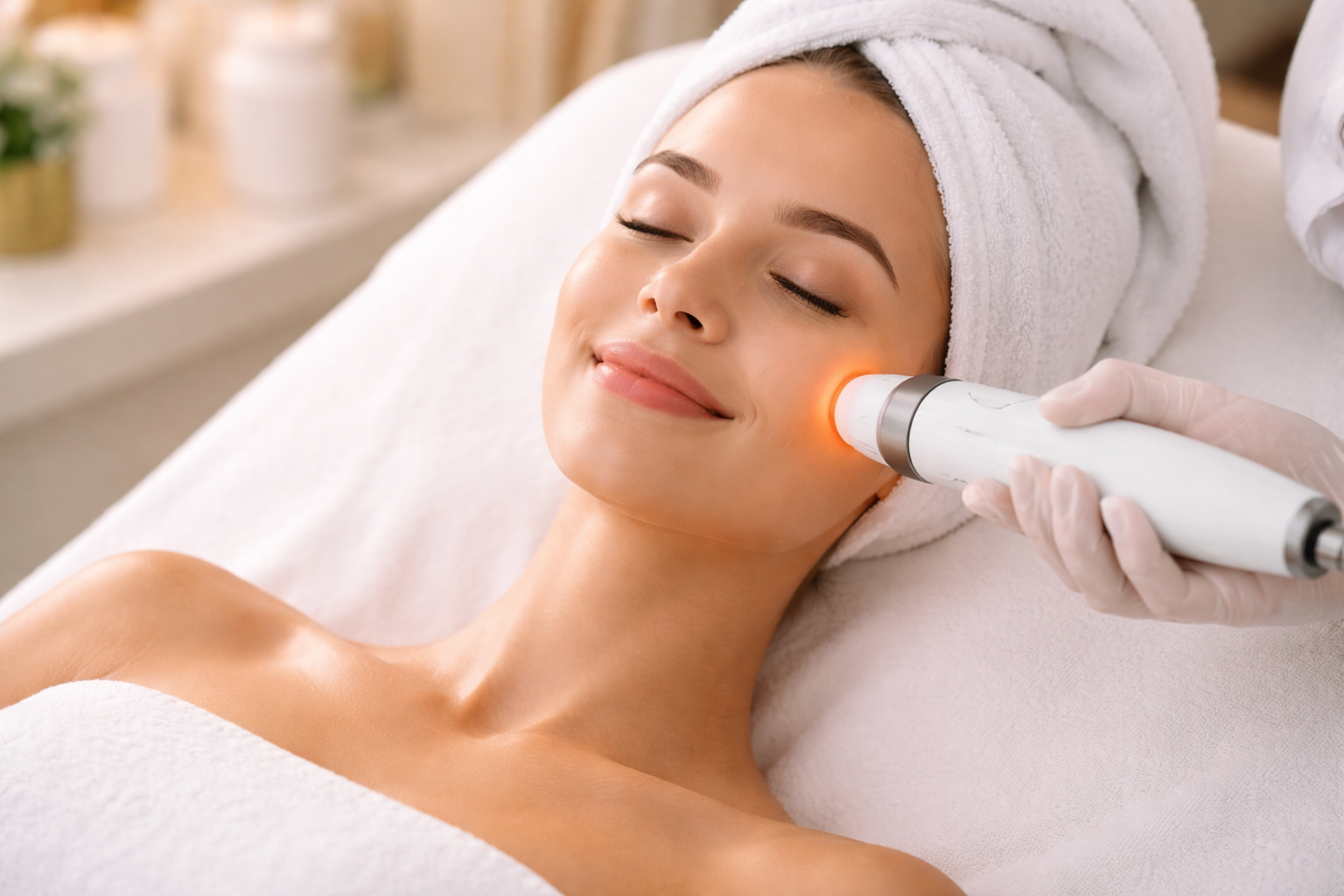

Many people want healthy skin that holds up over time—not just a short-lived glow. If you’ve been researching how medical-grade skincare supports long-term skin health, you’re likely looking for products that feel more purposeful, especially if you have specific skin concerns like uneven skin tone, rough skin texture, or early signs of premature aging.
At BluePoint Medical Spa in the Las Vegas area, patients often ask whether medical-grade skincare products truly differ from drugstore products and other OTC skincare. The answer is rarely “one is always better,” but there are meaningful key differences in formulation, testing, and how care is guided when a medical professional is involved.

Is Medical-Grade Skincare Different From Over-the-Counter Products
It’s normal to feel skeptical—packaging and marketing can make many skincare products sound similar. People often try over-the-counter alternatives first, then wonder why their skin reacts unpredictably or why progress stalls despite consistent use.
The core concern is practical: you want skin healthy outcomes without irritation or wasted time. Understanding what medical-grade skincare refers to—and what it does not mean—can help you choose products with more confidence and fewer trial-and-error setbacks.
Is Medical-Grade Skincare a Guarantee of Better Results?
Medical grade does not guarantee outcomes, and responsible care avoids promising “miracle” changes. What it can offer is a more structured approach that may help address specific skin concerns with targeted treatment, depending on your skin type, history, and sensitivity.
Your routine still matters, and some people do well with well-chosen over-the-counter products. The value of use medical grade often increases when you’re dealing with complex skin issues, reactive skin, or when you’re pairing products with professional treatments.
Can Sensitive Skin Use Medical-Grade Skincare Safely?
Often, yes—but it depends on ingredients, strength, and how products are introduced. Sensitive skin can be compatible with medical-grade products, especially when the goal is to strengthen the skin barrier and reduce inflammation triggers.
However, “stronger” isn’t always better for reactive skin. That’s why professional guidance matters: it can help you avoid stacking too many actives and reduce the risk of adverse reactions.
Why Potent Formulations Can Cause Irritation
Irritation usually comes from a mismatch, overuse, or combining activities too quickly. Potent formulations and higher concentrations may be helpful for certain concerns, but if your skin reacts easily, you may need a slower plan.
Also, irritation isn’t always obvious at first; it can build as the skin barrier becomes stressed. Learning how to pace active ingredients is a big part of achieving healthy and steady skin progress.

What Medical-Grade Skincare Means in Practice
In a med spa setting, medical-grade skincare brands often focus on ingredient quality, stability, and systems designed to support skin change over time. Many brands invest in scientific research and sometimes clinical research to guide how formulas are built and used.
That said, “medical grade” is not a regulated label in the same way medications are. What matters most is the formula, the plan, and whether you have a knowledgeable team helping you match products to your skin’s unique needs and goals.
Why Active Ingredients and Higher Concentrations Matter
The biggest difference patients notice is the presence of active ingredients in strengths that may be more targeted than typical over-the-counter products. These can include acids for exfoliation, brighteners, and ingredients that support texture and tone.
Because these formulas may be more active, they require thoughtful use. A routine built around your skin type helps you get benefits while you avoid irritation, especially early on when the skin is adjusting.
Advanced Delivery Systems and Deeper Skin Layers
Some medical-grade brands use advanced delivery systems designed to help ingredients remain stable and work where they’re intended. You’ll sometimes hear this described as helping ingredients penetrate deeper into the skin’s deeper layers, though the degree depends on the molecule and skin condition.
This is one reason medical-grade routines may be paired with in-office treatments. When the plan is coordinated, your skin’s skin’s response can be monitored and adjusted over time to support comfort and consistency.
Clinically Proven Ingredients and Careful Claims
Some products highlight clinically proven ingredients, and a smaller subset is supported by clinical trials or published clinical studies. It’s still important to interpret claims carefully: studies vary in design, population, and outcome measures, and not every product has the same level of evidence.
A medically responsible approach avoids exaggerated medical claims and focuses on realistic expectations. The goal is to choose ingredients with credible backing and a plan that supports your skin’s tolerance.
How Medical-Grade Products Support Skin Structure Over Time
Long-term skin health is closely tied to barrier strength, inflammation control, and consistent renewal. Your daily routine influences skin structure, including hydration, resilience, and how your skin handles sun, stress, and environmental exposure.
Many people pursue medical-grade routines to support anti-aging goals, manage recurring acne, or improve texture. The most sustainable results usually come from aligning products with your biology and staying consistent enough to see gradual change.

Skin Barrier Support for Radiant Skin
A strong skin barrier helps your skin retain moisture and reduce sensitivity. When the barrier is supported, skin often looks more even, feels calmer, and may appear more radiant without relying on heavy makeup or frequent exfoliation.
Barrier care also matters if you’re doing procedures. When your baseline is stable, the skin often handles change more comfortably, and your skincare goals can be pursued with fewer disruptions.
Cell Turnover, Texture, and Early Aging Signals
Many medical-grade regimens aim to support healthy cell turnover, which can influence brightness and smoother texture. When turnover is irregular—often from irritation, dehydration, or sun damage—skin can look dull or feel rough.
Supporting steady renewal can help with skin texture and the look of early premature aging. Progress is typically gradual, and your skin’s response helps determine how quickly actives can be increased.
Collagen Production and Long-Term Skin Resilience
Some skincare strategies support an environment that allows healthy collagen production over time. While topical products don’t “replace” collagen, certain ingredients may support visible firmness and smoother-looking skin when used consistently.
This matters most when your plan also includes sun protection and good recovery habits. Collagen breakdown is strongly influenced by UV exposure, so skincare works best as part of a bigger lifestyle strategy.
Growth Factors and Complex Skin Issues
You may see growth factors mentioned in higher-end formulations. These products are often positioned for recovery support and overall skin quality, though suitability depends on your history and sensitivity.
If you have complex skin issues or active inflammatory conditions, product selection should be cautious. A tailored routine helps reduce flare-ups and keeps your skin moving forward rather than reacting.
Building a Medical-Grade Skincare Regimen With Professional Guidance
A good plan starts with clarity: your priorities, your sensitivities, and the timeline you can realistically maintain. A medical-grade regimen doesn’t have to be complicated, but it should be intentional—especially if you’ve had setbacks from random product switching.
At BluePoint Medical Spa, we typically align home care with what you’re doing in the office. Coordinating medical-grade options with services can help you avoid conflicting activities and support smoother progress.
Choosing Products for Your Skin Type and Concerns
Choosing based on your skin type helps prevent unnecessary irritation and makes results easier to interpret. When products are selected to address specific skin concerns, it’s clearer what is helping and what needs adjustment.
This is where professional guidance can be valuable. It reduces guesswork and helps you build a routine that fits your tolerance and goals, not just trends.

Vitamin C and Antioxidants for Tone and Brightness
Vitamin C is widely used to support brightness and defend against oxidative stress. In many routines, it’s paired with potent antioxidants and barrier-supporting hydrators to promote a more even look over time.
Because vitamin C formulas vary, some can sting or irritate, especially if your barrier is sensitive. A guided plan helps match the right formula and frequency, so you see steady change without flare-ups.
Salicylic Acid, Benzoyl Peroxide, and Acne-Prone Routines
For breakouts, salicylic acid can support unclogging and help reduce the appearance of congestion. Benzoyl peroxide is another common option, especially for inflammatory acne, but it can be drying if overused.
The goal isn’t to “strip” the skin. A balanced routine supports acne control while protecting the skin barrier, which often improves tolerance and reduces the cycle of irritation and rebound oiliness.
Glycolic Acid for Skin Texture Refinement
Glycolic acid is often used to refine skin texture and support brighter-looking skin through exfoliation. Like any active, it needs pacing—too much too soon can stress the barrier and cause sensitivity.
This is especially important if you’re combining exfoliants with procedures. Coordinating exfoliation with your provider can help you get benefits while keeping recovery comfortable.
Chemical Peels and In-Office Treatments With Supportive Home Care
Chemical peels and other in-office treatments can be helpful for tone, texture, and visible aging concerns. Home care doesn’t replace these treatments, but it can support your skin between visits and during recovery windows.
For many patients, the most noticeable difference comes from alignment. When products and treatments work together, your skin’s progress tends to feel more predictable and less reactive.
Obagi Medical and Other Medical-Grade Skincare Brands
Some patients ask about Obagi Medical specifically, along with other medical-grade skincare brands. Brand choice matters less than fit: the right regimen is the one your skin tolerates and you can maintain consistently.
A provider can help you compare medical-grade skincare products based on goals and sensitivity. This keeps the focus on outcomes like comfort, steady improvement, and long-term skin health.
Realistic Visible Improvements With Medical-Grade Skincare
When the routine matches your skin and is used consistently, many patients notice visible improvements in smoothness, clarity, and overall tone. People often describe smoother skin and a more balanced appearance rather than an overnight transformation.
It’s also important to plan for adjustment periods. Strong actives can cause temporary dryness or mild peeling, and your skin’s tolerance may shift with season, stress, and hormones.
Key Differences vs. Drugstore and OTC Skincare
A well-formulated drugstore product can be helpful, but medical-grade options may offer more targeted strengths, stability, and regimen structure. The biggest practical difference is often the plan: how products are introduced, monitored, and adjusted.
If you’ve been cycling through drugstore products without clarity, a guided routine may reduce the trial-and-error loop. That can be especially helpful for skin conditions that are persistent or sensitive.

FAQ
Is medical-grade skincare better than over-the-counter products?
Sometimes, but not always. The key differences are often ingredient strength, formulation stability, and the benefit of professional guidance. The best choice depends on your skin type, goals, and sensitivity.
How long does it take to see visible improvements with medical-grade skincare?
Many people notice early changes in hydration and texture within a few weeks, while tone and anti-aging goals can take longer. Your skin’s response depends on consistency, sun protection, and how your routine is paced. A provider can help you set realistic timelines.
What should I do if my skin reacts to potent formulations?
Stop the newest product and contact your provider for guidance. Reactions can happen from overuse, combining too many actives, or a mismatch for sensitive skin. Adjusting frequency or switching formulas can often help reduce irritation safely.
Conclusion
If you’re exploring how medical-grade skincare supports long-term skin health, the most important takeaway is that medical-grade routines can offer structure: thoughtful ingredients, purposeful strengths, and a plan guided by a medical professional. When aligned with your skin type and specific concerns, these routines may support steadier improvements in skin tone, skin texture, and overall resilience.
The most effective approach also respects your barrier and your tolerance. With professional guidance, you can use medical-grade products strategically—supporting cell turnover, protecting the skin barrier, and selecting actives like vitamin C, salicylic acid, or glycolic acid in a way that helps you avoid irritation and reduce setbacks.
If you’re ready to build a regimen that fits your skin and your goals, schedule a consultation with BluePoint Medical Spa in the Las Vegas area. We’ll review your skin history, discuss treatment options, and help you choose a routine that supports long-term skin health with realistic expectations.