
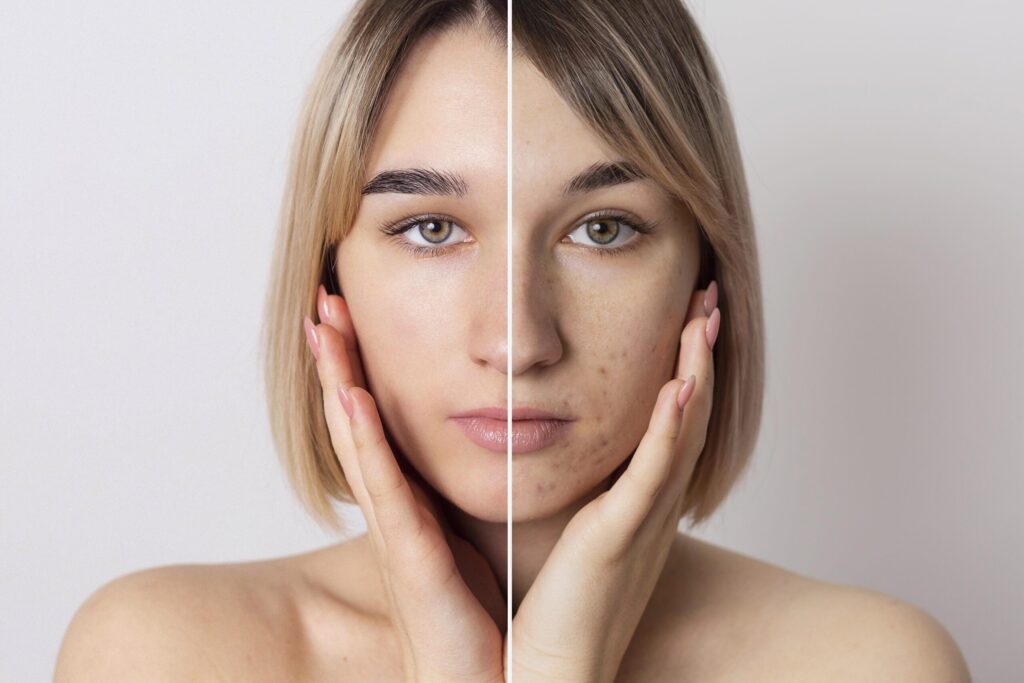
Your skin is constantly renewing itself — shedding old cells, regenerating new ones, and responding to environmental stress. But without proper care, that natural process slows down, leading to dullness, uneven texture, breakouts, and premature aging.
That’s where professional facials and chemical peels come in. These treatments do more than refresh your complexion — they stimulate collagen production, accelerate cell turnover, and improve your overall skin health for long-lasting radiance.
But how often should you get them? Once a month? Every few weeks? The answer depends on your skin type, condition, and goals. Let’s break down how facials and peels work — and how to schedule them for optimal results.

Understanding the Purpose of Facials and Chemical Peels
What Does a Professional Facial Do?
A professional facial is a customized treatment designed to cleanse, exfoliate, hydrate, and nourish the skin. It helps remove clogged pores, balance oil production, and improve circulation — revealing smoother, brighter, and more even-toned skin.
What Is a Chemical Peel?
A chemical peel is an exfoliation treatment that uses a chemical solution to remove dead skin cells from the outermost layers of the skin. Depending on the strength, it can target fine lines, acne scars, pigmentation, and sun damage, leaving behind new, radiant skin.
The Types of Chemical Peels Explained
1. Light Chemical Peels
Light or superficial peels use mild acids like glycolic acid, lactic acid, or salicylic acid to exfoliate the outermost layer of the skin. These are ideal for oily skin, acne-prone skin, and mild-textured skin.
- Downtime: Minimal
- Frequency: Every 3–4 weeks
2. Medium Peels
Medium-depth peels, such as TCA (trichloroacetic acid) peels, penetrate deeper to target fine lines, sun damage, and uneven pigmentation. They work well for aging skin or moderate acne scars.
- Downtime: 5–7 days
- Frequency: Every 3–6 months
3. Deep Chemical Peels
Deep chemical peels (like phenol peels) reach the deeper layers of the dermis to address severe wrinkles, deep scars, or significant sun damage.
- Downtime: 2–3 weeks
- Frequency: Only once every 1–2 years
How Often Should You Get a Facial?
Monthly Facials: The Gold Standard
For most skin types, experts recommend a facial every 4–6 weeks. This matches the skin’s natural cell turnover cycle, ensuring continuous renewal and helping maintain clear pores, balanced hydration, and improved skin texture.
If You Have Acne-Prone Skin
Those with acne-prone or oily skin may benefit from more frequent facials — every 2–3 weeks initially — to reduce acne flare-ups, control excess oil, and prevent clogged pores.
If You Have Sensitive or Dry Skin
For sensitive skin, spacing facials every 6–8 weeks may be better. This allows your skin time to recover and helps minimize irritation while maintaining hydration and balance.
For Aging or Sun-Damaged Skin
Facials every 4 weeks can help boost collagen production, reduce fine lines, and improve skin elasticity. Many clients alternate facials with light chemical peels for enhanced results.
How Often Should You Get a Chemical Peel?
Light Peels (Glycolic, Lactic, or Salicylic Acid)
Because light chemical peels are gentle, they can be done every 3–4 weeks. This schedule helps treat acne, dullness, and mild discoloration while maintaining smooth, glowing skin.
Medium Peels (TCA Peels)
These peels can be performed every 3–6 months, depending on your skin type and how your skin responds. Medium peels are excellent for treating wrinkles, age spots, and sun damage.
Deep Peels
Deep chemical peels are the most intensive and should be performed only once every 1–2 years. They deliver dramatic results but require significant recovery time and should be performed by a licensed professional under careful supervision.

Facials vs. Chemical Peels: Which Is Right for You?
| Goal | Best Treatment | Recommended Frequency |
| Deep cleansing and hydration | Professional facial | Every 4–6 weeks |
| Mild exfoliation and brightening | Light chemical peel | Every 3–4 weeks |
| Treating acne or oily skin | Salicylic acid peel | Every 3–4 weeks |
| Reducing fine lines and wrinkles | Medium peel | Every 3–6 months |
| Correcting sun damage and pigmentation | TCA or deep peel | Every 6–12 months |
| Maintenance and prevention | Facial + mild peel combo | Every 4–8 weeks |
How to Create a Personalized Treatment Plan
1. Start with a Professional Skin Consultation
Every skin type is unique. A licensed professional can assess your skin condition, tone, and goals to recommend the ideal combination of facials and chemical peels.
2. Alternate Treatments for Optimal Results
Many clients see the best results when alternating facials and light peels — for example, a hydrating facial one month and a glycolic peel the next.
3. Adjust Frequency Seasonally
Your skin’s needs can change with the seasons. During winter, opt for hydrating facials. In summer, focus on exfoliating peels to reduce buildup from sunscreen and sweat.
Benefits of Regular Facials and Peels
1. Improved Skin Texture
Regular treatments smooth the skin by removing dead skin cells, revealing a softer, more radiant surface.
2. Fewer Breakouts
Facials and peels help clear clogged pores, balance oil levels, and reduce acne flare-ups.
3. Reduction in Fine Lines and Wrinkles
Chemical peels stimulate collagen production, minimizing the appearance of fine lines and deep wrinkles.
4. More Even Skin Tone
Peels target discolored skin and sun damage, giving you a more even, youthful glow.
5. Enhanced Product Absorption
Removing the outermost layer of dead cells allows your skincare products to penetrate deeper, improving their effectiveness.
Aftercare: Protecting Your Fresh New Skin
1. Prioritize Sun Protection
After a facial or peel, your skin is more sensitive. Apply a broad-spectrum sunscreen (at least SPF 30) daily and avoid direct sun exposure for several days.
2. Stay Hydrated
Drink plenty of water and use a gentle, hydrating moisturizer to maintain your skin’s barrier function.
3. Avoid Harsh Skincare Products
Skip retinoids, exfoliants, or acids for at least 3–5 days post-treatment to prevent irritation.
4. Don’t Pick or Peel
Allow your skin to shed naturally. Picking can lead to infection or pigmentation.
Common Questions About Facials and Peels
1. How many treatments do I need to see results?
Most clients see noticeable improvements after just one session, but a series of 3–6 treatments delivers the best long-term results.
2. Can I combine facials and chemical peels?
Yes! Alternating between the two — or combining them during a single visit — can enhance exfoliation and hydration for glowing results.
3. Are peels safe for all skin types?
Yes, when done by a licensed professional. Certain peels, such as lactic acid or glycolic acid, are safe for sensitive or darker skin tones with proper aftercare.
4. What’s the best treatment for acne-prone skin?
A salicylic acid or glycolic peel helps control oil production, treat acne scars, and improve skin texture.
5. How do I know which peel is right for me?
Your provider will evaluate your skin type, lifestyle, and goals to determine the best peel type and frequency for your unique needs.
The Bottom Line: Consistency Creates Radiance
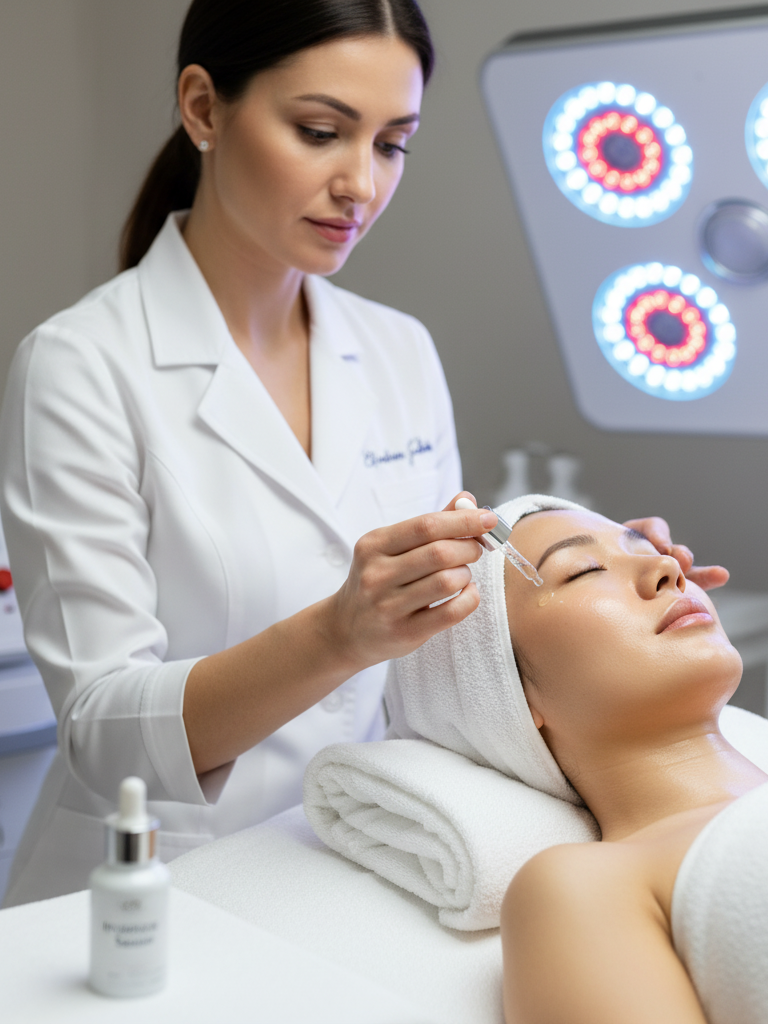
Healthy, radiant skin doesn’t happen overnight — it’s the result of consistent, professional care. Whether you choose monthly facials, light chemical peels, or a combination of both, the key is maintaining a routine that supports your skin’s natural renewal process.
By working with a licensed medical spa professional, you can create a personalized plan that helps you achieve — and sustain — your best skin yet.
Ready to Reveal Your Healthiest Skin Yet?
Rejuvenate your skin with professional facials and chemical peels tailored to you. Whether you want to smooth fine lines, treat acne, or boost your glow, our experts can help you create a custom treatment plan for lasting results.
Schedule your consultation today and discover how consistent, professional skincare can transform your complexion — one treatment at a time.