
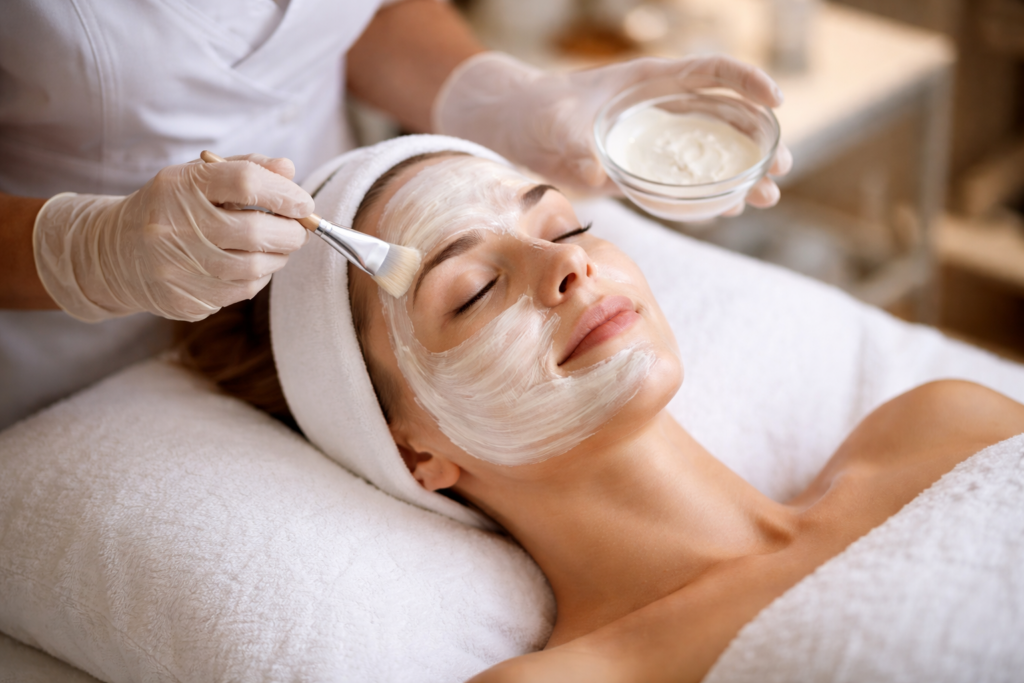
Many patients seek facials because they want clearer, brighter, and more comfortable skin, but they also want to know whether those results can be supported over time. Understanding how professional facials help improve skin health over time can make it easier to choose care that is realistic, personalized, and aligned with long-term goals.
At BluePoint Medical Spa, professional facials are best understood as part of a broader skin strategy rather than a one-time fix. When selected thoughtfully, they may support healthy skin, improve comfort, and help patients address recurring concerns with professional guidance and consistent professional care.

Why Professional Facials Matter for Long-Term Skin Health
The value of regular professional facials often comes from consistency. Skin changes gradually, and repeated support for cleansing, hydration, and renewal may help strengthen overall skin health and maintain a more stable appearance over time.
This matters because the skin is constantly responding to sun exposure, stress, product use, and the skin’s natural renewal cycle. Periodic regular treatments can help patients adapt their care as their skin changes instead of relying only on trial and error.
What Skin Concerns Regular Facials Can Address
Many regular facial treatments are designed to address specific concerns such as dullness, clogged pores, dryness, mild congestion, and uneven skin tone. A customized treatment approach may also support patients dealing with roughness, excess oil, or early signs of aging.
For some patients, facials also help manage specific skin concerns like post-breakout texture, mild acne scars, or sensitivity-related dryness. The goal is not to promise a cure, but to provide structured support for common skin issues in a medically mindful way.
How Deep Cleansing Supports Healthy Skin
Deep cleansing helps remove surface impurities, oil buildup, and debris that can accumulate on the skin throughout the day. When performed with appropriate professional techniques, it may help the skin feel cleaner and more balanced without the harshness that sometimes comes from aggressive home routines.
This can be especially helpful when over-the-counter products are not fully clearing congestion. By helping deeply cleanse the skin more effectively, facials may reduce the conditions that contribute to persistent buildup and discomfort.
How Professional Facials Remove Dead Skin Cells
Yes, one benefit of well-planned facials is that they may remove dead skin cells in a controlled way. This can support cell turnover, improve skin texture, and help the skin look smoother and more refreshed.
Because the buildup of dead skin cells and dead cells can make the complexion look dull, professional exfoliation may support a more even finish. It can also help other skincare products interact more effectively with the skin’s surface.
Why Skin Assessment Matters Before a Facial
A skin assessment helps determine which products, techniques, and treatment intensity are appropriate for the patient. This is particularly important because skin types, hydration levels, and active concerns can vary widely from one person to another.
It also helps providers identify when to modify care for sensitive skin or more complex concerns. This step supports safety, improves treatment selection, and makes it easier to avoid irritation during and after the facial session.

Professional Facials vs. At-Home Spa Treatments
At-home masks and cleansers can be helpful, but professional treatments often involve a more individualized plan, stronger exfoliation options, and advanced techniques that are difficult to replicate outside a clinical setting. This may include targeted extractions, massage methods, and treatment layering based on current skin needs.
Compared with casual spa facials or general home routines, professional care often begins with evaluation rather than assumption. That difference matters when the goal is to improve skin health over time rather than simply create a temporary glow.
How Facials Support Sensitive or Reactive Skin
For patients with sensitive or reactive skin, facials should be selected carefully and performed with a calmer, barrier-conscious approach. This may include the use of calming ingredients, gentle cleansing methods, and lower-intensity exfoliation based on tolerance.
A thoughtful plan can support comfort without overwhelming the skin. For sensitive skin, the right facial may help reinforce the skin barrier, support improved hydration, and reduce the likelihood of flare-ups caused by overly aggressive products.
How Facials Improve Skin Tone and Texture
When facials help reduce buildup, improve hydration, and support turnover, they may gradually improve skin tone and create a smoother texture. This can be valuable for patients noticing mild roughness, uneven pigmentation, or uneven texture.
Over time, these changes may contribute to a more polished and radiant skin appearance. The effect is often subtle and cumulative, which is why consistency tends to matter more than intensity for many patients.
How Professional Facials Support Anti-Aging Goals
Some facials are chosen as part of an anti-aging plan because they may help address fine lines, dryness, and dullness associated with early aging. While facials do not replace every other treatment category, they can support a healthier baseline that improves how the skin looks and feels.
These anti-aging benefits may include a more hydrated appearance, softer visibility of fine lines and wrinkles, and support for a more youthful appearance. Patients often value this because it aligns with gradual maintenance rather than dramatic change.
How Facials Stimulate Collagen Production
Certain facial modalities may help stimulate collagen production by encouraging renewal within the skin and supporting healthier function over time. While not every facial works at the same depth, some treatments are selected specifically to support collagen production and improve resilience.
This matters because collagen influences skin firmness and texture. When a treatment plan is built around maintenance and skin quality, it may help improve skin firmness and support a fresher look as the skin ages.
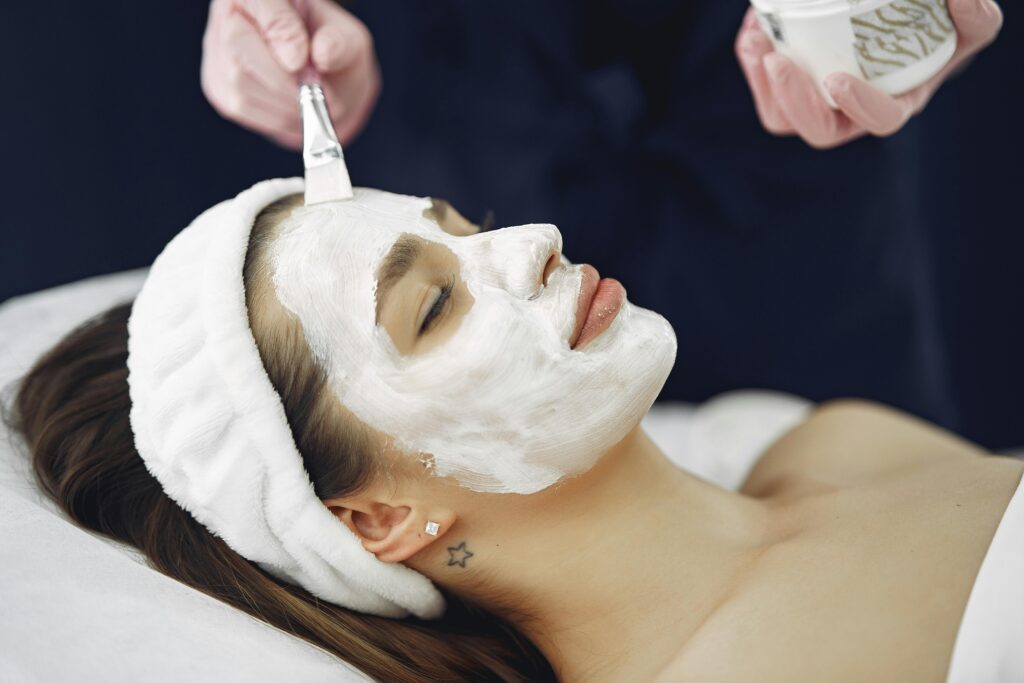
The Role of Chemical Peels, LED Therapy, and Lymphatic Drainage
Some facials incorporate chemical peels to exfoliate more effectively and support a brighter, more even surface. These can be useful for selected patients with dullness, congestion, or mild discoloration, though intensity should always be matched to the skin.
Other options such as LED therapy and lymphatic drainage may be included depending on goals and tolerance. These additions can support a more personalized plan and reflect how facials serve different purposes for different patients.
Why Medical-Grade Products and Active Ingredients Matter
In some settings, facials may involve medical-grade products or targeted active ingredients chosen for the patient’s current condition. This can help address hydration loss, congestion, roughness, or early aging changes more precisely than a generic routine.
Still, stronger is not always better. Products should be selected to support the skin rather than overwhelm it, especially when the goal is to improve the skin’s ability to tolerate care and maintain better function over time.
How Regular Facials Support Overall Well-Being
Many patients associate facials with appearance, but the experience may also support overall well-being. Taking time for structured self-care, skin evaluation, and consistent routines can improve confidence and comfort in daily life.
That said, facials should be framed appropriately. They may support overall health indirectly by encouraging better routines and skin awareness, but they are not a substitute for medical evaluation when a patient has concerning or persistent symptoms.
Benefits and Considerations of Regular Professional Facials
The benefits of professional facial care may include cleaner pores, improved hydration, smoother texture, and noticeable improvements in brightness and comfort over time. For some patients, regular facials may also support a healthy glow, a refreshed appearance, and a better response to home skincare products.
At the same time, results vary based on acne severity, skin sensitivity, product use, and consistency. Over-treatment can disrupt the skin barrier, so a personalized schedule and careful technique remain important for protecting overall skin health.
FAQ
Are professional facials better than over-the-counter products?
They can be, especially when a patient has persistent concerns that are not improving with over-the-counter products alone. Professional care offers customized evaluation, stronger tools, and techniques that may better match the skin’s needs.
How often should I get regular professional facials?
The ideal schedule depends on skin type, goals, and sensitivity. Many patients benefit from regular treatments, but the right frequency should be based on a provider’s assessment rather than a one-size-fits-all plan.
Can facials help with fine lines and uneven skin tone?
They may help support smoother texture, hydration, and brightness, which can make fine lines and uneven skin tone look less noticeable. Results depend on the cause of the concern and the consistency of care.
Are facials safe for sensitive or reactive skin?
They can be, when the treatment is adapted for sensitive or reactive skin. Gentle products, careful exfoliation, and a barrier-focused plan are important for reducing the risk of irritation.
Do facials replace other anti-aging treatments?
Not necessarily. Facials can be a valuable part of an anti-aging routine, but some patients may also benefit from other options depending on their goals, skin condition, and degree of aging change.
Conclusion
Understanding how professional facials help improve skin health over time can help patients see facials as part of a broader maintenance plan rather than a quick cosmetic add-on. With the right treatment approach, facials may support clearer pores, better hydration, more even tone, and healthier function across the skin’s surface, and sometimes the deeper layers of the skin experience.
The most effective plan is usually one that reflects the patient’s skin condition, comfort level, and goals. Whether the priority is congestion, dryness, early aging, or sensitivity, regular professional facials can complement home care when they are chosen thoughtfully and adjusted over time.
At BluePoint Medical Spa, patients can explore professional treatments tailored to their current concerns and long-term skin priorities. Schedule a consultation to discuss your skin goals, review treatment options, and create a plan designed to support healthier, more resilient skin over time.