Laser-based therapies continue to expand beyond cosmetic applications, but for med spa patients, the most relevant question is still personal: what does this mean for my skin? Modern laser care is no longer limited to one type of resurfacing or one type of patient concern. Today, providers may use laser and light-based systems to address tone, texture, visible vessels, unwanted hair, scars, and signs of collagen change.
This broader use of laser technologies gives patients more choices, but it also makes consultation more important. The correct option depends on skin type, treatment area, medical history, pigment risk, and goals. A patient-first plan should explain what the device targets, how laser skin resurfacing treatments work, what results to expect, what recovery may involve, and what outcome is realistic.
Patients Often Want Visible Improvement Without Looking Overdone
Patients interested in skin rejuvenation often want smoother, healthier-looking skin without changing their natural appearance. Concerns such as dullness, roughness, mild laxity, and uneven color can affect confidence even when they are not medically serious. These goals are personal and elective, which means informed decision-making matters.
Modern aesthetic planning should respect maintaining natural facial expressions. Patients may want refinement, but they usually do not want a frozen, tight, or overly treated look. Laser-based care works best when it supports natural facial expressions and gradual visible improvement.
Uneven Texture Can Make Skin Look Less Refreshed
Skin texture is one of the most common reasons patients research laser care. Roughness, enlarged-looking pores, fine lines, and shallow acne scars can affect how light reflects from the face. When topical products are not enough, a professional evaluation may be appropriate.
Improving skin texture may involve laser skin resurfacing, skin resurfacing, or a gentler energy-based plan, supported by facial treatments for long-term skin texture. The provider should determine whether the concern is superficial, dermal, pigment-related, or scar-related. That distinction shapes the treatment choice.
Tone and Pigment Concerns Need Careful Selection
Uneven skin tone, pigmented lesions, and sun-related discoloration may respond differently depending on the laser or light-based device used. Some treatments focus on pigment, while others focus on redness, texture, or collagen response. A device that works well for one concern may not be ideal for another.
Patients with darker skin tones need thoughtful planning because pigment changes can occur after heat or inflammation. Laser hair removal and resurfacing may be performed for patients with darker skin when appropriate devices and precautions are used, but experience and careful settings matter.
Energy-Based Devices Work Through Controlled Interaction
Energy-based aesthetic care uses light, heat, or related technologies to interact with selected targets in the skin. Energy-based devices may affect pigment, water, blood vessels, hair follicles, or collagen-supporting structures. The treatment goal determines which system should be considered.
This is why laser devices, laser systems, and laser parameters should never be chosen casually. Wavelength, pulse duration, fluence, cooling, and depth can all influence comfort, safety, and results. Professional oversight supports better planning.
Collagen Response Explains Gradual Change
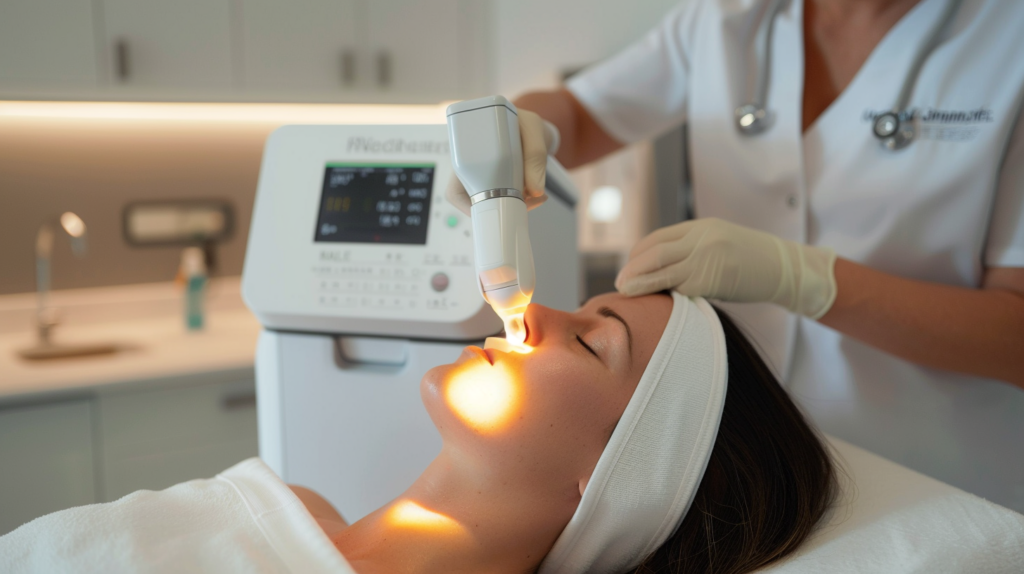
Some laser treatments are used to stimulate collagen production and support it over time. This response is connected to collagen remodeling, collagen stimulation, and the body’s natural remodeling process after controlled energy delivery, similar to how the Phoenix Laser System promotes healing and tissue repair. Changes usually develop gradually rather than immediately.
Patients should understand that promoting collagen production does not mean instant firmness. The body’s natural healing processes require time, and individual response varies. This is why staged care often provides a clearer path than one overly aggressive session.
Deeper Layers May Influence Firmness
Some treatments focus on the dermal layers or deeper support structures rather than only the surface. When collagen quality changes, patients may notice reduced skin elasticity, softer contours, or mild skin laxity. The right plan depends on how much laxity is present.
Laser-based care may support skin tightening or help enhance skin elasticity in selected patients, but it is not a substitute for surgery when laxity is advanced. Conservative language matters because results vary. The goal is realistic improvement, not a guaranteed lift, even when using popular medical spa treatments in Las Vegas for brighter skin.
Laser Skin Resurfacing Has Several Categories
Laser skin treatments include several approaches, and each has a different purpose. Laser skin treatments may be ablative, nonablative, fractional, vascular-focused, pigment-focused, or hair-reduction focused. Patients should know which category they are receiving.
Laser skin rejuvenation and aesthetic laser treatments may improve visible skin quality when matched correctly to the concern, including laser facials designed for texture, tone, and brightness. Laser resurfacing is commonly used for photoaging, wrinkles, and scars, while ablative resurfacing removes selected epidermal and superficial dermal layers.
Layered Approaches for Patients with Multiple Skin Concerns
Hybrid laser systems combine different laser approaches or wavelengths to address multiple concerns in one broader plan. These systems may be considered when patients want surface refinement and deeper collagen-focused support. The provider should explain what each part of the treatment is designed to do.
Combination laser therapies may also be recommended when one concern cannot be addressed with one device. For example, tone, texture, and firmness may need different settings or staged visits. This supports more tailored treatment plans.
Pulsed Dye Lasers May Address Redness
Pulsed dye lasers are often associated with vascular concerns such as redness or visible small vessels. These treatments differ from resurfacing because they target blood vessel-related color rather than primarily smoothing texture, and they still require thoughtful pre- and post-care for laser treatments. Patient selection and settings still matter.
Patients with redness, flushing, or vascular-looking marks should receive an evaluation before assuming resurfacing is the answer. The provider may recommend laser dermatology options, skincare support, or another approach. Matching the treatment to the concern supports better outcomes.
Intense Pulsed Light Is Different from a Laser
Intense pulsed light is commonly discussed with laser care, but it is not technically the same as a laser. It uses broad-spectrum light rather than one focused wavelength. It may be considered for selected tone, pigment, or redness concerns.
Because IPL interacts with pigment and vascular targets, skin type and sun exposure matter. Patients with reactive skin or pigment history may need careful screening, including guidance on how often to schedule facials and skin treatments safely. The provider should explain why IPL or a laser is more appropriate.
Beyond Resurfacing: Laser Treatments for Hair Removal
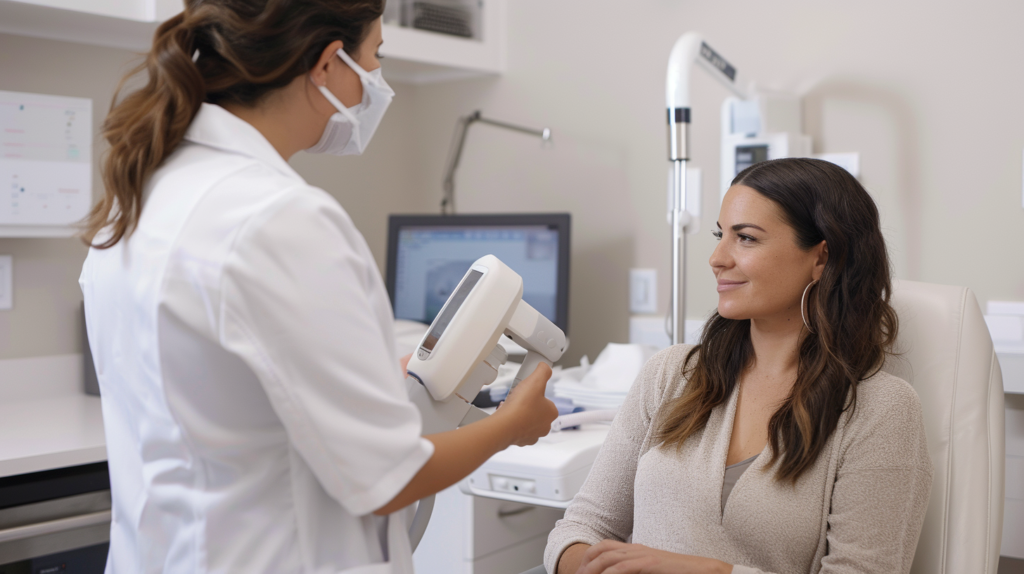
Hair removal is one of the most recognized uses of aesthetic laser care. Laser hair removal targets pigment in the hair follicle to reduce unwanted hair over time and is often featured among top medical spa treatments in Las Vegas. It is commonly performed on areas such as the legs, underarms, bikini area, upper lip, chin, and back.
This treatment still requires planning around hair color, skin tone, and device choice. Darker skin may require different precautions, and lighter hair may respond less predictably. A consultation helps set realistic expectations.
Tattoo Removal and Pigment Care Require Precision
Tattoo removal and pigmentation correction are additional examples of laser-based precision. These treatments depend on how energy interacts with ink or pigment particles. The process often requires multiple sessions and careful monitoring.
Pigment-focused laser care should be approached cautiously in patients prone to discoloration. Over-treatment may create irritation or an unwanted color change. A provider should explain the timeline, limits, and aftercare before treatment.
Body Contouring Is a Separate Treatment Goal
Some patients ask about body contouring while also asking about lasers. Body contouring may involve different technologies and treatment goals than facial resurfacing or pigment correction, and med spa skin and body services, including laser treatment,s can vary widely. In some aesthetic contexts, energy-based approaches may interact with fat cells, firmness, or tissue appearance, but the mechanism depends on the device.
Patients should not assume that every laser improves contour, tightens skin, and resurfaces texture simultaneously. These are different goals. A provider should clarify whether the patient wants shape refinement, skin quality improvement, or both.
More Than One Laser Approach May Be Considered
Combination therapies may be recommended when patients have more than one concern. Laser care may be paired with skincare, injectables, radio frequency, chemical peels, or personalized facial treatments or other cosmetic procedures, es depending on goals and eligibility. This does not mean more treatment is always better.
Combination treatments should be purposeful, staged, and explained clearly. A balanced plan may support comprehensive skin rejuvenation without overwhelming the skin. The provider should also consider timing, recovery, and patient comfort.
Minimally Invasive Options Still Require Screening
Minimally invasive procedures and minimally invasive aesthetic procedures often appeal to patients who want improvement without surgery. Minimally invasive treatments may offer shorter recovery times than more aggressive options, but they still require a medical history review. Less invasive does not mean risk-free.
Non-invasive or minimally invasive care may involve redness, swelling, sensitivity, pigment changes, or temporary discomfort. Patients should ask about risks, contraindications, and aftercare, and follow any pre- and post-care guidelines for laser and facial treatments. Informed consent is part of responsible aesthetic medicine.
Comfort and Downtime Influence Treatment Choice
Patients often value minimal discomfort and minimal downtime when choosing med spa treatments. Modern laser treatments may include cooling, topical numbing, adjusted passes, or conservative settings to improve comfort. Sensation still varies by device, area, and patient tolerance.
Treatment parameters shape both experience and recovery. More intensive settings may produce more visible resurfacing but also more downtime. A gentler plan may require more sessions but fit better into a patient’s schedule, especially in settings that emphasize advanced, medically guided spa treatments.
Individual Factors Shape Treatment Outcomes
Treatment outcomes depend on baseline skin condition, age, skin type, collagen response, device selection, and aftercare. Patients with mild texture changes may respond differently from patients with deeper scars or significant laxity. Results should be evaluated over the full course of care.
Patient satisfaction often improves when expectations are clear from the beginning. Patients should understand what the treatment may address, what it cannot address, and how many sessions may be needed, and they may benefit from ongoing education through a medical spa blog with expert guidance. Clarity reduces frustration and supports trust.
Personalized Plans Reflect Each Patient’s Unique Profile
Diverse patient needs require personalized treatment plans, not generic protocols. Patients may have different goals, such as smoother skin, fewer visible spots, reduced hair growth, softer scars, or better firmness. They may also have different comfort levels and downtime limits.
Providers may use tailored treatment plans to account for diverse skin types, pigment history, sensitivity, and lifestyle. This is especially important in cosmetic dermatology, where elective care should align with personal goals and safety considerations, as reflected in personalized skin, body, and wellness services at Blue Point Medical Spa. Individualized planning is central to ethical aesthetic medicine.
Technological Progress Is Expanding Options
Technological advancements and advancements in laser technology have expanded what providers can consider for aesthetic care. Modern platforms may offer more precise settings, cooling, fractional delivery, and targeted treatment modes. These tools can support more nuanced planning when used appropriately.
Still, advancements in laser care do not remove the need for clinical judgment. The device is only one part of treatment quality. Provider training, screening, aftercare, and conservative decision-making remain essential in any setting, including luxury medical spa care with advanced skin treatments.
Market Growth Should Not Replace Medical Judgment
The laser treatment market and broader aesthetic device industry have seen ongoing market growth, partly because patients want less invasive options and natural-looking improvement. More availability, however, does not automatically mean every treatment is appropriate for every person. Patients should be cautious about trend-driven decisions.
Innovative treatments should still be evaluated through safety, suitability, and realistic expectations. Marketing language can make treatments sound simple, but the skin is biologically complex. Professional guidance helps patients make better choices.
Aesthetic Planning Works Best When Skin Health Comes First
Skin health should remain the foundation of any laser plan. Patients who want to maintain skin health may need sunscreen, barrier support, gentle skincare, and appropriate treatment timing. Lasers work best when the surrounding routine supports recovery.
Skin healing after laser care depends on aftercare, sun avoidance, hydration, and avoiding irritating products when instructed. Patients should follow provider guidance carefully. Good recovery habits support safer, more predictable, visible improvement.
FAQ
Is laser skin resurfacing right for darker skin tones?
Laser resurfacing may be appropriate for some patients with darker skin tones, but it requires careful device selection and settings. Pigment changes are a concern when heat or inflammation is not managed properly. A consultation is necessary before treatment.
How many laser sessions are usually needed?
The number of sessions depends on the concern, device, treatment depth, and patient response. Hair removal, scars, pigment, and collagen-focused plans often require a series. Your provider should explain the expected timeline before treatment begins.
Can laser treatments improve acne scars?
Laser therapies may improve the appearance of some acne scars when matched to the scar type and skin type. Some patients need a combination of care for better visible improvement. Results vary and should be discussed during consultation.
What should patients ask before laser treatment?
Patients should ask which device is being used, what it targets, what downtime to expect, and what risks apply to their skin type. They should also ask about aftercare, sun protection, and how results will be evaluated.
Conclusion
Laser-based care may support smoother texture, more even tone, reduced unwanted hair, improved firmness, and refreshed skin quality when the treatment is selected appropriately. The best plan depends on the patient’s skin type, goals, medical history, and tolerance for downtime. Individual results vary, and laser treatments may involve risks, contraindications, temporary irritation, pigment changes, or recovery needs.
Contact BluePoint Medical Spa to schedule a free consultation at our medical spa with a licensed provider and discuss whether an elective laser-based aesthetic treatment plan is appropriate for your goals, skin type, and treatment history. A consultation allows the provider to review your concerns, explain device options, and recommend a plan that prioritizes safety and natural-looking improvement. Patients should feel informed before choosing any elective cosmetic procedure.