The concept of a facelift has expanded beyond the operating room. Today, several non-surgical facelift options may help address visible signs of facial aging, including skin laxity, volume loss, fine lines, uneven texture, and a tired or aged appearance. These treatments do not involve general anesthesia or surgical incisions, and recovery is often shorter than with surgery.
For patients in Las Vegas who want facial rejuvenation without committing to surgery, the challenge is not a lack of options. The challenge is understanding what each treatment does, what it does not do, and whether one service or a combination of services aligns with their anatomy and goals.
At Blue Point Medical Spa, treatment planning begins with consultation, facial assessment, and realistic expectation-setting. No non-surgical treatment can fully replicate a surgical facelift, but selected options may help improve firmness, contour, texture, or volume for appropriate candidates.
Focused Ultrasound for Deeper Tightening Support
Ultherapy is a non-surgical treatment that uses focused ultrasound energy to target deeper structural layers beneath the skin. It is often discussed for patients with mild to moderate skin laxity in areas such as the lower face, jawline, neck, brow, and chest.
The technology delivers controlled ultrasound energy to selected tissue depths, including the dermis and the SMAS layer, which is a fibromuscular support layer beneath the skin. The SMAS is one of the layers addressed during surgical facial lifting, although Ultherapy does not surgically reposition tissue.
The ultrasound energy creates controlled thermal points beneath the surface. This may stimulate a natural wound-healing response, including fibroblast activity and gradual production of new collagen and elastin. The effect develops over time as the body remodels tissue.
Ultherapy is often best suited for patients who notice early jowling, softening of jawline definition, mild neck laxity, or a lowered brow position. It may be less appropriate for patients with severe sagging, significant excess skin, or advanced tissue descent, where surgery may be the more effective option.
A session may take 60 to 90 minutes, depending on the areas treated. Patients may feel warmth, tingling, or brief discomfort as energy is delivered. There is usually no traditional downtime, although temporary redness, swelling, tenderness, or sensitivity may occur.
Dermal Fillers and the Liquid Facelift Approach
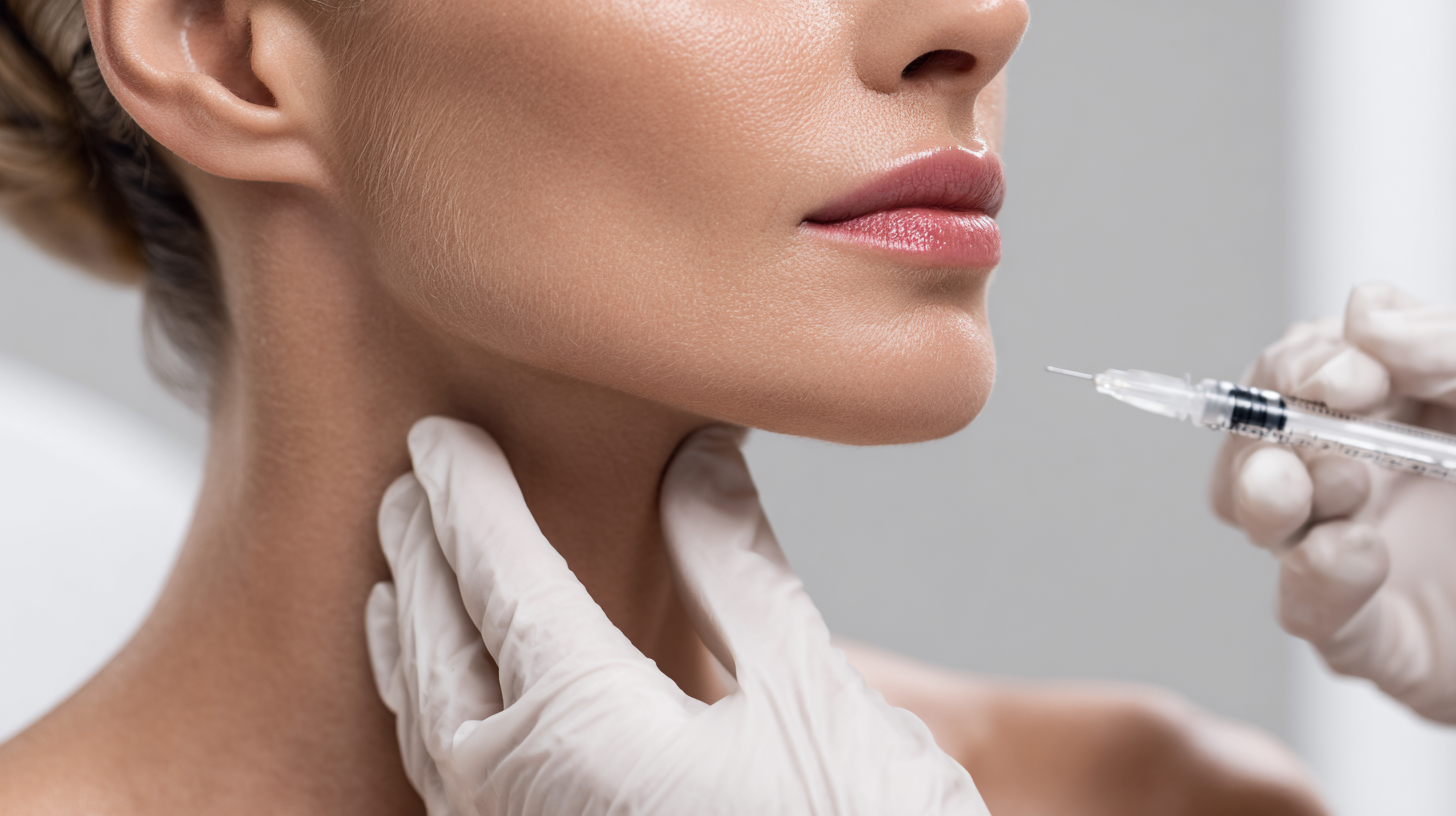
A liquid facelift is not one product or one fixed procedure. It is a strategy that uses dermal fillers to restore or support facial volume, improve contour, and create a more lifted-looking appearance without surgery.
Many dermal fillers used in this type of plan are hyaluronic acid fillers, although biostimulatory fillers such as Sculptra or Radiesse may also be discussed for selected patients. Each filler has a different texture, lifting capacity, duration, and ideal placement area. Product selection depends on anatomy, tissue quality, goals, and provider judgment.
The mid-face is often a central focus in a liquid facelift plan. As facial fat pads shift or decrease with age, the cheeks may lose fullness, and the lower face may appear heavier. Strategic filler placement in the malar region, or cheek area, may help support contour and improve the appearance of nearby folds without simply filling every line directly.
The temples, chin, jawline, and area around the mouth may also be part of a comprehensive plan. A skilled injector evaluates the face as a whole structure rather than chasing isolated wrinkles. This helps create a more balanced result and reduces the risk of an overfilled appearance.
Results from hyaluronic acid fillers are often visible right away, although swelling may take one to two weeks to settle. Biostimulatory fillers work more gradually by encouraging collagen-related changes over time. Duration varies based on product, area treated, metabolism, and maintenance schedule.
RF Microneedling for Texture and Mild Tightening
Radiofrequency treatments use controlled heat to support collagen remodeling in the skin. RF microneedling combines traditional microneedling with radiofrequency energy, creating both mechanical micro-injuries and deeper thermal stimulation.
During RF microneedling, fine needles penetrate the skin to a controlled depth while energy is delivered into the dermis. This combination may stimulate collagen production, improve skin texture, support mild tightening, and help refine pores or certain scars. Because energy is delivered beneath the surface, it may be appropriate for many skin types when performed with proper settings.
RF microneedling may help patients with fine lines, mild skin laxity, uneven texture, enlarged pores, and acne scarring. It is not designed to replace a facelift or create dramatic lifting, but it may improve skin quality and firmness over a series of sessions.
A typical plan may involve three to four treatments spaced several weeks apart. Results develop gradually as new collagen matures. Patients may experience redness, mild swelling, tenderness, or pinpoint marks for a few days after treatment.
This option may be especially useful when a patient wants improvement in both texture and firmness. It may also be combined with other services when timed appropriately.
Laser-Based Facial Rejuvenation
Laser treatments can play an important role in non-surgical facial rejuvenation, especially when the primary concerns involve skin texture, pigmentation, fine lines, sun damage, or surface irregularities. Different lasers work in different ways, so the provider selects the technology based on skin type, concern, and downtime tolerance.
Non-ablative fractional lasers deliver columns of energy into the dermis without removing the skin’s surface. These treatments may support collagen remodeling and improve tone, texture, and mild laxity over a series of sessions. Recovery is usually more manageable than with ablative resurfacing.
Ablative fractional lasers, including CO2 and erbium lasers, remove controlled columns of damaged skin while leaving surrounding tissue intact. These treatments may create more visible improvement in wrinkles, texture, and sun-related damage, but they also require more downtime and careful aftercare.
Laser resurfacing can be powerful for surface quality, but it does not restore lost facial volume or reposition sagging tissue. For that reason, patients with both volume loss and surface damage may need a combination plan that includes fillers, skin resurfacing, or tightening treatments.
A provider can help determine whether lasers are appropriate based on skin tone, pigmentation risk, medical history, prior treatments, and sun exposure. In Las Vegas, sun avoidance and SPF are especially important before and after laser-based care.
Neuromodulators in a Facial Rejuvenation Plan
Botox and other neuromodulators do not lift the skin or restore volume, but they can be important in a broader non-surgical facelift strategy. These treatments temporarily reduce targeted muscle movement that contributes to dynamic wrinkles.
Dynamic wrinkles include forehead lines, frown lines, and crow’s feet that develop from repeated facial expressions. By softening the movement that creates these lines, neuromodulator treatments may help the upper face look smoother and more rested.
When combined with dermal fillers, Ultherapy, RF microneedling, or laser treatments, neuromodulators address a different layer of facial aging. Fillers support volume. Ultherapy may support deeper tightening. RF microneedling and lasers may support skin quality. Neuromodulators address movement-related lines.
The combination of Botox and fillers is sometimes casually called a “non-surgical facelift,” but the more accurate description is a multi-modality rejuvenation plan. The goal is to address different contributors to aging while preserving natural expression.
Comparing Treatment Depth and Purpose
Each non-surgical facelift option works at a different depth and through a different mechanism. Understanding these differences helps patients avoid unrealistic expectations and choose a more appropriate plan.
Ultherapy works deeply by using focused ultrasound energy to target the SMAS layer and deeper dermis. It may be considered for mild to moderate laxity and gradual tightening. It does not address pigmentation, surface roughness, or volume loss.
Dermal fillers restore or support volume in selected areas. They can improve contour and create a lifted-looking effect through strategic placement. Fillers work quickly, but they do not tighten loose skin or improve surface texture.
RF microneedling targets the dermis with mechanical and thermal stimulation. It may support firmness, pores, acne scars, and texture. It can improve skin quality, but it does not reposition tissue like surgery.
Laser treatments are often strongest for surface concerns such as sun damage, wrinkles, texture, and pigmentation. Depending on the laser, they may also support collagen remodeling. However, lasers do not replace volume or deep lifting.
No single treatment does everything. Patients with advanced skin laxity, significant jowling, or excess neck skin may see some improvement with non-surgical options, but surgery may be needed for a more dramatic lift. A candid conversation with a qualified provider is the best starting point.
Combination Plans and Treatment Sequencing
Many patients benefit from combining treatments rather than choosing only one. A non-surgical facial rejuvenation plan may include Ultherapy for laxity, fillers for volume loss, neuromodulators for expression lines, and resurfacing treatments for texture or pigmentation.
The sequence matters. For example, a provider may recommend addressing deeper laxity first with Ultherapy, then restoring volume with dermal fillers once tissue response begins. In another case, a patient may start with laser treatments or chemical peels to improve skin texture before adding injectables.
Some treatments should be spaced apart to reduce irritation, swelling, or interference with results. The timing between Botox, fillers, RF microneedling, lasers, and facials depends on the treatment area and the patient’s recovery. A provider can create a timeline that supports safety and cohesion.
Patients should also consider maintenance. Botox may require treatment every few months. Fillers may last several months to over a year, depending on the product and placement. Ultherapy and resurfacing treatments may be repeated less often. Skincare and SPF support all results.
Who May Be a Good Candidate
A good candidate for non-surgical facelift options is usually someone with mild to moderate visible aging who wants improvement without surgery and understands that results are gradual or limited compared with surgical procedures. They may have early skin laxity, mild jowling, facial volume loss, expression lines, or surface concerns.
These treatments may also appeal to patients who want maintenance after prior procedures or who are not ready for surgery. Some patients use non-surgical options to slow visible changes over time, while others use them to refresh specific areas.
Patients with severe sagging, significant excess skin, advanced neck laxity, or major structural descent may not receive the level of improvement they want from non-surgical treatments alone. In those cases, a provider may discuss limitations clearly and may recommend surgical consultation if appropriate.
Candidacy also depends on health history, medications, skin type, pregnancy status, prior procedures, and ability to follow aftercare. A consultation at Blue Point Medical Spa helps determine which options may be appropriate.
FAQ
How many treatments are needed for a non-surgical facelift?
The number of treatments depends on the services selected. Ultherapy may be performed in one session, while RF microneedling usually requires a series. Dermal fillers may be completed in one or two visits, and laser resurfacing may be done once or in multiple sessions, depending on intensity.
How long do non-surgical facelift results last?
Duration varies by treatment. Botox often lasts three to four months, while hyaluronic acid fillers may last several months to over a year. Ultherapy results may last longer for some patients, and laser results depend on skin care and sun protection. Maintenance helps preserve results.
Can patients have non-surgical treatments after a surgical facelift?
Yes, selected patients may use non-surgical treatments after a prior surgical facelift to support maintenance and address ongoing aging changes. Botox, fillers, RF microneedling, lasers, and skincare may be considered depending on anatomy, surgical history, and provider evaluation.
Conclusion
Non-surgical facelift options can support facial rejuvenation by addressing different layers of aging. Ultherapy may support deeper tightening, dermal fillers may restore volume, neuromodulators may soften movement-related wrinkles, RF microneedling may improve texture and firmness, and laser treatments may address surface damage.
At Blue Point Medical Spa, patients receive aesthetic care guided by consultation, education, and professional oversight. If you are considering a non-surgical facelift, book a consultation to discuss which options may align with your anatomy, goals, and comfort with downtime.
Individual results vary. A consultation with a licensed provider is required to determine whether treatment is appropriate. Aesthetic services are elective and may involve risks, side effects, contraindications, downtime, bruising, swelling, pigmentation changes, or limited response. Non-surgical treatments do not replace surgical procedures, and recommendations may vary based on anatomy, skin type, medical history, prior treatments, and personal goals.