
Collagen is one of the most important structural proteins in the skin. It helps provide firmness, support, and resilience, which is why changes in collagen production often become visible as the skin ages. When collagen levels decline or the existing collagen network becomes damaged, patients may begin to notice fine lines, wrinkles, sagging, thinning, and reduced elasticity.
Understanding collagen skin aging is not only about appearance. It is also about the biological processes that affect how the skin repairs itself, responds to stress, and maintains structure over time. Treatments that support collagen production usually work by engaging the body’s natural repair response, which means results develop gradually rather than instantly.
At Blue Point Medical Spa, collagen-focused treatment planning begins with a professional skin analysis. The provider evaluates skin texture, laxity, tone, sun exposure history, and treatment goals before recommending options such as microneedling, laser treatments, chemical peels, Ultherapy, dermal fillers, or medical-grade skincare.
How Collagen Supports Skin Structure
Collagen is produced by cells called fibroblasts, which are found in the dermis, the middle layer of the skin. The dermis sits beneath the outer epidermis and above the deeper subcutaneous tissue. Within this layer, fibroblasts create collagen fibers that form a supportive network beneath the skin’s surface.
This network helps the skin resist stretching and maintain firmness. Younger skin typically has a more organized collagen structure, which contributes to a smoother, more resilient appearance. As collagen production slows and existing fibers become fragmented, the skin may lose some of its support.
The skin contains several collagen types, but type I collagen and type III collagen are especially relevant to skin aging. Type I collagen contributes strength and support, while type III collagen is associated with a softer, more flexible quality that is more abundant in younger skin. Over time, the balance between these collagen types changes.
Elastin works alongside collagen. While collagen provides structure, elastin helps the skin return to shape after stretching. Both proteins depend on healthy fibroblast activity. When fibroblast function slows, the skin may appear less firm, less elastic, and more affected by gravity.
The extracellular matrix is the structural environment around skin cells. Collagen is a major part of this matrix. When the collagen network weakens, the matrix loses support, and the skin may become thinner, less resilient, and more prone to visible laxity.
Collagen Decline Over Time
Collagen loss begins earlier than many patients expect. Production can begin declining in early adulthood, and visible changes often become more noticeable in the 30s, 40s, and 50s. The pace varies from person to person based on genetics, hormones, lifestyle, sun exposure, and overall skin health.
This decline is not the same across every part of the body. Areas with frequent sun exposure, such as the face, neck, chest, and hands, often show visible aging earlier than areas usually covered by clothing. In Las Vegas, strong UV exposure can make collagen preservation especially important for long-term skin health.
Hormonal changes may also affect collagen. During perimenopause and menopause, lower estrogen levels may contribute to faster collagen loss, dryness, thinning, and reduced elasticity for some women. Men also experience collagen decline, though the pattern may differ because male skin is often thicker and may have a higher baseline collagen density.
The visible signs often appear gradually. Fine lines may develop first around the eyes and mouth, where facial movement is frequent. Over time, wrinkles may deepen, skin laxity may appear around the jawline or neck, and the skin may look thinner or less supported.
Because collagen loss develops over years, treatment planning usually works best as an ongoing strategy rather than a single appointment. A provider can help determine whether the priority is prevention, correction, maintenance, or a combination.
Factors That May Accelerate Collagen Breakdown
Natural aging affects collagen, but external and lifestyle factors may accelerate visible changes. These factors can damage existing fibers, increase oxidative stress, or interfere with the skin’s repair processes.
UV radiation is one of the strongest external contributors to collagen degradation. Repeated ultraviolet exposure can trigger enzymes that break down collagen fibers in the dermis. This process is a major part of photoaging, which may appear as wrinkles, rough texture, hyperpigmentation, and skin laxity in sun-exposed areas.
Smoking may also affect the skin’s structural support. It can reduce blood flow, introduce free radicals, and limit the oxygen and nutrients available to fibroblasts. Over time, this may contribute to earlier wrinkles, dullness, and thinning.
Chronic inflammation may also influence collagen breakdown. Poor sleep, prolonged stress, certain medical conditions, and irritation from over-treating the skin can all affect how the skin repairs itself. Inflammation may make the skin more reactive and may interfere with normal barrier function.
High sugar intake may contribute to glycation, a process where sugar molecules bind to collagen fibers. Glycated collagen can become stiffer and less functional. While diet is only one part of aging, nutrition and blood sugar balance may influence overall skin quality.
Environmental pollutants and free radicals can contribute to oxidative stress. This is why many medical-grade skincare plans include antioxidants, daily sunscreen, and barrier support. These measures do not stop aging, but they may help reduce some preventable stress on the skin.
Treatments That Support Collagen Production
Many medical spa treatments that target collagen work through controlled stimulation. They create a carefully managed response in the skin that may activate fibroblast activity, support collagen synthesis, and encourage tissue remodeling over time. This process is often called neocollagenesis.
Microneedling uses fine needles to create controlled microchannels in the skin. These micro-injuries may activate the wound-healing response and encourage new collagen and elastin production. Over a series of treatments, patients may notice improvement in skin texture, fine lines, acne scars, and overall firmness.
RF microneedling adds radiofrequency energy to the mechanical stimulation of traditional microneedling. The heat delivered into the dermis may create a deeper collagen-remodeling response for selected patients. This option may be discussed for concerns such as mild laxity, deeper texture changes, or acne scarring.
Laser treatments may also support collagen remodeling. Ablative lasers, such as CO2 or erbium lasers, remove controlled layers of damaged skin and stimulate repair. Non-ablative lasers heat the dermis without removing the skin’s surface. Both approaches may encourage new collagen formation, but they differ in downtime, intensity, and candidacy.
Chemical peels support skin renewal by using controlled acid solutions to exfoliate selected layers of skin. Superficial peels may improve surface tone and texture, while medium-depth peels may reach deeper and trigger a stronger repair response. The provider selects the peel based on skin type, pigment risk, and goals.
Ultherapy uses focused ultrasound energy to target deeper skin support layers. It may stimulate a gradual collagen response in selected patients with mild to moderate skin laxity. Results are not immediate and do not replace surgery, but the treatment may be appropriate for patients seeking non-surgical tightening support.
Dermal fillers address collagen-related aging from a different angle. Hyaluronic acid fillers can restore or support volume in selected areas, while some biostimulatory fillers may encourage collagen-related volume improvement over time. The right choice depends on anatomy, volume loss, and treatment goals.
Medical-Grade Skincare and Collagen Support
Professional treatments may create stronger collagen stimulation, but daily skincare helps support results between appointments. A consistent medical-grade skincare plan may help protect existing collagen, improve surface quality, and prepare the skin for future treatments.
Retinoids are among the most studied topical ingredients for visible skin aging. They may support cell turnover, improve texture, and encourage collagen-related activity over time. However, retinoids can irritate sensitive skin if introduced too aggressively, so product strength and frequency should be personalized.
Vitamin C serums may provide antioxidant support and play a role in the collagen synthesis pathway. A stable, well-formulated vitamin C product may help defend against oxidative stress caused by UV exposure and pollution. Patients should still use sunscreen because antioxidants do not replace UV protection.
Peptides are used in some skincare formulas to support communication involved in repair processes. While evidence varies by formulation, peptides may be included as part of a broader routine that also addresses hydration, barrier function, and texture.
Sunscreen is essential for collagen preservation. Daily broad-spectrum SPF helps reduce ongoing UV-related damage that can degrade collagen and worsen photoaging. In Las Vegas, consistent sunscreen use, hats, shade, and reapplication during outdoor activity are especially important.
Blue Point Medical Spa offers professional skincare options such as SkinMedica, SkinBetter, and ZO Skin Health. Product recommendations should be based on skin type, sensitivity, treatment history, and goals.
Building a Collagen-Focused Treatment Plan
A strong collagen-focused treatment plan combines stimulation, protection, and maintenance. The provider first evaluates the patient’s skin condition, age, lifestyle, sun exposure history, prior treatments, and comfort with downtime. This helps determine which treatments may be appropriate and how they should be sequenced.
For patients in their 30s, the emphasis may be prevention and early support. Medical-grade facials, light chemical peels, retinoid-based skincare, antioxidants, and sunscreen may help maintain skin quality and reduce preventable collagen stress.
For patients in their 40s and 50s, the plan may shift toward more active collagen stimulation. Microneedling, RF microneedling, laser resurfacing, Ultherapy, or medium-depth peels may be considered depending on the concern. Dermal fillers may also be added when collagen loss is accompanied by volume loss.
Treatment plans should evolve. As the skin responds, the provider may adjust intensity, frequency, and combination strategies. A patient may begin with skincare and microneedling, then add lasers or Ultherapy later. Another patient may need fillers first because volume loss is the dominant concern.
A consultation at Blue Point Medical Spa helps patients understand where their skin is now and which collagen-supporting options may align with their goals.
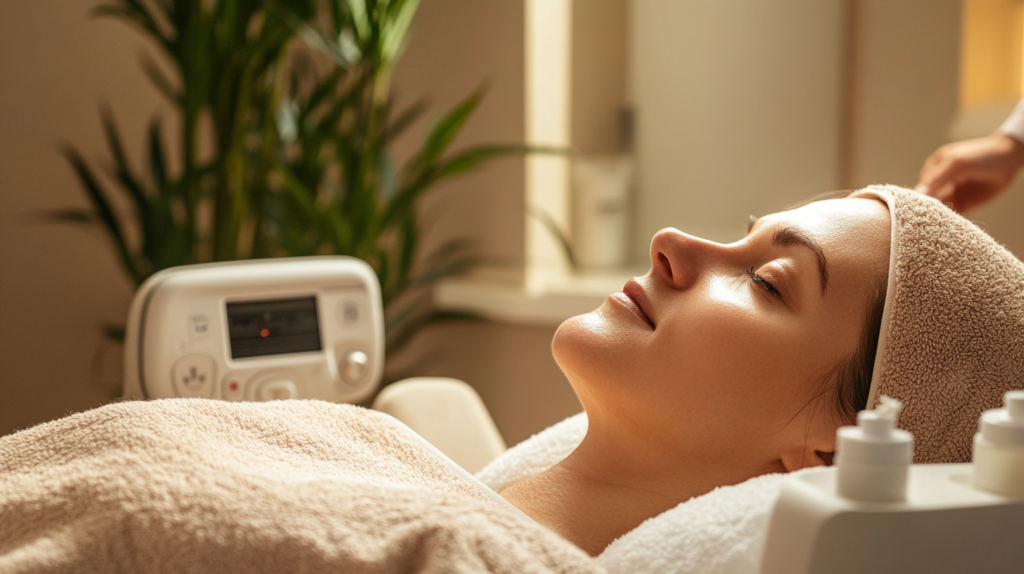
Lifestyle Habits That Support Collagen Preservation
Medical spa treatments can support collagen production, but lifestyle habits influence how long results may last. Sun protection remains the most important habit because ongoing UV exposure can continue to break down collagen even after professional treatments.
Hydration, balanced nutrition, sleep, and not smoking may also support overall skin function. Protein intake and nutrients such as vitamin C, zinc, and amino acids play a role in normal collagen synthesis. These habits do not replace treatments, but they may support a healthier environment for the skin.
Stress management may also matter. Chronic stress can influence inflammation and sleep quality, both of which may affect the skin’s repair capacity. A realistic plan should consider the patient’s daily life, not only the treatment room.
Patients should avoid over-exfoliation and excessive use of active products. Irritation can weaken the skin barrier and may make the skin less tolerant of professional treatments. A provider can help adjust skincare so it supports collagen goals without creating unnecessary inflammation.
FAQ
How long do collagen-stimulating treatments take to show results?
Most collagen-stimulating treatments produce gradual changes over weeks to months. Microneedling may require several sessions before visible improvement appears. Laser resurfacing and Ultherapy may continue developing for several months as new collagen matures. Results vary based on treatment type, skin condition, and healing response.
Do collagen supplements improve skin?
Oral collagen supplements may provide modest support for skin hydration or elasticity in some studies, but they should not be considered a replacement for professional treatments or skincare. Their effect varies by product, consistency, diet, and individual response. Patients should discuss supplements with a provider if they have medical conditions or take medications.
Can lost collagen be restored completely?
The body can continue producing new collagen, but lost collagen should not be described as fully restorable for every patient. Collagen-stimulating treatments may help improve firmness, texture, and resilience, but results vary, and natural aging continues. Maintenance and sun protection remain important.
Conclusion
Collagen plays a central role in firmness, elasticity, and overall skin quality. As collagen production slows and existing fibers become damaged, patients may notice fine lines, wrinkles, laxity, and thinning. Professional treatments may help stimulate new collagen, while skincare and lifestyle habits may help protect what the skin already has.
At Blue Point Medical Spa, patients receive aesthetic care guided by consultation, education, and professional oversight. If you are interested in collagen-stimulating treatments, book a consultation to discuss which options may fit your skin condition, age, goals, and comfort with downtime.
Individual results vary. A consultation with a licensed provider is required to determine whether treatment is appropriate. Aesthetic services are elective and may involve risks, side effects, contraindications, downtime, pigmentation changes, swelling, bruising, or limited response. Recommendations may vary based on skin type, medical history, medications, sun exposure, age, treatment history, and healing response.