Healing Lasers Explained: How They Reduce Inflammation and Downtime
January 12, 2026

If you’ve been wondering what age is best to start laser skin rejuvenation, you’re not alone. Many people want to protect their natural beauty, keep glowing skin, and address early changes—without feeling like they waited “too long” or started “too soon.” At BluePoint Medical Spa, we see that the most confident decisions happen when timing is matched to your skin goals, lifestyle, and the reality of the natural aging process.
The truth is that “best” rarely means a single age group. It usually means choosing the right laser procedure, the right intensity, and a personalized treatment plan for your skin concerns—whether that’s uneven skin tone, skin texture, acne scars, brown spots, or fine lines wrinkles that are starting to linger.
It’s normal to worry about making the wrong call—especially when you hear different advice online about laser treatments. Some patients assume lasers are only for deeper wrinkles, loose skin, or significant sun damage, while others are curious about “prejuvenation” and whether younger patients can benefit from early care.
Generally speaking, there’s rarely a hard cutoff. What matters most is your skin health, your current skin conditions (including active breakouts or post inflammatory hyperpigmentation), your skin type, and your tolerance for more downtime or a long recovery if you choose more intensive options like ablative treatments.
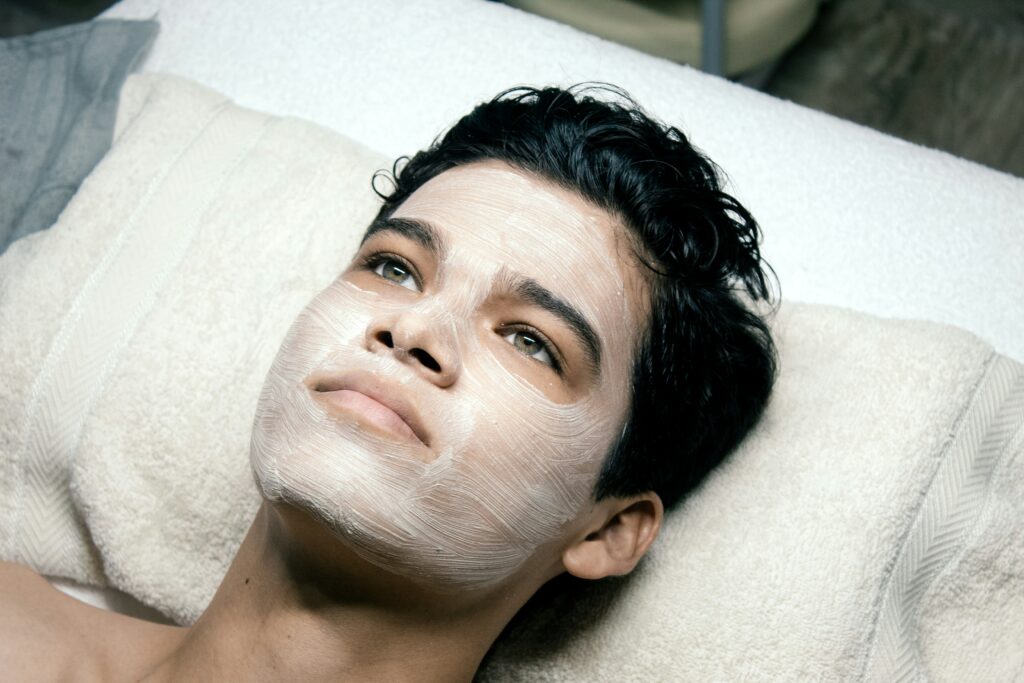
People often ask about lasers when they’re dealing with lingering marks from teenage acne or more established acne scars. That concern is valid—because scars can affect confidence, makeup texture, and how light hits the top layer of the skin, making large pores and texture concerns more noticeable.
Laser care may be part of a broader strategy, but it isn’t one-size-fits-all. A thoughtful approach looks at whether acne is still active, what kind of scar pattern exists, and how your skin color and inflammation patterns might influence risk for post inflammatory hyperpigmentation after a laser resurfacing session.
If you’re noticing signs of aging—like fine lines, early wrinkles, dullness, or mild skin laxity—it can feel like you missed the “perfect window.” In reality, many patients begin skin rejuvenation in their 30s and 40s because that’s when the aging process becomes easier to see in photos, mirrors, and changing facial contours.
This can be an ideal time to focus on supporting collagen production and improving skin elasticity, especially when laser is paired with a consistent skincare routine and guidance from a skincare specialist. For many, this decade is about steady improvement—not dramatic changes.
Laser skin resurfacing uses controlled light energy from a laser device to target specific layers of skin. Depending on the technology and settings, a facial laser treatment can address the top layer for surface concerns like roughness, and also stimulate response in the deeper layers that influence dermal structure.
When the skin responds to carefully delivered energy, it may support long-term firmness and smoother texture by encouraging collagen production and elastin production. That’s why age matters—but mostly because your baseline collagen and elastin activity changes over time, and your recovery capacity can differ by age, health history, and lifestyle.

In your 20s, you often have stronger baseline skin elasticity and a more resilient dermal structure. As the natural aging process continues, collagen and elastin naturally decline, which can contribute to skin laxity, deeper wrinkles, and softer facial contours—especially when combined with sun exposure and environmental stress.
That doesn’t mean lasers “stop working” later in life. It means a skilled provider may recommend a different approach—sometimes combining various laser treatments over time, selecting different settings, or spacing sessions for comfort, safety, and realistic improvement.
For many people, what looks like “aging” is partly sun damage. Brown spots, uneven skin tone, and rough skin texture often reflect years of cumulative sun exposure, especially if you didn’t consistently avoid prolonged sun exposure earlier in life.
Timing matters because recent tanning or frequent outdoor exposure can increase sensitivity and complicate recovery. A smart plan often includes pausing certain exposures, focusing on barrier support, and building habits that protect healthy skin before and after a laser procedure.
When patients ask what age is best to start laser skin rejuvenation, a practical answer is: it depends on your goals and what your skin is showing right now. Many people explore laser facials or gentle laser treatments in their late 20s to early 30s to refine skin texture, brighten tone, and support early prevention.
In the mid-30s through 50s, patients often focus on visible signs of aging, including fine lines, wrinkles, early volume loss, and mild loose skin. At this stage, laser can be used to address tone, refresh appearance, and help maintain the look of firmer, smoother skin—while staying aligned with your comfort and downtime preferences.
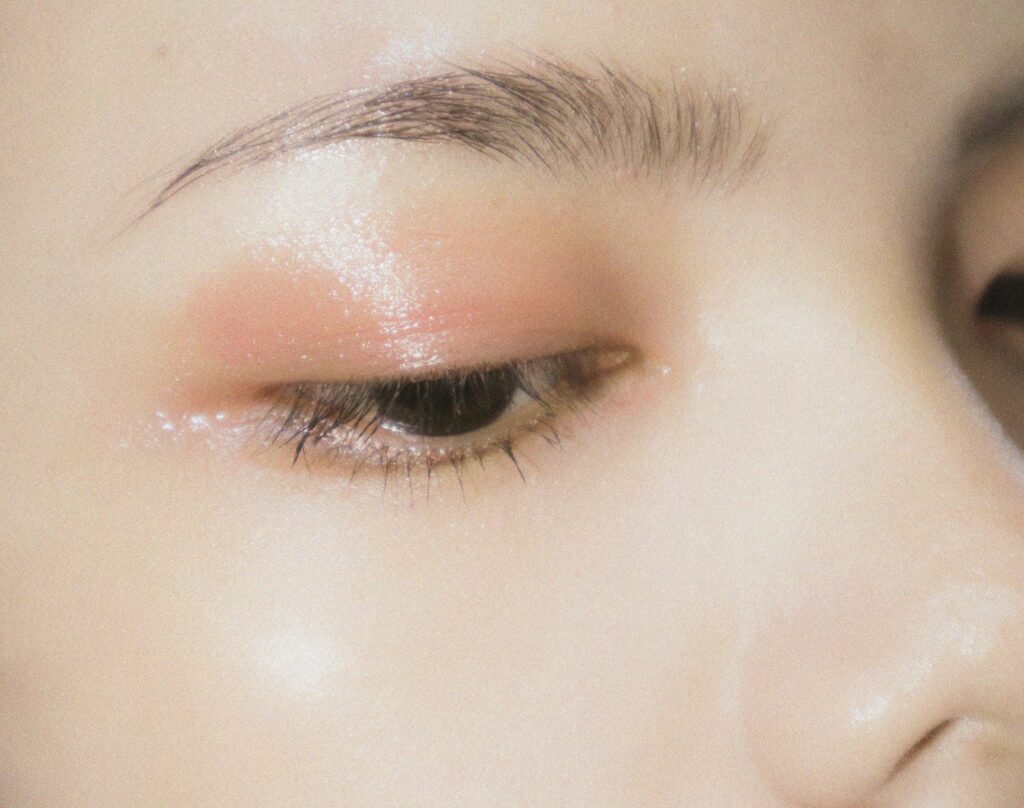
Yes—skin type and skin color matter because they influence how your skin absorbs energy and how it responds after treatment. Certain settings and devices may carry higher risk for uneven pigment changes, especially in patients prone to post inflammatory hyperpigmentation.
This is where experience and customization are essential. A careful initial consultation helps your provider choose the right laser skin approach, adjust intensity, and plan pre- and post-care so your treatment supports your goals while respecting your skin’s natural response patterns.
Some younger patients consider laser because they notice large pores, oiliness, dullness, or early texture concerns. These are common, and they can be frustrating when topical care alone doesn’t deliver the refinement you want.
In many cases, the most appropriate plan is conservative: lower-intensity options, gradual change, and a strong skincare routine that supports the skin barrier. The goal is not aggressive transformation—it’s thoughtful improvement that keeps the skin calm, balanced, and resilient.
The phrase laser resurfacing treatments covers a wide range—from light, low-downtime options to more intensive skin resurfacing that requires more healing time. The “right” choice typically depends on the treatment area, your schedule, and whether you’re targeting acne scars, age spots, fine lines, or more advanced changes like deeper wrinkles and visible laxity.
At BluePoint Medical Spa, your provider may discuss how different technologies compare, including how some lasers are designed for texture and tone while other devices prioritize pigment or vascular issues. What matters most is aligning the tool to your skin, not forcing your skin to fit a trend.
Laser facials are often used as a gentler entry point into skin rejuvenation, usually involving less downtime and a lighter approach to improving tone and radiance. Many patients choose them when they want gradual enhancement in skin texture and brightness without planning for a week of recovery.
Laser skin resurfacing, including more intensive approaches, typically targets deeper and more defined concerns—like deeper textural irregularities, significant sun-related changes, or more established lines. If you’re balancing work, parenting, or travel, your downtime tolerance becomes a real part of the decision, not an afterthought.
Ablative treatments remove or vaporize portions of the top layer of skin and can create a more dramatic resurfacing effect—often with more downtime and a potentially long recovery. These options may be considered for more advanced texture issues, certain scar patterns, or significant signs of photoaging where a stronger reset is desired.
That said, aggressive laser treatments are not “better” for everyone. Many patients do better with a staged plan using various laser treatments over time—especially if they want improvement while minimizing disruption and reducing the chance of irritation or pigment shifts.
A safe, effective treatment plan starts with an initial consultation where a provider assesses your goals, history, and skin response tendencies. This includes discussing your daily sun exposure, how consistently you can avoid prolonged sun exposure, and what you can realistically commit to for post-care and maintenance.
From there, the plan may include a sequence of treatments (not necessarily one single session) and guidance on how to support outcomes with skincare, timing, and lifestyle adjustments. For many patients, the most satisfying results come from a plan designed for their real life, not a generic schedule.
When people say they want optimal results, they often mean they want skin that looks smoother, clearer, and more even—without looking “done.” With the right approach, laser may help refine skin texture, soften the look of fine lines, reduce visible brown spots, and improve the appearance of uneven skin tone.
It’s important to frame benefits realistically. Skin change is gradual, and results depend on your baseline skin health, your chosen settings, and how well you protect and support your skin afterward—especially from sun exposure, which can re-trigger pigment concerns.
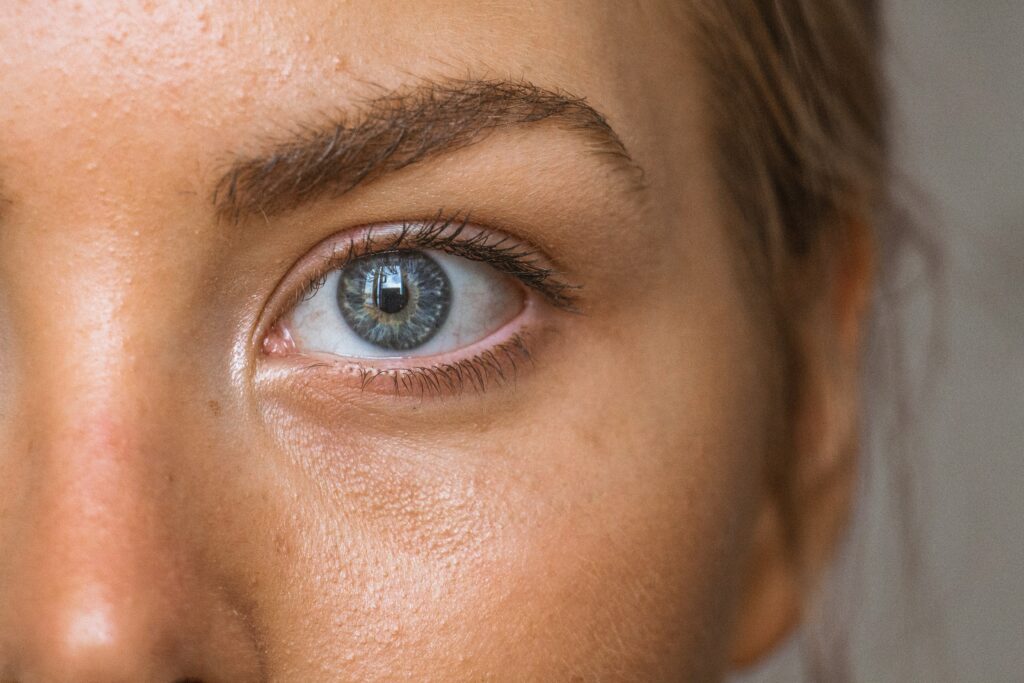
Patients often ask whether laser can improve skin laxity or tighten areas that feel less firm. Some laser approaches may support a firmer look by encouraging collagen production in the deeper layers, which can subtly improve how the skin “holds” over time.
However, if laxity is more advanced or tied to significant volume loss, your provider may discuss combining laser with other procedures to better match your goals. The best outcomes usually come from choosing the right tool for the right cause—skin quality versus structural support.
Downtime can range from minimal redness to several days (or longer) of visible healing, depending on the laser procedure and intensity. Planning matters: work schedules, social events, and travel can influence which option is realistic and comfortable for you.
Safety also includes long-term habits. Consistent protection from prolonged sun exposure helps preserve results and reduce the chance that pigment returns. Your provider will typically recommend strategies to protect the treated treatment area, including daily SPF, hats, and smart scheduling—especially if you spend time outdoors.
Many people start in their late 20s to 30s when early signs like dullness, mild fine lines, or uneven tone appear. A provider can recommend lower-intensity options that support skin health with minimal downtime. The best timing depends on your skin and your goals, not just your birthday.
It may, but the approach should be cautious and personalized. The type of scarring, active acne status, and your risk of irritation or post inflammatory hyperpigmentation matter. A consultation helps determine which laser resurfacing treatments are appropriate and how to reduce risk.
Yes—sun exposure can increase sensitivity and raise the risk of uneven pigment during healing. Your provider will typically advise you to avoid prolonged sun exposure, use daily SPF, and plan treatment around vacations or outdoor seasons. This helps protect both comfort and results.
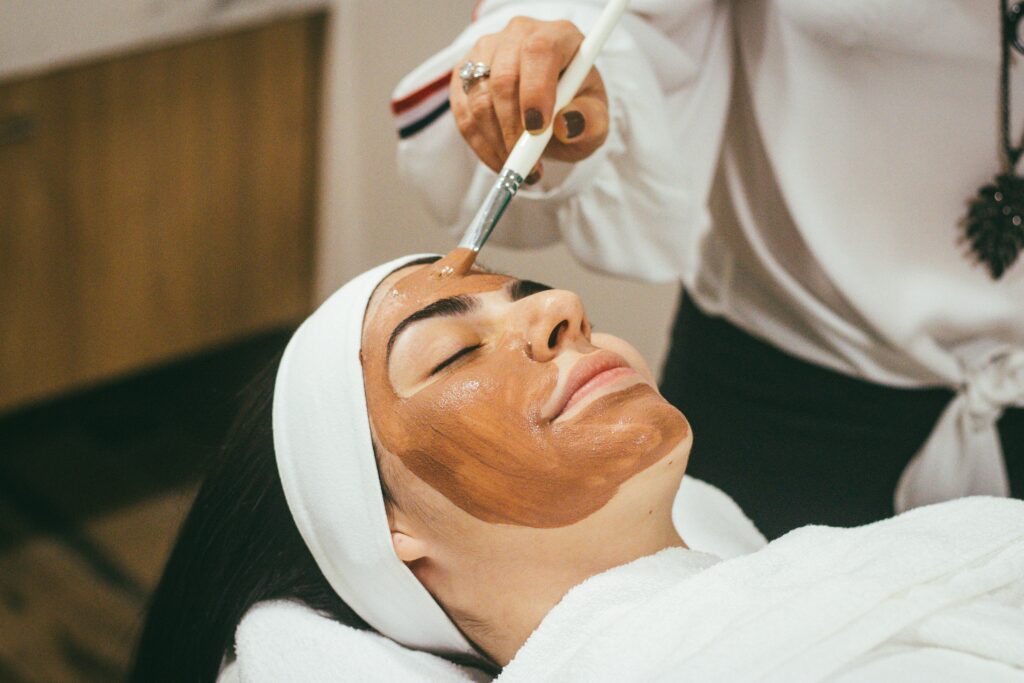
If you’re exploring laser skin rejuvenation, the most helpful next step is a professional evaluation that accounts for your age, your skin concerns, your skin type, and your lifestyle. The goal of an initial consultation isn’t to push a specific device—it’s to create clarity, reduce uncertainty, and design a plan that respects your skin and your preferences.
Results vary, and every treatment has potential risks, contraindications, and recovery differences—especially across different skin tones and sensitivity profiles. If you’d like a personalized recommendation for laser skin resurfacing, laser resurfacing, or gentler laser facials, schedule a consultation with BluePoint Medical Spa to discuss your options and build a treatment plan that fits your goals.