If you’re curious about what happens to fat cells after non-surgical body sculpting, you’re usually not looking for a “quick fix.” Most people are trying to understand what’s changing in their body, what’s temporary, and what’s more lasting—especially when they’re targeting stubborn fat that doesn’t shift easily with a healthy lifestyle.
At BluePoint Medical Spa, we hear this question from patients planning nonsurgical body sculpting for the abdomen, flanks, upper arms, or other treated areas with pinchable fat. The goal is typically body shaping and improved proportions, not a primary weight loss solution or a stand-alone weight loss treatment.
Fat Cells—Destroyed or Returning?
It’s normal to wonder whether fat cells destroyed in a treatment can “regrow,” or whether fat return is inevitable. Patients often ask whether results are permanently eliminated and whether new fat cells can appear after the procedure.
These questions matter because body sculpting doesn’t change your metabolism or erase the body’s natural tendency to store fat. Understanding how fat cell reduction works helps you set realistic expectations and make choices that support a stable weight.
Fat Reduction vs. Weight Loss: Key Differences
Body contouring and weight loss are related but not interchangeable. With body contouring procedures, the goal is to reduce fat in a specific treatment area by affecting targeted fat cells, which may change how that area looks in clothing and in the mirror.
With traditional weight loss, you can lose weight because fat cells shrink as the body uses stored energy. But those cells may still be there, just smaller—meaning they can enlarge again if you gain weight or experience weight gain over time.
Subcutaneous vs. Visceral Fat: What You Should Know
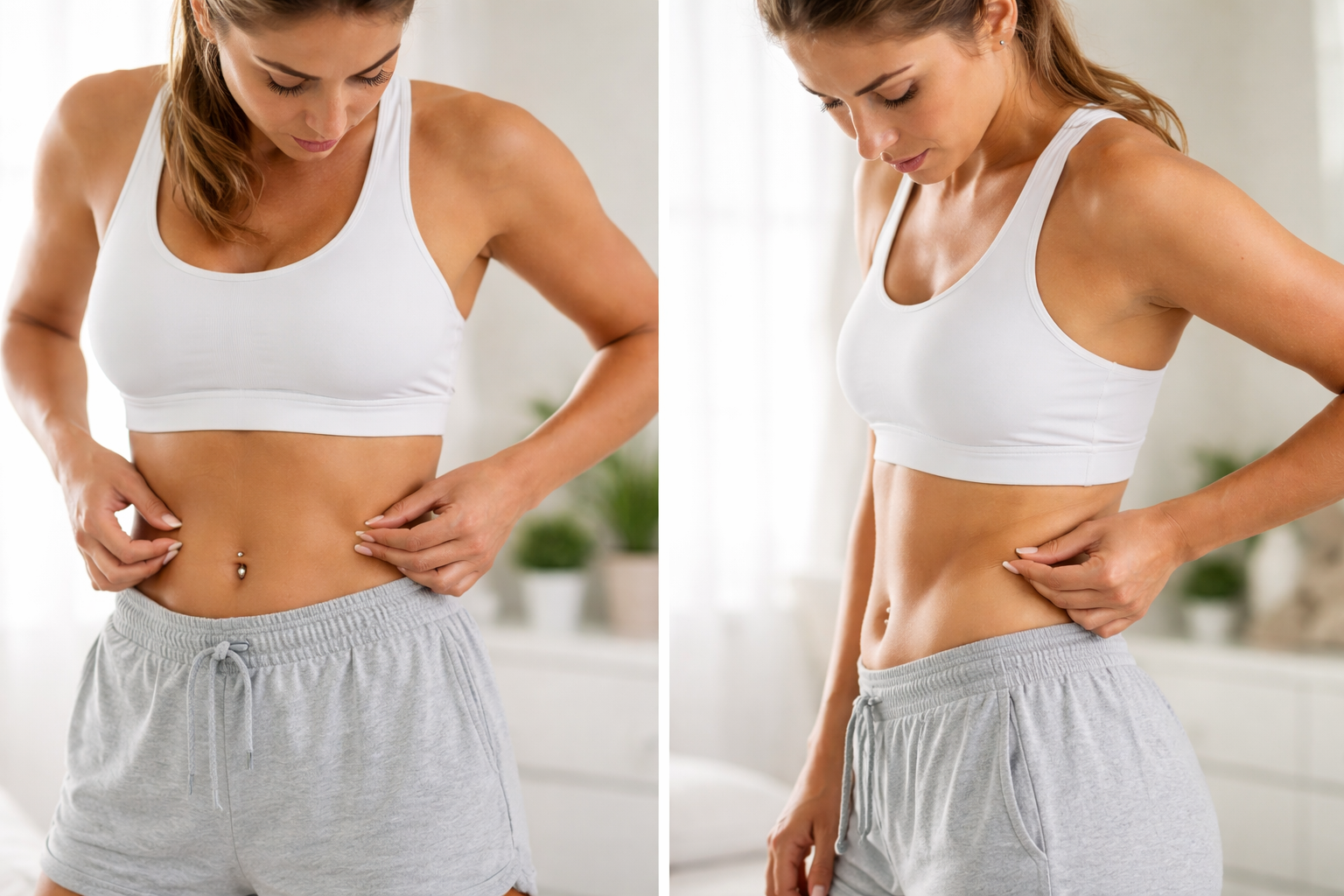
Most nonsurgical fat reduction is designed for subcutaneous fat, the soft layer you can pinch—often described as unwanted fat or excess fat that sits closer to the skin. That’s why candidacy often focuses on pinchable fat and realistic body goals rather than the number on a scale.
Visceral fat is deeper, located around internal organs, and it’s not typically the target of cosmetic non-invasive body contouring. If your goal is primarily health-focused fat change, a clinician may discuss diet, exercise, and overall risk factors differently than a purely aesthetic plan.
Fat Cells After Non-Surgical Body Sculpting with Controlled Cooling
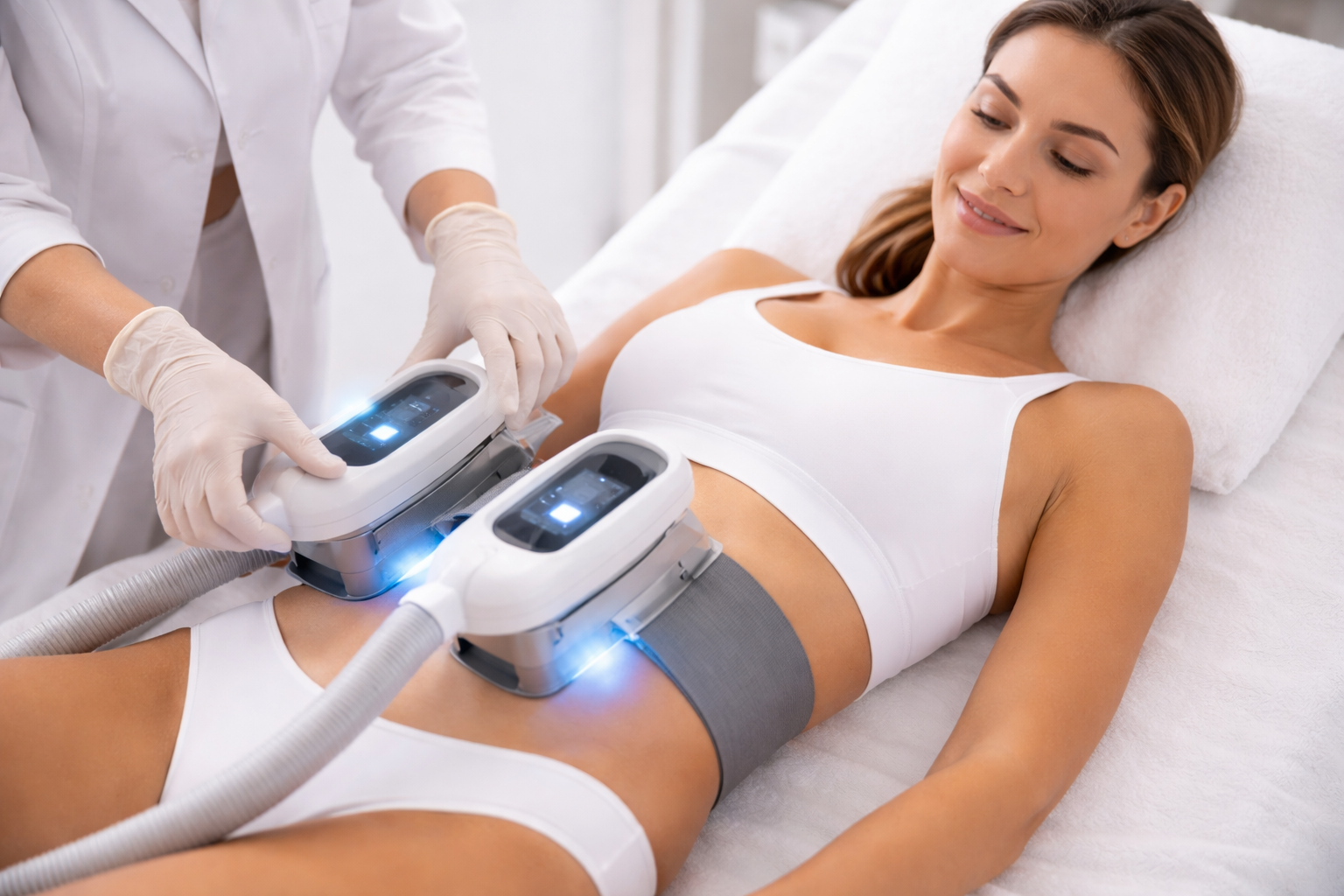
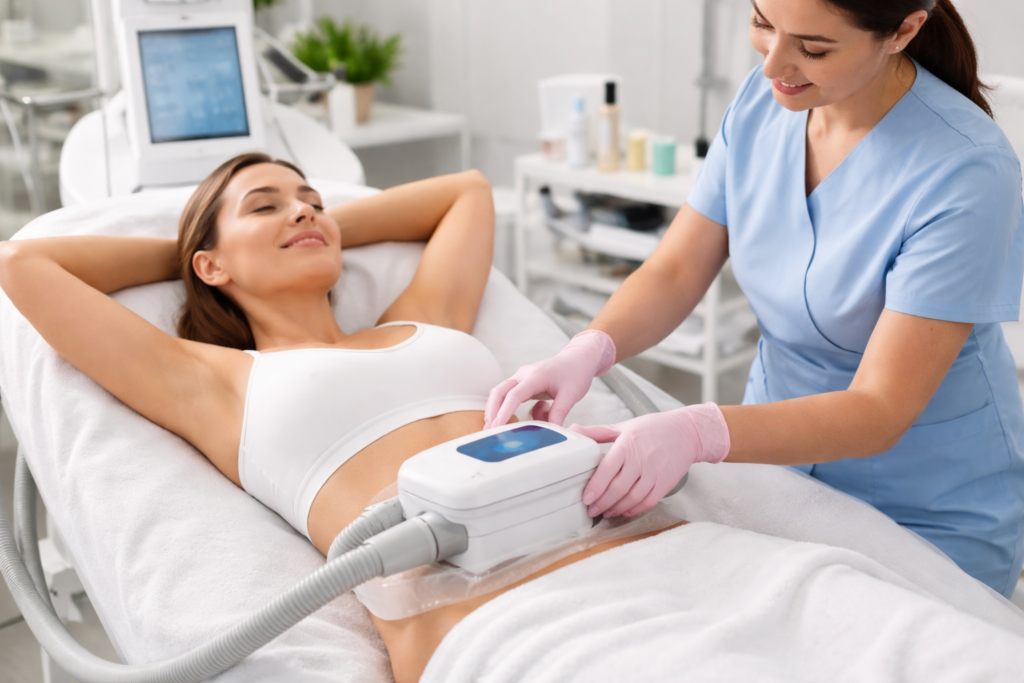
With fat freezing—a process called cryolipolysis—devices use controlled cooling to affect targeted fat cells in a selected treatment area. In simple terms, fat cells freeze at temperatures that can stress them more than surrounding tissues, which are better able to tolerate the cooling profile.
Over time, the body gradually clears the affected cells. You may hear terms like frozen fat cells, dead fat cells, or destroyed fat cells; clinically, this is often described as a controlled injury that signals the body to process those cells through natural cleanup pathways.
Importantly, this isn’t instant. Patients sometimes expect a dramatic change right away, but the body’s timeline is slower because clearance happens through normal physiology rather than immediate fat removal like surgical liposuction.

How the Body Eliminates Treated Fat Cells
After cryolipolysis, the body begins breaking down affected fat so it can be transported and processed. Many explanations reference the body’s lymphatic system (and the broader lymphatic system) because it plays a role in moving cellular byproducts and waste through the body’s cleanup networks.
As this happens, there can be a “release” phase where fat released from the affected cells is handled like other fats your body processes. Patients sometimes describe it as the body’sflush pathways doing their job, but it’s more accurate to think of it as gradual biological clearance.
This is why a calm, consistent plan matters more than crash behaviors. A healthy diet, hydration, and sensible activity support general wellness while the body eliminates treated fat over time.
Remaining Fat Cells: Shrinkage and Implications
Even after fat cell reduction, you still have remaining fat cells in the area. The visible change often comes from having fewer fat cells in the treated pocket compared with baseline, which can shift the contour of that region.
This does not mean the body can’t store fat again. If you gain weight, the remaining fat cells in treated and untreated areas can enlarge because the body still stores energy. That’s a key reason providers emphasize stable weight for more predictable outcomes.
Patients also ask about new fat cells. Adults can form new fat cells under certain conditions, but the more practical point for decision-making is that body sculpting works best when paired with long-term habits that reduce the likelihood of significant weight changes.
Radiofrequency and Other Body Contouring vs. Fat Freezing
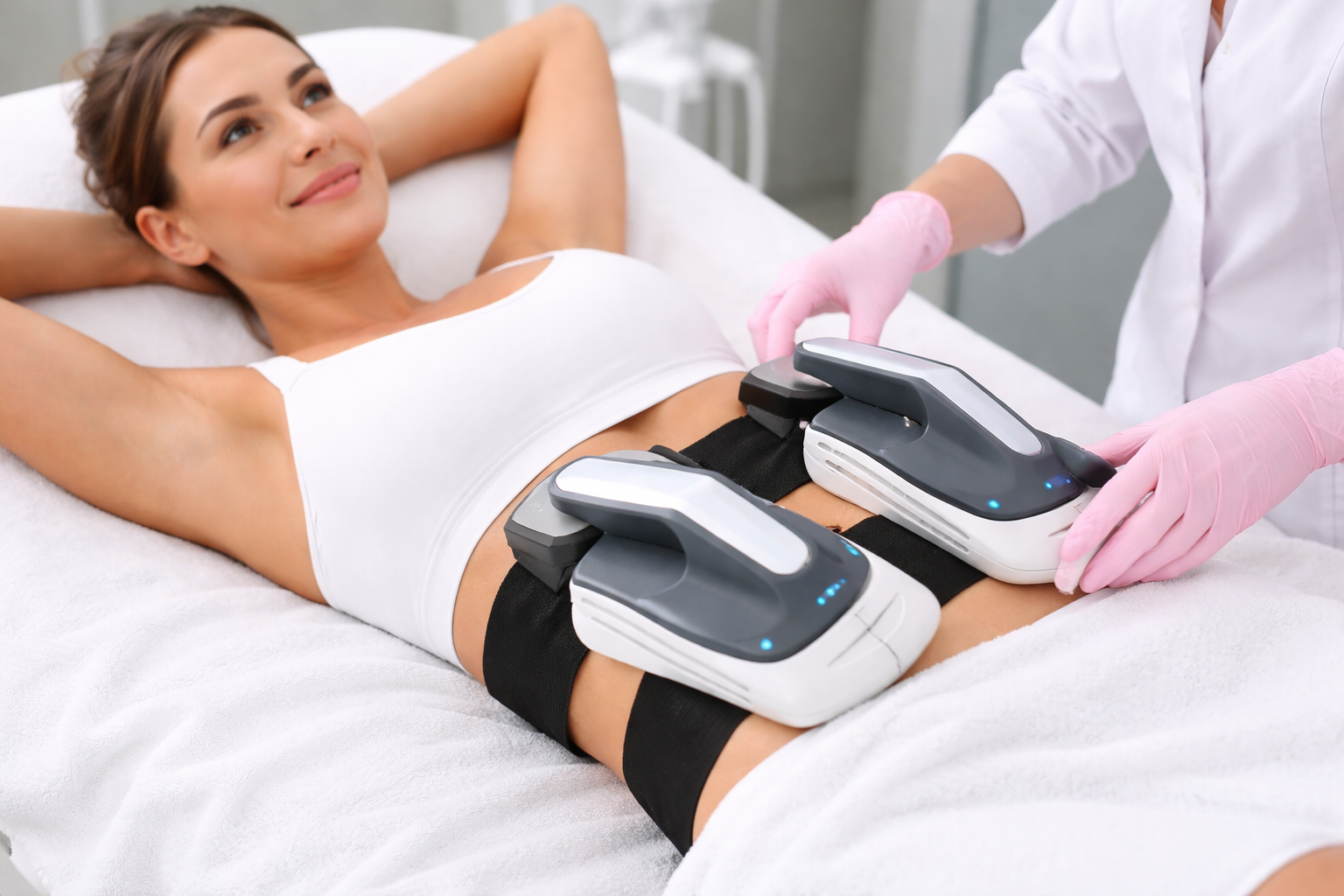
Not all body contouring treatments work by cooling. Some body contouring options use heat-based technologies like radiofrequency energy, and the goal may include tightening skin texture in addition to contour change.
Heat-based approaches can be positioned as part of body sculpting and body shaping for select patients, and they may stimulate collagen production to support firmness in areas where laxity is a concern. That collagen support is different from fat reduction, but it can matter for how smooth the result looks.
This is where an individualized plan helps. The best body contouring approach depends on your anatomy, your tolerance for downtime, and whether you’re prioritizing fat reduction, skin texture, or both.
Can Non-Surgical Body Sculpting Replace Liposuction?
For some people, nonsurgical body approaches can be a good fit, but they aren’t identical to surgical liposuction. Liposuction is a form of plastic surgery (often discussed alongside cosmetic surgery) that physically removes fat in a procedure-based way, and it has different risks and recovery time considerations.
By contrast, non-invasive body contouring typically involves minimal downtime and a gradual change profile. That can appeal to patients who want a subtler shift, who can’t take extended recovery, or who want to avoid surgery.
It’s also common for plastic surgeons to discuss both approaches depending on goals. The most ethical framing is that each method has a role, and the right choice depends on body composition, expectations, and medical history.
Supporting Optimal Results with Diet and Exercise
To support optimal results, think of body sculpting as a targeted assist—not permission to ignore the basics. A healthy lifestyle that includes a healthy diet and regular exercise helps you maintain a stable weight, which reduces the chance that contour gains are masked by generalized weight gain.
When patients ask for exercise recommendations, we usually keep it realistic: choose movement you can repeat consistently. If you already exercise, staying steady is often better than suddenly doubling intensity, especially when your body is adjusting post-treatment.
This also helps patients avoid a common misunderstanding: body sculpting is not a guarantee you’ll lose weight. It’s designed for shape changes, and maintaining those changes is easier when nutrition and activity support overall body composition.
Benefits and Considerations: Results You Can Expect
Many patients like that results can be gradual and natural-looking, with improvements showing over weeks as the body processes treated cells. When the treatment matches the right candidate, patients may see smoother lines of clothing fit and better proportional balance in treated areas.
Still, treatments work differently across individuals. Skin thickness, baseline fat volume, metabolism, and post-care habits all influence the outcome, which is why we emphasize realistic expectations. Some people need multiple sessions to approach their desired contour, especially when stubborn fat pockets are larger.
It’s also important to talk about sensation and after-effects. Temporary numbness, tenderness, or swelling can happen, and a consultation should cover what’s typical, what’s not, and what to do if something feels unusual.
FAQ
What happens to fat cells after non-surgical body sculpting—are they gone forever?
With nonsurgical fat reduction like fat freezing, affected cells are typically cleared gradually by the body over time. However, your body still has remaining fat cells, and weight changes can affect both treated and untreated areas. That’s why maintaining a stable weight supports more consistent results.
How long does the purging/clearing process take after controlled cooling?
Most people notice changes gradually over several weeks as the body processes affected cells through normal cleanup pathways involving the lymphatic system. The exact timeline varies based on the treatment area, individual biology, and whether multiple sessions are needed. Your provider can set expectations based on your plan.
Can I gain weight after body contouring, and will fat return?
Yes, you can still gain weight, and fat can accumulate because the body still stores fat. While treated pockets may have fewer fat cells, the remaining fat cells can enlarge with weight gain. A healthy diet and regular exercise help protect your contour changes over time.
Conclusion
If you’re still exploring what happens to fat cells after non-surgical body sculpting, the most helpful next step is a personalized assessment. BluePoint Medical Spa can evaluate your body goals, identify whether you’re a good candidate for coolsculpting treatment-style cooling, radiofrequency energy, or other body contouring treatments, and explain expected timelines and recovery time.
Because results vary and every aesthetic procedure can carry risks or contraindications, a one-on-one plan matters—especially if you’re comparing noninvasive options to plastic surgery. Schedule a consultation with BluePoint Medical Spa to review your options and align on a practical approach that supports your comfort and expectations.