As patients get older, it is common to notice that the skin no longer looks as bright or smooth as it once did. The natural glow that people often associate with healthy, rested skin may begin to fade gradually, even when there is no single dramatic change. Instead, the shift usually comes from a combination of skin aging, environmental exposure, and changes in how the skin renews itself over time.
Understanding what causes skin to lose its natural glow with age can help patients make more informed decisions about skincare, prevention, and professional treatment options. At BluePoint Medical Spa, the goal is not to promise perfection, but to help patients understand the root causes of skin dullness, changes in skin tone, and the early visible signs of aging so they can choose care that supports healthier-looking skin.
Why Skin Looks Duller With Age
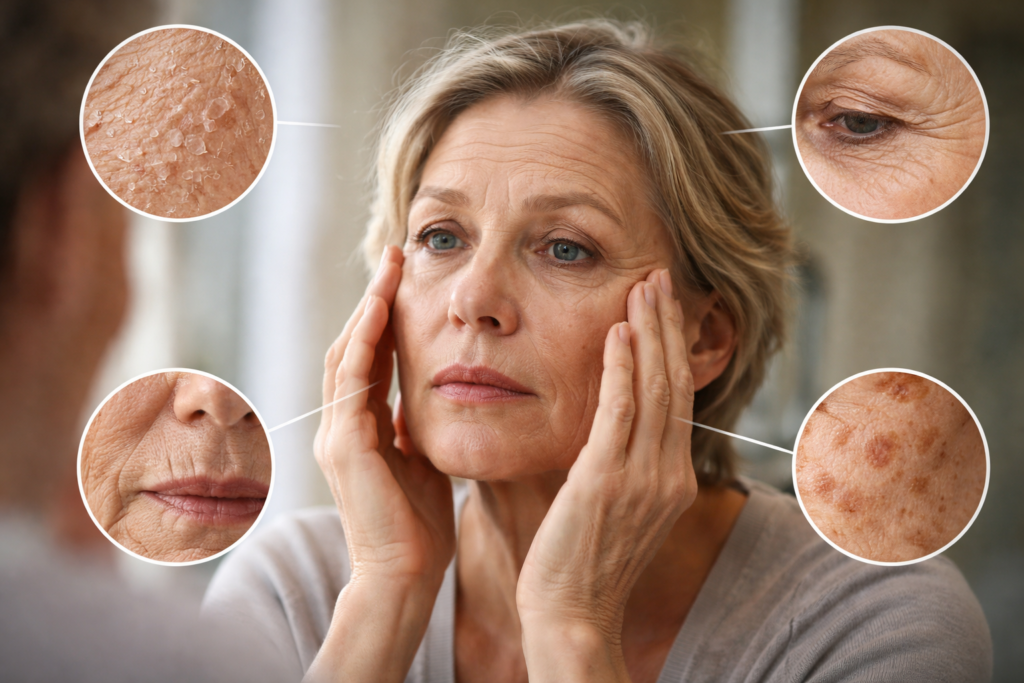
One of the most common reasons skin loses brightness with time is that the renewal of skin cells slows down. When fresh cells do not move to the surface as efficiently, dead skin cells can build up on the outer layer of the skin, making the complexion appear rough, tired, or lacking radiance.
This change matters because the skin’s glow is closely tied to how evenly it reflects light. When the skin’s surface becomes less smooth, the overall appearance may look flat rather than luminous, even if the skin is otherwise healthy. That is one reason why mild textural changes can affect how the whole face looks.
How Facial Skin Changes Over Time
As facial skin matures, it often becomes thinner, drier, and less resilient. The skin’s internal support system also changes, especially when collagen production begins to decline, and collagen fibers become less organized. This can contribute to fine lines, reduced firmness, and a gradual loss of bounce.
At the same time, the connective tissue that helps support structure is not as robust as it once was. This affects skin elasticity, which may lead to sagging skin and a less refreshed appearance. While these changes are expected with age, the degree and timing vary from person to person.
How Dead Skin Cells Affect Skin Tone and Texture
A buildup of dead skin cells can make skin texture feel rougher and make the complexion appear uneven. Even subtle surface congestion can interfere with light reflection, which is why dull skin often looks less smooth and less vibrant than it feels at first glance.
Over time, this can contribute to uneven skin tone, especially when dullness appears alongside minor discoloration or post-inflammatory marks. When this surface buildup is addressed appropriately, patients may notice a softer, brighter look that supports a more radiant complexion.
How Dry and Dehydrated Skin Affects the Complexion
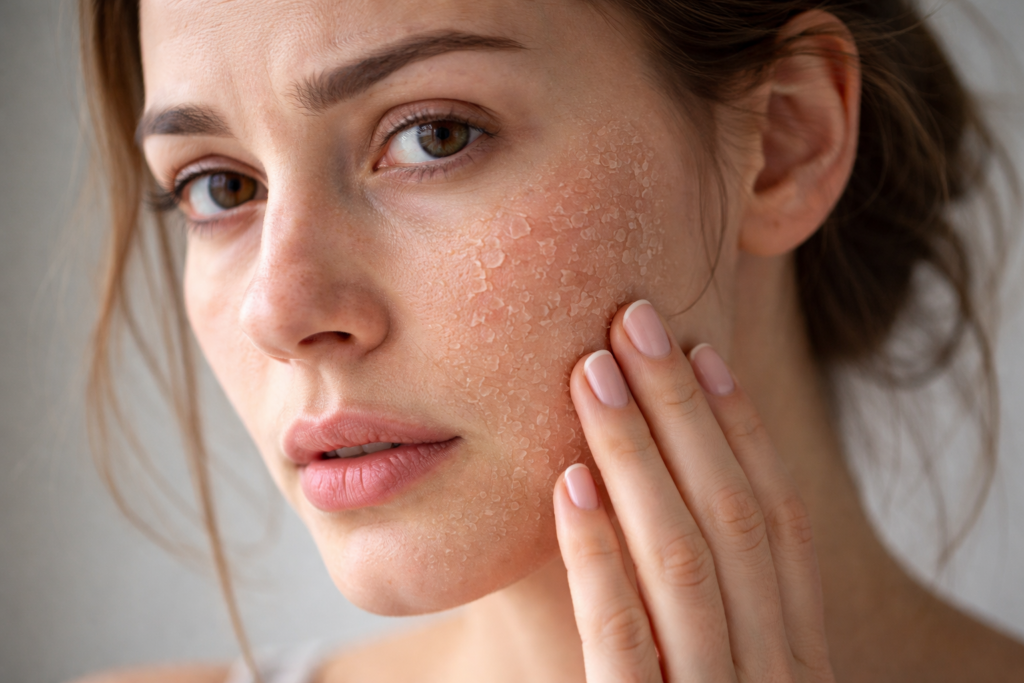
Dry skin and dehydrated skin are both common contributors to visible dullness, but they are not exactly the same. Dry skin refers to a skin type that produces less oil, while dehydrated skin reflects a lack of water within the skin. In both cases, the skin may appear tight, flaky, or tired.
When the skin lacks moisture, it often appears less supple and less reflective. This may make fine lines seem more noticeable and reduce the fresh, smooth quality that many patients associate with a youthful appearance. Hydration is not the only answer, but it is often an important part of improving skin quality.
Why Hyaluronic Acid Matters as Skin Ages
Hyaluronic acid is a naturally occurring substance that helps the skin retain water. As the skin ages, its ability to maintain hydration can change, which may contribute to dullness, roughness, and a less plump appearance.
This matters because hydration supports both comfort and appearance. When the skin holds water more effectively, it often looks smoother and healthier. That is why ingredients or treatments that support hydration are often discussed when patients want to restore a more refreshed look.
How Sun Exposure Contributes to Skin Aging
Sun exposure is one of the most important contributors to visible aging. Repeated contact with UV radiation can gradually damage collagen, affect pigment behavior, and reduce overall skin resilience. Over time, this process may lead to sun damage, roughness, and a less even complexion.
Long-term UV exposure can also contribute to solar elastosis, a condition associated with degeneration of elastic tissue caused by chronic sun exposure. In practical terms, this means the skin may begin to look thicker, less flexible, and more weathered. It is also important to remember that ultraviolet exposure is a risk factor for skin cancer, which is why prevention matters beyond appearance alone.
Why Dark Spots and Age Spots Become More Visible
As the skin accumulates years of environmental stress, melanin production can become less evenly distributed. This may lead to dark spots, liver spots, and age spots, especially in areas with higher lifetime sun exposure, such as the cheeks, forehead, chest, and hands.
In some patients, the issue is not only excess pigment but also too much melanin being deposited unevenly after inflammation or UV exposure. When discoloration becomes more noticeable, the skin can appear older or less luminous, even if texture changes are still mild.
How Circulation and Blood Flow Affect Skin Radiance
Healthy blood flow helps support the color and vitality of skin. When poor circulation affects how well oxygen and nutrients reach the skin, the complexion may look duller or more fatigued. This effect may be subtle, but it can influence overall tone and visual freshness.
The appearance of surface blood vessels can also shape how the skin looks. In some patients, redness or vascular visibility contributes to unevenness rather than brightness. Understanding whether dullness is pigment-related, hydration-related, or circulation-related helps guide more appropriate treatment choices.
How Hormonal Changes and Lifestyle Affect Skin Appearance
Hormonal changes can influence hydration, oil production, pigmentation, and sensitivity, all of which affect how the skin looks and feels. These shifts may become more noticeable with age and can change how patients respond to skincare or professional treatments.
Many lifestyle factors also influence the overall appearance of the skin. Stress, poor sleep, smoking, alcohol use, and inconsistent routines can all affect barrier function and recovery. In that sense, the causes of skin dullness are often cumulative rather than isolated.
Skin and Medical Conditions That Affect Skin Radiance
Some forms of dullness are related not only to aging but also to underlying skin conditions or broader medical conditions. Chronic inflammation, rosacea, eczema, pigment disorders, or systemic issues that affect circulation or nutrition may all influence how vibrant the skin appears.
That is why a professional evaluation matters when changes seem sudden, persistent, or more pronounced than expected. While many cases of dullness are cosmetic, some deserve closer attention before assuming they are simply part of normal aging.
How Gentle Exfoliation Supports Healthier Skin
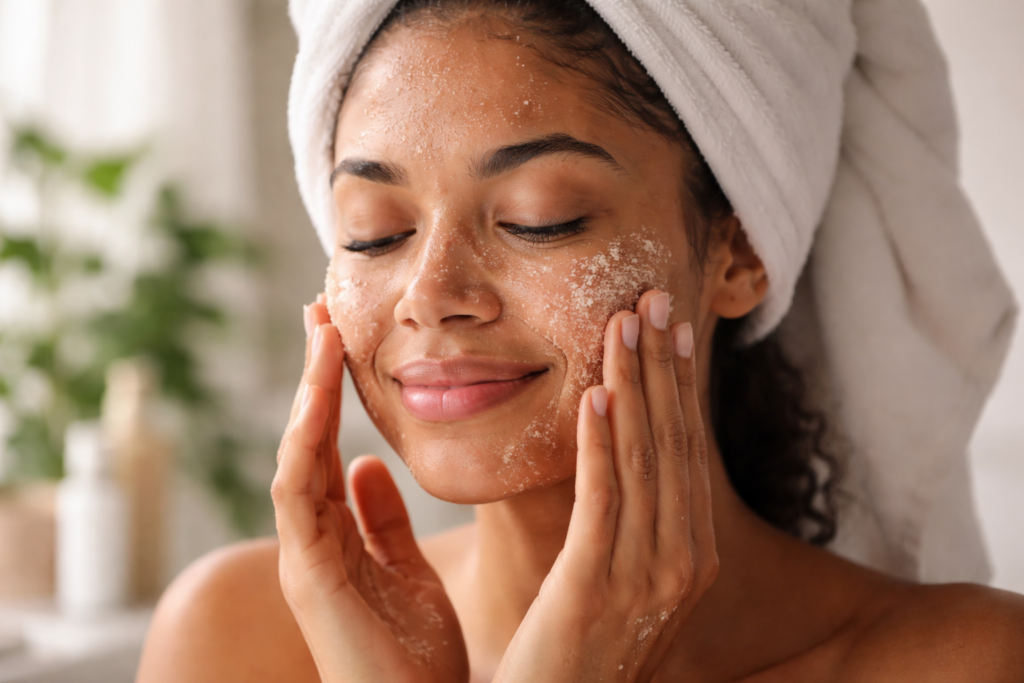
Gentle exfoliation may help remove built-up surface cells and improve the look of rough, tired skin. By addressing the buildup of dead skin cells, exfoliation can support a smoother texture and a brighter surface appearance when used appropriately.
The key is moderation. Over-exfoliating can disrupt the barrier, worsen dryness, and increase irritation, which may make dullness more noticeable rather than less. For many patients, an individualized approach is more helpful than using the strongest product available.
Common Skin-Brightening Ingredients
Certain skin brightening ingredients are often used to support a more even complexion and reduce the look of discoloration. Vitamin C is widely used because it may help support brightness while also functioning as an antioxidant in many skincare routines.
Other ingredients, such as alpha hydroxy acids, may help improve texture by encouraging surface cell turnover. Some patients also use ingredients like green tea for antioxidant support or witch hazel in select formulations, although tolerance can vary, and not every ingredient is right for every skin type.
When Glycolic Acid, Retin-A, and Over-the-Counter Options Are Used
Glycolic acid is one of the more commonly discussed exfoliating acids because it can help refine texture and improve dullness when introduced carefully. It is often part of chemical exfoliation strategies intended to smooth the skin and soften uneven areas.
Retin-A and other retinoid-based products may also be considered when patients want to address roughness, discoloration, or the early appearance of wrinkles. Some are prescription-based, while others are available over the counter, but all should be used thoughtfully because irritation can occur, especially in sensitive skin.
Why Daily Sunscreen and Broad-Spectrum SPF Matter
Consistent sun protection is one of the most practical ways to support long-term skin health. Daily sunscreen use helps reduce ongoing UV injury that contributes to wrinkles, pigment changes, and loss of firmness. Without prevention, even effective skincare or in-office treatment may have less durable benefits.
Patients are generally encouraged to use broad spectrum spf and practice wearing sunscreen regularly, not just on especially sunny days. This step matters because routine protection helps preserve the skin’s appearance while also reducing cumulative exposure associated with serious health risks.
How Laser Treatments Can Improve Skin Quality
For some patients, laser treatments may be used to improve skin quality, tone, and surface texture. These treatments are often considered when dullness is linked to sun damage, uneven pigment, or structural changes that topical care alone may not address fully.
Because different devices target different concerns, treatment selection should depend on the patient’s skin type, history, and goals. Some laser-based options may help support smoother skin, more even tone, and gradual renewal, but outcomes vary, and consultation is important for safety.
Platelet-Rich Plasma and Dermal Filler Injections
Platelet-rich plasma is sometimes discussed in aesthetic care as a treatment that may support renewal by using components derived from the patient’s own blood. In the right setting, it may be considered as part of a broader strategy for improving texture or overall appearance.
Dermal filler injections address a different issue. Rather than resurfacing the skin, fillers may help restore volume where age-related change makes the face look tired or hollow. In selected patients, this can soften shadows, improve contours, and support a fresher appearance without changing natural facial character.
How Lifestyle Changes Improve Skin Elasticity and Appearance
In many cases, supportive lifestyle changes can make a meaningful difference in how the skin looks and feels. Better sleep, consistent hydration, balanced nutrition, physical activity, and smoking avoidance may all support skin recovery and circulation in ways that affect tone and comfort.
These lifestyle choices are not a substitute for treatment when deeper concerns are present, but they often form the foundation of healthy aging. When paired with appropriate skincare and sun protection, they may help improve skin elasticity and support a complexion that looks more resilient over time.

FAQ
Why does my skin look dull even when I use skin care products?
Dullness can come from several overlapping factors, including dead skin cells, dehydration, sun damage, and slower cell turnover. Even a good skin care routine may need adjustment as skin changes with age.
Can aging skin still look brighter without invasive treatment?
Yes, in many cases it can. Consistent sun protection, hydration support, exfoliation, and professionally guided topical care may help improve brightness and texture without invasive procedures.
Are dark spots and age spots the same thing?
They are often used interchangeably in everyday conversation. In general, age spots are flat areas of extra pigment that become more visible over time, often after cumulative sun exposure.
Do laser treatments work for uneven skin tone?
They may help in selected patients, especially when uneven skin tone is related to sun damage or certain pigment concerns. The right treatment depends on skin type, history, and the cause of the discoloration.
When should I see a provider about changes in my skin?
A consultation is a good idea if dullness is persistent, worsening, or accompanied by unusual spots, irritation, or sudden texture changes. Concerns related to possible skin cancer or unexplained skin changes should always be evaluated promptly.
Conclusion
Understanding what causes skin to lose its natural glow with age can help patients recognize that dullness is rarely caused by one issue alone. Surface buildup, hydration loss, pigment change, collagen decline, sun exposure, and lifestyle patterns can all affect how the skin looks. When those factors are evaluated together, treatment decisions tend to be more thoughtful and more aligned with individual needs.
The goal is not to erase every sign of age, but to support healthier-looking skin in a way that feels realistic and medically appropriate. For some patients, the best path may involve improved skincare, skin brightening ingredients, and consistent daily sunscreen. For others, professional options such as laser treatments, resurfacing, or carefully selected injectables may be worth discussing.
At BluePoint Medical Spa, patients can explore personalized care in a setting focused on education, safety, and realistic outcomes. Schedule a consultation to discuss concerns about dullness, discoloration, dryness, or early aging changes and learn which options may support a smoother, brighter, and more refreshed appearance.