
When you invest in professional treatments, it’s natural to hope your skin will look calmer, smoother, and more radiant afterward. But what happens between visits often determines whether you maintain healthy skin and support treatment outcomes over time.
At BluePoint Medica lSpa, we see your skincare journey as a partnership between in-office treatments and your at-home routine. A thoughtful skincare regimen can help your own skin recover comfortably, protect skin health, and give you the best chance at long-term results—without overstating what any single treatment can do.
Why Skin Feels Different After Treatments
After treatments like chemical peels, your skin texture can feel temporarily tight, dry, or more reactive. That doesn’t automatically mean something is “wrong”—it often reflects increased cell turnover and a short-term shift at a cellular level as dead skin cells shed.
Because each skin type has unique needs, the same experience can look different from one person to the next. Some patients notice mild redness or irritation, while others notice breakouts or impurities surfacing as the skin begins to address issues beneath the surface.
Can You Use Your Usual Products Right Away
It depends on your individual needs, the higher concentrations used during some professional skincare services, and your specific concerns. After certain procedures, “business as usual” can be too harsh, especially if your routine includes active ingredients designed for acne, hyperpigmentation, or wrinkles.
The safest path is professional guidance tailored to your skin tone, appearance goals, and specific skin concerns. The right plan focuses on comfort first, then gradually returns to targeted products so you can support effectiveness without unnecessary irritation.
How a Consistent Skincare Routine Supports Treatment Outcomes
A consistent skincare routine works like a daily foundation for skin health. Even the best professional treatments can be undermined by inconsistent cleansing, skipped moisturizing, or frequent product switching that disrupts the skin barrier.
When your routine is stable, it’s easier to evaluate what’s actually helping your skin. That clarity matters because many concerns—like uneven texture, aging, and post-inflammatory marks—tend to respond to steady habits more than constant experimentation.
How Cell Turnover Affects Skin Radiance
Cell turnover describes how your skin naturally renews itself by shedding dead skin cells and bringing newer cells to the surface. Many treatments and active ingredients aim to influence this process, which is one reason people associate professional care with glowing skin and a more youthful complexion.
But faster turnover can also mean temporary sensitivity if the skin barrier is not supported. A balanced skincare routine protects comfort while your skin adjusts, helping you maintain healthy function and work toward lasting results.
Why Sun Protection Matters More Than You Think
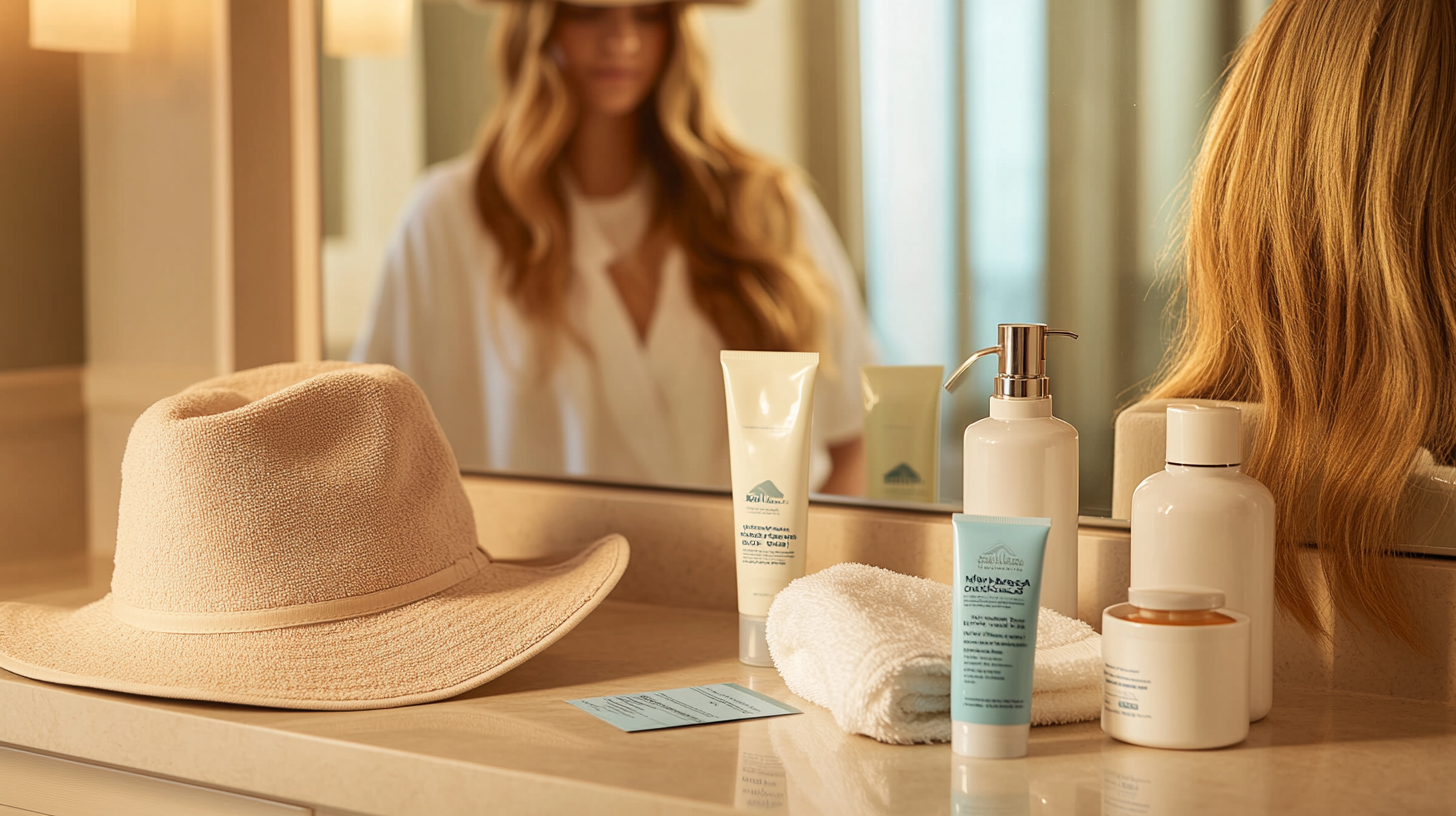
If there’s one step that consistently protects long-term skin health, it’s sun protection. UV exposure contributes to sun damage, premature aging, and uneven skin tone, and it can interfere with the progress you’re making from professional treatments.
Daily protection matters even when it’s cloudy or you’re mostly indoors, because incidental exposure accumulates. For many patients, consistent sunscreen is the “quiet” habit that most strongly supports smoother skin texture and fewer visible signs of aging over time.
Lifestyle Factors That Support Healthy Skin
Your skin reflects more than products. Nutrition, sleep quality, hydration, and stress management can all support the skin’s ability to recover, especially after in-office treatments that temporarily increase sensitivity.
This doesn’t mean you need perfection. It means your routine becomes more effective when it fits your real lifestyle, respects your individual needs, and reduces avoidable triggers like harsh cleansers, over-scrubbing, or inconsistent moisturizing.
What an At-Home Routine Should Include After Professional Skincare
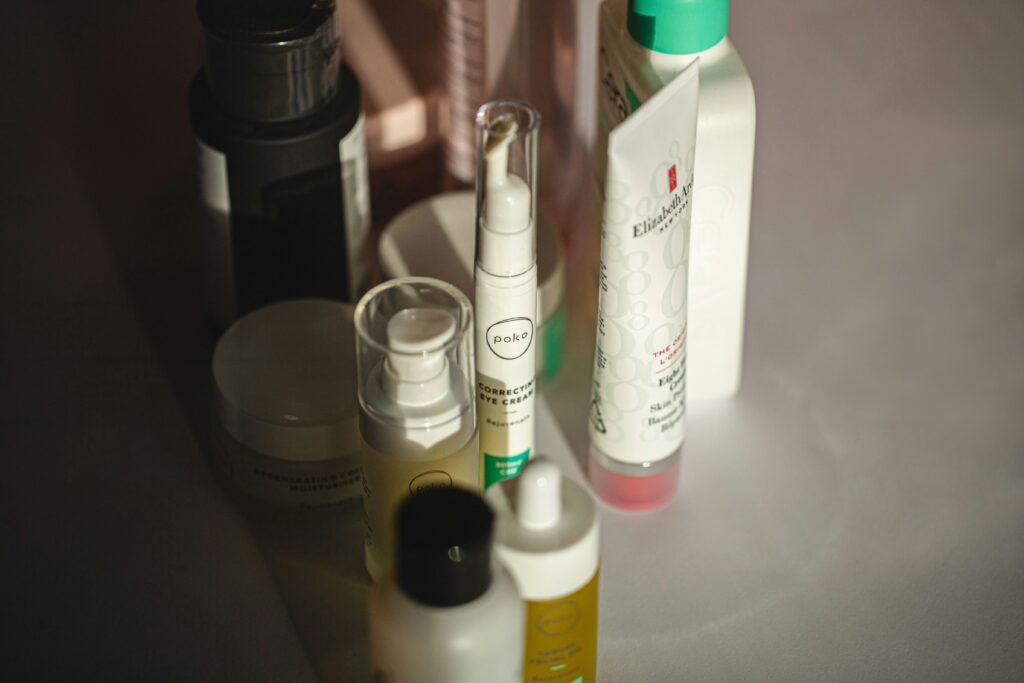
A post-treatment at-home routine typically centers on gentle cleansing, barrier-supporting moisturizing, and daily sun protection. These steps help reduce redness, limit irritation, and keep the skin comfortable while it stabilizes.
From there, you can explore targeted products based on specific concerns—for example, antioxidants for environmental stress, or carefully timed active ingredients for acne or discoloration. The key is sequencing and pacing, because your skin may be more reactive right after treatments.
Do You Need Professional Guidance for Skincare Products
If you’re trying to address issues like hyperpigmentation, wrinkles, or persistent breakouts, professional guidance can reduce trial-and-error. Clinicians and trained professionals can match the right products to your skin type, tolerance, and goals, especially when formulas are formulated for post-procedure care.
This personalized approach is also useful when you’re using stronger formulas with higher concentrations, since timing and layering can affect comfort and effectiveness. A plan built around your unique needs helps you reach your skin’s full potential without pushing too hard, too fast.
Supporting Long-Term Results While Protecting Skin Health
A reliable routine can support more consistent treatment outcomes, improve overall skin health, and help you maintain improvements in texture and tone. Many patients find that a simple, repeatable routine is what makes their results feel more predictable and easier to maintain.
At the same time, it’s important to stay realistic: skin responds differently based on genetics, hormones, environment, and adherence. Benefits may be gradual, and some concerns require ongoing care. Treatments and products can also carry risks like irritation, sensitivity, or flare-ups depending on your individual needs.
As a general safety note, individual results vary, and some treatments have potential risks or contraindications. The most informed decisions come from an in-person consultation where your history, skin type, and goals are reviewed by qualified professionals.
FAQ
How soon can I exfoliate after chemical peels?
After chemical peels, your provider may recommend waiting until the skin has calmed and peeling has resolved. Restarting regular exfoliation too early can increase irritation. Follow professional guidance based on your skin type and the peel depth.
Why am I getting breakouts after professional treatments?
Some patients notice temporary breakouts as the skin adjusts and dead skin cells shed. This can be influenced by products, congestion, or shifts at a cellular level. If it persists, your provider can help address issues and adjust your at-home routine.
Do I really need sun protection if I’m indoors most of the day?
Yes—sun protection can still matter because incidental UV exposure adds up. It’s a simple step that helps limit sun damage, supports more even skin tone, and can protect long-term results from professional skincare.
What active ingredients should I avoid right after treatments?
It depends on the procedure and your individual needs, but many people pause strong active ingredients temporarily to reduce redness and irritation. Your provider can recommend when to reintroduce them and which products are best for your skin health.
Conclusion
After professional treatments, your daily skincare routine is what helps protect the progress you’ve started in-office. A steady skincare regimen—built around gentle cleansing, consistent moisturizing, and reliable sun protection—can support your skin health, reduce avoidable irritation, and help you maintain a smoother skin texture and more radiant skin over time.
Because every skin type has unique needs, results can vary, and the “right” routine depends on your goals and specific skin concerns like acne, hyperpigmentation, or early aging. Some products and active ingredients may need to be paused or reintroduced gradually to protect comfort and effectiveness, especially after services like chemical peels or other in-office treatments.
If you want clarity on what to use next—and how to build an at-home routine that supports long-term skin health—schedule a consultation with BluePoint Medical Spa. Our team can review your current products, discuss your treatment plan, and provide professional guidance tailored to your own skin and your desired treatment outcomes.