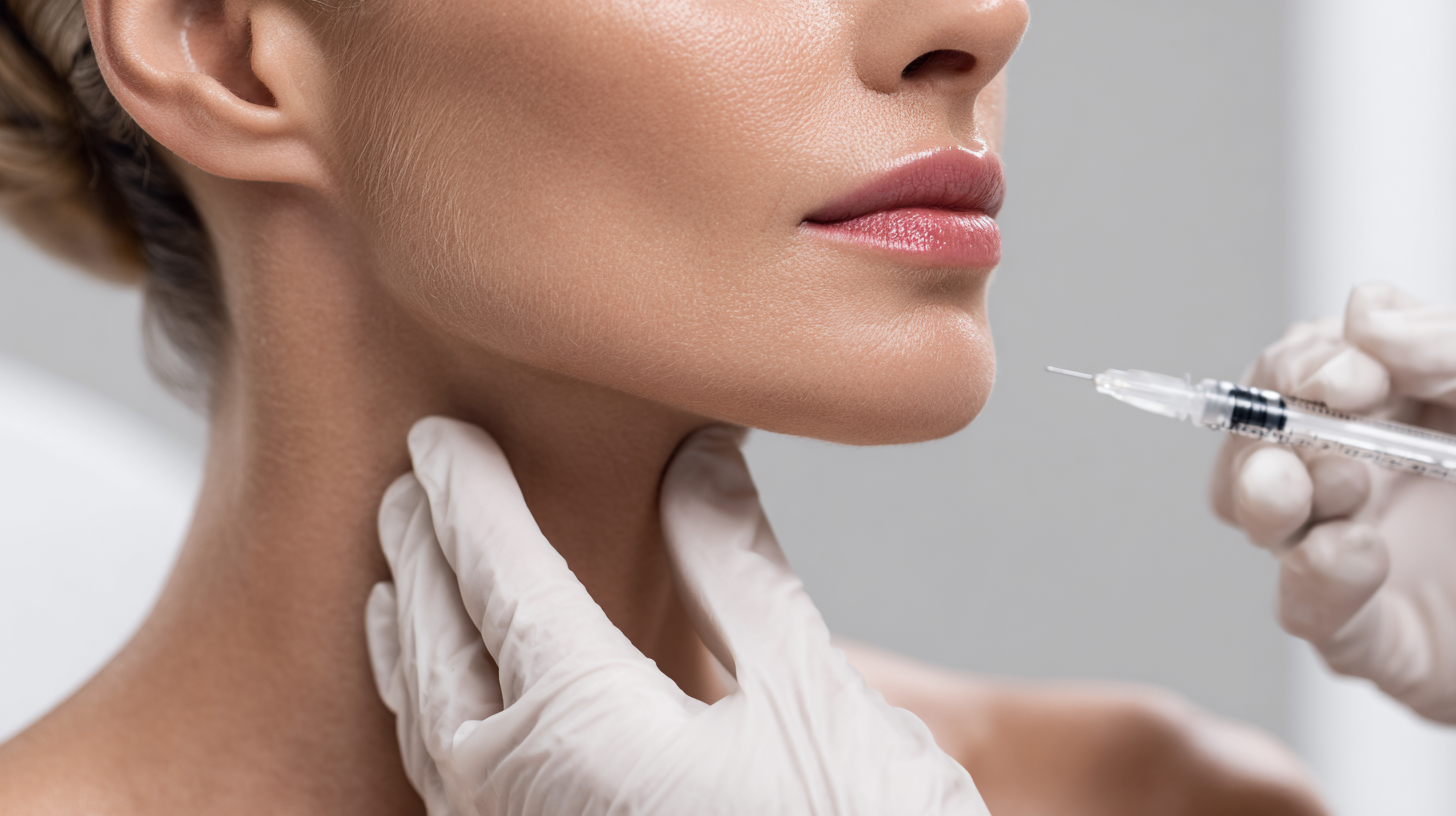

Vitamin C shows up in serums, supplements, and now IV drips, and the delivery method changes what the vitamin can actually do. IV vitamin C therapy benefits skin in ways that oral vitamin C, no matter the dose, cannot replicate because of a basic limitation in how the digestive system absorbs this nutrient.
Understanding that limitation explains why intravenous administration, delivered directly into the bloodstream, has become a distinct category of skin-focused wellness treatment rather than a simple substitute for a supplement bottle.
This post explains the pharmacokinetics, or how a substance moves through and is processed by the body, behind IV vitamin C, what it does at the skin level, and who tends to benefit from it as part of a broader treatment plan.
Oral Vitamin C Absorption and Its Limitations
Vitamin C is water-soluble, and the intestine regulates how much of it enters the bloodstream through active transport proteins called sodium-dependent vitamin C transporters. These transporters become saturated at relatively low doses. Research on oral vitamin C absorption has shown that plasma concentration plateaus once intake exceeds roughly 1 gram, regardless of how much more is swallowed.
Above that threshold, the body simply excretes the excess through urine rather than absorbing it. This creates a hard ceiling on oral supplementation. Patients can take megadose vitamin C tablets for years and never move plasma levels meaningfully past what a moderate, consistent daily intake already achieves.
Intravenous delivery bypasses the intestinal transporters entirely. Because the vitamin enters the bloodstream directly, plasma concentrations documented in clinical research can reach levels 25 to 100 times higher than what oral intake produces, depending on the dose administered.
That gap, not the vitamin itself, is the clinical rationale for IV vitamin C administration.

How High-Dose IV Vitamin C Supports Skin Health
Skin is one of the tissues most responsive to elevated vitamin C levels, largely because of the vitamin’s role in two processes: collagen synthesis and antioxidant defense.
Vitamin C and Collagen Production
Vitamin C is a required cofactor for two enzymes, prolyl hydroxylase and lysyl hydroxylase, that stabilize the collagen molecule during synthesis. Without adequate vitamin C, the body cannot produce structurally sound collagen, the structural protein that gives skin its firmness and elasticity.
Elevated plasma levels give fibroblasts, the cells that manufacture collagen, more available cofactor to work with during the synthesis process.
This mechanism is one reason IV vitamin C is often paired with treatments already built around collagen support, where the goal is to give the body’s own repair processes more raw material rather than prompt a single, isolated reaction.
Antioxidant Support and Free Radical Defense
Ultraviolet exposure, pollution, and normal metabolic activity generate free radicals in skin tissue, unstable molecules that damage collagen, elastin, and DNA over time.
Vitamin C is one of the body’s primary water-soluble antioxidants, neutralizing free radicals before they can cause cumulative damage.
Las Vegas’s sun exposure and desert air place skin under sustained oxidative stress for much of the year, which is part of why clients pursuing treatments related to sun damage repair often look at antioxidant support as a complementary part of a broader plan.
Higher circulating vitamin C levels mean more antioxidant capacity is available at the tissue level during that recovery window.
Skin Tone and Pigmentation Support
Vitamin C also inhibits tyrosinase, an enzyme involved in melanin production. Elevated plasma levels may help support a more even skin tone over time, although this effect works gradually and depends heavily on the individual’s baseline pigmentation patterns and sun exposure habits.
It is not a substitute for topical brightening agents or sun protection. It functions as one supporting input among several.
IV Vitamin C as Part of a Broader Skin and Wellness Plan
IV vitamin C rarely functions as a stand-alone skin treatment. It works best as one component of a wellness plan that also addresses hydration, sun protection, and any active dermatological treatments already underway.
Many clients pair IV vitamin C sessions with the hydration benefits of IV therapy, since adequate fluid balance supports nutrient distribution throughout tissue.
Others use it alongside skin rejuvenation modalities like the Phoenix Thera-Lase cold laser, which supports cellular repair through a different mechanism: low-level light stimulation rather than nutrient delivery.
A licensed provider evaluates each client’s health history, current medications, and skin goals before recommending a dose or frequency for IV vitamin C.
This evaluation matters because high-dose IV vitamin C is contraindicated for people with certain kidney conditions, glucose-6-phosphate dehydrogenase deficiency, or G6PD deficiency, and a history of kidney stones. Pretreatment screening is therefore a standard part of the process rather than an optional formality.

What to Expect During an IV Vitamin C Session
An IV vitamin C session at Blue Point Medical Spa is administered by or under the supervision of licensed providers in a monitored clinical setting.
The process starts with a brief intake to confirm eligibility, followed by placement of an IV line and infusion of the vitamin C solution, typically combined with other nutrients depending on the client’s treatment plan.
Sessions generally run 30 to 45 minutes, during which clients can sit comfortably. Most describe the experience as low effort compared with other in-office treatments.
Mild, temporary effects like a cooling sensation at the injection site or a metallic taste during infusion are common and resolve shortly after the session ends.
Because skin-level changes from any nutrient-based therapy build gradually through cumulative cellular processes, IV vitamin C is typically recommended as part of a treatment series rather than a single visit.
Individual results vary based on anatomy, skin condition, lifestyle, and treatment plan. Providers will discuss realistic expectations and a recommended frequency during the consultation.
Candidates Who May Benefit From IV Vitamin C
Clients considering IV vitamin C generally fall into a few overlapping groups: those already investing in skin health through professional treatments who want to support results from the inside, those managing the high sun exposure common to the Las Vegas climate, and those using IV wellness therapy as part of a broader health routine that includes skin support among several potential benefits.
IV vitamin C is not positioned as a replacement for topical skincare, sun protection, or in-office procedures. Rather, it complements those existing efforts by addressing the nutrient-delivery gap that oral supplementation cannot close.
Clients already receiving injectable treatments sometimes ask whether IV vitamin C interacts with procedures like neuromodulators or dermal fillers. It does not interfere with either because the mechanisms are unrelated. Injectables work locally on muscle activity or tissue volume, while IV vitamin C works systemically through the bloodstream.
Clients interested in how those treatments compare and complement each other may find it useful to review the difference between Botox and dermal fillers as a starting point, since many treatment plans combine multiple modalities rather than relying on one approach alone.

FAQ
Is IV vitamin C better than oral vitamin C for skin health?
IV vitamin C can create much higher plasma concentrations because it bypasses the digestive system and enters the bloodstream directly. Oral vitamin C remains useful for routine nutrition, but intestinal transporters limit how much the body can absorb at one time. Whether IV administration is appropriate depends on the client’s health history, skin goals, and overall treatment plan.
How many IV vitamin C sessions are needed for skin benefits?
There is no universal number of sessions. Because nutrient-based skin changes develop through gradual cellular processes, providers often recommend a series rather than a single treatment. The appropriate frequency depends on health history, skin condition, lifestyle, dosage, and the other treatments included in the plan. Individual results vary.
Who should avoid high-dose IV vitamin C?
High-dose IV vitamin C may not be appropriate for people with certain kidney conditions, a history of kidney stones, or G6PD deficiency. A licensed provider should review medical history, medications, and relevant risk factors before treatment. Pretreatment screening is essential for determining whether IV vitamin C can be administered safely.
Conclusion
The right frequency and dosage for IV vitamin C therapy depend on individual health history, current skin goals, and any other treatments already included in a client’s plan. Although intravenous administration can produce plasma concentrations that oral supplements cannot achieve, higher levels do not guarantee a specific cosmetic result.
IV vitamin C is most appropriately viewed as one part of a broader skin and wellness strategy that may also include hydration, daily sun protection, topical skincare, professional treatments, and ongoing evaluation by a licensed provider.
A consultation can help determine whether IV vitamin C is appropriate, identify potential contraindications, and establish realistic expectations. It may also be paired with a professional skin analysis to create a clear baseline before treatment begins.
Schedule a consultation with Blue Point Medical Spa to discuss whether IV vitamin C therapy fits your skin health goals, medical history, and broader treatment plan.