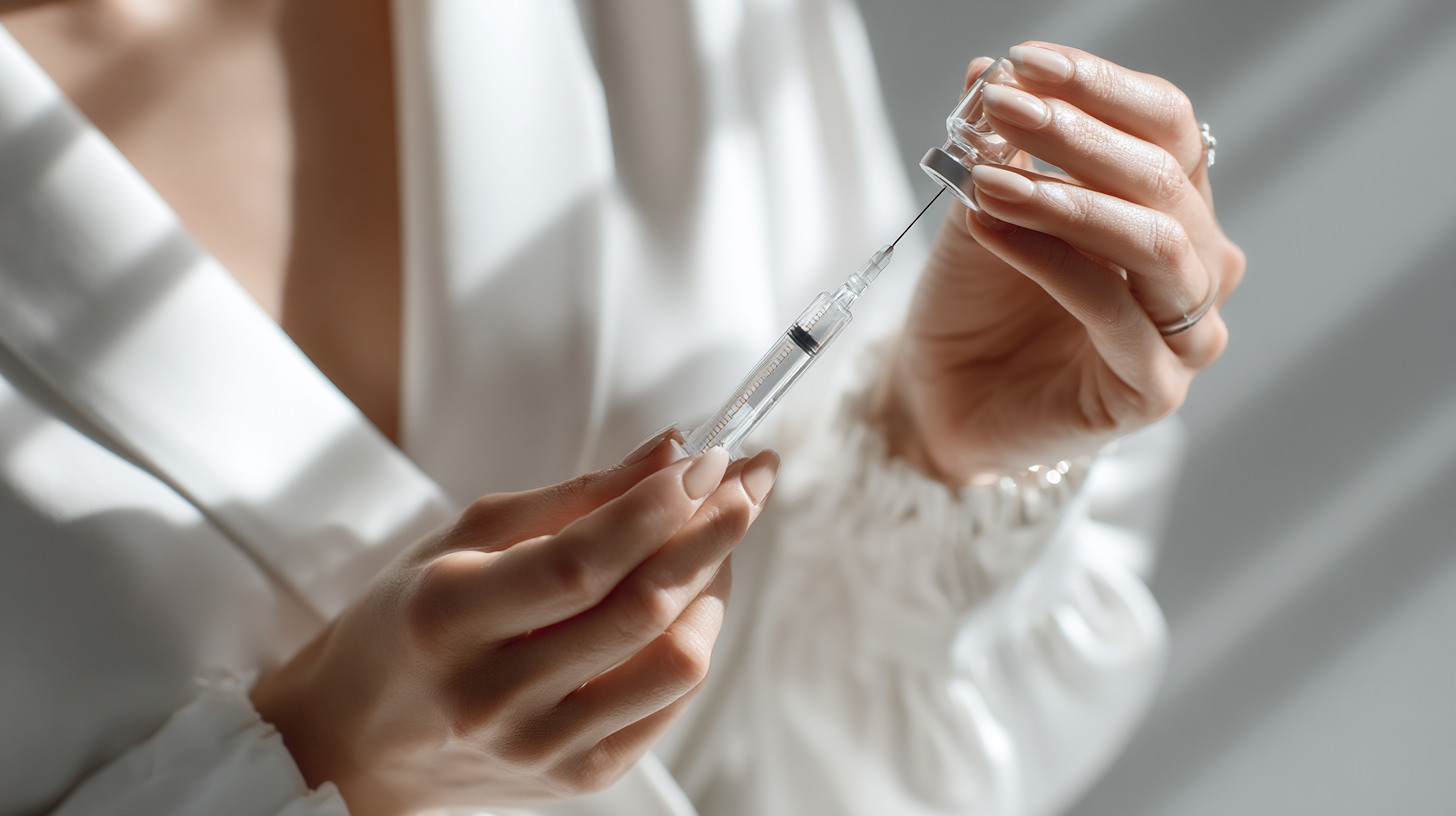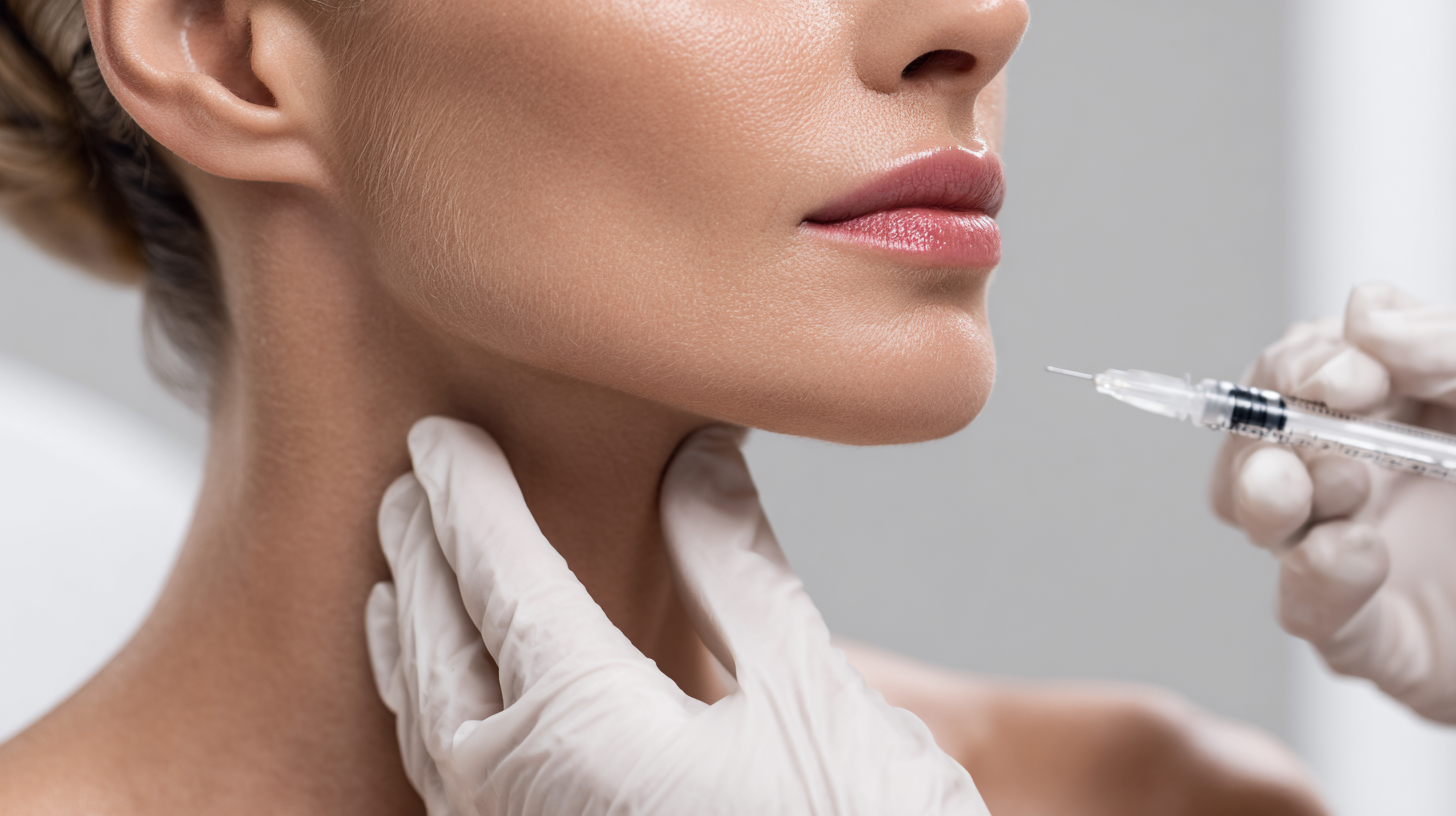
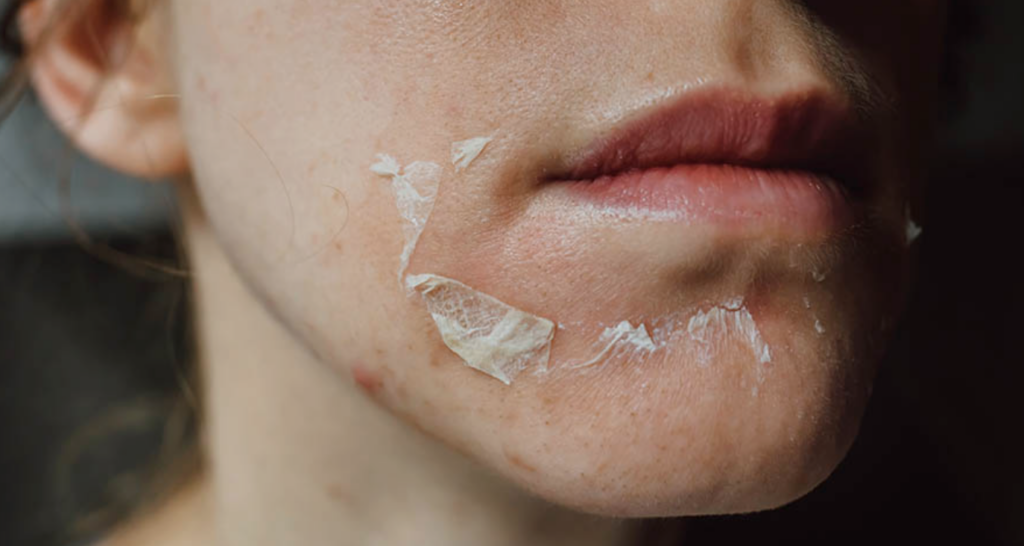
Skin treatments are often chosen to improve tone, texture, clarity, or overall radiance, but recovery is part of the result. Whether someone undergoes a chemical peel, laser treatment, or another resurfacing service, the skin still moves through a healing process that depends on timing, aftercare, and individual health. BluePoint Medical Spa patients often want to know not only what a treatment does, but what may slow recovery afterward.
That question matters because delayed healing does not always mean something has gone wrong. Sometimes the issue is simply that the skin barrier is stressed, the inflammatory phase lasts longer than expected, or the body needs more support to repair tissue after a controlled cosmetic injury. In aesthetic medicine, realistic expectations and careful follow-up matter as much as the treatment itself.
Why does skin sometimes heal slowly after cosmetic treatment?
Most aesthetic procedures create a measured response in the skin so the body can renew the treated area. That response may involve mild bleeding, redness, peeling, heat, or swelling depending on the treatment and depth. Early recovery depends on blood flow, immune signaling, and the skin’s ability to rebuild the surface while protecting the wound site from irritation and infection.
When recovery slows, the reason is usually not one single event. Various factors may affect wound healing, including poor nutrition, smoking, uncontrolled diabetes, harsh products, excessive sun exposure, or medications that influence inflammation. These are the kinds of systemic factors and local stressors that may delay wound healing even when the procedure itself was appropriate.
How the healing process works in treated skin
After treatment, the body enters the inflammatory phase, when white blood cells and other cells move into the area to clear debris and help prevent infection. This is followed by tissue rebuilding, collagen remodeling, and gradual barrier recovery. In simple terms, wound healing depends on the body’s ability to coordinate inflammation, rebuild damaged tissue, and restore function without excess stress.
That is why blood vessels, blood cells, and oxygen delivery matter. Skin that cannot receive enough oxygen and nutrients may heal more slowly, especially if there is poor circulation, poor blood supply, or swelling that limits healthy exchange at the treatment area. Even in cosmetic settings, the same biologic principles behind general wound care still apply.
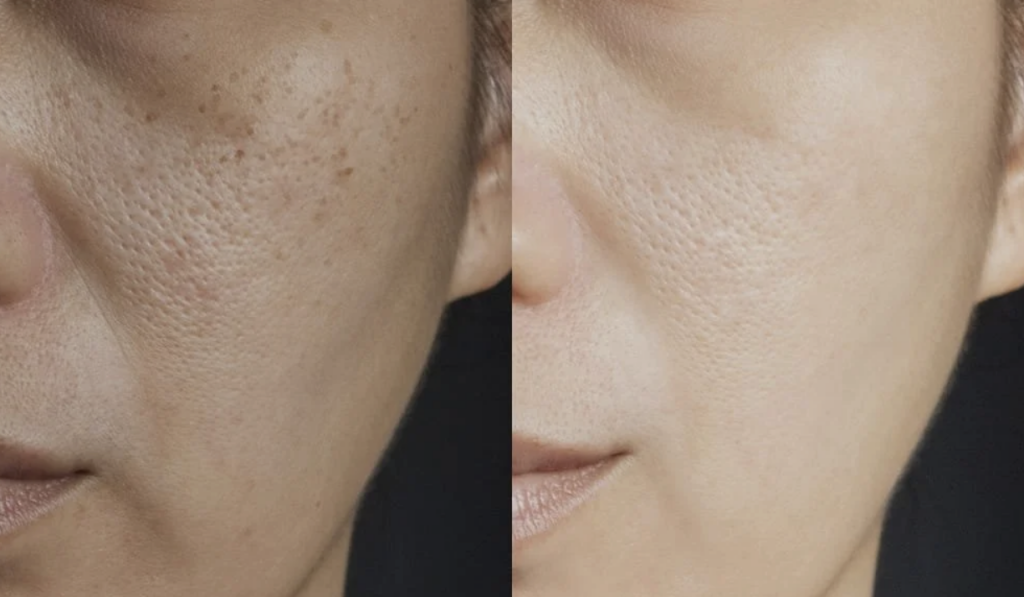
Which health issues can affect wound healing after skin procedures?
A patient’s overall health has a direct effect on recovery. Conditions such as diabetes, obesity, vascular disease, immune dysfunction, or a history of poor healing may reduce the body’s ability to deliver oxygen efficiently and rebuild tissue after an injury. These are important risk factors for impaired wound healing, even after elective procedures.
Nutrition also matters more than many patients realize. Good nutrition, enough protein, hydration, and adequate micronutrients support collagen formation, immune function, and tissue turnover. Research consistently shows that nutrition affect wound healing, and poor nutrition may contribute to slower closure, irritation, or less predictable cosmetic recovery.
Can poor circulation and blood supply change aesthetic recovery?
Yes. Healthy recovery depends on blood supply reaching the treated area so the body can move nutrients, oxygen, and immune cells where they are needed. When poor circulation limits local support, the wound bed may stay irritated longer and visible recovery can take more time.
This issue is especially relevant in patients who smoke, have diabetes, or already know they have vascular concerns. Reduced circulation may not be obvious from the outside, but it can lead to prolonged redness, uneven peeling, or a greater chance that the skin feels fragile during early recovery. That is one reason a detailed consultation and honest history are important before treatment.
What local factors at the wound site may delay healing?
Sometimes the main issue is not systemic health but what happens directly at the wound site. Friction, picking, over-exfoliation, early workouts that create heat and pressure, or applying active ingredients too soon may increase inflammation and disrupt the barrier. When that happens, the skin can become more reactive and recovery may stall.
In more serious wound settings, problems such as dead tissue, heavy contamination, or an infected surface can interfere with closure. Cosmetic patients are usually not dealing with chronic wounds, venous ulcers, or pressure ulcers, but the lesson is still useful: clean aftercare, gentle products, and close attention to warning signs matter because local irritation can compound other factors that delay wound recovery.
Which lifestyle factors can slow skin healing?
Several lifestyle factors may make a noticeable difference. Smoking reduces oxygen delivery, alcohol excess can impair tissue repair, poor sleep may alter immune response, and intense sun exposure can worsen post-treatment inflammation. In short, daily habits may either support the healing process or make the skin work harder to recover.
Patients sometimes focus only on the procedure and forget the recovery environment. But skin healing is influenced by what happens before and after the appointment, including how consistently someone follows instructions, protects the area, and avoids products or routines that stress newly treated skin.
What treatment-related issues should patients understand?
Not every delay is caused by the patient. The intensity of the procedure, how much tissue damage was intentionally created, the location being treated, and how aggressively multiple services are combined may all affect downtime. A stronger resurfacing session may offer more visible change, but it can also require more careful recovery planning.
Some people also ask about advanced wound-support strategies such as negative pressure wound therapy or support from physical therapists. Those approaches are used in broader medical wound management, not as routine med spa aftercare, but they highlight an important idea: when healing is not progressing normally, evaluation by a qualified healthcare provider matters more than guessing at home.
When should patients contact a healthcare provider?
Patients should reach out if redness is worsening instead of improving, drainage develops, pain sharply increases, or the skin appears unusually warm, swollen, or persistently irritated. Those signs may suggest infection or another complication that deserves review. A proper physical exam helps distinguish normal recovery from a problem that needs medical attention.
This is especially important for patients with cancer history, active inflammatory skin disease, recent radiation therapy, or medications that affect immune response. Treatments remain elective and personalized, so safety should always guide the decision to continue, pause, or modify care.
How long does normal skin recovery take after a treatment?
Recovery depends on the procedure, treatment depth, and your skin’s baseline condition. Mild services may calm within days, while stronger resurfacing can take longer.
Can diabetes affect healing after cosmetic skin treatments?
Yes. Diabetes may slow recovery by affecting circulation, inflammation, and infection risk. Patients with diabetes should discuss skin history and glucose control during consultation.
Does nutrition really matter for post-treatment healing?
Yes. Protein, hydration, and overall nutritional status support the body’s repair response. Poor nutrition may contribute to slower healing and less predictable recovery.
When should I worry that healing is taking too long?
If redness worsens, drainage appears, pain increases, or the area seems unusually inflamed, contact a qualified provider. Those changes may need prompt evaluation rather than more at-home products.
Conclusion
Skin recovery after aesthetic treatment is shaped by biology, aftercare, and personal health. Other factors such as circulation, nutrition, inflammation, medications, sun exposure, and underlying conditions may all affect how the skin responds. Understanding what factors can slow down skin recovery after treatments helps patients set realistic expectations and choose safer timing, products, and follow-up.
BluePoint Medical Spa approaches these treatments as individualized care, not one-size-fits-all beauty advice. If your skin has healed slowly in the past, if you have health concerns like diabetes or poor circulation, or if you want a more thoughtful plan before your next procedure, schedule a consultation with BluePoint Medical Spa to review the safest next steps for your skin goals.