Choosing between CO2 and erbium laser resurfacing, a side-by-side comparison for anti-aging goals usually starts with one practical concern: how much change a patient wants, how visible the signs of aging are, and how much recovery time fits real life. At BluePoint Medical Spa, this conversation is rarely about trends alone. It is about matching treatment intensity, safety considerations, and skin priorities with a plan that feels appropriate, realistic, and professionally guided.
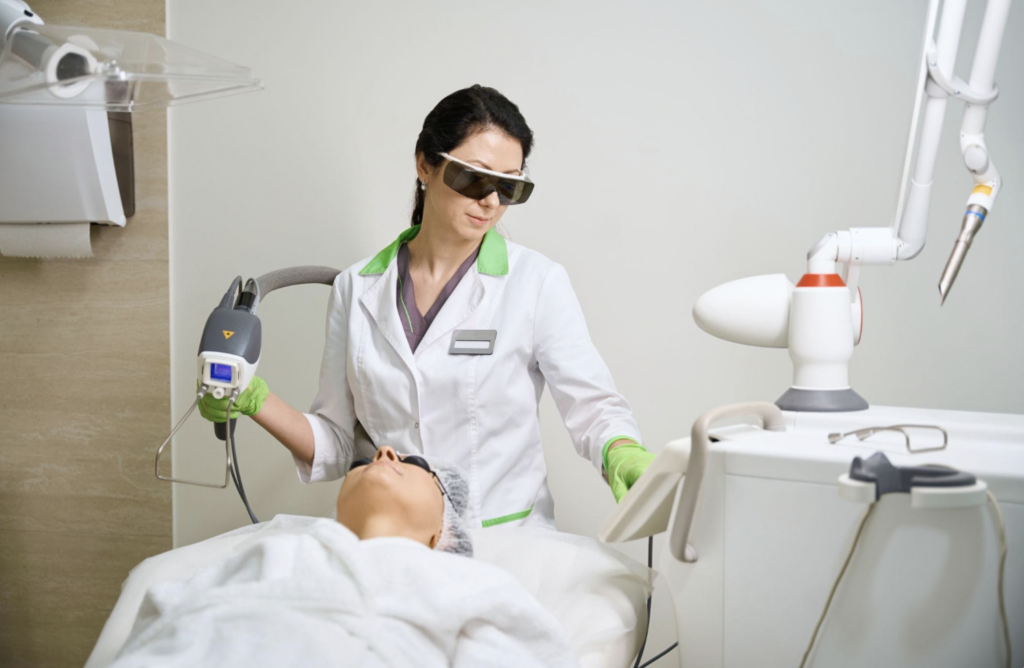
Both laser resurfacing approaches are forms of skin resurfacing that use focused light energy to remove damaged surface layers and trigger repair beneath the surface. In aesthetic medicine, they are commonly chosen to address wrinkles, uneven tone, sun damage, rough skin texture, and selected types of acne scars. Ablative lasers work by creating controlled ablation in the skin, which encourages renewal and supports collagen production over time.
A comparison matters because not every patient wants the same level of change. Some want a refined improvement in skin quality, smoother tone, and a fresher appearance with minimal downtime. Others are more concerned about deep wrinkles, etched lines, deep scars, or more advanced photoaging and are willing to accept longer downtime for potentially more visible change. That difference often shapes whether a CO2 laser or an erbium laser becomes the better fit.
Signs of Aging and Skin Concerns That Shape Treatment Choice
Most patients seeking a skin resurfacing treatment are trying to improve more than one issue at once. Fine lines can exist alongside sun-related discoloration, acne-related textural changes, enlarged pores, and a dull surface that does not reflect light evenly. In a cosmetic consultation, the goal is to separate mild concerns from moderate or advanced changes, because lasers are not interchangeable in how they treat different depths of damage.
When skin concerns are more superficial, such as early lines, mild roughness, uneven brightness, or moderate textural change, erbium resurfacing often enters the discussion. When lines are more deeply etched, or when there is more visible damaged skin and a stronger interest in a larger resurfacing effect, CO2 laser resurfacing may be considered. In both cases, the provider is assessing the treatment area, the patient’s healing history, and how much improvement is reasonable to pursue in a single session.
This is also where patient expectations matter. Some individuals are not looking for the most dramatic transformation, even if they technically qualify for a more intensive treatment. Others are comfortable with peeling, redness, and a longer social recovery if it means a greater chance of reducing wrinkles and improving a smoother texture. A well-designed treatment plan respects both goals without overstating what any laser can deliver.
How CO2 and Erbium Lasers Work in the Skin
A CO2 laser emits energy that is strongly absorbed by water in tissue, allowing it to vaporize damaged tissue while also generating more residual heat. That heat contributes to collagen remodeling and can support tightening effects, particularly when treating more advanced textural aging. Because it reaches deeper layers with greater thermal impact, it is often selected for more severe lines, certain scar patterns, and patients pursuing more dramatic results.
An erbium laser, including the erbium YAG laser or erbium YAG platform, is also absorbed by water, but it creates more precise ablation with minimal heat compared with traditional CO2 systems. That difference can mean less thermal injury to surrounding tissue, which often translates into faster healing, less swelling, and a shorter visible recovery. For patients focused on superficial to moderate wrinkles, refined texture, and controlled resurfacing, the fractional erbium laser can be an appealing option.
In practical terms, both lasers work by removing targeted portions of the skin and stimulating wound repair. The visible goal is to resurface skin so the treated area heals with smoother skin, better texture, and a more refreshed look. The biologic goal is to stimulate collagen production over time. What differs is the balance between depth, heat, recovery, and risk profile.
Skin Tone, Fitzpatrick Type, and Risk Assessment in Laser Planning
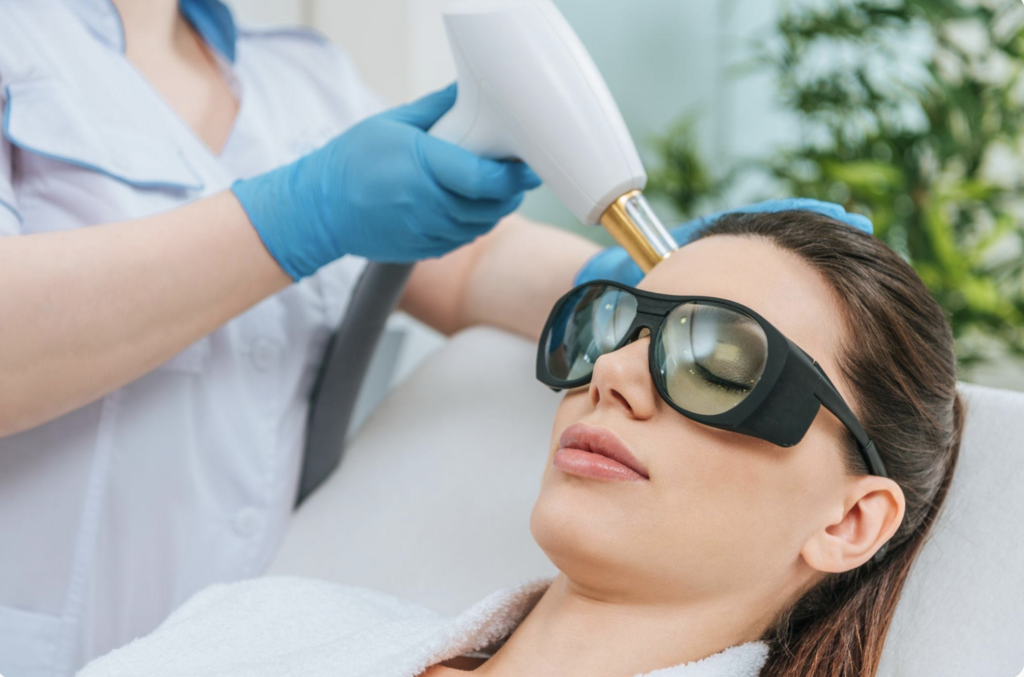
Not every laser is equally suitable across all skin types and skin tones. Patients with more melanin may face a greater chance of pigment changes after ablative resurfacing, especially if settings are too aggressive or if aftercare is inconsistent. This is why a consultation includes discussion of tanning behavior, prior reactions to procedures, and recent sun exposure—not just cosmetic goals.
For darker skin tones, darker skin types, and melanin-rich skin, the concern is often post-inflammatory hyperpigmentation or prolonged discoloration after treatment. Can darker skin tones be treated with ablative lasers? Sometimes, yes, but the answer depends on careful device selection, conservative parameters, and experienced oversight. Published guidance notes a higher risk of pigment changes in darker Fitzpatrick types, and Er:YAG is often preferred over CO2 when dyspigmentation risk is a major concern.
Even so, “safer” does not mean risk-free. Patients with sensitive skin, a history of pigment shifts, recent tanning, melasma tendency, or inflammatory breakouts still need individualized planning. In some cases, a provider may recommend a less aggressive approach, staged sessions, or a different modality altogether. For patients with Fitzpatrick Ior other lighter skin categories, more aggressive resurfacing may be easier to tolerate from a pigment-risk standpoint, but safety decisions are still based on the full clinical picture rather than complexion alone.
Recovery Time, Downtime Tolerance, and Daily Life Considerations
Recovery is often the deciding factor. After ablative laser treatments, the skin may feel warm, tight, swollen, and irritated, with redness and peeling that can resemble a significant sunburn. General recovery guidance from plastic surgery and dermatology sources notes that treated skin commonly becomes dry and peels within about five days to one week, while redness can last longer depending on treatment intensity.
With CO2 resurfacing, patients usually need to be prepared for longer downtime, more post-procedure discomfort, and a greater chance of prolonged redness. That does not make it the wrong choice. It means it is better suited to patients whose downtime tolerance matches the intensity of treatment. If the goal is correction of moderate wrinkles, deeper lines, or notable textural damage, the extra recovery may feel worthwhile.
With erbium laser recovery, visible healing is often quicker. Re-epithelialization tends to occur faster, and there is generally less downtime, less swelling, and faster recovery compared with traditional CO2 resurfacing. For many patients with mild to moderate aging changes, that balance of improvement and recovery makes erbium especially attractive. In plain terms, the skin heals faster, and patients often feel more comfortable returning to normal routines sooner.
Treatment Options for Different Anti-Aging Priorities
Patients with early signs of aging, mild photodamage, or moderate concerns about roughness and uneven tone are often looking for a refreshed appearance rather than a dramatic reset. In those cases, erbium laser resurfacing may support visible skin rejuvenation with a lower risk profile for some patients and a more manageable social recovery. This option is often chosen when the objective is refinement, not maximal intensity.
Patients with deeper etched lines, more advanced photoaging, or certain skin conditions involving texture and scar change may benefit more from CO2 laser resurfacing because of its stronger thermal effect and deeper penetration. When the skin needs more than polishing—when it needs meaningful remodeling in the dermis—the added intensity can be useful. This is often where discussions about the best laser become misleading, because the better treatment is the one that matches the actual problem and the patient’s recovery priorities.
Fractional approaches add another layer of customization. By treating columns of tissue while leaving untreated bridges of surrounding tissue, fractional technology can support healing and make aggressive resurfacing more tolerable. For some patients, that means access to more visible correction with a somewhat more practical recovery.
FAQ
CO2 Resurfacing Often Fits Patients Seeking Stronger Correction
CO2 resurfacing is commonly chosen for more advanced lines, textural damage, and selected scars because it combines ablation with more heat-related collagen remodeling. The tradeoff is typically more redness, swelling, and longer recovery.
Erbium Resurfacing Commonly Appeals to Patients Prioritizing Faster Healing
Erbium resurfacing is often selected for superficial to moderate wrinkles, texture refinement, and patients who want less downtime. It generally produces less thermal injury than CO2, which can support a quicker visible recovery.
Darker Skin Tones Require More Careful Laser Planning
Patients with darker skin tones can sometimes be treated, but pigment-related complications require thoughtful evaluation and conservative settings. Er:YAG may be preferred over CO2 in higher-risk cases, though suitability depends on the individual.
Recovery Expectations Depend on Treatment Depth and Skin Response
Most patients should expect redness, swelling, and peeling after ablative resurfacing. CO2 usually involves a longer visible recovery, while erbium often allows an earlier return to routine activities.
Conclusion
The appeal of laser resurfacing is that it can improve texture, support collagen stimulation, and soften visible aging in a way that feels more structural than surface-only care. Many patients seek it because they want effective treatments that address roughness, fine lines, and uneven quality at the same time. Still, even strong candidates need a balanced view. Cosmetic resurfacing is elective, and its benefits should always be weighed against healing demands, pigment risks, and the possibility of needing more than one session.
CO2 tends to appeal to those pursuing the most dramatic transformation, especially for more advanced deep wrinkles or pronounced scarring. Erbium tends to appeal to those who want quicker healing, minimal downtime, and improvement in milder to moderate concerns. Both can contribute to smoother texture, improved tone, and a fresher appearance, but they do so along different recovery and risk curves.
At BluePoint Medical Spa, the more useful question is not which device is stronger in the abstract. It is the resurfacing approach that respects the patient’s skin history, schedule, and goals. Sun protection before and after treatment is part of that decision, because ultraviolet exposure can worsen inflammation and pigment problems during healing. Individual results vary, ablative treatments carry potential risks and contraindications, and consultation with a licensed provider is required before proceeding.
If you are comparing CO2 and erbium resurfacing for aging concerns, a thorough consultation can clarify whether your priorities call for greater intensity, faster recovery, or a more conservative plan. Contact BluePoint Medical Spa for the next steps and a personalized aesthetic assessment.