Persistent discoloration, shadowed patches, and a dulled skin tone can feel discouraging, especially when at-home products fail to bring balance back to the complexion. For many patients exploring modern aesthetic care, understanding the laser options commonly used to address stubborn hyperpigmentation brings welcome clarity. BluePoint Medical Spa approaches these concerns with an evidence-informed, patient-first philosophy.
This guide outlines how laser treatments interact with pigmented skin, what treatment options may suit various skin concerns, and how to prepare for a professional assessment. Each section reflects the understanding that every complexion responds differently.
Understanding Why Stubborn Pigmentation Persists
Pigmentation develops when the skin produces excess melanin—the natural pigment within specialized skin cells—in response to inflammation, hormonal changes, or cumulative sun damage. Over time, this excess production can create visible dark spots, brown spots, or age spots that resist fading with basic routines alone.
Stubborn pigmentation often stems from post-inflammatory hyperpigmentation following breakouts, acne scars, or minor trauma. Prolonged sun exposure and certain medications can further unsettle overall skin tone, and recognizing early signs supports better-informed planning.
Common Patient Concerns about Uneven Skin Tone
Patients seeking help for uneven skin tone often describe frustration with stubborn patches that dull skin’s appearance despite diligent care. Sun spots, stubborn dark spots, and a generally uneven tone can influence how comfortable a person feels within their complexion.
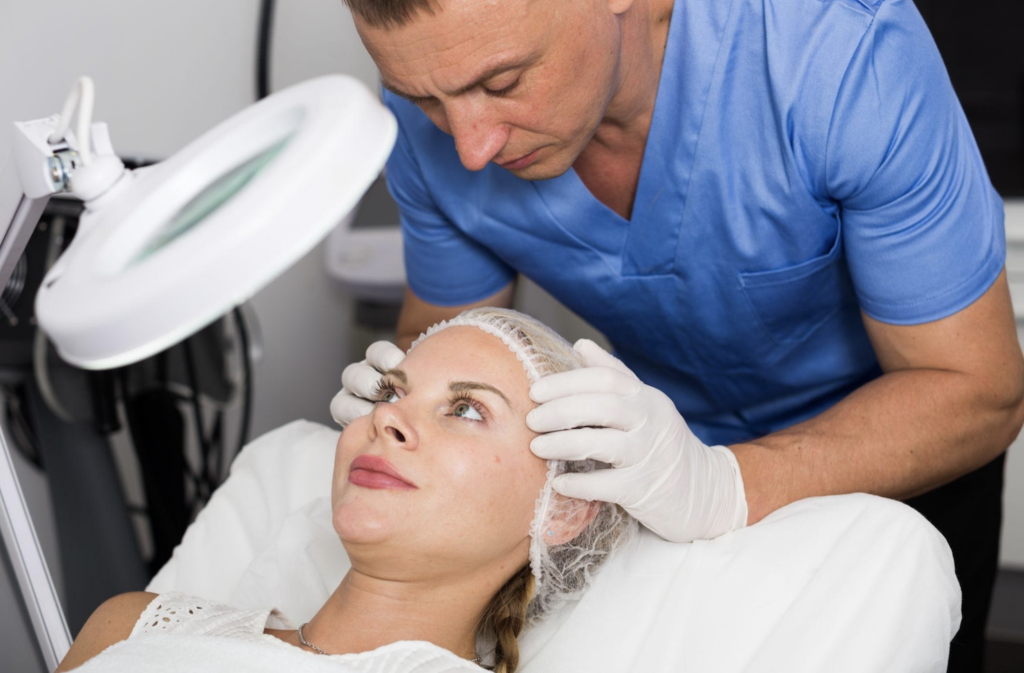
At BluePoint Medical Spa, consultations focus on listening before recommending. Reviewing medical history, lifestyle factors, and previous topical treatments allows providers to shape a personalized treatment plan that respects each unique skin type.
How Pigmentation Forms within the Skin
Melanin helps protect the skin from ultraviolet exposure. When triggers such as sun exposure, hormones, or inflammation prompt excess activity, the pigment responsible for color can cluster unevenly, creating visible pigmentation issues.
These clusters may settle near the upper skin or in deeper layers, which explains why some spots respond quickly while others require more focused care. Understanding where pigment sits helps providers choose the most appropriate path to address pigmentation.
The Medical Context behind Modern Laser Therapy
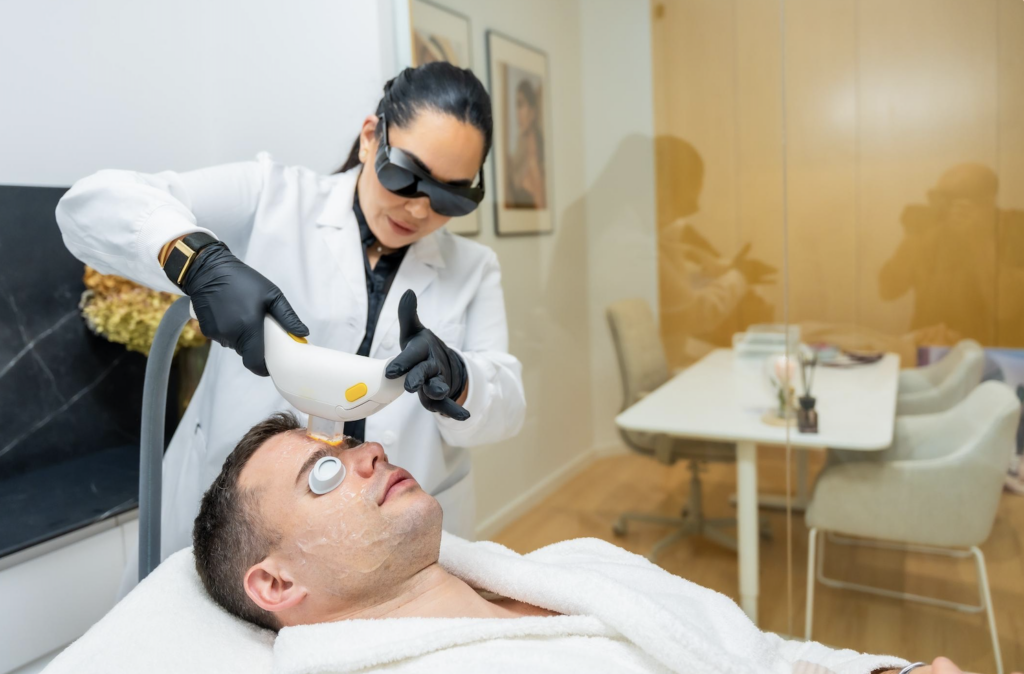
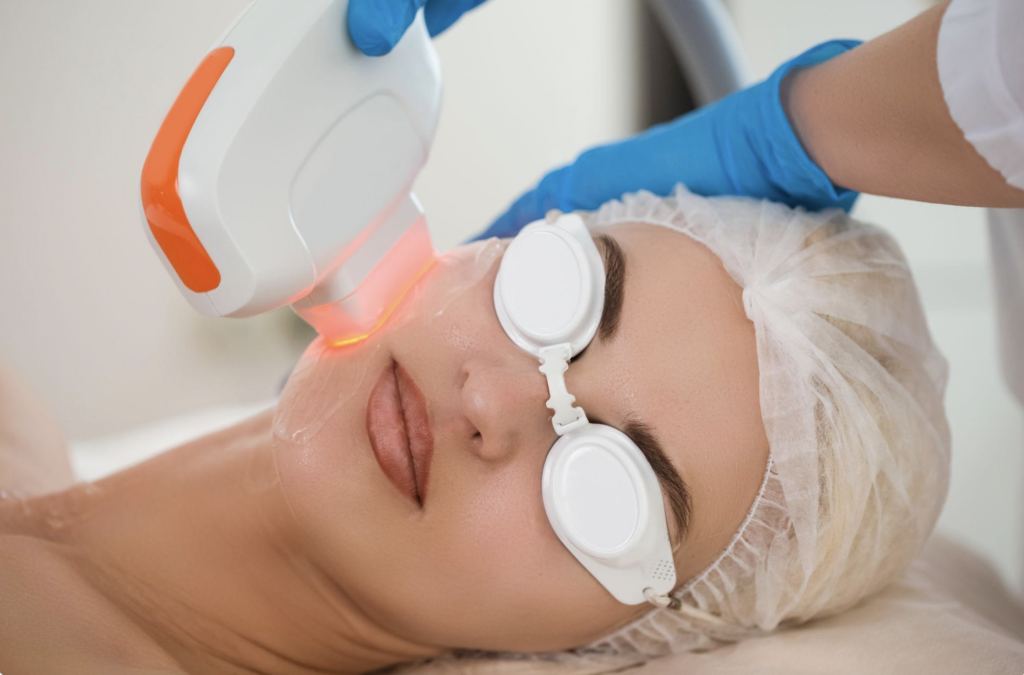
Modern laser therapy uses focused light energy to interact with excess pigment beneath the surface. Different wavelengths reach different depths, so multiple wavelengths can be matched to distinct pigmentation patterns. This precise targeting supports controlled outcomes while respecting surrounding tissue.
Advanced technology allows providers to adjust energy, pulse duration, and focus depending on the treated area and individual skin color. This customization is central to thoughtful skin rejuvenation that honors surrounding skin cells while fragmenting unwanted pigment.
Laser Options Commonly Used to Address Stubborn Hyperpigmentation
Several light-based treatments may be considered for in-office care. Each device behaves differently, so selecting among advanced laser treatments should follow a detailed conversation with a licensed provider. The overview below outlines technologies frequently discussed during consultation.
Fractional Laser Technology for Texture and Tone
A fractional laser delivers tiny columns of energy into the skin while leaving small zones untouched, which supports faster recovery. It improves skin texture and may stimulate collagen production while addressing discoloration within the surrounding skin.
Because the device spares much of the surface, sessions often involve minimal downtime and transient mild redness that typically settles within days. Providers evaluate each candidate before customizing settings to pursue optimal results.
Picosecond Lasers for Precise Pigment Targeting
Picosecond lasers emit ultra-short pulses of light energy designed to break up pigment into particles that the body can gradually clear. Because these pulses are exceptionally brief, they target pigment with accuracy while respecting neighboring tissue.
This method is often chosen for deeper pigmentation, select patterns of sun damage, and cases that have not responded to gentler care. Providers may apply numbing cream for comfort, and most patients describe the experience as tolerable, with only mild discomfort reported.
Intense Pulsed Light for Broader Surface Discoloration
Intense pulsed light is not technically a laser, yet it remains a valuable tool within aesthetic care. It delivers broad-spectrum wavelengths that may reduce the look of pigmentation across larger areas and is often selected for surface-level concerns.
Sessions are usually brief, with attention to minimizing discomfort through cooling and tailored settings. Results develop gradually as the body processes fragmented pigment, and maintenance treatments may be recommended to maintain results over time.
Advanced Laser Treatments for Deeper Pigmentation
Certain advanced laser platforms combine multiple wavelengths or adjustable pulse structures to reach deeper layers of the dermis. These laser treatments require thoughtful evaluation and are often considered when previous chemical peels or topical treatments have not produced noticeable results.
Providers approach these sessions with careful planning, refining energy levels and session intervals based on how the skin responds. This iterative approach supports safer progress for more complex or longstanding concerns.
Benefits and Considerations of Laser Pigmentation Care
Potential benefits may include smoother tone, softer shadows, and a more radiant skin quality. Because certain devices also stimulate collagen, a firmer texture may accompany improvements in collagen production. Outcomes vary based on biology, aftercare, and lifestyle.
Considerations include transient redness, short-term sensitivity, or temporary darkening before clearance. Candidates with darker skin tones may require gentler settings to reduce risk. An evaluation helps confirm whether laser therapy is appropriate.
Preparing for Your Personalized Treatment Plan
A thoughtful plan begins with reviewing skin concerns, goals, and factors that might influence sensitivity. Providers at BluePoint Medical Spa evaluate medical history, recent sun exposure, and prior procedures to help patients achieve optimal results while supporting safety.
During preparation, patients are often asked to avoid sun exposure, pause certain active ingredients, and follow pre-session guidance. Small adjustments before a visit can enhance results and set a calmer foundation for recovery.
Protecting Your Skin after Laser Therapy
Following treatment, gentle cleansing, hydration, and strict sun protection are essential. Broad-spectrum sunscreen, shade, and protective clothing reduce the likelihood of renewed pigmentation, especially for those with a history of post-inflammatory patterns.
Patients are encouraged to continue recommended topical care, attend follow-up visits, and avoid heat exposure in the early days. Consistent proper aftercare supports lasting skin rejuvenation.
Why Professional Guidance Matters in Pigmentation Care
Because pigmentation forms for varied reasons, professional evaluation is central to choosing wisely. Devices, settings, and session frequency must be calibrated for each candidate rather than selected by anecdote alone.
Working with licensed providers supports transparent expectations and honest conversation. A thorough assessment helps outline which among the available treatment options aligns with the patient’s priorities, comfort level, and timeline.
FAQ
How Long Do Laser Treatments Take to Show Noticeable Results
Many patients begin to see gradual improvement within a few weeks, though fuller clearance often requires several sessions. Because outcomes depend on pigment depth and individual biology, your provider will outline realistic timelines during consultation.
Is Laser Therapy Appropriate for Darker Skin Tones
Select devices and settings are often chosen for richer complexions, but suitability depends on individual factors. A thorough professional assessment helps determine whether a gentler device or alternative approach is the safer path forward.
What Aftercare Supports Optimal Results
Daily broad-spectrum sunscreen, gentle moisturizers, and avoiding heat are important first steps. Following personalized provider instructions, limiting sun exposure, and attending follow-up visits support a smoother, more comfortable recovery.
Conclusion
Addressing persistent discoloration is a journey that rewards patience, education, and partnership with licensed providers. The laser treatments discussed here reflect careful engineering and a deeper understanding of how pigment behaves—yet the most important element remains the conversation between patient and provider who shape a thoughtful treatment plan together.
Please note that individual results vary, treatments have potential risks or contraindications, and a consultation with a licensed provider is required before beginning any aesthetic plan. These services are elective and based on personal preference rather than medical necessity, and they are overseen by licensed providers committed to safety and transparency.
If you are exploring ways to support a more even complexion, schedule a consultation with BluePoint Medical Spa to learn which treatment options may align with your goals, lifestyle, and skin type.