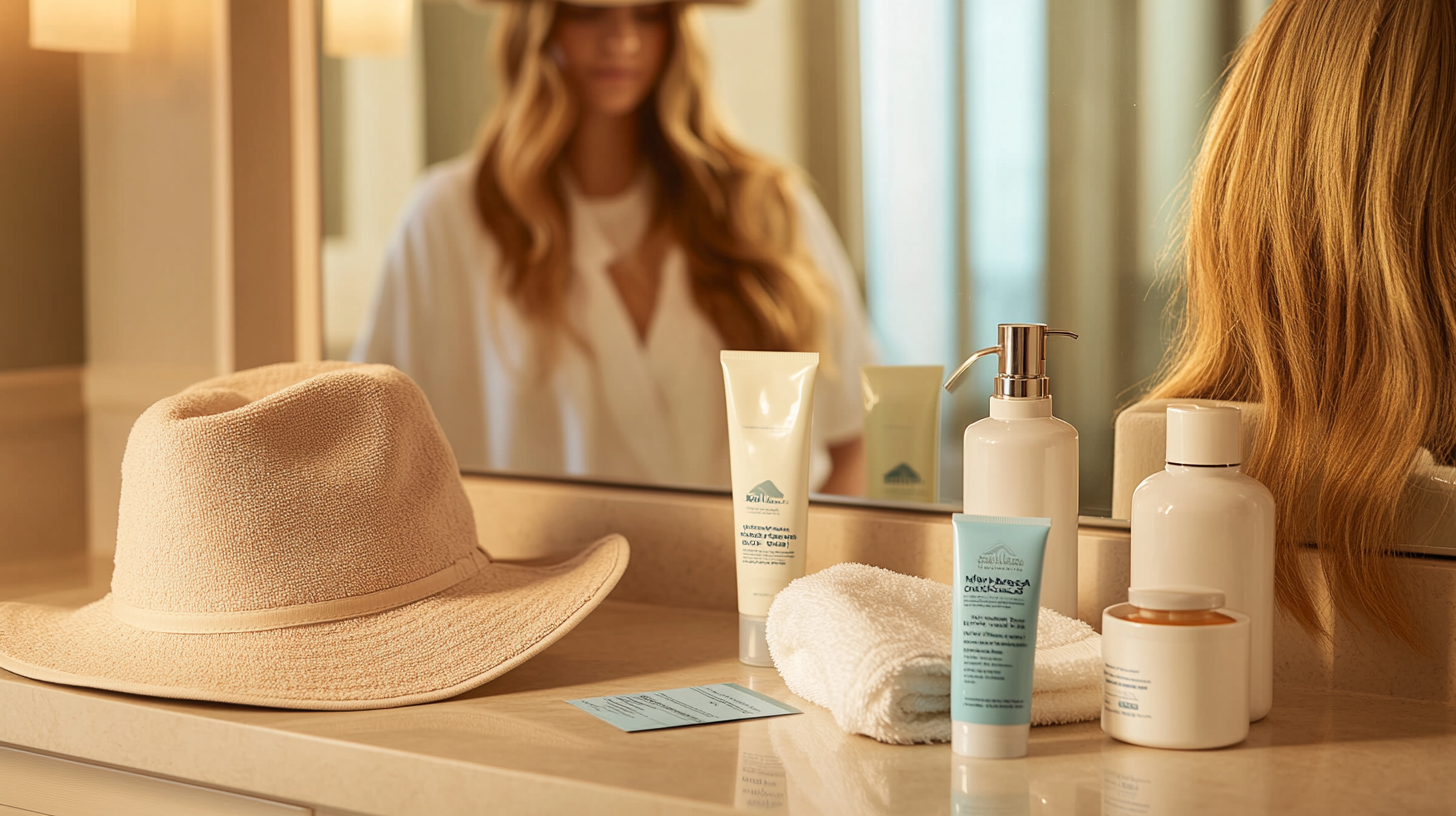

Daily skincare habits influence long term skin quality and appearance because the skin responds to repeated care, not occasional effort. Patients often want healthy skin, smoother skin texture, a more even skin tone, and a healthier appearance, but the foundation is usually built through small decisions made every day.
At BluePoint Medical Spa, skin health is approached with realistic expectations and personalized guidance. Elective aesthetic treatments and professional treatments may support certain skin concerns, but they work best when paired with consistent home care and lifestyle choices.
Patients Notice That Skin Reflects Everyday Choices
Skin reflects sleep, stress, product choices, sun exposure, and overall health. A rushed or inconsistent skincare routine may leave the skin feeling dry, reactive, congested, or dull, especially when combined with environmental exposure.
This is why daily habits matter. Simple, repeated steps often create a stronger foundation than aggressive routines or frequent product switching.
Skin Aging Is Influenced by Routine and Environment
Skin aging is affected by genetics, time, lifestyle, and environmental stressors. Repeated exposure to sun, pollution, poor sleep, and chronic stress may contribute to visible aging and uneven texture.
Dermatologists note that sunscreen is one of the most important tools for reducing premature aging related to unprotected UV exposure. Broad-spectrum, water-resistant sunscreen with SPF 30 or higher is commonly recommended.
Gentle Cleansing Protects the Skin Barrier
Gentle cleansing supports the skin barrier by removing oil, makeup, sweat, and debris without stripping the skin. A gentle cleanser is especially important for sensitive skin, dry skin, or skin recovering from in office treatments.
The American Academy of Dermatology recommends gentle cleansing for dry skin and advises avoiding harsh washing habits that may worsen irritation. This matters because the skin’s protective barrier is easier to disrupt than many patients realize.
The Skin Barrier Needs Daily Support
The skin barrier is the outer protective layer that helps hold moisture in and reduce irritation from outside stressors. When barrier function is weakened, products may sting, redness may increase, and the skin may feel tight or uncomfortable.
Supporting the barrier is critical for maintaining healthy skin. Moisturizer, gentle products, and avoiding over-exfoliation may support daily comfort and reduce the chance of irritation.
Proper Hydration Supports Skin Repair
Proper hydration supports comfort, elasticity, and the look of glowing skin. Hydration does not replace treatment, but it may support the environment needed for skin repair and daily resilience.
When the skin lacks moisture, fine lines, roughness, and dullness may appear more noticeable. A consistent moisturizer may support smoother texture and a more balanced appearance.
Sun Protection Is Essential for Long-Term Skin Health
Sun protection is one of the most important habits for long term skin health. Harmful uv rays may contribute to skin damage, collagen breakdown, uneven tone, and early texture changes.
Using broad spectrum sunscreen daily and wearing protective clothing may reduce avoidable UV-related changes. The AAD states sunscreen may reduce premature skin aging caused by too much unprotected UV exposure.

Ultraviolet Radiation Damages Collagen Over Time
Ultraviolet radiation damages collagen and may contribute to changes in firmness, tone, and texture. Collagen is a structural protein that supports the skin’s firmness and elasticity.
When UV exposure accumulates, the skin’s structure may change gradually. This is one reason preventing overexposure is often more effective than trying to correct damage later.
A Balanced Diet Rich in Nutrients Supports Healthy Skin
A balanced diet rich in whole, nutrient rich foods may support skin cells, repair pathways, and general wellness. A balanced diet does not create perfect skin, but nutrition is part of a broader plan for supporting healthy skin.
Patients often focus only on products, but the human body relies on internal resources, too. Protein, healthy fats, vitamins, minerals, and hydration all contribute to the skin’s maintenance environment.
Quality Sleep Supports Natural Skin Renewal
Quality sleep supports the skin’s natural repair processes and the body’s broader recovery systems. Sleep is when many restorative processes occur, including those connected to skin renewal and stress regulation.
Research has associated chronic poor sleep quality with increased signs of intrinsic aging, reduced barrier function, and lower satisfaction with appearance. This does not mean sleep alone changes every concern, but it is a meaningful part of skin wellness.
Poor Sleep May Affect Skin Appearance
Poor sleep and chronic sleep deprivation may leave the skin looking dull, tired, or more reactive. Sleep loss may also influence stress hormones, hydration balance, and inflammatory patterns.
For patients seeking radiant skin, sleep habits are not cosmetic “extras.” They are part of the foundation that may influence how the skin looks and feels over time.
Chronic Stress May Accelerate Visible Aging
Chronic stress may affect the skin through inflammation, sleep disruption, and lifestyle changes. Stress may also contribute to picking, inconsistent routines, or flare-ups in some skin conditions.
Because stress affects the body broadly, skin care should not be viewed only as product application. A calm, sustainable routine often works better than a demanding regimen that adds pressure.
Healthy Habits Create Better Skincare Consistency
Healthy habits make skincare habits easier to maintain. When cleansing, moisturizing, sunscreen, and treatment products are linked to predictable routines, patients are less likely to skip key steps.
Consistent daily habits may support better tolerance and steadier progress. The skin usually responds more predictably when care is repeated at the right pace.
Poor Habits May Clog Pores and Irritate Skin
Poor habits such as sleeping in makeup, over-washing, skipping sunscreen, or using too many activities may clog pores or irritate the barrier. These habits may worsen dryness, dullness, or breakouts for some patients.
This does not mean a patient needs a perfect routine. It means identifying repeat patterns that affect skin gives patients more control over their skincare decisions.

Vitamin C May Support Brighter-Looking Skin
Vitamin c is commonly used in skincare for antioxidant support and tone-related goals. It may be chosen for dullness, uneven tone, and early signs of environmental stress, depending on the product and patient tolerance.
For sensitive skin, vitamin C should be introduced carefully. Strong formulas or frequent use may cause irritation in some patients, so professional direction matters.
Collagen Production Depends on Multiple Factors
Collagen production is influenced by age, genetics, nutrition, UV exposure, and inflammation. Because collagen breakdown can occur gradually, prevention and maintenance are important parts of a long-term plan.
Patients seeking youthful skin should be cautious with claims that promise dramatic changes. More realistic care focuses on barrier support, sun protection, healthy routines, and provider-guided treatments.
Skin Tone and Pigmentation Need Steady Care
Skin tone, uneven pigmentation, and dullness often respond slowly. Product selection, sunscreen consistency, and treatment timing all influence whether a plan is tolerable and sustainable.
Patients with specific skin concerns may need a customized approach. Pigment-focused care often requires patience because the skin’s natural renewal processes happen gradually.
Professional Evaluation Helps Personalize Daily Care
A professional evaluation allows a licensed provider to review your skin type, history, sensitivity, current products, and goals. This is especially important when patients are unsure whether dryness, congestion, redness, or discoloration needs medical or cosmetic attention.
At BluePoint Medical Spa, guidance may include skincare adjustments, product recommendations, and elective treatment planning. The goal is informed decision-making, not pressure.
Combining Professional Treatments with Home Care Requires Planning
Combining professional treatments with daily care may support cosmetic goals when appropriate. However, combining treatments without guidance may increase irritation, dryness, or sensitivity.
Post-treatment care should be simple and protective. Patients may need to pause strong activities, focus on hydration, and prioritize sunscreen as the skin settles.
Enough Aesthetic Treatments Do Not Replace Daily Habits
Enough aesthetic treatments will not replace daily maintenance. Elective services may support certain goals, but daily sunscreen, gentle cleansing, hydration, and consistency remain important between visits.
This distinction helps patients set realistic expectations. Med spa care works best as part of a long-term plan, not as a substitute for daily care.
FAQ
How Long Does It Take for Daily Skincare Habits to Improve Skin?
Some patients notice improved hydration or comfort within days or weeks. Texture, tone, and visible aging concerns often require several weeks to several months, depending on the routine, products, and consistency.
Does Sunscreen Really Matter If I Stay Indoors Most of the Day?
Yes, sunscreen may still matter because incidental sun exposure can occur through windows, driving, errands, or short outdoor periods. A provider can recommend sunscreen based on your skin type and daily exposure.
Can Poor Sleep Make My Skin Look Worse?
Poor sleep may make skin appear dull, tired, or more reactive in some patients. Chronic poor sleep has also been associated with changes in barrier function and signs of aging.
Do Professional Treatments Work Better with a Skincare Routine?
Professional treatments are usually easier to maintain when paired with appropriate daily care. Sunscreen, hydration, and gentle products are especially important before and after many elective aesthetic services.
Should I Stop My Active Ingredients Before an In-Office Treatment?
Some active ingredients may need to be paused before or after certain treatments. A licensed provider should review your routine and give specific instructions based on the service and your skin sensitivity.

Conclusion
Daily care shapes the way skin looks, feels, and recovers over time. Gentle cleansing, hydration, sunscreen, sleep, nutrition, and stress awareness all support long term skin wellness, while elective treatments may be considered when they fit the patient’s goals and skin tolerance.
Individual results vary, and skincare products or treatments may have risks, irritation potential, or contraindications. Cosmetic skincare and med spa services are elective, not medically necessary, and consultation with a licensed provider is required before beginning or changing a personalized plan.
Contact BluePoint Medical Spa to schedule a consultation and discuss your skin concerns, daily routine, treatment options, and long-term skincare goals with a provider-guided plan.