Many patients first notice changes in their skin gradually. The face may look less rested, makeup may settle differently, or the skin may appear dull even with a familiar routine. These changes can feel frustrating because they often develop slowly, making it difficult to know when professional support may be helpful.
At BluePoint Medical Spa, patients often ask about elective aesthetic options when they begin noticing skin texture, uneven skin tone, fine lines, or a decrease in overall radiance. These concerns do not always require aggressive treatment, but they may benefit from a thoughtful plan that combines professional guidance, consistent skincare, and realistic expectations.
The goal of skin rejuvenation is not to create dramatic or unnatural change. Instead, many patients are looking for a refreshed appearance that supports their natural features while addressing visible concerns such as dullness, early laxity, pigmentation changes, or uneven surface texture.
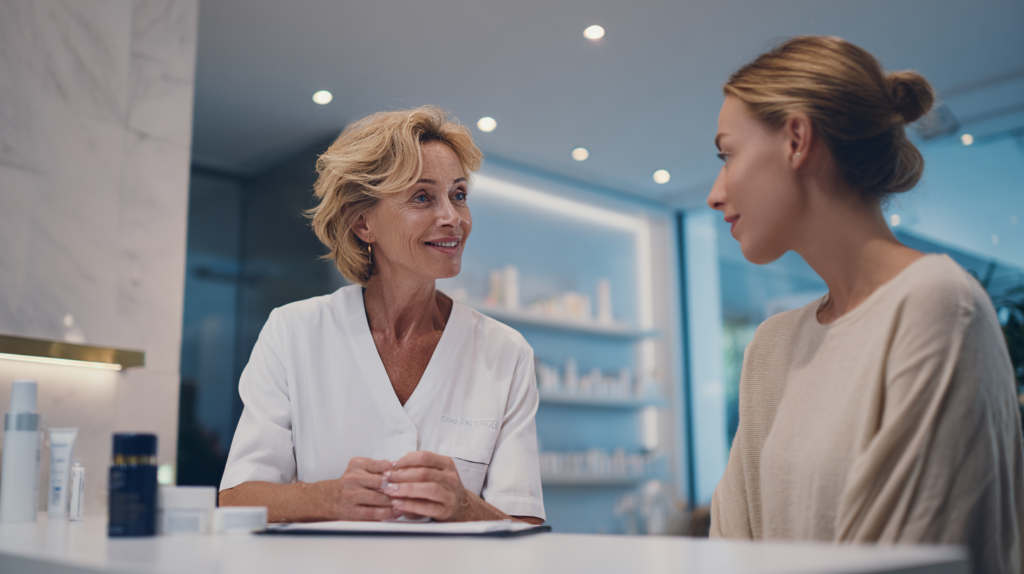
A personalized approach matters because every patient’s skin responds differently. Factors such as age, sun history, hydration, lifestyle, sensitivity, and previous treatments all influence which options may be appropriate, how the skin may respond, and what kind of maintenance may be needed over time.
Why Subtle Skin Changes Can Be Easy to Miss
Gradual changes in skin health usually develop over time rather than all at once. As skin ages, patients may begin to see fine lines, mild laxity, discoloration, roughness, or a less even glow.
These shifts may relate to genetics, sun exposure, hormones, stress, skincare habits, and normal changes in collagen production. Understanding this process allows patients to make calmer, more informed decisions instead of reacting only when changes feel advanced.
Surface Texture Is Often the First Visible Clue
Changes in skin quality often begin at the surface. Roughness, enlarged-looking pores, dry patches, and irregular light reflection may make the skin appear tired even when the patient feels well.
Improving skin texture may involve both professional care and consistent home support. For some patients, smoother-looking skin starts with addressing the outer skin layers, where buildup, dehydration, and environmental exposure can affect radiance, while others benefit from facial treatments for long-term skin texture that support gradual renewal.
The Role of Supportive Proteins in Firmness
Collagen and elastin production play an important role in the way skin looks and feels. Collagen provides structural support, while elastin contributes to the skin’s ability to stretch and return.
As collagen and elastin change with age, patients may notice skin elasticity decreasing, sagging skin, or less defined natural contours. Treatments that focus on stimulating collagen may be considered when laxity or texture changes are part of the concern.
Why Moisture Balance Changes Skin’s Appearance
Skin hydration influences comfort, smoothness, and luminosity. Dehydrated skin may make aging skin appear more textured, even when deeper structures are relatively stable.
Ingredients such as hyaluronic acid are commonly used because they attract and hold water in the skin’s surface layers. This may support hydration and contribute to a plumper-looking, more comfortable appearance.
How Light-Based Resurfacing May Fit a Rejuvenation Plan
Laser treatments are commonly used in aesthetic care to improve the appearance of selected concerns, including texture changes, discoloration, and mild lines. Patients considering these options may want to understand how laser treatments work and what results to expect before deciding whether they fit into a rejuvenation plan. The American Society for Dermatologic Surgery describes laser resurfacing as a procedure that uses laser energy to improve the appearance of the skin by removing layers of skin in a controlled way.
How laser treatments work depends on the device, settings, depth, and patient goals. Some approaches focus more on resurfacing, while others are selected for tone, redness, or textural refinement.

Surface Renewal Through Carefully Selected Peels
Chemical peels use a topical solution to exfoliate the skin and encourage renewed-looking surface skin. The American Academy of Dermatology notes that chemical peels may be used to address signs of aging, acne, and some discoloration concerns, and a consultation can help compare a chemical peel vs. a facial for your skin.
Because peels vary in strength, they should be chosen with the patient’s skin type, sensitivity, and goals in mind. Discussing the ideal facial and chemical peel frequency with your provider can also help match treatment scheduling to your skin’s needs. The skin may be temporarily more sensitive afterward, making post-treatment care especially important.
Light-Based Options for Redness, Spots, and Clarity
Intense pulsed light is often considered for discoloration, redness, sun-related spots, and overall tone concerns. ASDS describes IPL as a non-ablative option that uses light energy and may involve minimal recovery for some patients, though risks still exist.
This option may be appropriate for certain skin concerns, but not every patient is an ideal candidate. Consultation is important because skin tone, pigment history, and recent sun exposure can affect treatment planning.
Gradual Firmness Support for Early Laxity
Skin tightening treatments are often chosen when patients notice laxity, softening contours, or early facial looseness. These options may focus on boosting collagen production, promoting collagen production, or supporting gradual collagen remodeling.
The purpose is usually subtle refinement rather than dramatic change. Patients seeking natural-looking results often benefit from realistic expectations and a plan that respects their facial proportions.
Controlled Renewal for Texture and Collagen Activity
Some rejuvenation plans involve creating controlled microinjuries in the skin to encourage a repair response. Controlled micro-injuries are intentionally precise treatment points designed to stimulate renewal while protecting surrounding tissue.
This process may support cellular repair, texture refinement, and collagen activity over time. Patients should follow provider instructions carefully because the skin’s response depends on technique, aftercare, and baseline skin integrity.
Regenerative-Looking Support in Select Plans
Platelet-rich plasma is sometimes paired with aesthetic procedures as part of a regenerative-looking skin plan. It is commonly discussed in relation to the body’s natural repair signals, but outcomes vary and depend on many individual factors.
This option should be reviewed with a qualified provider, especially for patients with medical conditions, medication use, or sensitivity concerns. It is not a substitute for medical diagnosis or treatment.
Volume Balance as Part of Facial Rejuvenation
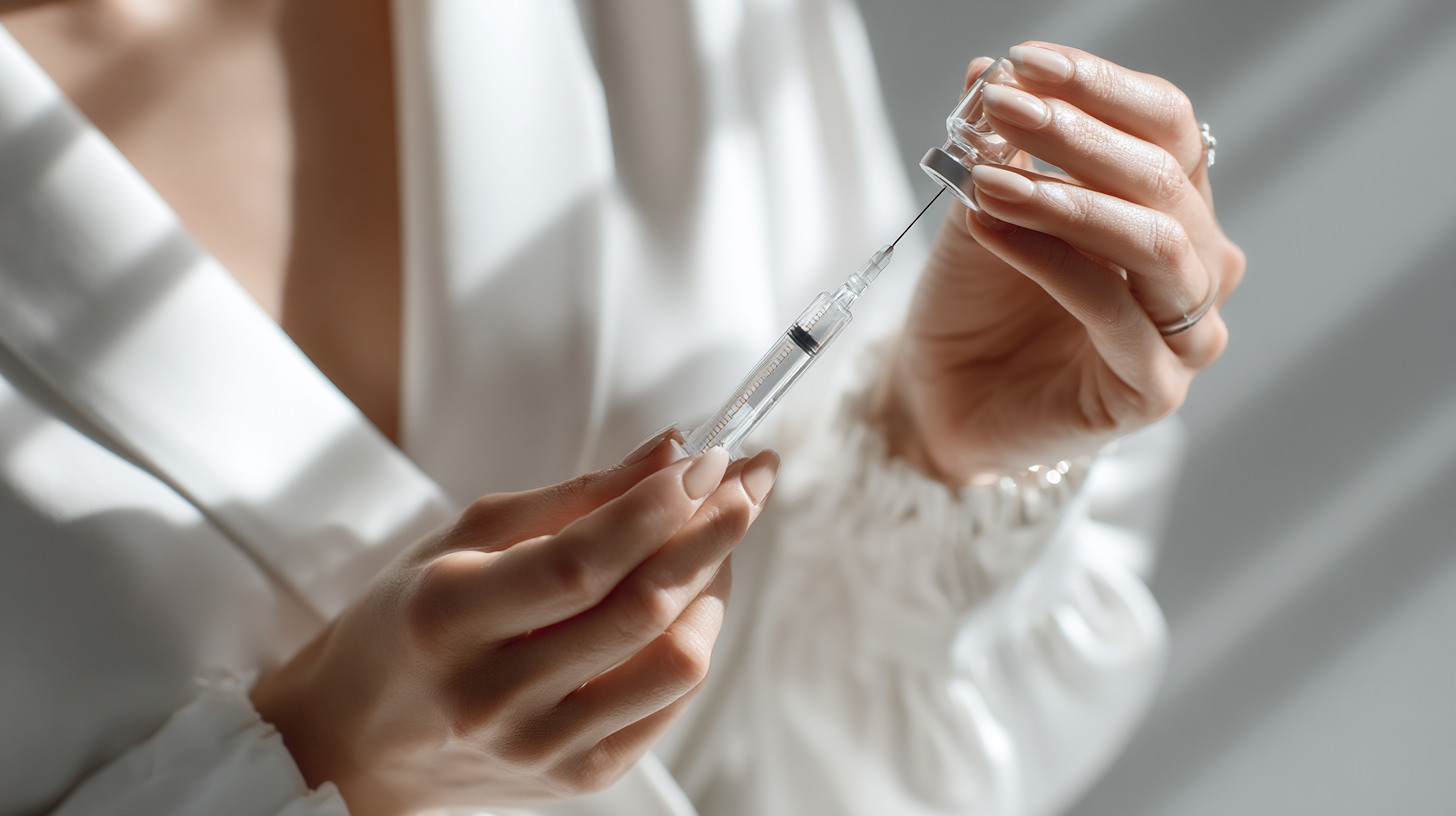
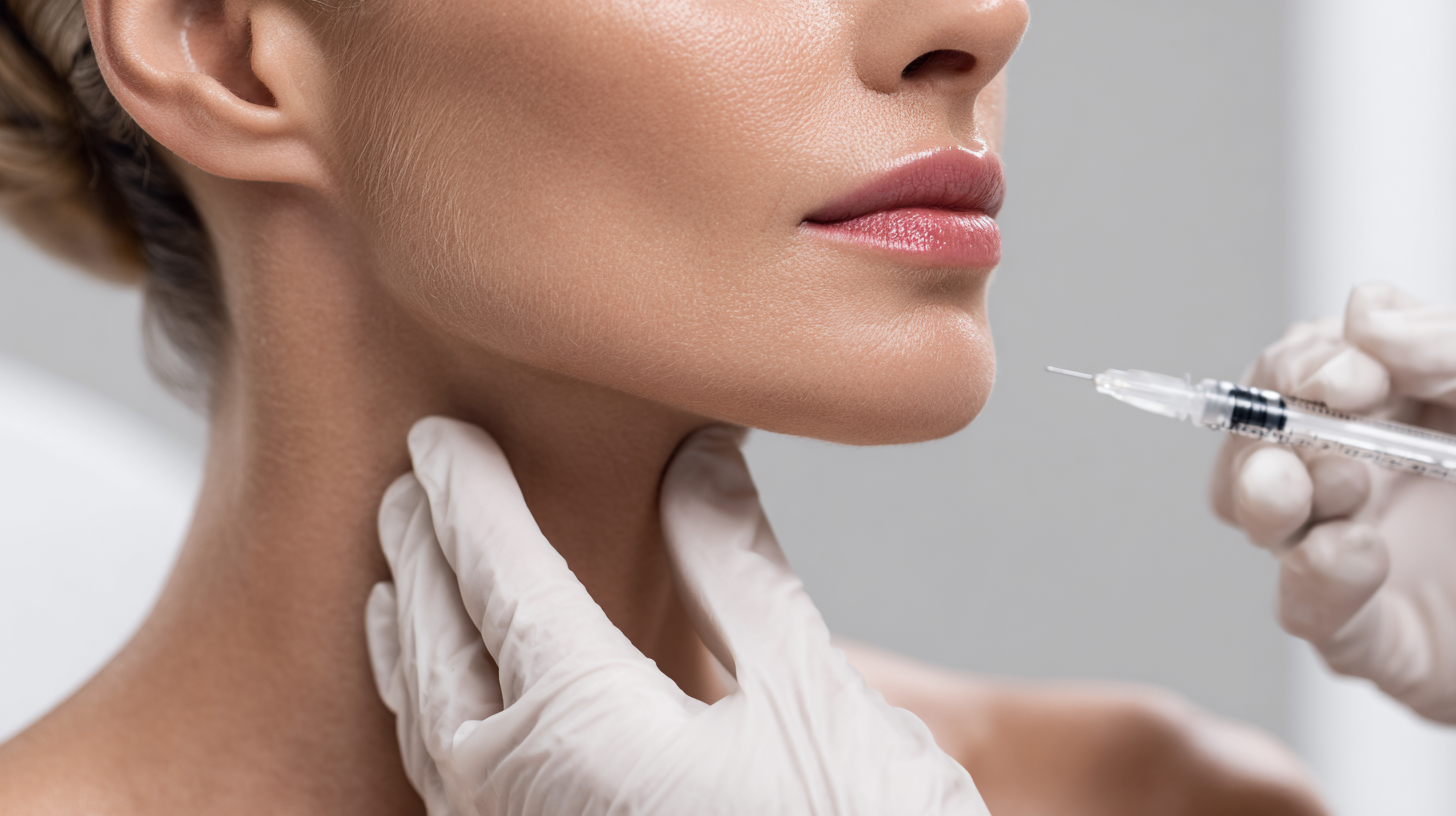
Dermal fillers are injectable aesthetic treatments often chosen to support volume balance, soften selected folds, or enhance natural contours. They do not replace skin resurfacing, but they may complement a broader rejuvenation plan.
Fillers require careful anatomical understanding and conservative planning. A licensed provider should review facial movement, volume loss, prior treatments, and safety considerations before recommending them.
Movement Lines Require Their Own Approach
Dynamic wrinkles form from repeated facial movement, such as expression lines around the forehead, eyes, or brows. They are different from texture changes, pigment concerns, or volume loss.
Because different aging signs have different causes, one treatment rarely addresses every concern. A thoughtful plan may combine skincare, injectables, light-based treatments, or resurfacing depending on the patient’s goals.
Firmness Goals Usually Need a Long-Term Plan
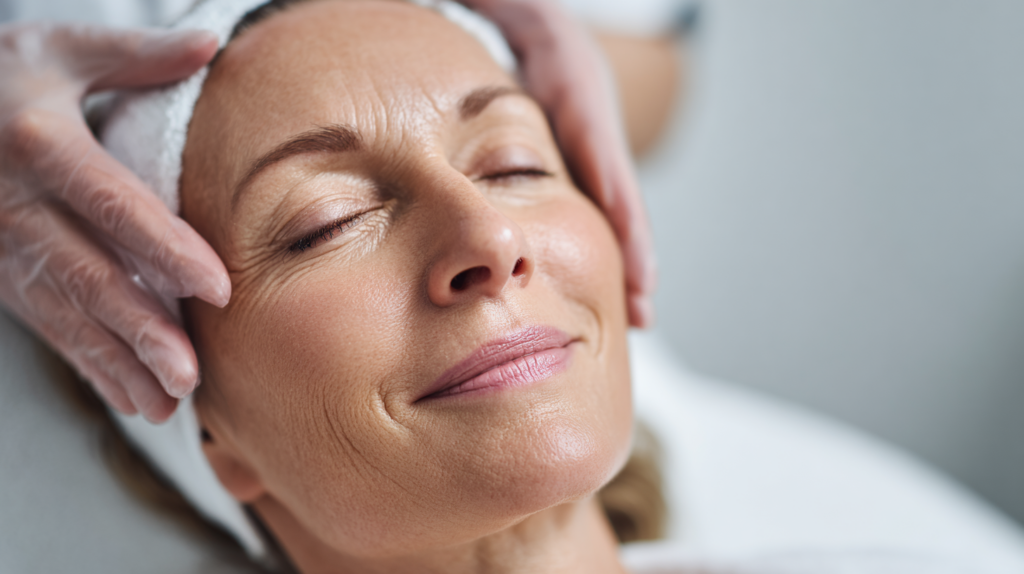
To improve skin elasticity, patients often need a plan that supports firmness gradually. This may involve professional treatments, daily skincare, hydration, and protection against avoidable damage.
No treatment stops aging, and no routine works the same way for every person. However, consistent care may support skin resilience and a healthier-looking appearance over time.
Why Line Softening Should Be Discussed Honestly
Smoothing wrinkles is usually about softening their appearance rather than removing every line. Fine lines, deeper folds, movement lines, and texture creases each respond differently.
Some treatments may reduce fine lines or improve the look of mild roughness, depending on skin condition and treatment choice. Patients should expect a personalized conversation rather than a one-size-fits-all answer.
Daily UV Protection Plays a Central Role
Sun damage is strongly associated with texture changes, discoloration, and early visible aging. The AAD recommends broad-spectrum, water-resistant sunscreen with SPF 30 or higher as part of sun protection.
Consistent sun protection and broad-spectrum sunscreen are especially important after exfoliating, resurfacing, or light-based care. Protecting the skin’s surface helps preserve results and supports long-term skin health.
The Habits That Help Protect Skin Over Time
Preventing premature aging requires more than occasional treatment. Daily sunscreen, shade, protective clothing, and avoiding intentional tanning all support healthier-looking skin over time.
This matters because premature aging can appear as dark spots, roughness, fine lines, and loss of radiance. Professional treatments may address visible concerns, but daily choices influence how quickly new concerns develop.
Barrier Support Should Guide Everyday Skincare
Skincare routines should protect barrier function, hydration, and tolerance. A routine that is too aggressive may cause irritation, dryness, or sensitivity, especially after advanced procedures.
Patients often do better with a simple, structured plan. Cleansing, moisturizing, sunscreen, and selected active ingredients may support overall skin health without overwhelming the skin.
Whole-Body Habits Can Influence the Skin
Lifestyle factors such as sleep, stress, smoking, nutrition, hydration, and exercise may affect overall skin texture and repair capacity. Skin is not separate from the rest of the body.
A healthy lifestyle habits approach supports the skin from multiple angles. A diet rich in varied nutrients, regular hydration, and realistic stress management may complement professional care, and ongoing education through the spa’s skincare and wellness blog can help patients stay informed.
Recovery Instructions Are Part of the Treatment Plan
Post-treatment care is essential after advanced procedures, resurfacing, peels, IPL, or collagen-stimulating services. The skin may need gentler products, extra hydration, and temporary avoidance of irritating ingredients.
Patients should follow instructions from their provider rather than guessing. This supports comfort, lowers the chance of avoidable irritation, and gives the skin a better environment for recovery, and additional guidance on the spa’s aesthetic treatment and skincare blog can reinforce key aftercare principles.
FAQ
Why Is My Skin Starting to Look Dull Even with a Regular Routine?
Dullness may relate to dehydration, dead surface buildup, sun exposure, aging, or products that do not match your skin’s needs. A professional consultation can identify whether skincare adjustments, exfoliation, hydration support, or in-office care may be appropriate.
Which Rejuvenation Treatment Is Right for Uneven Skin Tone?
The right option depends on the cause of the discoloration, your skin tone, sun history, and sensitivity. Chemical peels, intense pulsed light, laser treatments, or medical skincare may be discussed after an evaluation.
How Long Does It Take to See Changes from Collagen-Focused Treatments?
Collagen-focused treatments often work gradually because the skin needs time to respond. Some patients notice early texture or glow changes, while firmness-related improvements may take longer and vary by individual factors.
Is Minimal Downtime the Same as No Recovery?
No. Minimal downtime usually means recovery may be shorter or easier for some patients, but redness, dryness, swelling, or sensitivity can still occur. Follow your provider’s post-treatment instructions carefully.
Can Professional Treatments Replace Daily Sun Protection?
No. Professional treatments do not replace daily sun protection. Broad-spectrum sunscreen, shade, and protective habits are important for maintaining results and supporting long-term skin health.
Conclusion
When skin vitality changes gradually, targeted support may make the path forward feel clearer. Skin rejuvenation treatments may address texture, tone, hydration, firmness, or contour concerns, depending on the patient’s needs and treatment plan.
Individual results vary, treatments carry potential risks or contraindications, and cosmetic services are elective. A consultation with a licensed provider is required to determine whether a treatment is appropriate for your skin, goals, and medical history. Many patients appreciate that luxury medical spa skin treatments can combine comfort with clinically guided care.
Contact BluePoint Medical Spa to schedule a consultation. The team can review your concerns, discuss treatment options, explain aftercare, and recommend a personalized plan focused on informed decisions, safety, and natural-looking aesthetic goals within a broader skin, body, and wellness approach.