Many people consider aesthetic treatments when their skin begins to look dull, uneven, tired, or less responsive to their daily routine. Before choosing a procedure, it is important to understand that consistent skin maintenance can make rejuvenation treatments more effective by supporting a healthier foundation for professional care.
At BluePoint Medical Spa, skin rejuvenation is approached as a personalized process rather than a single appointment or quick cosmetic fix. A thoughtful treatment plan considers your goals, medical history, skin sensitivity, lifestyle, and specific skin concerns before any treatment is recommended.
Patients often want radiant skin, glowing skin, brighter skin, or a more balanced, radiant complexion, but these goals depend on several individual factors. Rejuvenation refers to treatments and routines that may support smoother texture, refreshed tone, and a healthier-looking appearance, while recognizing that results vary.
Why Skin Results Can Feel Inconsistent
Concerns such as uneven skin tone, uneven tone, rough texture, clogged pores, enlarged pores, fine lines, deeper wrinkles, and acne scars often develop from more than one source. Aging, genetics, prior sun exposure, inflammation, product irritation, and lifestyle factors may all influence how the skin looks and responds.
This matters because the same treatment may not lead to the same visible change for every patient. Someone concerned about facial volume may need a different approach than someone focused on dullness, dead skin cells, or early signs of aging.
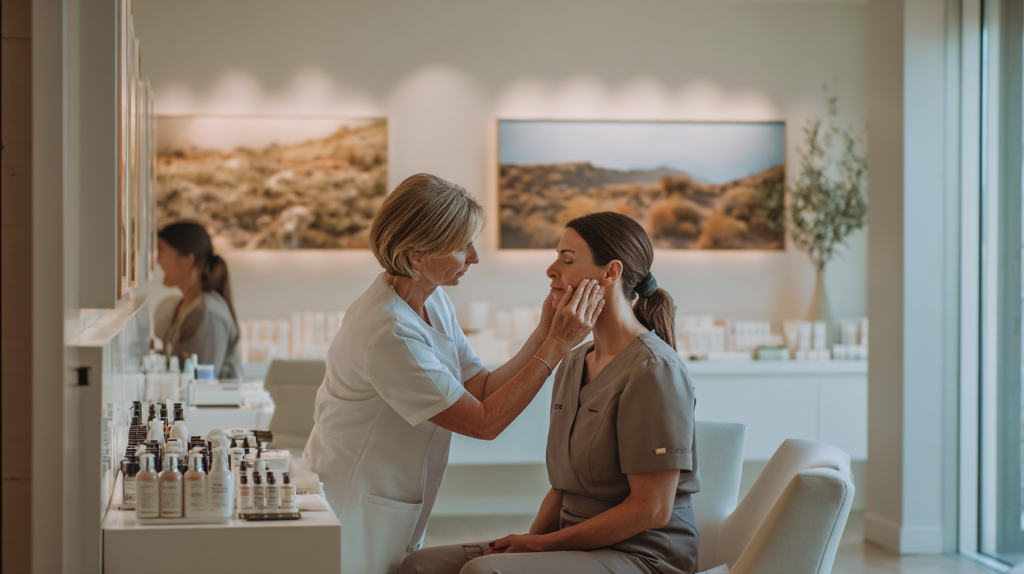
A consultation at Blue Point Medical Spa in Las Vegas allows a licensed provider to evaluate the skin’s condition, review previous reactions, and set realistic expectations. This step is especially important before advanced treatments or any minimally invasive procedure.
A Busy Skincare Routine Is Not Always an Effective One
Some patients use several products but still experience dryness, congestion, irritation, or uneven tone. An effective skincare routine is not necessarily the most complicated routine; it supports the skin’s unique needs and can be followed consistently.
A consistent skincare routine usually focuses on cleansing, hydration, barrier support, and sun protection. Depending on tolerance, it may also include ingredients such as vitamin C, retinoids, peptides, growth factors, or hyaluronic acid.
Using too many active ingredients at once may increase sensitivity and make the skin harder to prepare for professional treatments. A provider-guided skincare routine helps keep the focus on useful steps instead of unnecessary irritation.
How Maintenance Supports Rejuvenation Treatments
Many skin rejuvenation treatments begin at or near the skin’s surface. When dead cells and buildup are present, the skin may appear dull, feel uneven, and respond less predictably to exfoliating or resurfacing care.
Gentle maintenance may help improve skin texture by supporting smoother turnover and hydration. This can be useful before chemical peels, light resurfacing, or treatments designed to refresh tone and surface clarity.
The goal is not to over-exfoliate or weaken the skin. Overusing acids, scrubs, or retinoids can disrupt the barrier and increase discomfort before treatment.
Collagen-Focused Results Take Time
Some treatments are selected because they may stimulate collagen production or stimulate collagen gradually. Collagen production and elastin production are part of why skin may appear firmer, smoother, or more refreshed over time.
This process is gradual, and treatment outcomes vary. Patients seeking youthful skin, a youthful appearance, or ways to reduce fine lines often benefit from a staged approach rather than expecting one appointment to address every concern.
Professional guidance is important because not every skin concern is best treated with the same technology or product. A provider can recommend whether your goals are better addressed through skincare, resurfacing, injectables, or a combination of options.

Daily Care Shapes Long-Term Skin Appearance
In a sunny climate, repeated exposure to UV rays can contribute to premature aging, wrinkle formation, discoloration, and sun damage. This is why broad-spectrum SPF is not just an aftercare step; it is part of daily skin maintenance.
This matters before and after rejuvenation treatments because treated skin may be more sensitive to light, heat, and irritation. Consistent protection may support safer recovery and help preserve visible improvements.
Patients in Las Vegas should be especially mindful of sun habits throughout the year. Even brief, repeated exposure can affect the appearance of treated skin over time.
Lifestyle Factors Influence Skin Changes
Skin maintenance also includes practical wellness habits. Sleep, hydration, nutrition, smoking status, stress, and outdoor exposure may influence visible skin changes, and the skin’s ability to tolerate procedures, and patients can explore ongoing skincare tips and treatment updates to support these efforts.
Stress management may support overall wellness and reduce habits that worsen irritation, such as rubbing, picking, or inconsistent routines. Some spa treatments may discuss lymphatic drainage or promote detoxification, but these should be framed as wellness-oriented experiences rather than guaranteed medical effects.
Healthy routines support maintaining healthy skin between visits. They also make it easier to determine whether a concern needs cosmetic treatment, medical evaluation, or a simpler routine adjustment.
Professional Treatments That Pair With Consistent Skincare
Chemical peels are commonly used to address dullness, congestion, mild pigment concerns, and uneven surface texture, alongside other professional skin and body treatments available at the spa. A chemical peel uses a controlled solution to exfoliate selected layers of skin under professional guidance.
Peels may support smoother texture, a more even-looking tone, and a fresher appearance, depending on peel depth and patient suitability. They are often chosen by patients who want a structured approach to build-up, dullness, or mild discoloration.
Because peels affect the skin’s surface, preparation and aftercare matter. Patients may need to pause certain active ingredients, avoid sun exposure, and follow post-treatment instructions carefully.
Laser Treatments and IPL May Address Sun-Related Concerns
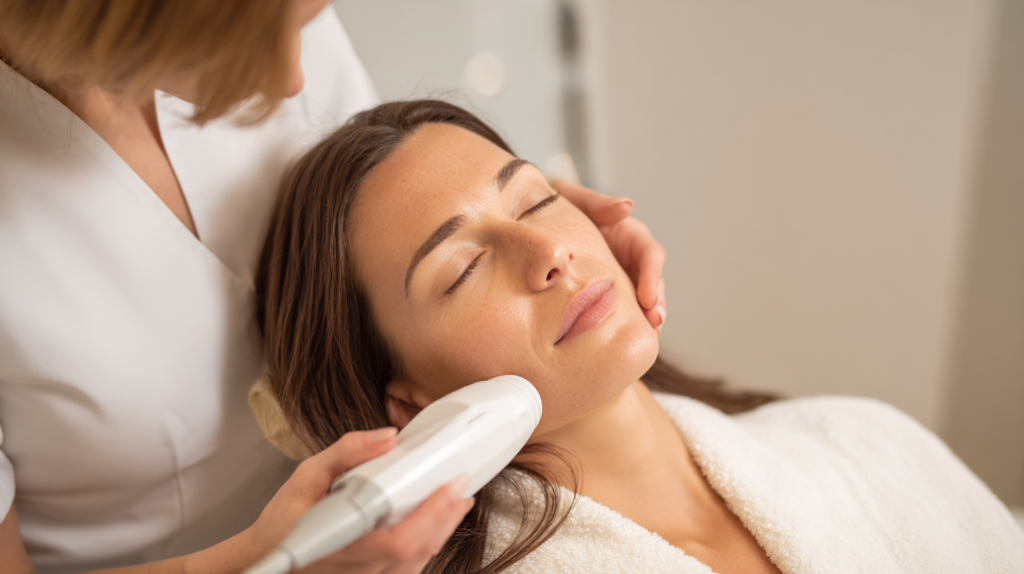
Laser treatments, laser resurfacing, and intense pulsed light may be considered for selected concerns such as pigment, redness, texture, or visible sun-related changes. These advanced technologies require careful screening and individualized aftercare.
Some options involve minimal downtime, while others require more noticeable recovery. The right choice depends on skin type, recent tanning, medications, sensitivity, and the depth of the concern.
These treatments may reach deeper layers than basic skincare, which is why preparation matters. A consistent routine before treatment may reduce avoidable irritation and support more accurate treatment planning.
Dermal Fillers Address Volume Differently Than Skin Treatments
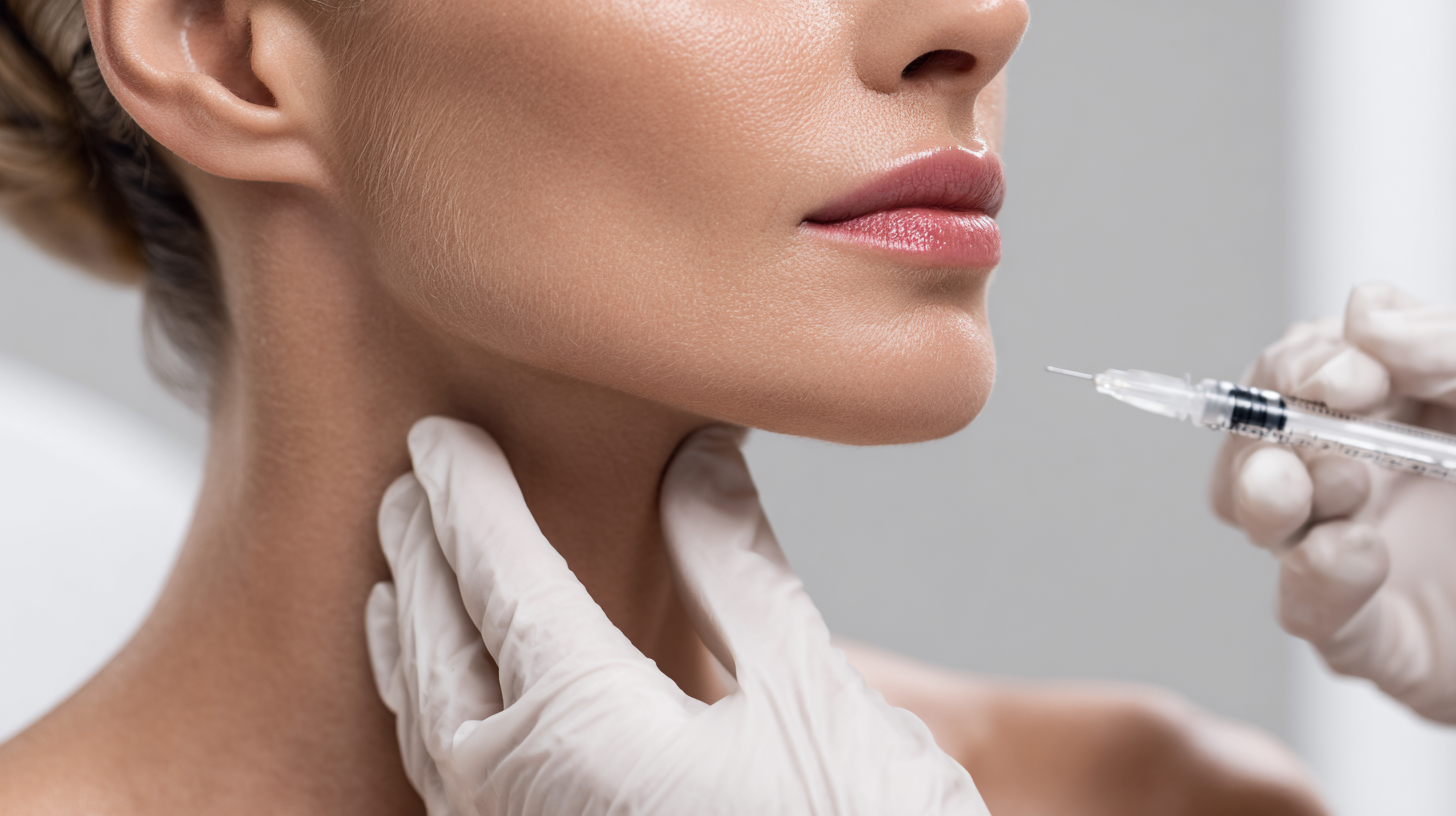
Dermal fillers are often chosen for concerns related to contour, lines, and facial volume. Many fillers use hyaluronic acid, which is commonly used in aesthetic medicine for volume-related correction and hydration-like effects.
Fillers do not replace skincare, peels, or laser treatments because they address structure rather than surface turnover. A patient with volume loss may need injectables, while a patient with dullness or pigmentation may benefit from skin-focused care.
Because fillers are injectable treatments, they should be performed or overseen by licensed providers. Risks, contraindications, expected duration, and aftercare should be reviewed before treatment.
Multiple Treatments May Be Needed for Complex Concerns
Some concerns respond best to multiple treatments over time. Active acne, acne-related marks, deeper texture changes, and long-standing discoloration may require patience and a phased plan, which is why some patients benefit from a structured acne bootcamp for clear, healthy skin.
This is where early intervention may be useful. Addressing visible signs early may allow for gentler treatment choices, better prevention habits, and more realistic long-term maintenance.
A personalized plan also helps avoid unnecessary procedures. The focus should be on what fits the patient’s skin, not on choosing the most intensive option first.
What Patients Should Know Before Starting
Consistent skincare may support a stronger barrier, steadier hydration, and fewer avoidable flare-ups. That can make the skin feel more comfortable before elective cosmetic care.
Patients may notice that makeup applies more smoothly, the texture feels more balanced, or the complexion looks less dull. These changes are not guaranteed, but many patients appreciate the sense of control that comes from routine care.
This also supports better conversations with a provider. When your routine is stable, it is easier to tell whether redness, dryness, or irritation is new or ongoing.
Advanced Treatments Require Realistic Expectations
Advanced treatments may support meaningful cosmetic improvement for the right patient, but they are not appropriate for everyone. Skin type, sensitivity, recent procedures, medical history, and expectations all matter.
A responsible provider will discuss downtime, aftercare, possible side effects, and when another option may be safer, including whether personalized facial treatments or other options are the best starting point. This protects patients from over-treatment and helps align the plan with their comfort level.
Cosmetic services are elective and based on personal goals. They should not be presented as medically necessary unless a licensed provider identifies a separate medical concern.
Skin Repair Depends on Aftercare
Skin repair after treatment depends on following instructions, avoiding unnecessary irritation, and protecting the skin. This is especially important after peels, resurfacing, or energy-based treatments.
Hydration, gentle cleansing, and sun avoidance may be recommended after certain procedures. Patients should also avoid restarting strenuous activities too soon unless their provider gives clear guidance.
These details matter because aftercare affects comfort and may influence the risk of irritation or pigment changes. The safest plan is the one that respects how your skin is responding, and flexible medical spa payment plans and financing options can make it easier to follow through with recommended care.
FAQ
How long should I follow a skincare routine before treatment?
Many patients benefit from several weeks of consistent care before treatment, but timing depends on the procedure and your skin condition. Your provider may adjust active ingredients before peels, lasers, or injectables.
Can skincare replace professional skin rejuvenation treatments?
Skincare supports daily maintenance, but it does not replace every professional treatment. Peels, lasers, IPL, and fillers address different concerns and require personalized evaluation, and patients can stay informed through the spa’s expert skincare blog and treatment insights.
Is sunscreen really necessary after rejuvenation treatments?
Yes. Sunscreen helps protect treated skin from UV-related irritation, pigment changes, and premature aging. Broad-spectrum SPF is especially important after treatments that affect the skin’s surface.
What happens if my skin is sensitive or acne-prone?
Sensitive or acne-prone skin may need a gentler plan before professional treatment. Your provider may simplify your routine, delay stronger procedures, or recommend options that better match your skin tolerance.
How do I know which treatment is right for my skin?
The right treatment depends on your goals, skin type, history, sensitivity, and current concerns. A consultation allows a licensed provider to evaluate your skin and recommend an appropriate plan.
Conclusion
A strong aesthetic plan begins with education, not pressure. Consistent daily care, professional evaluation, and realistic timing all support better decision-making for patients considering rejuvenation.
Individual results vary, treatments have potential risks or contraindications, and a consultation with a licensed provider is required before beginning any aesthetic procedure. BluePoint Medical Spa positions cosmetic services as elective options designed around personal goals, safety, and informed consent.
Schedule a consultation with BluePoint Medical Spa to review your skin goals, discuss your current routine, and choose next steps that fit your comfort level, skin condition, and long-term aesthetic priorities.