For many patients, the phrase “laser treatment” once carried associations with significant recovery time, limited suitability for certain skin tones, and uncertain results. Laser innovation has substantially reshaped that reality. Today, advances in laser technology have broadened the range of treatable concerns, improved safety profiles, and made personalized treatment plans accessible to a far more diverse population of aesthetic patients than at any previous point in aesthetic medicine. Whether someone is exploring options for sun damage, uneven skin tone, or unwanted hair, modern systems offer more precise and adaptable approaches than earlier generations of devices.
Understanding what contemporary laser skin treatments involve, and what patients can realistically expect, is an important step in making an informed decision about elective aesthetic care. This overview is designed to provide educational context for anyone exploring whether professional laser skin care may align with their personal goals, skin type, and health history. As with all elective cosmetic procedures, individual results vary, and a consultation with a licensed provider is required to determine which approach, if any, is appropriate for a specific patient.
How Laser Treatments Work on the Skin
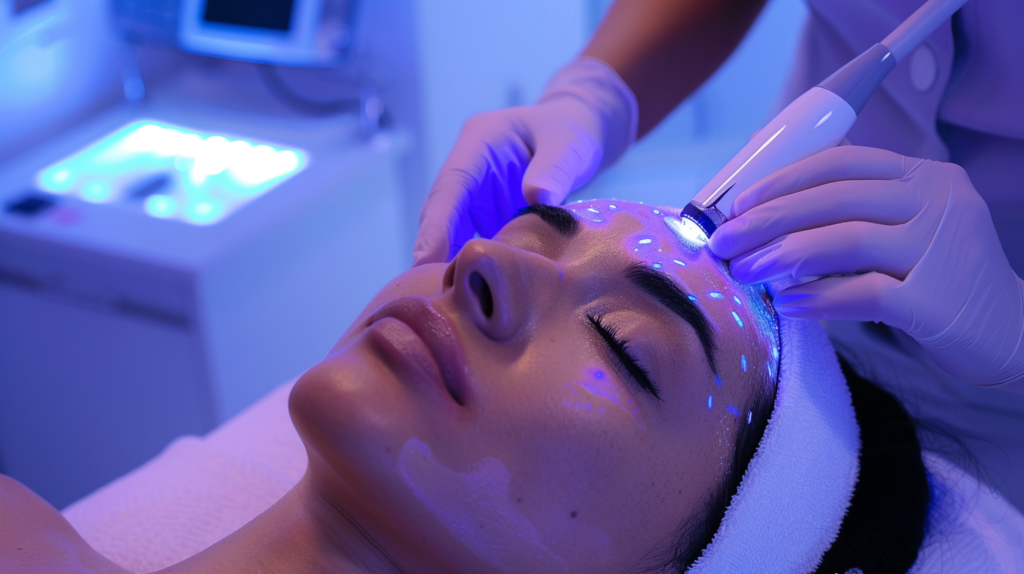
Laser treatments work by delivering concentrated light energy to targeted areas at or beneath the skin surface. That energy is absorbed by specific chromophores, the cellular pigments or proteins that selectively absorb particular wavelengths of light, within the skin surface or deep layers, depending on the treatment’s intended purpose. The controlled delivery of energy prompts the body to initiate natural repair processes, which may include collagen production, cellular turnover, and the gradual replacement of damaged skin layers with healthier tissue over time.
The precision with which modern devices deliver energy is one of the most meaningful improvements in recent years. Providers can now calibrate laser parameters, including wavelength, pulse duration, and energy intensity, so that light reaches specific targets without causing unnecessary disruption to surrounding tissue. Many patients choose to explore these options through laser treatments in Las Vegas, where modern devices and protocols are tailored to address specific aesthetic concerns safely and effectively. This level of control is central to both improving treatment outcomes and reducing the likelihood of side effects in appropriately selected patients with different skin types and skin concerns.
The Key Difference Between Ablative and Non-Ablative Lasers
Ablative lasers work by removing the outer skin surface, prompting the skin to regenerate fresher, smoother tissue during the healing process. These systems are often used to address deeper wrinkles, significant sun damage, and pronounced skin texture irregularities. Because they involve the controlled removal of damaged skin layers, ablative approaches typically require more recovery time than their non-ablative counterparts, though they may produce more noticeable changes for certain skin concerns in appropriately selected patients.
Non-ablative lasers, by contrast, deliver energy beneath the skin surface without disrupting the outermost layer. These systems stimulate collagen production and promote skin renewal from within, making them a commonly preferred option for patients who want minimal downtime while addressing concerns such as mild laxity, uneven skin tone, or early pigmentation changes. Some patients require fewer total sessions with ablative laser resurfacing, while others may benefit from a longer series of gentler non-ablative treatments—a balance a qualified provider can help navigate based on individual goals and recovery preferences.
Advancements in Laser Technology Are Broadening Treatment Access
Fractional lasers represent one of the most meaningful advancements in laser technology in recent decades. Rather than treating the entire skin surface uniformly, fractional systems deliver energy in a pattern of microscopic columns, leaving untreated zones of healthy tissue between each treated point. These surrounding zones support rapid healing and collagen remodeling, which may reduce recovery time compared with fully ablative approaches. Laser skin resurfacing performed with fractional technology is commonly used for skin resurfacing, scar reduction, and improving overall skin texture, and it is often described as a minimally invasive alternative to older ablative methods.
Picosecond lasers deliver energy in extremely short pulses, measured in trillionths of a second, which can be especially effective for pigmentation correction, skin tone irregularities, and the breakdown of certain pigment particles without requiring the sustained thermal energy associated with older devices. For some patients, the initial redness or flaking after treatment can raise questions about whether laser skin treatment gets worse before it gets better, making it especially important to understand the normal healing process in advance. Many patients and providers report that picosecond lasers are generally well-tolerated, with minimal discomfort during treatment. Results depend on individual skin conditions, treatment history, and provider technique, and outcomes vary from patient to patient.
Pulsed Dye Lasers and Diverse Skin Tones
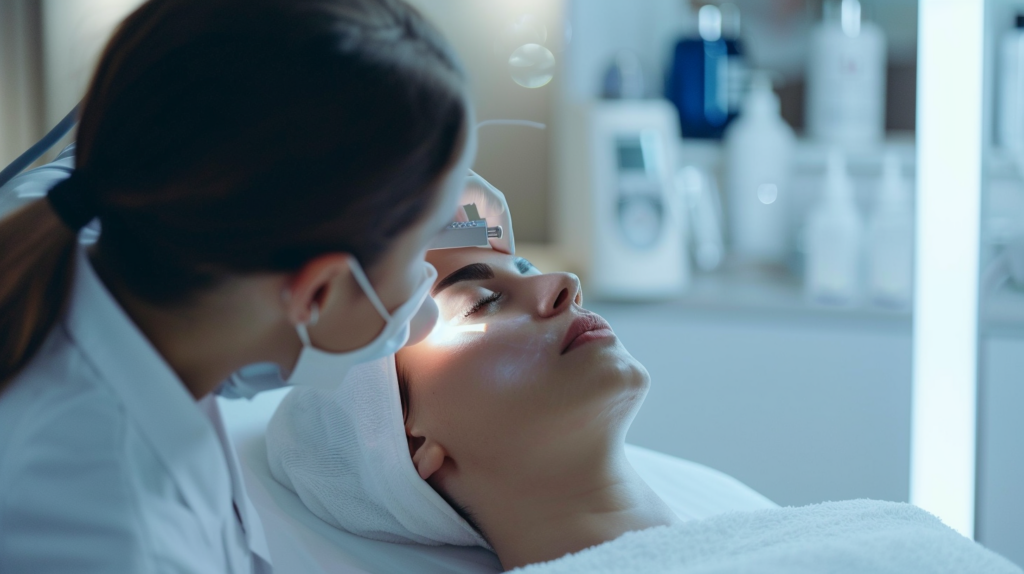
Pulsed dye lasers are commonly used to address spider veins, vascular irregularities, and redness-related skin imperfections. These systems target hemoglobin within blood vessels, allowing providers to address superficial vascular changes with limited impact on surrounding tissue. Results vary depending on individual vascular patterns, the depth of the vessels being treated, and the number of sessions completed.
One of the most important developments in recent years is the expansion of laser systems that can be safely adjusted for patients with darker skin tones, ethnic skin, and diverse skin types. Thoughtful wavelength selection and treatment planning are essential components of tailored skincare for darker skin tones, helping reduce risks such as post-inflammatory hyperpigmentation while still addressing common concerns like sun damage and uneven tone. Historically, certain technologies carried a higher risk of post-inflammatory pigmentation changes in patients with darker skin types. Today, advances in wavelength selection and laser parameters have meaningfully improved the safety profile of laser skin rejuvenation and laser hair removal for patients across diverse skin tones—though provider training and careful pre-treatment patient assessment remain essential to achieving safe, appropriate treatment outcomes.
Skin Concerns That Modern Laser Treatments May Address
Sun damage is among the most common reasons patients explore laser skin resurfacing and laser skincare, as well as other professional options such as facial treatments to help reverse sun damage. Prolonged UV exposure may contribute over time to uneven skin tone, age spots, fine lines, and changes in skin texture—all of which can affect the overall appearance of youthful skin. Modern laser therapies may help patients reverse sun damage by targeting areas of excess pigmentation and encouraging skin renewal through collagen stimulation and natural cellular turnover.
Improving skin tone and addressing pigmentation correction typically requires a series of treatments spaced appropriately to allow the skin to recover between sessions. A licensed provider will evaluate the type and depth of pigmentation, the patient’s skin tone, any history of sensitivity, and their overall medical background before recommending a specific approach. Because treatment outcomes depend on individual factors, patients are encouraged to approach laser skin care with realistic expectations and an openness to adjusting the treatment plan based on how their skin responds over time.
Skin Texture, Deeper Wrinkles, and Collagen Stimulation
Patients seeking to improve skin texture, reduce the visibility of deeper wrinkles, or address early changes in skin firmness often ask whether laser therapies or facial treatments for long-term skin texture might be appropriate for their goals. Many modern laser skin systems are designed to stimulate collagen production and support collagen remodeling, which may contribute to gradual improvements in skin smoothness and resilience over time. Natural collagen production declines with age, and laser-based approaches may support the skin’s own remodeling processes without the recovery demands of more invasive procedures.
Sagging skin that results from significant volume loss or structural changes may not be fully addressed by laser skin treatments alone. A licensed provider can help patients understand which concerns fall within the realistic range of what non-invasive aesthetic treatments or minimally invasive laser approaches can address, and when combination therapies, or other modalities, may be worth discussing. Comprehensive rejuvenation plans often incorporate multiple treatments tailored to the patient’s specific anatomy, goals, and overall skin care history.
Spider Veins, Unwanted Hair, and Skin Tightening
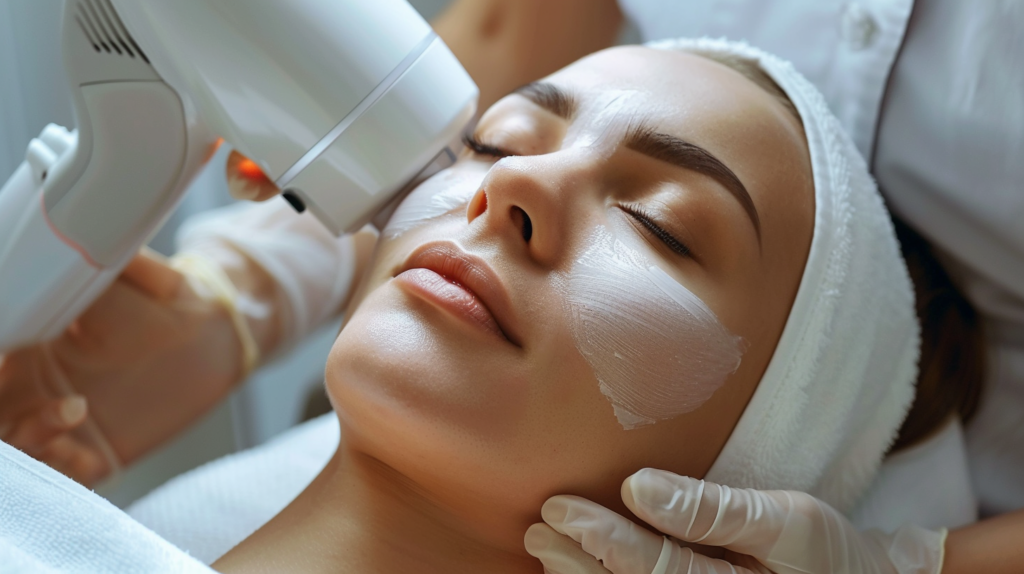
Laser hair removal is one of the most frequently requested elective aesthetic treatments in modern laser skincare practice. Many patients also explore laser facials for overall skin rejuvenation, which can complement hair removal by addressing tone, brightness, and fine-texture concerns on the face. The treatment works by delivering concentrated energy into hair follicles, which may reduce regrowth over a series of sessions. Results depend on factors such as hair color, skin tone, the area being treated, and individual hormonal patterns—and maintenance sessions may be needed over time. Patients considering hair removal with laser should discuss their expectations, medical history, and skin types with a licensed provider before beginning.
Spider veins and mild vascular irregularities may be addressed with certain vascular laser systems, while skin tightening for early laxity can sometimes be approached with non-ablative technologies. Body contouring treatments that incorporate laser energy represent a separate category of elective aesthetic care, distinct from laser skin treatments designed to target specific skin concerns such as pigmentation or texture. Each category carries its own candidacy requirements, considerations, and realistic outcome expectations that should be reviewed thoroughly during a consultation.
Personalized Treatment Plans and Combination Therapies
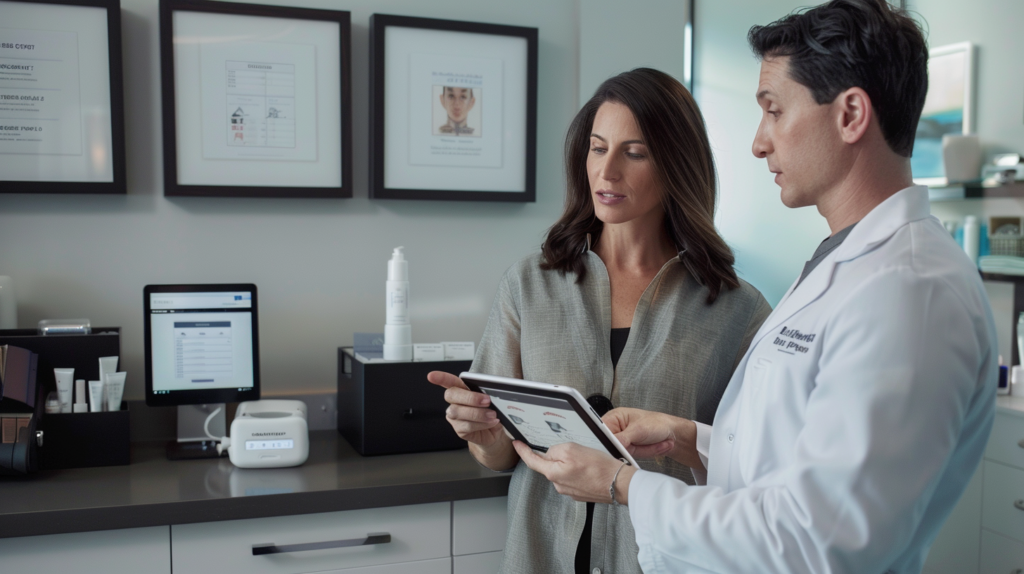
Treatment personalization is one of the defining characteristics of modern aesthetic medicine. Because no two patients present with identical specific skin concerns, skin types, or aesthetic goals, a qualified provider will evaluate multiple factors before recommending a specific device, wavelength, or treatment protocol. Carefully adjusting laser parameters based on individual assessment, rather than applying a single protocol universally,y is fundamental to achieving safer and more consistent results across different skin concerns and diverse skin types.
Combination therapies are increasingly common in aesthetic practice. A patient pursuing comprehensive rejuvenation may benefit from laser skin resurfacing for texture and tone, a vascular laser for redness or spider veins, and a skin-tightening modality for early laxity. When each treatment is selected and timed appropriately, these layered approaches may support more complete outcomes than any single modality could achieve alone—though they also require careful planning, appropriate recovery time between sessions, and consistent communication with the treating provider throughout the process.
Minimizing Discomfort and Supporting Rapid Healing
Modern laser skin systems are often designed with patient comfort as a priority, and providers use a variety of approaches, including topical numbing agents, integrated cooling technology, and thoughtful treatment sequencing aimed at minimizing discomfort during sessions. Patients with more sensitive skin, or those undergoing more intensive treatments such as ablative laser resurfacing, may experience more notable sensations during and after treatment, and these possibilities should be discussed openly during the consultation.
Rapid healing is supported not only by the laser system itself but by the patient’s post-treatment care, including sun avoidance, gentle skin care, and adherence to any pre- and post-care guidelines for laser treatments provided by the licensed treating team. Patients who follow aftercare protocols consistently may help support the skin renewal process and reduce the likelihood of complications. Results vary based on the specific treatment performed, the patient’s individual skin characteristics, and overall health history—all of which underscore the importance of working with a qualified provider throughout the process.
Realistic Expectations for Laser Skin Rejuvenation
One of the most important conversations to have before any laser skin rejuvenation treatment is about downtime and the timeline for visible results. Unlike many invasive procedures, the majority of modern laser treatments involve minimal downtime, particularly with non-ablative systems. However, “minimal” does not mean “none”—patients may experience temporary redness, sensitivity, or subtle peeling as part of the skin’s natural repair process. Understanding what recovery may realistically look like prepares patients better and tends to support more positive treatment experiences.
Collagen remodeling is a gradual process. Many patients begin to notice improvements in skin texture, skin tone, and overall skin smoothness within weeks of treatment, but the full effects of collagen stimulation can continue developing over several months as the skin responds to the treatment stimulus. Selecting fewer sessions of a more intensive approach versus a longer series of gentler treatments is a balance that a provider can help navigate based on the patient’s timeline, recovery preferences, and aesthetic goals.
FAQ
What is the difference between ablative and non-ablative laser resurfacing?
Ablative lasers remove the outer skin surface, prompting skin regeneration and typically involving more recovery time. These more intensive approaches are typically performed in settings that combine luxury medical spa care and advanced skin treatments, where medical professionals can closely guide preparation, treatment, and recovery. Non-ablative lasers deliver energy beneath the surface without disrupting the outermost layer, supporting collagen stimulation and skin renewal with less downtime. The appropriate choice depends on the patient’s skin concerns, tolerance for recovery, and treatment goals—all of which should be discussed with a licensed provider before any treatment begins.
How many sessions are typically needed to see results?
The number of sessions depends on the type of laser, the concern being addressed, and the individual patient’s response to treatment. Some patients notice improvement after one or two sessions, while others may benefit from a series of treatments spaced over several months. A provider can offer a more specific estimate and realistic timeline during an initial consultation based on your individual presentation.
Are modern laser treatments safe for darker skin tones?
Advancements in laser technology have meaningfully expanded options for patients with darker skin tones and ethnic skin. Certain wavelengths and devices can now be calibrated to reduce the risk of pigmentation changes in patients with deeper complexions—though provider training, device selection, and careful pre-treatment skin assessment remain essential. A qualified provider will evaluate your skin tone and treatment history before recommending any specific laser skin treatments.
Conclusion
Laser skin care has advanced considerably, and patients today have access to options that were not available even a decade ago. Whether exploring treatments for sun damage, hair removal, or pigmentation irregularities, patients are best served by a thorough consultation with a licensed provider who can evaluate their skin type, medical history, and goals. At Blue Point Medical Spa, skin, body, and wellness services are designed to align with each patient’s unique needs and lifestyle.
Individual results vary, and not every patient is a candidate for every type of laser treatment. Certain medical conditions, medications, and skin characteristics may affect candidacy, making professional assessment essential. The most consistent outcomes are achieved when qualified providers guide patients with transparency and individualized care at every stage.
Contact Blue Point Medical Spa to book a free consultation with a licensed provider and discuss whether a laser skin treatment plan may be appropriate for your goals and medical history.