Many patients begin exploring aesthetic care because premature skin aging, roughness, wrinkles, acne scars, dry spots, or uneven tone make their skin look different from how they feel. At BluePoint Medical Spa, the purpose of elective cosmetic care is to educate patients, explain realistic options, and support confident decisions without pressure or exaggerated promises.
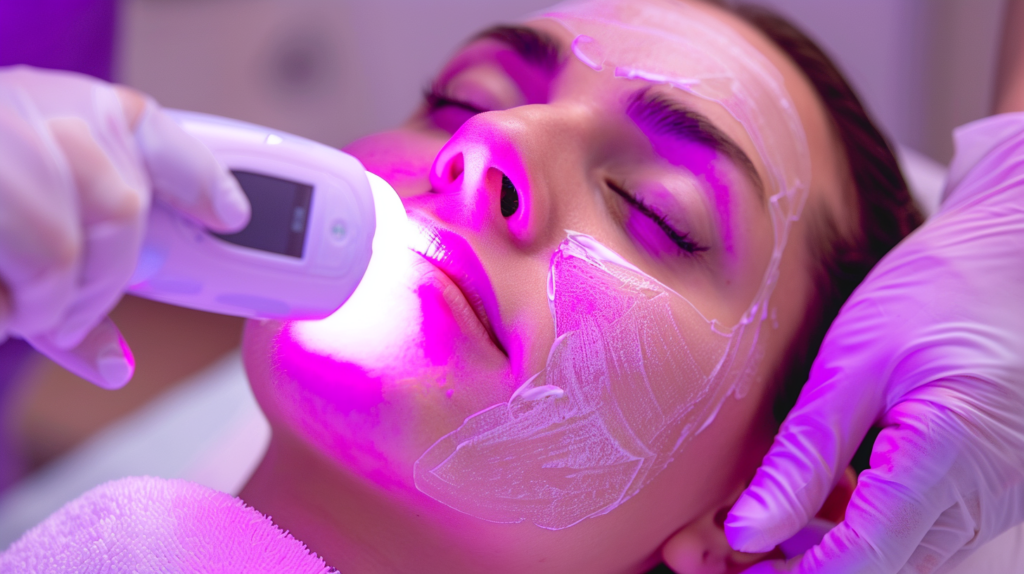
Advanced laser treatments address skin texture by using controlled laser energy to influence selected layers of the skin. Depending on the device, settings, and treatment area, this approach may support a smoother appearance, improved clarity, and gradual skin rejuvenation while respecting each patient’s health history, skin color, and comfort level.
Patients Want Improvement Without Guessing About Recovery
Many patients want to know whether a laser treatment will feel manageable, whether the treated area will look red, and how long the recovery time may last. Those concerns are valid because visible redness, sensitivity, and dryness may occur after certain procedures, especially when resurfacing is involved, and understanding whether laser skin treatment gets worse before it gets better can help set realistic expectations.
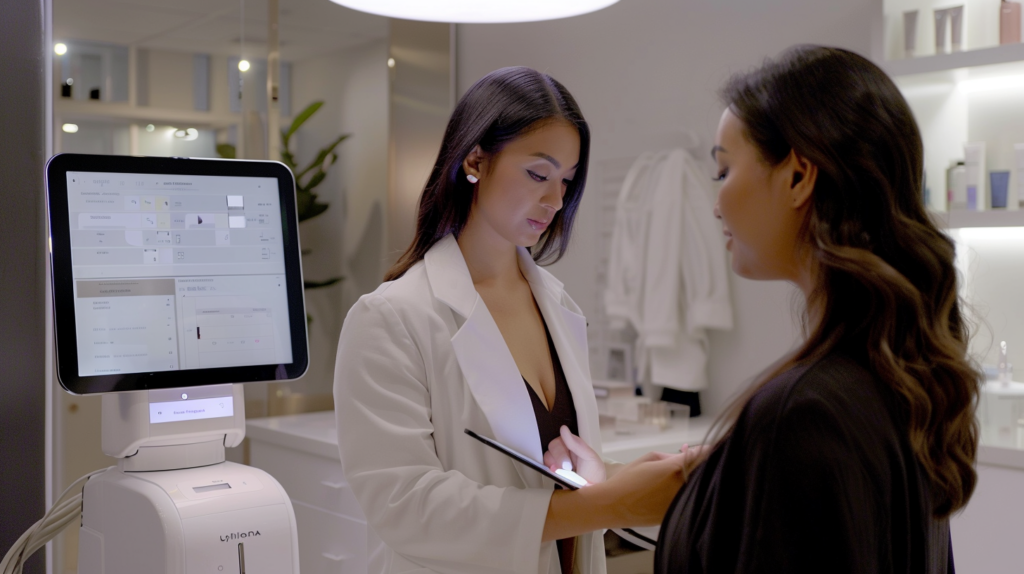
A thoughtful consultation allows the provider to review skin problems, previous skin care, sun habits, medications, and aesthetic goals before recommending treatment. This matters because the same concern may require a light, moderate, or more intensive approach depending on individual factors and the desired level of change, especially for patients considering their first laser facial treatment.
Skin Texture Often Changes Because of Aging and Sun Damage
Age-related changes occur as the body produces less structural support over time. The National Institute on Aging notes that age-related loss of collagen and elastic fibers contributes to older-looking, more fragile skin, which may appear thinner, looser, or more lined, making long-term facial treatments for improved skin texture an important consideration for some patients.
Sun exposure also contributes to sun damage, age spots, liver spots, uneven tone, and changes in texture. Because ultraviolet exposure is associated with both visible aging and skin cancer risk, patients should treat prevention as part of any aesthetic plan, not as an afterthought.
How Laser Skin Resurfacing Works
Laser skin resurfacing uses light and heat in a controlled way to affect selected skin layers. Some technologies target the outer layer, while others reach deeper structures to support remodeling, refinement, and gradual improvement in scars, texture, and visible aging concerns, and patients often want to understand how laser treatments work and what results to expect before proceeding.
The goal is not to force the skin to change quickly, but to guide a measured healing process. As the skin responds, skin cells renew, new collagen production may occur, and new skin may gradually look smoother or more even, depending on the patient’s response and treatment depth, especially when patients follow recommended pre- and post-care for laser treatments.
Fractional Laser Treatment May Balance Precision and Recovery
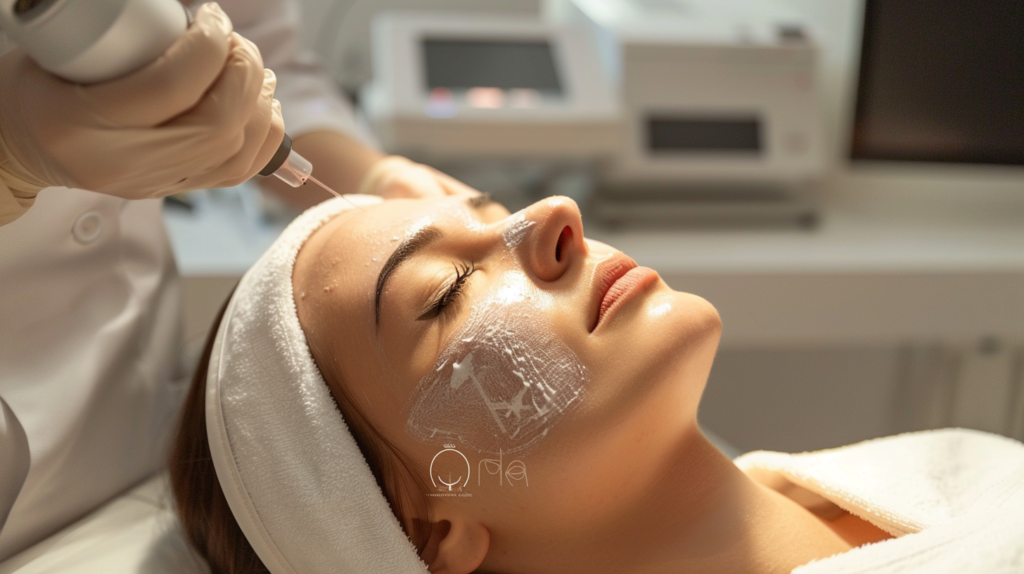
A fractional laser treatment treats only a fraction of the skin at a time, leaving surrounding areas available to support recovery. This approach may be selected when the provider wants to address texture, scars, or sun-related changes while managing downtime more carefully.
A fractional laser may be ablative or non-ablative, depending on the device and settings. Because the clinical endpoint varies, patients should ask how the procedure may feel, what recovery may involve, and whether improvement may develop over several months rather than immediately, ideally in the context of luxury medical spa skin treatments that emphasize safety and personalization.
What to Know Before Choosing Ablative or Erbium Laser Treatments
An ablative laser removes or vaporizes part of the skin surface to encourage renewal. It may be considered for deeper wrinkles, scars, or more visible texture concerns, but it usually requires more recovery planning, careful aftercare, and greater attention to infection prevention and pigment risk, which is why many patients value advanced laser treatments at Blue Point Medical Spa that are overseen by experienced medical providers.
Erbium lasers are one example of resurfacing technology that may be used for selected texture, line, or scar concerns. The right choice depends on the patient’s skin type, goals, history of pigmentation, downtime tolerance, and whether a less intensive procedure may be more appropriate, such as a Phoenix Laser System treatment when healing support is the primary objective.
YAG Laser Technology May Fit Specific Skin Goals
A YAG laser, including certain longer-wavelength options, may be discussed for specific concerns depending on the device and clinical goal. Some laser choices are especially important for patients with more melanin-rich skin, because inappropriate settings may increase the risk of pigment changes or irritation, making it important to choose from professionally supervised medical spa laser services.
Patients with darker skin tones should receive individualized planning. The American Society for Dermatologic Surgery notes that some laser light may be absorbed by melanin in darker skin and may contribute to post-inflammatory hyperpigmentation, swelling, or erythema.
Sun Protection Shapes Safer Laser Outcomes
Patients are often advised to avoid sun exposure before and after laser procedures because recently tanned or sunburned skin may respond unpredictably. Mayo Clinic notes that too much unprotected sun before resurfacing may cause permanent changes in skin color in treated areas.
After treatment, sun protection becomes part of recovery. Patients may be advised to use sunscreen, choose broad-spectrum protection, wear protective clothing, seek shade, and avoid tanning beds so the skin has a better environment to heal. Ongoing education through the Blue Point Medical Spa blog can also reinforce healthy sun habits and skincare routines.
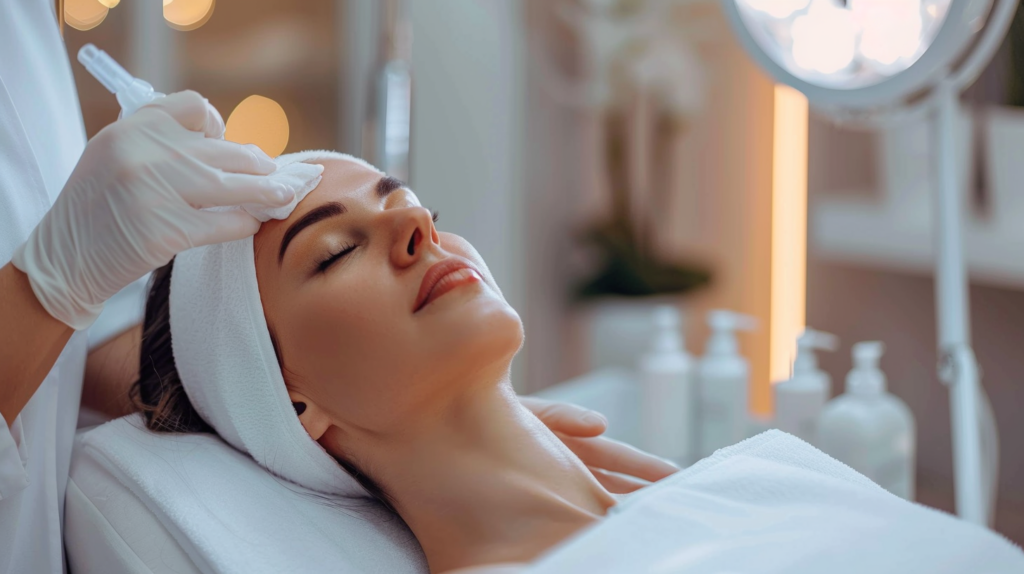
Recovery Often Includes Dryness, Redness, and Barrier Support
After a resurfacing procedure, the skin may feel dry, tight, warm, or sensitive. Some patients may notice dry skin, temporary discomfort, or painful skin, depending on treatment intensity, but these experiences should be discussed before the appointment so expectations remain realistic, and educational resources like the Blue Point skincare and treatment blog can help patients understand common responses.
Providers may recommend a protective ointment or gentle moisturizer to protect the barrier while the skin recovers. Patients should follow instructions closely, avoid unapproved activities, and report symptoms that worsen, persist unexpectedly, or appear unusual for their recovery stage. Some may transition to medical-grade facial treatments once healing allows them to maintain hydration and texture results.
Why a Personalized Treatment Plan Matters
A responsible treatment plan considers the patient’s goals, medical history, sun habits, prior procedures, and visible concerns. It also considers whether the patient wants to reduce wrinkles, soften scars, improve acne texture, address sagging skin, or refine overall skin quality, aligning with Blue Point’s broader focus on skin, body, and wellness treatments.
This planning matters because skin may respond differently from person to person. Patients with sensitive skin, recent sun exposure, certain medications, or a history of pigmentation issues may need adjusted settings, delayed treatment, or a different option entirely.
Lifestyle Choices Influence Skin Aging and Results
Aesthetic care works best when patients also protect the skin outside the treatment room. The National Institute on Aging connects aging-related skin changes with collagen and elastic fiber loss, while sun exposure remains a major contributor to visible texture and pigment changes.
Patients may also be advised to stop smoking, because smoking is associated with premature aging, collagen changes, and wrinkles. Cleveland Clinic notes that smoking-related toxins can affect cells and break down collagen and elastic fibers, contributing to sagging and wrinkling, and flexible medical spa payment plans and financing can make it easier to invest in supportive treatments once lifestyle changes are in place.
Advanced Laser Treatments Remain Elective Aesthetic Care
Laser procedures at BluePoint Medical Spa are elective aesthetic services, not medically necessary treatments. This distinction matters because patients should feel informed, respected, and free to choose care based on their goals, comfort level, and provider recommendations.
Aesthetic laser care may support smoother texture, refined tone, and a fresher appearance, but outcomes vary. Some patients may need more than one session, while others may be better suited to skincare, injectables, radiofrequency, or another professional option.
FAQ
Is laser skin resurfacing painful?
Some patients describe laser resurfacing as warm, prickly, or uncomfortable, while others tolerate it well with comfort measures. Sensation depends on the device, treatment intensity, and treatment area. Your provider should explain what to expect before the procedure.
How long does laser recovery usually take?
Recovery time depends on whether the treatment is light, fractional, ablative, or more intensive. Some patients have redness or dryness for a short period, while deeper resurfacing may require longer visible healing. Your provider will outline the expected timeline during the consultation.
Can laser treatments improve acne scars?
Laser treatments may improve the appearance of acne scars by supporting remodeling and texture refinement. Results vary based on scar depth, skin type, and the number of sessions recommended. Scars usually soften gradually rather than disappear completely.
Why is sun protection important after laser treatment?
Sun protection reduces the risk of irritation, discoloration, and prolonged sensitivity after laser care. Patients are commonly advised to use broad-spectrum sunscreen, protective clothing, and shade. Avoiding tanning beds and direct sun exposure supports safer recovery.
Conclusion
Choosing laser-based care is not only about improving skin texture; it is about understanding what your skin needs, what level of treatment is appropriate, and how recovery may fit into your lifestyle. Advanced laser treatments may support a smoother, fresher, and more balanced appearance when they are planned around your skin type, sun history, comfort level, and long-term aesthetic goals.
Because every patient’s skin responds differently, the safest starting point is a personalized evaluation with a licensed provider. Laser procedures may involve potential risks, contraindications, redness, dryness, pigment changes, or recovery time, and individual results vary. A consultation allows you to review your options, ask questions, and determine whether laser skin resurfacing, fractional laser treatment, or another elective aesthetic treatment is appropriate for your skin.
Contact BluePoint Medical Spa to schedule a consultation and receive personalized guidance for your skin concerns, treatment goals, and recovery expectations.