Masseter Botox in Las Vegas has become a popular option for patients who want to achieve a slimmer, more defined jawline or reduce discomfort caused by teeth grinding and jaw clenching. Unlike Botox treatments used for forehead lines or crow’s feet, this procedure targets the masseter, a large and active muscle responsible for chewing, speaking, and clenching. Because the treatment can address both aesthetic and functional concerns, careful evaluation and personalized dosing are essential. Understanding how it works can help patients decide whether it aligns with their needs and expectations.
Patients considering Botox for jaw slimming, bruxism, or TMJ tension should understand that cosmetic contouring and relief from clenching follow different timelines. Jaw tension may begin to improve as the muscle relaxes, while visible facial slimming develops gradually as the masseter decreases in size. Results depend on facial anatomy, muscle strength, dosage, metabolism, and individual treatment goals. This guide explains what to expect before booking a consultation with a qualified provider in Las Vegas.
How the Masseter Muscle Responds to Botox
The masseter is a thick, paired muscle at the back of the jaw, on either side of the face, that powers chewing, mastication, and clenching. It sits close to the surface, which is part of why an overdeveloped masseter shows up visually as width at the lower face rather than staying hidden the way some other jaw muscles do.
Botox works through neuromodulation, a process where the injection blocks the nerve signals that tell a muscle to contract. The general mechanism is the same one behind Botox’s more familiar cosmetic uses, covered in Blue Point’s guide to how Botox works on facial muscles, but the effect on the masseter plays out differently because the muscle is larger and used constantly.
As the masseter contracts less often and with less force, it gradually loses bulk through a process called atrophy, the natural shrinking of a muscle from reduced use. That gradual atrophy is what produces both outcomes patients ask about: a slimmer lower-face contour over time and reduced force behind clenching or grinding.
Masseter Botox for Jaw Slimming
Patients drawn to masseter Botox for cosmetic reasons often have some degree of masseter hypertrophy, an enlarged or overdeveloped masseter muscle that widens the lower face and creates a square or heavy jaw appearance. Hypertrophy can develop from years of habitual clenching or grinding, from genetics, or from a combination of both.
Reducing the muscle’s bulk tends to shift the lower face toward a softer, more oval contour. The degree of visible change depends heavily on the starting point. Patients with pronounced hypertrophy typically notice more jaw slimming than patients whose masseter was only mildly enlarged to begin with, since there is simply less muscle bulk to reduce. Bone structure, facial structure, skin quality, and how the rest of the face is proportioned all factor in as well, which is part of why an in-person evaluation matters more here than a generic before-and-after photo found online.
For context on dosing, Blue Point’s guide to Botox treatment areas outlines that masseter treatment commonly falls in the range of 20 to 30 units per side, though the right amount for any individual patient is determined during a consultation, not estimated from a blog post.
Masseter Botox for Teeth Grinding and TMJ Tension
The same muscle-relaxing mechanism that slims the jaw also addresses two common functional complaints: bruxism, involuntary teeth grinding or clenching, often happening during sleep, and tension related to the temporomandibular joint (TMJ), the hinge joint connecting the jawbone to the skull.
By reducing the force the masseter can generate, Botox can ease the clenching and grinding pressure that contributes to jaw soreness, tension headaches, and accelerated tooth wear. It is worth being direct about what this treatment does not do: Botox is not a cure for bruxism, and it does not replace a dentist’s evaluation or a nightguard for patients who grind at night. Many patients use Botox alongside a nightguard rather than one, since the two address the problem from different angles: one reduces muscle force, the other protects the teeth from the grinding that still occurs.
Because the masseter is a working muscle rather than a purely cosmetic target, precision matters. Overtreating this muscle group can, in rare cases, create asymmetry when biting down or temporary difficulty with certain foods. This is one of the clearest reasons to have this treatment performed by a board-certified, licensed provider who evaluates bite pattern and jaw anatomy before recommending a dose, rather than treating it as a standardized, one-size-fits-all injection.
Masseter Botox Results and Treatment Timeline
Patients generally notice two different timelines within the same treatment. Relief from clenching tension or jaw soreness tends to show up first, sometimes within the first one to two weeks, as the muscle begins to relax. Visible slimming of the jawline develops more slowly, since it depends on gradual muscle atrophy rather than an immediate relaxation effect, and is usually most apparent several weeks after treatment.
Every patient’s timeline varies based on muscle size, metabolism, and how consistently the muscle was being used before treatment. No provider can promise an exact number of days for either effect to appear, and posts or ads that suggest otherwise should be read with some skepticism.
Results from masseter Botox typically last three to six months, similar to other neuromodulator treatments discussed in Blue Point’s guide to how long Botox lasts. Patients returning for repeat treatments sometimes find the effect holds a bit longer over time, as the muscle stays smaller between sessions, though this is a general pattern rather than a guarantee for any individual.
Masseter Botox Candidacy and Safety
Masseter Botox may be a good option for patients who notice a wider or squarer lower face and want a softer contour without surgery. It may also be considered by patients with diagnosed or suspected bruxism, TMJ tension, jaw soreness, or headaches linked to clenching. Some patients who already use a nightguard for teeth grinding may explore treatment as an additional layer of support rather than as a replacement for dental care.
Candidates should generally be in good overall health and should not have contraindications to Botox, such as certain neuromuscular conditions, pregnancy, or breastfeeding. Because candidacy depends on medical history, facial anatomy, muscle activity, and treatment goals, an individualized evaluation is necessary before deciding whether the procedure is appropriate.
One thing worth stating plainly is that masseter treatment is an off-label use of Botox. The FDA has approved Botox for indications such as forehead lines, crow’s feet, chronic migraine, and excessive sweating, but not specifically for masseter reduction or TMJ symptoms. Off-label use is common and legal in medicine, and it is standard practice among experienced injectors treating this area, but patients deserve to understand the distinction rather than assume every use of Botox carries the same FDA-approved status.
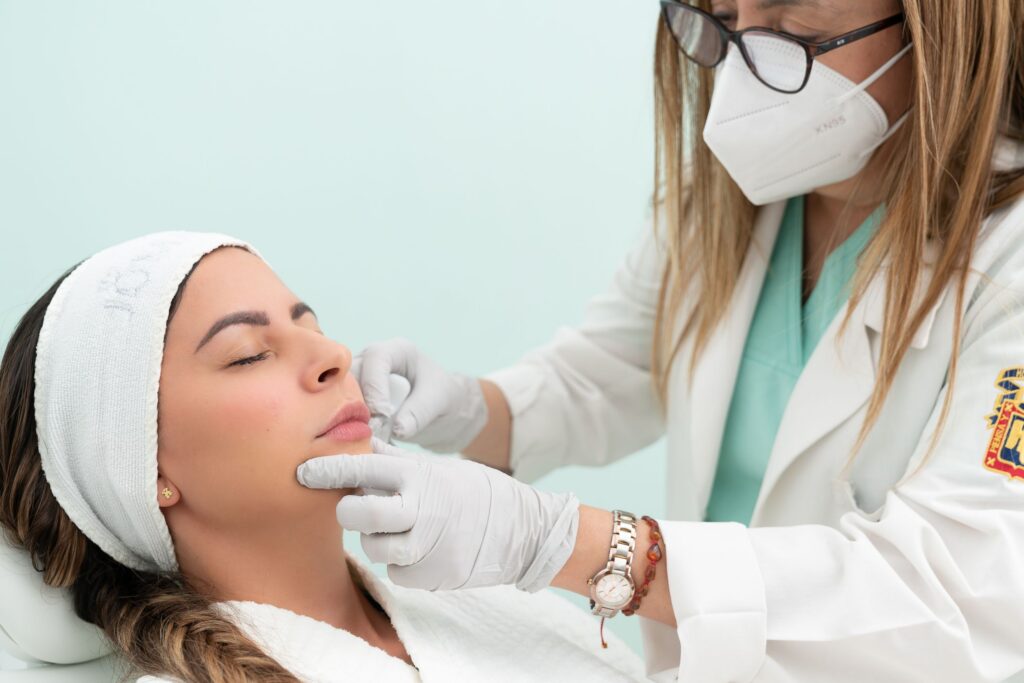
A consultation is where a licensed provider reviews facial anatomy, bite, muscle size, and any relevant dental history before recommending whether masseter Botox makes sense and, if so, what dose may be appropriate.
FAQ
Will masseter Botox make my face look overdone or uneven?
When dosed and placed correctly, the goal is a natural-looking reduction in width, not a dramatic or asymmetric change. Uneven results are more likely when dosing is imprecise, which is why provider experience with this specific muscle group matters.
Will it be harder to chew afterward?
Most patients continue eating normally. Because the masseter is a chewing muscle, very high doses or imprecise placement can occasionally cause temporary difficulty with especially tough or chewy foods, which is another reason dosing is individualized rather than standardized.
How is this different from Botox for wrinkles?
The injection technique is similar, but the target is a large, functional muscle rather than a small muscle that only creates surface lines. That difference affects dosing, technique, and what results look like over time.
Conclusion
Masseter Botox may support both cosmetic and functional goals by gradually reducing the size and activity of the masseter muscle. Patients may consider the treatment for jaw slimming, teeth grinding, clenching-related tension, or a combination of these concerns.
Because the masseter is an active chewing muscle, treatment requires careful evaluation and precise dosing. A provider should assess the patient’s anatomy, bite pattern, muscle strength, dental history, and treatment goals before recommending whether Botox is appropriate. Individual results vary, and a professional evaluation can help establish realistic expectations for the treatment timeline and possible outcome.
Ready to talk through whether masseter Botox fits your goals? Schedule a consultation with the team at Blue Point Medical Spa to discuss jaw slimming, teeth grinding relief, or both.
Individual results vary. A consultation with our team can help set realistic expectations for your goals.