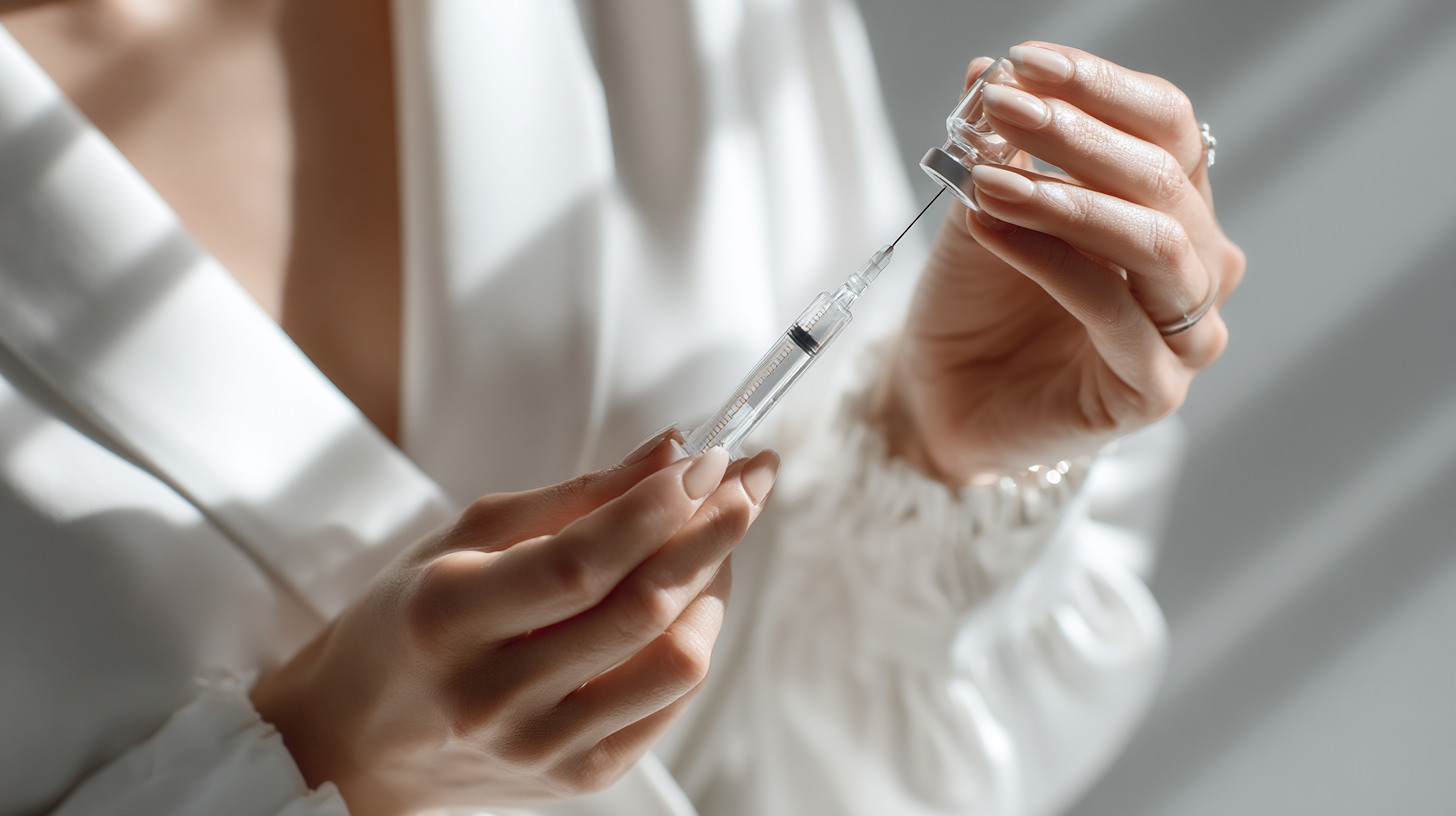

Las Vegas visitors arrive dehydrated in more ways than one. A long flight, a few drinks on the Strip, and triple-digit desert heat can all deplete fluid and electrolytes within the same 24 hours, which is why IV therapy for travel recovery has become a popular request among tourists looking to feel more like themselves during a short trip.
What it addresses well is dehydration. What it does not do is reset a disrupted body clock or erase a hangover on command, and it is worth understanding that distinction before booking a session.
This post looks at what actually causes travel fatigue, what the evidence supports about IV hydration for jet lag and hangover symptoms, and where a licensed provider fits into a realistic recovery plan.
Why Travel to Las Vegas Can Cause Dehydration
Airplane cabins run drier than most deserts. Cabin humidity typically sits between 10 and 20 percent, well below the 30 to 60 percent common indoors, and cabin pressurization mimics an altitude of 6,000 to 8,000 feet, which increases breathing rate slightly and speeds water loss through respiration.
Passengers can lose roughly eight ounces of fluid per hour in flight, mostly through breathing alone, and mild dehydration can set in after a loss of as little as 1.5 percent of body water, a threshold a multi-hour flight reaches without much difficulty.
Las Vegas adds a second layer on arrival. Summer temperatures regularly exceed 100 degrees, and desert air carries little humidity to offset fluid loss through sweat.
A third factor, alcohol, compounds both of the above. Alcohol suppresses antidiuretic hormone, or ADH, the hormone that normally signals the kidneys to reabsorb water. This increases urine output and pulls sodium, potassium, and magnesium out of the body along with the fluid.
Flying, heat, and drinking are three separate dehydration mechanisms, and a Las Vegas trip can stack all three inside a single day.
Hydration replacement, whether oral or intravenous, addresses that fluid and electrolyte deficit directly. The difference between IV and oral hydration comes down to speed and absorption, not the substance itself. IV fluids enter the bloodstream directly, bypassing digestion, which is why they tend to work faster once dehydration is already present.
Jet Lag Is a Circadian Rhythm Problem, Not a Hydration Problem
Jet lag is a circadian rhythm disorder, not a hydration disorder. The internal body clock stays synced to the time zone a traveler left, while light, meals, and social cues in the new location are already operating on a different schedule.
That mismatch is what produces the classic symptoms: trouble falling asleep, daytime drowsiness, mood changes, digestive upset, and mental fog.
Those symptoms overlap heavily with plain dehydration, which is part of why IV therapy gets marketed as a jet lag fix. Fatigue, headache, and brain fog show up in both conditions, so correcting dehydration can genuinely make a traveler feel better.
That is a different claim from correcting jet lag itself. The interventions with actual evidence behind them for resetting circadian rhythm are timed light exposure, gradual sleep-schedule shifts, and melatonin timing, not intravenous fluids. No infusion, regardless of what it contains, resets the body’s internal clock.
The honest way to think about IV therapy here is that it may ease the dehydration-driven portion of travel fatigue. It is not a treatment for jet lag as a condition, and a provider should not present it that way.
Evidence on IV Therapy for Hangover Symptoms
The mechanism behind hangover-related dehydration is well understood. Alcohol’s suppression of ADH increases urine output within the first 20 to 30 minutes of drinking, and that fluid loss carries electrolytes with it.
Low sodium, low potassium, and low magnesium are documented consequences of heavy drinking and contribute to hangover symptoms like headache and fatigue.
What is less settled is whether an IV drip meaningfully shortens or resolves a hangover overall. The direct clinical research is thinner than most marketing suggests.
A randomized controlled trial found that IV saline did not significantly reduce how long intoxicated patients needed for observation and recovery in an emergency department setting.
A more recent prospective study found that IV fluids did not speed recovery time for acutely intoxicated participants compared with standard care.
No large, placebo-controlled trial has shown that an IV hydration or vitamin cocktail outperforms oral fluids, food, and rest for a typical hangover.
None of that means IV fluids do nothing. They can rapidly correct an existing fluid and electrolyte deficit, which is a real, measurable effect. It means the leap from “corrects dehydration” to “cures a hangover” is not supported by the current evidence.
This is a distinction Blue Point Medical Spa’s providers discuss directly during a consultation rather than glossing over. IV therapy also does not speed up the liver’s processing of alcohol, which clears at a fixed rate regardless of what else is in the bloodstream.
Realistic Benefits of IV Hydration for Travel Recovery
Set against the marketing claims, the supportable benefits of IV hydration for travel-related dehydration are narrower and still genuinely useful for the right situation.
Fluid volume replacement directly restores water lost to cabin air, heat, or alcohol’s diuretic effect.
Electrolyte replacement helps replenish sodium, potassium, and magnesium lost alongside that fluid, supporting normal muscle and nerve function.
Faster relief of dehydration-driven symptoms may occur when dehydration is the actual cause of headache, fatigue, or dizziness, since correcting the deficit intravenously tends to work faster than waiting for oral fluids to catch up.
Individual results vary based on hydration status at the time of treatment, overall health, and how much of the underlying fatigue is genuinely dehydration rather than jet lag or sleep debt that hydration cannot address.
A consultation with a licensed provider is the most reliable way to sort out which factor is driving how a traveler actually feels.
What to Expect During an IV Therapy Session
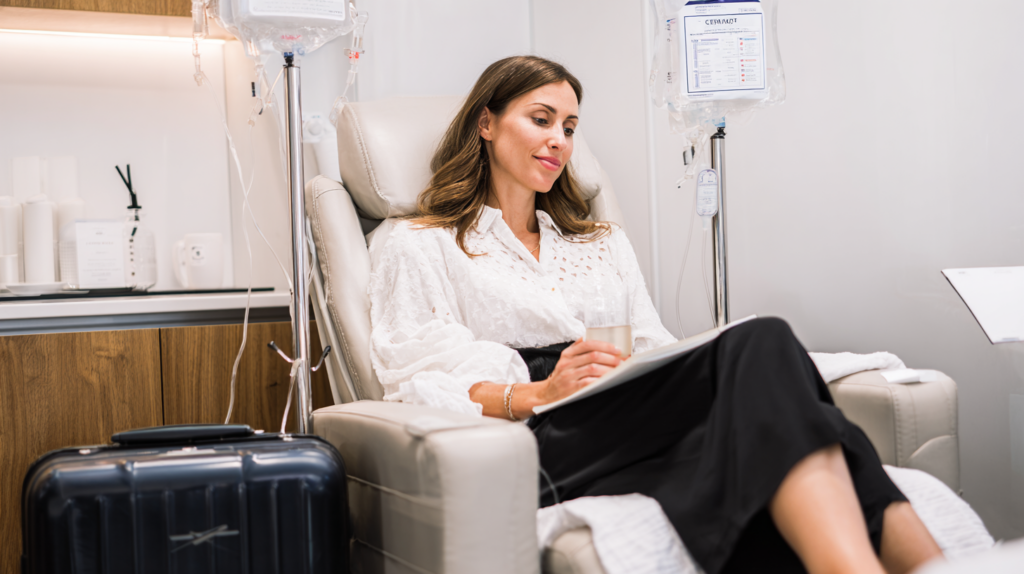
IV therapy at Blue Point Medical Spa is administered by or under the supervision of board-certified providers in a monitored clinical setting, not a walk-in drip bar.
A session starts with a brief intake to review health history, current medications, and any conditions that could make fluid or electrolyte shifts riskier, such as kidney or heart conditions.
Sessions typically run 30 to 45 minutes, and the fluid and electrolyte composition is adjusted to the individual rather than applied as a single fixed formula.
Clients who are also interested in the nutrient-delivery benefits of IV therapy beyond hydration alone can discuss combining approaches during that same consultation.
Because contraindications exist for certain kidney conditions and other health factors, pretreatment screening by a licensed provider is a standard part of the process, not an optional step.
Travelers Who May Benefit From IV Hydration
IV hydration makes the most sense for travelers who are dealing with clear signs of dehydration after a flight, a night out, or a day in the heat and want a faster route to relief than oral fluids alone provide.
It is not positioned as a substitute for the basics that already help: drinking water throughout the day, eating regular meals, and getting real sleep once the schedule allows for it.
Visitors weighing other treatment options during a short Las Vegas trip can also review what to know about booking aesthetic treatments while visiting for broader planning guidance.
Framed accurately, IV hydration is one tool for one specific problem: dehydration. It works alongside rest, food, and time, not in place of them, and it is not a substitute for the circadian adjustments jet lag actually requires.
Individual results vary depending on hydration status, health history, and how much of the fatigue a traveler feels actually comes from dehydration versus jet lag or plain sleep loss.
FAQ
Can IV therapy cure jet lag?
No. IV therapy can help correct dehydration that may worsen fatigue, headaches, or brain fog, but it does not reset the body’s circadian rhythm. Jet lag is more directly addressed through timed light exposure, sleep-schedule adjustments, and other strategies that help the internal body clock adapt to a new time zone.
Does IV therapy make a hangover go away faster?
IV fluids may help relieve symptoms caused by dehydration or electrolyte loss, but they do not speed up the liver’s processing of alcohol. Current evidence does not show that IV hydration consistently shortens a typical hangover compared with oral fluids, food, and rest.
How quickly can IV hydration help with dehydration?
Because IV fluids enter the bloodstream directly, they can begin replacing lost fluid and electrolytes more quickly than oral hydration. How soon a person notices improvement depends on the severity of dehydration, overall health, and whether the symptoms are actually caused by dehydration rather than sleep loss, jet lag, or another condition.
Conclusion
Travel fatigue in Las Vegas can come from several sources at once, including dry cabin air, desert heat, alcohol, disrupted sleep, and a shifted body clock. IV hydration may help when dehydration is a meaningful part of the problem, but it cannot correct every cause of fatigue or guarantee that a traveler will feel fully recovered after one session.
A licensed provider can review symptoms, health history, medication use, hydration status, and other relevant factors before recommending treatment. That evaluation also helps identify when oral hydration, food, rest, or medical care may be more appropriate.
At Blue Point Medical Spa, IV therapy is approached as a clinical hydration option, not a cure-all for jet lag or hangovers. The goal is to set realistic expectations and determine whether treatment fits the patient’s actual needs.
Schedule a consultation with Blue Point Medical Spa to discuss IV hydration for travel recovery and determine whether it is appropriate for your Las Vegas trip, health history, and symptoms.