
Microneedling already has a solid track record on its own. Fine needles create controlled micro-injuries that trigger the skin’s natural healing response and stimulate collagen production, improving texture, tone, and firmness over a series of sessions. Most providers also offer PRP, or platelet-rich plasma, a concentrate drawn from the patient’s own blood, as a paid add-on to that same appointment.
The pitch sounds reasonable: more growth factors delivered into the same micro-channels should mean a stronger result. But “should” and “does” are different questions, and the clinical research on PRP added to microneedling doesn’t point in one direction for every patient. The findings depend on what’s being treated.
How PRP Enhances a Microneedling Session
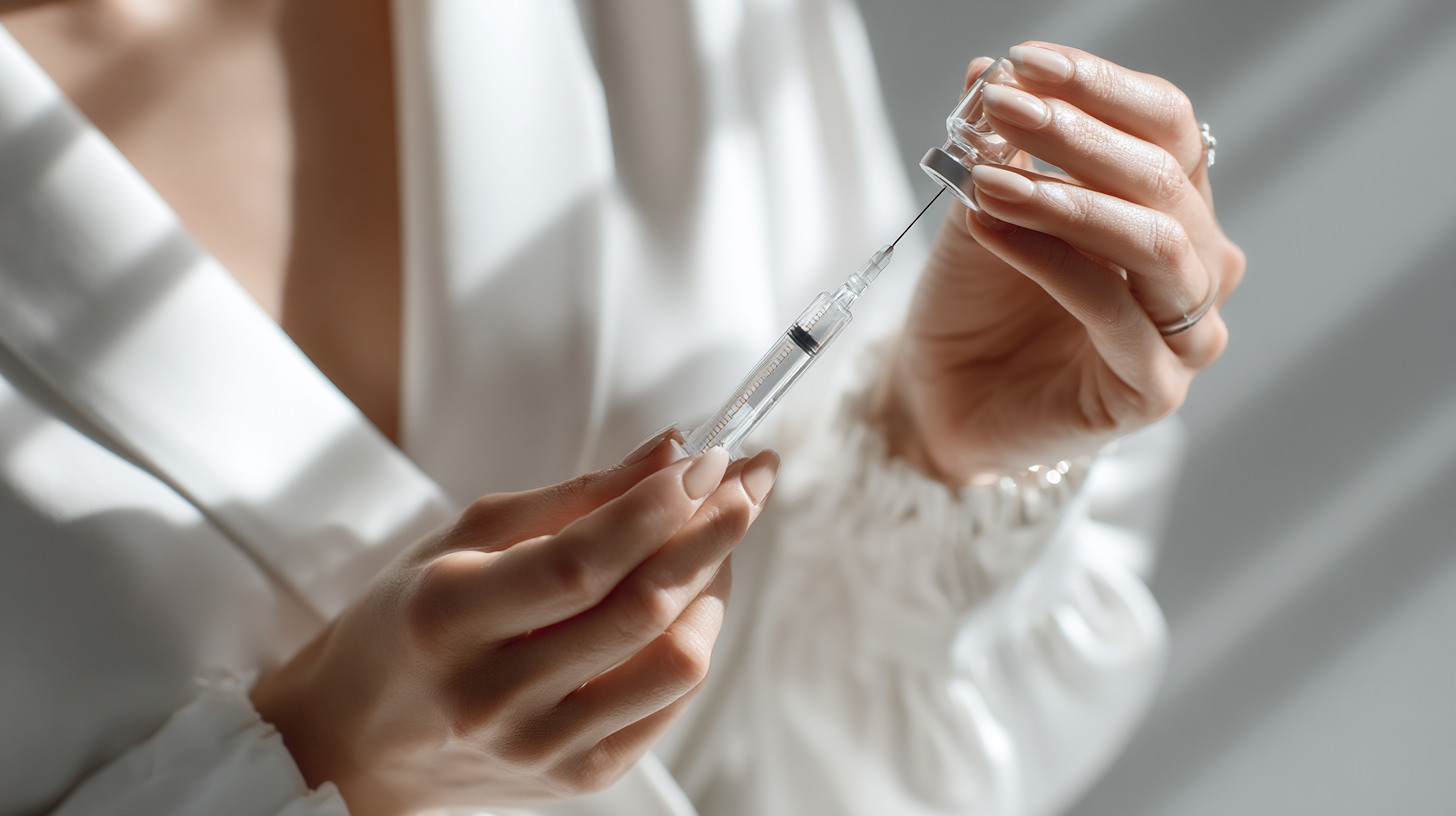
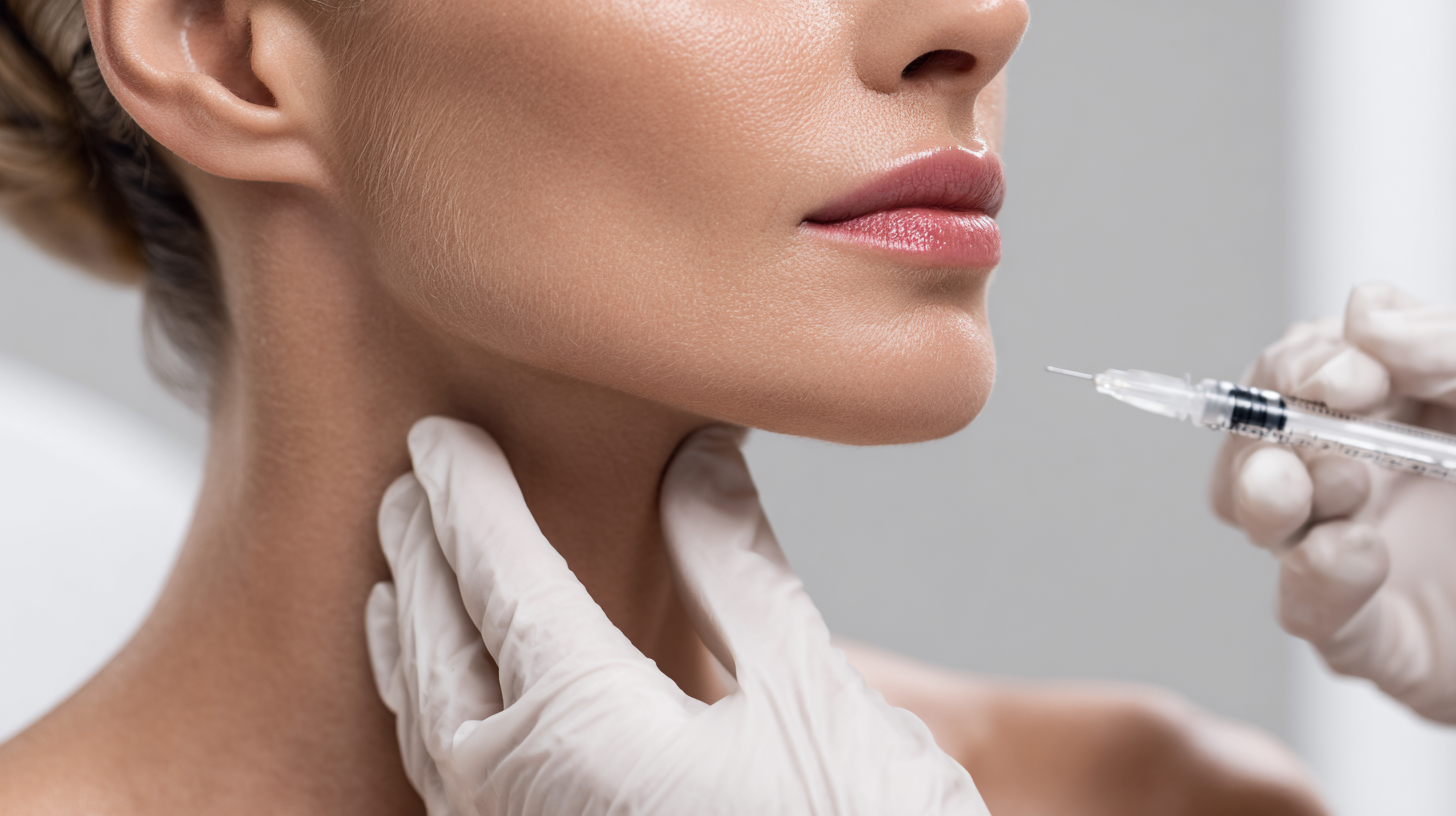
PRP is prepared by drawing a small amount of the patient’s blood and spinning it in a centrifuge to separate and concentrate the platelets, which carry growth factors involved in tissue repair. During a combined session, the provider applies this concentrate to the skin immediately after microneedling, allowing it to enter through the micro-channels the needles just created.
The theory is straightforward. Microneedling already triggers a wound-healing cascade that recruits fibroblasts, the cells that produce new collagen, to the treated area. PRP supplies additional growth factors directly into that same cascade, which in principle could amplify the response.
One factor worth knowing before comparing costs is that there is no single standardized way to prepare PRP. Centrifugation method, platelet concentration, and activation technique vary from provider to provider, and research studies vary in the same way. A published result from one protocol does not guarantee the same outcome from a different clinic’s process.
This matters for how a patient should read the research below. A study showing a strong benefit used a specific PRP preparation, a specific microneedling depth, and a specific number of sessions. The general direction of the findings is still useful for decision-making, but the exact magnitude of benefit reported in any one study will not translate precisely to every provider’s protocol.

Evidence Supporting PRP for Acne Scarring
The strongest and most consistent research on this topic looks at acne scarring, and it favors adding PRP. A meta-analysis pooling 14 studies and 472 patients, including four randomized controlled trials, found that patients who received microneedling plus PRP were significantly more likely to see substantial clinical improvement than those who received microneedling alone, with low variability between the studies included.
Patients in the combined-treatment groups also scored better on standardized scar-severity scales and reported higher satisfaction than patients treated with microneedling alone. Rates of significant side effects, such as prolonged redness or swelling, were not meaningfully different between the two groups, so the added benefit did not come with an added risk.
For patients whose primary goal is improving the appearance of acne scars, this is the scenario where current research gives the clearest support for paying for the PRP add-on. The improvement showed up consistently across multiple independent trials rather than in a single study, which is part of why this particular finding carries more weight than one favorable result would.
Evidence for General Skin Texture and Rejuvenation
The picture changes for patients using microneedling for broader skin rejuvenation goals, such as overall texture, tone, or a general refresh, rather than scar treatment specifically.
A study evaluating combined PRP and microneedling for under-eye rejuvenation illustrates why. Patients reported strong subjective improvement in skin homogeneity and texture after treatment, but blinded dermatologists rating standardized photos of the same patients found no statistically significant difference before and after.
That gap between how patients feel about their results and what an independent, blinded evaluation can measure appears in more than one study on non-scar rejuvenation. It does not mean PRP does nothing for general skin quality. It means the evidence supporting an extra charge for that specific goal is thinner and less consistent than the evidence for acne scarring, and expectation can play a real role in how a treatment is perceived.
Patients considering PRP mainly for a general glow or texture improvement, rather than a specific scarring concern, should treat the added benefit as uncertain rather than assumed. This is not unique to PRP. Many aesthetic treatments show a similar split between how a patient feels immediately after a session and what a camera or blinded evaluator detects weeks later, which is why an individualized consultation matters more than a general claim either way.
Comparing the Added Cost of PRP
PRP adds cost to a microneedling session because of the blood draw and processing involved, and pricing varies by provider and by how many sessions a treatment plan includes. The more useful question is not whether PRP is a universal upgrade. It is what is being treated.
For acne scarring, the research base supports a case that the additional cost buys a measurable difference in outcome and satisfaction. For general texture, tone, or a mild refresh, starting with standard microneedling, evaluating the results after a session or two, and deciding from there whether to add PRP for a follow-up series is a reasonable approach.
Both approaches typically involve a series of three to six sessions spaced four to six weeks apart, since collagen remodeling builds gradually rather than appearing after a single visit. Adding PRP to every session in a series compounds the added cost across the full treatment plan, which is another reason to match the add-on to the concern that has the strongest evidence behind it rather than adding it by default.
Individual results vary regardless of which protocol is used, and no provider can guarantee a specific outcome or timeline from either approach.

Safety and Candidacy for Microneedling With PRP
Because PRP uses a patient’s own blood, it carries a lower risk of allergic reaction than products sourced from another donor or manufactured synthetically. That does not mean it is appropriate for everyone.
Patients with active skin infections, active acne flares, certain blood disorders, or those taking blood-thinning medications may not be candidates for PRP, microneedling, or both, depending on the specific condition.
A board-certified provider reviews health history, current medications, and skin condition before recommending either protocol. This screening step matters for both treatments, not just the PRP add-on, since microneedling itself is contraindicated for patients with active acne, certain autoimmune conditions, or recent use of isotretinoin.
Choosing Between Microneedling With or Without PRP
A skin analysis is the most reliable starting point for this decision because it identifies the primary concern before any treatment is chosen. Patients dealing with acne scarring, patients seeking general texture improvement, and patients concerned about skin laxity or tightening are often better served by different approaches.
For patients whose main concern is skin laxity or jawline definition rather than texture or scarring, RF microneedling adds a thermal energy component that plain microneedling and PRP do not address and may be a more relevant comparison than the PRP question.
Both plain and PRP-enhanced microneedling work through the same underlying collagen production pathway, so understanding that mechanism helps clarify what either version of the treatment can realistically be expected to do.
Providers also consider how microneedling and PRP fit alongside other treatments already included in a patient’s plan, including injectables and the microneedling services available at Blue Point Medical Spa.

FAQ
Is Microneedling With PRP Better Than Microneedling Alone?
It depends on the concern being treated. The strongest evidence for adding PRP is in patients treating acne scars, where combined therapy has shown better improvement and satisfaction than microneedling alone. For general texture, tone, or rejuvenation, the added benefit is less consistent.
How Many Microneedling Sessions Are Usually Needed?
Both standard microneedling and microneedling with PRP are commonly performed as a series of three to six sessions spaced four to six weeks apart. The appropriate number depends on the skin concern, treatment depth, skin condition, and response to previous sessions. Individual results vary.
Does PRP Add More Downtime or Side Effects?
Research comparing the two approaches has not shown a meaningful increase in significant side effects when PRP is added. Temporary redness, swelling, sensitivity, and pinpoint bleeding may occur after either treatment. Recovery varies based on treatment depth, skin condition, and individual healing response.
Conclusion
Whether PRP is worth adding to a microneedling session depends on the specific concern being treated, the strength of the evidence for that concern, and the patient’s priorities around cost, treatment intensity, and results.
For acne scarring, current research provides meaningful support for combining microneedling with PRP. For general skin texture, tone, or a mild refresh, standard microneedling may be a reasonable place to begin before deciding whether the additional treatment cost is justified.
A personalized evaluation can also determine whether a different option, such as RF microneedling, may better address concerns related to skin laxity or contour rather than surface texture and scarring.
At Blue Point Medical Spa, a licensed provider reviews skin condition, treatment history, medical factors, and aesthetic goals before recommending microneedling alone, microneedling with PRP, or another approach.
Schedule a consultation with Blue Point Medical Spa to determine whether adding PRP to microneedling makes sense for your skin concerns, treatment goals, and personalized skincare plan.