Las Vegas attracts visitors from every time zone, and a growing number of them are adding med spa treatments in Las Vegas visitor appointments to their itineraries alongside shows, dining, and pool days. The appeal is practical: quality medical-grade aesthetic care is accessible here, wait times for consultations are often shorter than in major metro markets, and many patients find it easier to schedule treatments during a trip than to work around a packed schedule at home.
The considerations for out-of-town patients, however, are meaningfully different from those for local clients. Flying home the next day is not the same as going home across town. This guide addresses the specific questions visitors ask most often, which treatments are well-suited to a short stay, which require a longer recovery window, how flying after certain procedures should be timed, and how to manage follow-up care from a distance.
Aesthetic Treatments That Work Well During a Short Las Vegas Visit
Not all aesthetic procedures are equal when it comes to planning around travel. Some produce minimal to no visible recovery period and can be performed the day before a flight. Others require a downtime window that makes same-week travel inadvisable.
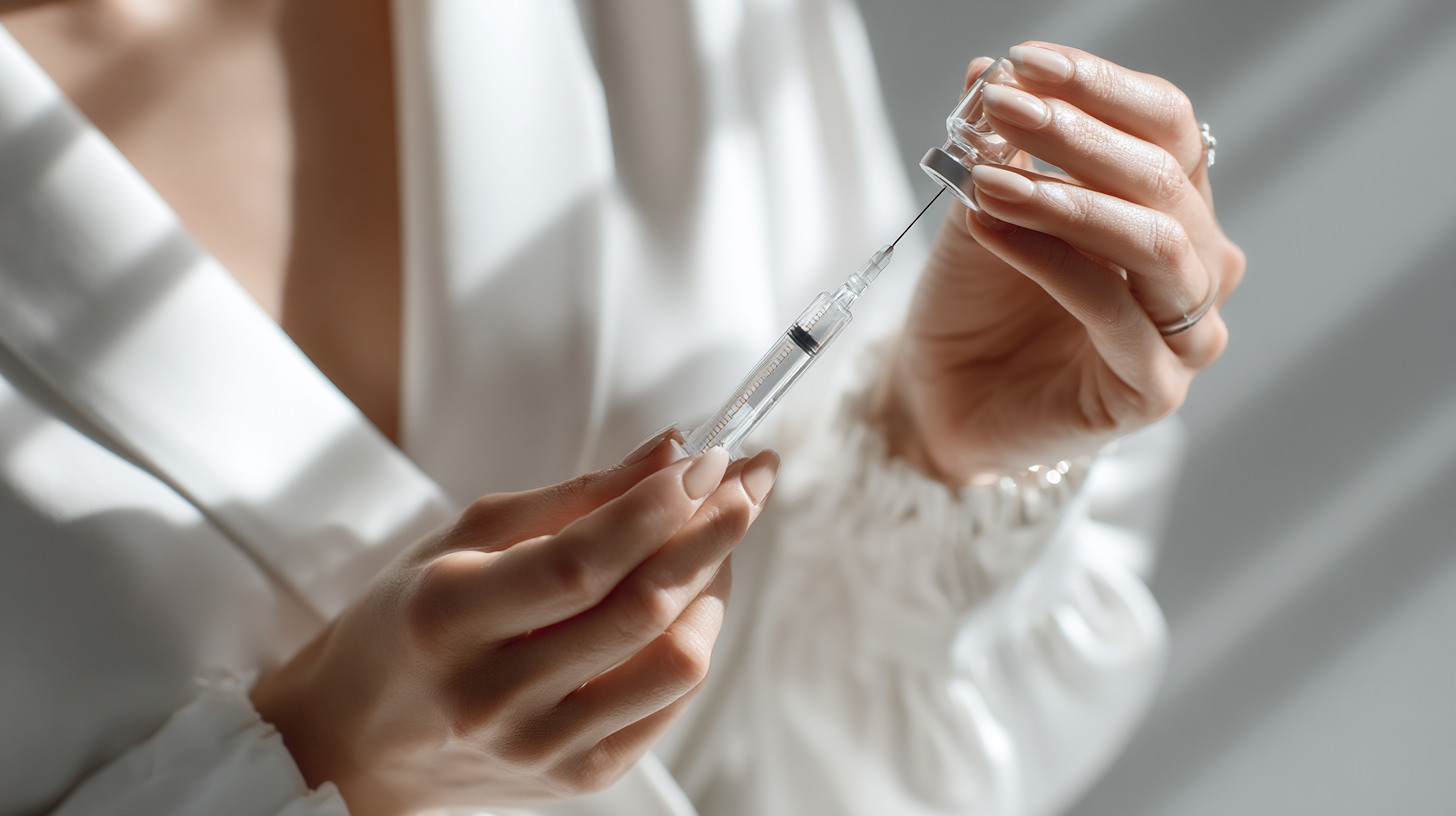
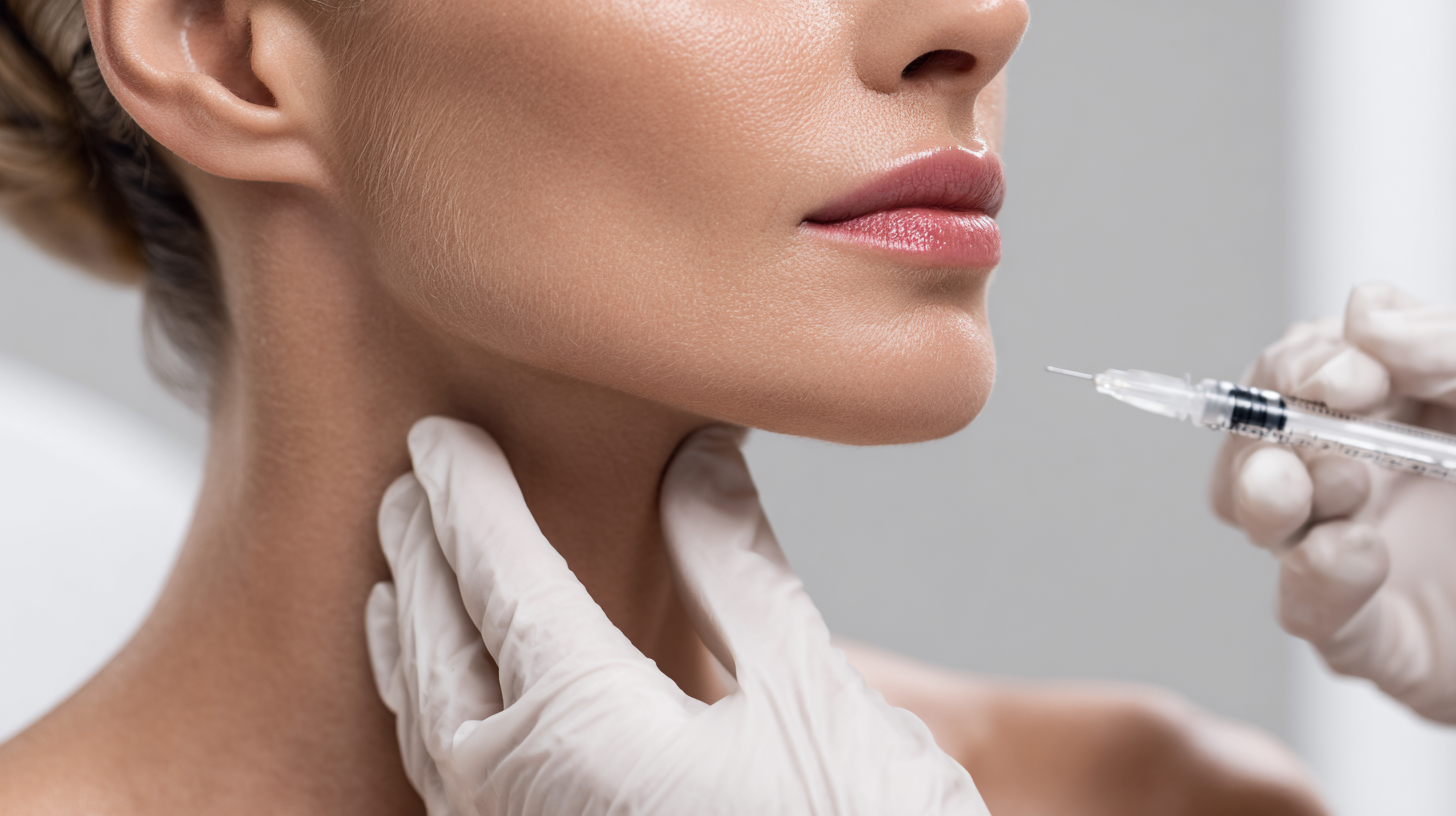
Injectable neuromodulators such as Botox, botulinum toxin type A, a prescription medication that temporarily relaxes targeted facial muscles, are well-suited to travel appointments. The injection process itself takes fifteen to thirty minutes, requires no general anesthesia, and carries a minimal recovery period. Most patients experience mild redness or small bumps at injection sites that resolve within a few hours.
Botox does not reach full effect for three to seven days and typically settles completely within two weeks, meaning out-of-town patients will see their results unfold after they return home. For patients who want to understand how the treatment works before booking, Blue Point’s guide to how Botox works offers a detailed explanation.
Dermal fillers, injectable gels, typically hyaluronic acid (HA), a naturally occurring polysaccharide that attracts and retains water in tissue, which add volume to specific facial areas, are also manageable on a short trip with appropriate planning. Lip, cheek, and nasolabial fold treatments commonly involve temporary swelling that peaks at twenty-four to seventy-two hours and resolves within a week.
Patients who schedule filler appointments at least three to four days before a flight allow the initial swelling to subside. For patients exploring lip augmentation specifically, Blue Point’s guide to lip filler covers the process, typical swelling timelines, and what to discuss with a provider in advance.
Skin analysis and consultation appointments carry no recovery period and are valuable standalone visits for patients who want to plan a longer treatment series. A professional skin analysis session allows providers to evaluate skin condition, map concerns, and develop a treatment plan that the patient can begin executing either locally in Las Vegas or with a provider at home.
IV therapy, intravenous nutrient infusion, is a popular treatment for visitors because it directly addresses the effects of travel, altitude change, disrupted sleep, and dehydration that many guests experience during extended Las Vegas stays. There is no recovery period, and patients can schedule a session the morning of travel without concern. The full guide to IV therapy benefits covers the nutrient formulations most relevant to travel recovery.
Treatments That Require a Planned Recovery Window
Several medical-grade aesthetic procedures produce meaningful clinical results but involve a recovery period that makes same-week or next-day air travel inadvisable.
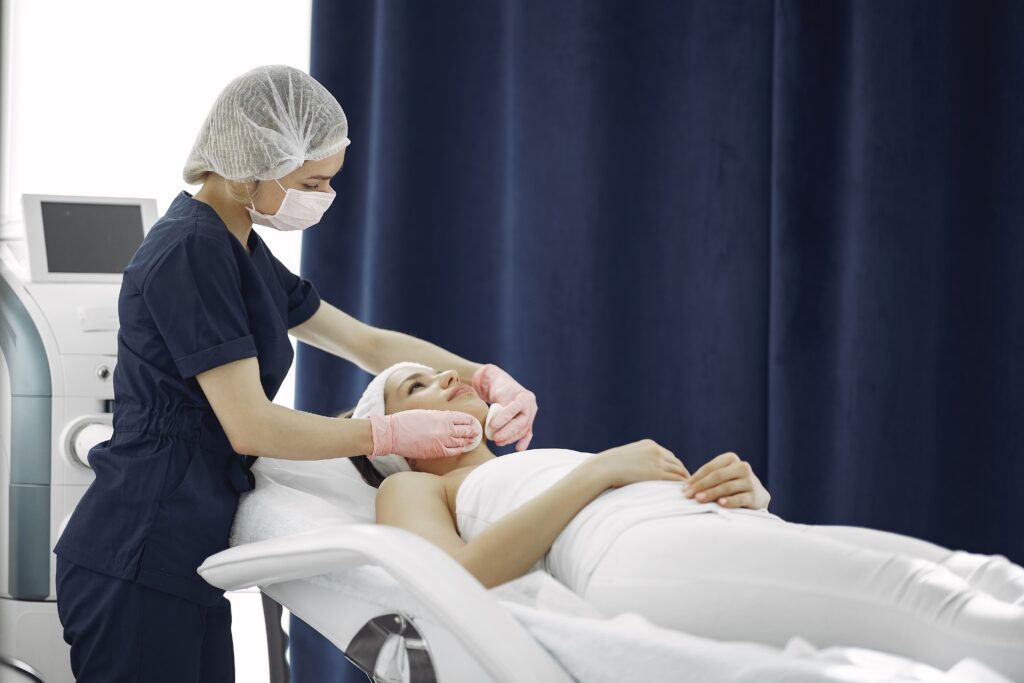
Chemical peels, controlled acid applications that remove damaged outer skin layers to trigger cellular renewal and address concerns such as sun damage, uneven tone, and fine lines, vary significantly in recovery time depending on depth. Superficial peels may produce mild flaking for three to five days. Medium-depth and deep peels produce more pronounced peeling and redness that can persist for one to two weeks. Flying during active peeling is not recommended.
Cabin air is extremely dry; the pressurized environment can increase skin sensitivity, and sun exposure during transit may intensify the post-peel inflammatory response. Patients visiting Las Vegas who want a chemical peel should plan for a stay of at least five to seven days if scheduling a medium-depth treatment. For a breakdown of peel types and what each level involves, Blue Point’s guide to chemical peel types and depths is a useful reference.
RF microneedling, radiofrequency microneedling, a treatment that combines controlled micro-injuries with radiofrequency energy to stimulate collagen remodeling deeper within the dermis than standard microneedling alone, typically produces redness and a sandpaper texture on the skin surface for forty-eight to seventy-two hours post-treatment.
Flying within that window is manageable for many patients, though the dry aircraft environment can extend skin sensitivity. Patients should plan to be at a comfortable moisture level before boarding. The comparison between RF microneedling and traditional microneedling explains the differences in mechanism, recovery, and outcome between these two modalities.
Ultherapy, high-intensity focused ultrasound, a non-surgical treatment that delivers targeted energy to the deeper structural layers of the skin to stimulate collagen production over time, produces temporary swelling and tenderness in treated areas that typically resolve within a few days. The deeper the energy delivery, the more noticeable the initial response. Blue Point’s guide to what to expect from Ultherapy walks through the timeline in detail.
Flying After Aesthetic Treatments
The question of flying after aesthetic treatments comes up in nearly every consultation with an out-of-town patient. The answer depends on the treatment, the individual patient’s response, and the duration and conditions of the flight.
For neuromodulator injections, Botox and related treatments, the standard guidance is to avoid lying flat, bending forward at the waist, or engaging in strenuous activity for four to six hours after treatment. A flight of reasonable duration does not conflict with this window if the appointment is scheduled at least four to six hours before boarding.
Patients on long-haul flights should be aware that cabin pressure does not affect Botox efficacy, but they should avoid rubbing or pressing the treated areas. For patients who have questions about a specific treatment area before booking, Blue Point’s guide to Botox treatment areas covers the most commonly addressed facial zones and what recovery looks like for each.
For dermal fillers, the swelling timeline matters more than the flight itself. Hyaluronic acid fillers attract water, and swelling is expected after treatment. Flying during the forty-eight-hour peak swelling window can make the experience uncomfortable, particularly for lip filler patients.
Scheduling fillers at least forty-eight to seventy-two hours before a flight gives the initial swelling adequate time to reduce. Patients who have received fillers should avoid high-impact activity and significant temperature extremes, including extended time in hotel hot tubs, in the forty-eight hours after treatment.
For treatments involving active peeling or open micro-channels, chemical peels, microneedling, and RF microneedling, the primary flight concern is cabin humidity. Commercial aircraft maintain extremely low humidity, typically below 20%, which can exacerbate dryness and delay healing.
Patients who must fly shortly after these treatments should apply a bland, non-active barrier moisturizer, a product with no exfoliating acids, retinoids, or fragrances, generously before and during the flight and avoid in-flight alcohol, which compounds dehydration.
Managing Follow-Up Care After Returning Home
One of the most common concerns out-of-town patients raise is what happens if they need follow-up care after returning home. This is a legitimate consideration and one worth discussing directly with the provider at the time of the consultation.
Botox touch-ups, if needed, are straightforward and can be performed by any licensed aesthetic provider in the patient’s home market. Patients who want to maintain results with the same product formulation should note which neuromodulator was used.
Botox, Dysport, and Xeomin are all botulinum toxin neuromodulators but differ in formulation and dosing. Blue Point’s Botox vs. Dysport vs. Xeomin guide explains how providers choose between them and what patients should communicate when transitioning care.
Dermal filler follow-up visits are similarly transferable. Patients should retain a record of the product used, the volume injected, and the treatment areas. This information allows a provider in another city to continue or adjust care without guessing. Providers can request that records be sent electronically, and most medical spas will accommodate this.
For laser and energy-based treatments, RF microneedling, Ultherapy, and laser resurfacing, which typically involve a series of sessions for optimal outcomes, patients have two practical options: plan multiple visits to Las Vegas over several months, or establish care with a qualifying provider at home for subsequent treatments while using the Blue Point consultation to establish the protocol.
Las Vegas’s position as a high-frequency travel destination means that many visitors are able to return for follow-up sessions without significant logistical difficulty. Patients who make this part of their planning will typically receive better outcomes from a treatment series than those who plan a single visit.
Las Vegas Desert Climate and Post-Treatment Skin Care
Las Vegas sits in the Mojave Desert at approximately 2,030 feet of elevation. The climate is arid year-round, with average humidity often below 15% and summer temperatures frequently exceeding 105°F. For patients visiting from coastal or humid markets, these conditions represent a meaningful shift in what the skin experiences.
Dehydration, both systemic the whole body, and transepidermal, TEWL, or transepidermal water loss, the process by which water evaporates through the skin when environmental humidity is low, accelerates in the desert climate. Patients who arrive in Las Vegas already showing signs of dehydration, which include a dull complexion, tightness, and increased fine line visibility, may find that these concerns are exacerbated during their stay.
Blue Point’s guide to a desert-climate skincare routine addresses how to modify skincare habits during a Las Vegas visit, and the same principles apply to patients planning treatments.
Patients who are planning injectables or laser treatments during a Las Vegas visit should prioritize hydration in the forty-eight hours before treatment. Adequate systemic hydration supports skin turgor and firmness from fluid pressure within skin cells, reduces the risk of bruising, and improves post-treatment recovery. Arriving for an appointment well-hydrated is a simple step that supports a better clinical experience.
Sun exposure, which is difficult to avoid in Las Vegas, even brief outdoor time between hotel and rideshare involves meaningful UV exposure in summer, should be managed carefully before and after any skin treatment. Patients who have received chemical peels, microneedling, or laser treatments must apply broad-spectrum SPF 30 or higher before any sun exposure throughout the healing period. Blue Point’s summer skincare and sun protection guide covers this in detail.

Questions to Ask During an Aesthetic Consultation as a Visitor
Patients visiting from out of town benefit most from a consultation that is structured around their specific travel parameters, not just their aesthetic goals. The following questions help ensure that the appointment is productive and that the treatment plan is realistic given the constraints of a short visit.
Ask the provider to clarify recovery timelines for every treatment under consideration. Recovery varies by individual. Anatomical factors, skin condition, current medications, and lifestyle all influence how the skin responds. A provider who has reviewed the patient’s intake form and medical history can give more accurate guidance than any general estimate.
Ask about product documentation. For injectables, ask for the specific product name, lot number, volume injected, and areas treated. This record becomes the foundation for any follow-up care.
Ask whether the proposed treatment sequence makes sense given the visit timeline. A skilled provider will not pressure a patient into scheduling more treatments than can be safely managed in a short stay. If a proposed plan seems rushed, it is appropriate to ask which element delivers the most value as a standalone treatment.
Ask about the provider’s availability for remote follow-up. Many providers are willing to answer questions via telephone or patient portal after a patient has returned home, particularly if complications or concerns arise during the initial healing period.
Understanding how to choose a medical spa before booking can help out-of-town patients evaluate providers from a distance. The criteria that apply locally also apply when researching care options in an unfamiliar market.
FAQ
Can visitors fly after receiving Botox in Las Vegas?
A flight of reasonable duration may be possible if the appointment is scheduled at least four to six hours before boarding. Patients should remain upright during that initial period and avoid rubbing or pressing the treated areas. Individual aftercare instructions from the treating provider should always take priority.
How long should visitors wait before flying after dermal fillers?
Patients may benefit from scheduling dermal fillers at least forty-eight to seventy-two hours before a flight. Swelling peaks commonly during this period, particularly after lip filler, and allowing it to decrease before flying may make travel more comfortable.
Which aesthetic treatments require the least downtime during a short trip?
Botox, skin analysis consultations, and IV therapy generally involve minimal or no visible recovery time. Dermal fillers may also fit into a short visit when enough time is allowed for initial swelling. Chemical peels, RF microneedling, and other energy-based procedures require more careful travel planning.
Conclusion
Scheduling aesthetic treatments during a Las Vegas trip can be convenient, but the treatment choice should account for the length of the visit, planned activities, flight timing, recovery needs, and access to follow-up care. Procedures with minimal downtime may fit easily into a short itinerary, while chemical peels, microneedling, and energy-based treatments generally require a more deliberate recovery window.
Out-of-town patients should also consider the effects of Las Vegas’s dry climate, high temperatures, and intense sun exposure before and after treatment. Arriving well-hydrated, protecting the skin from UV exposure, requesting complete treatment documentation, and discussing remote follow-up options can support a safer and more organized experience.
Out-of-town patients are welcome at Blue Point Medical Spa. The team works with visitors to identify treatments that fit both aesthetic goals and travel schedules and provides the documentation needed to support continuity of care at home.
Schedule a consultation with Blue Point Medical Spa to discuss your travel dates, treatment goals, recovery timeline, and follow-up needs with a licensed aesthetic provider.
Individual results vary based on anatomy, skin condition, lifestyle, and treatment plan. All treatments at Blue Point Medical Spa are performed by or under the supervision of licensed aesthetic providers.